Pronulife Intbrain
PRONULIFE IntBrain is a multi strain probiotic blend developed for brain health positioning, sold as a freeze dried powder concentrate and formulated around the gut and brain axis. The composition combines four Bifidobacterium strains with one Lactobacillus strain, selected for antioxidant and anti-inflammatory properties and intended to work together rather than as individually claimed organisms.
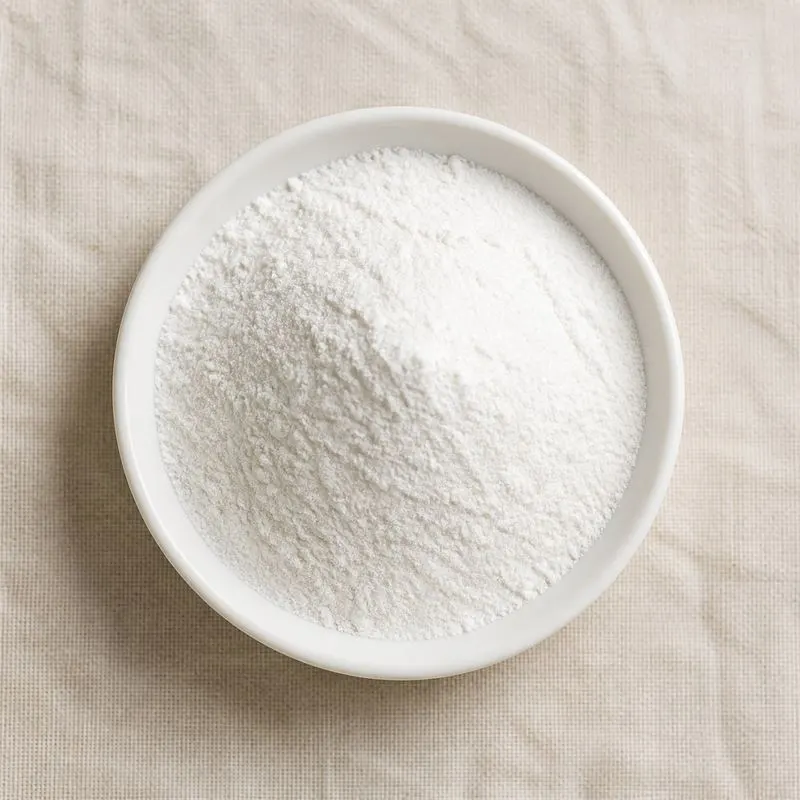
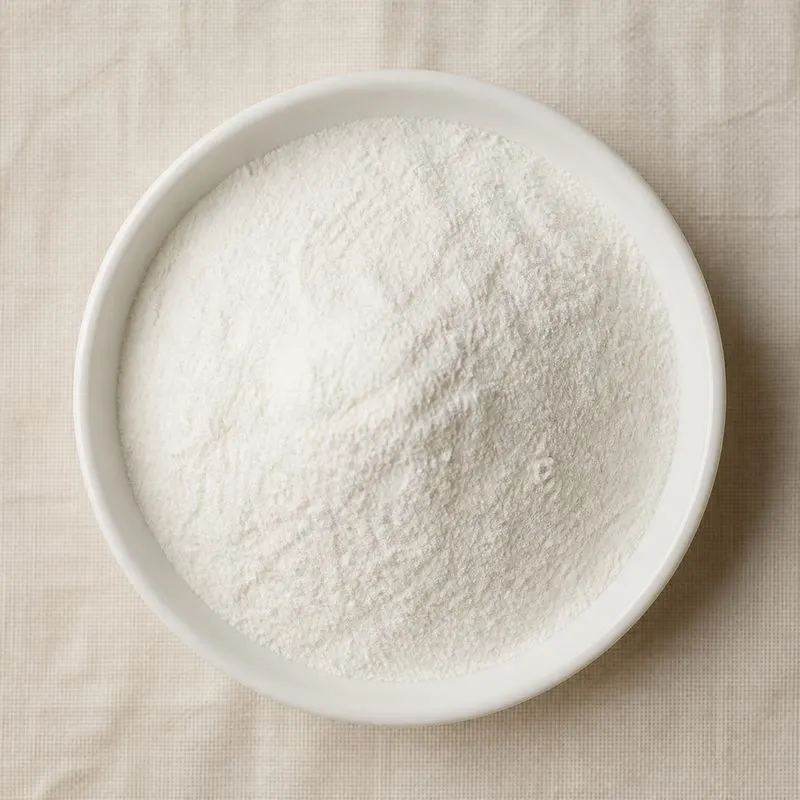
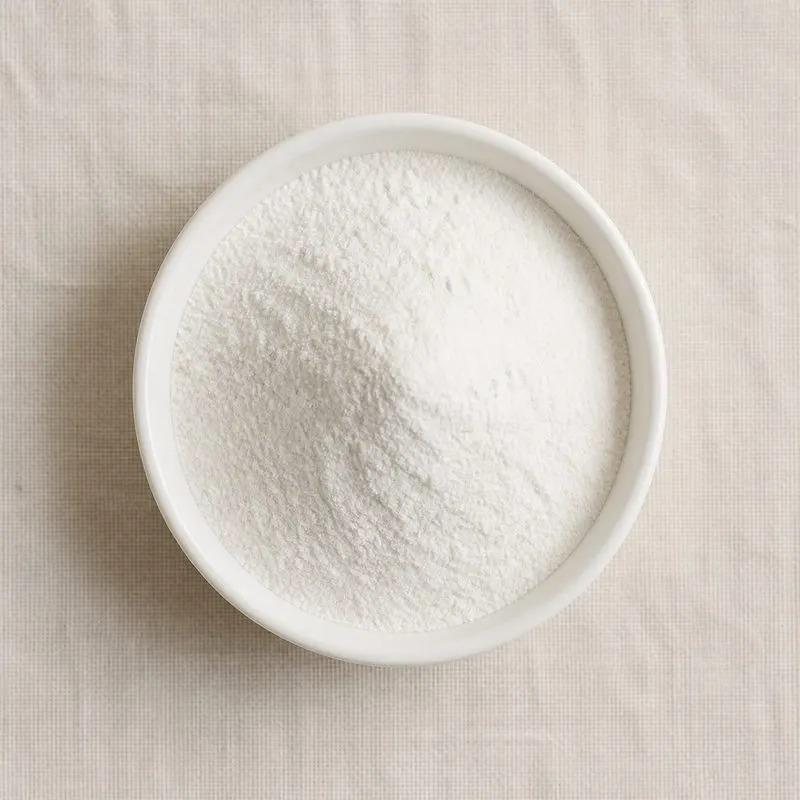
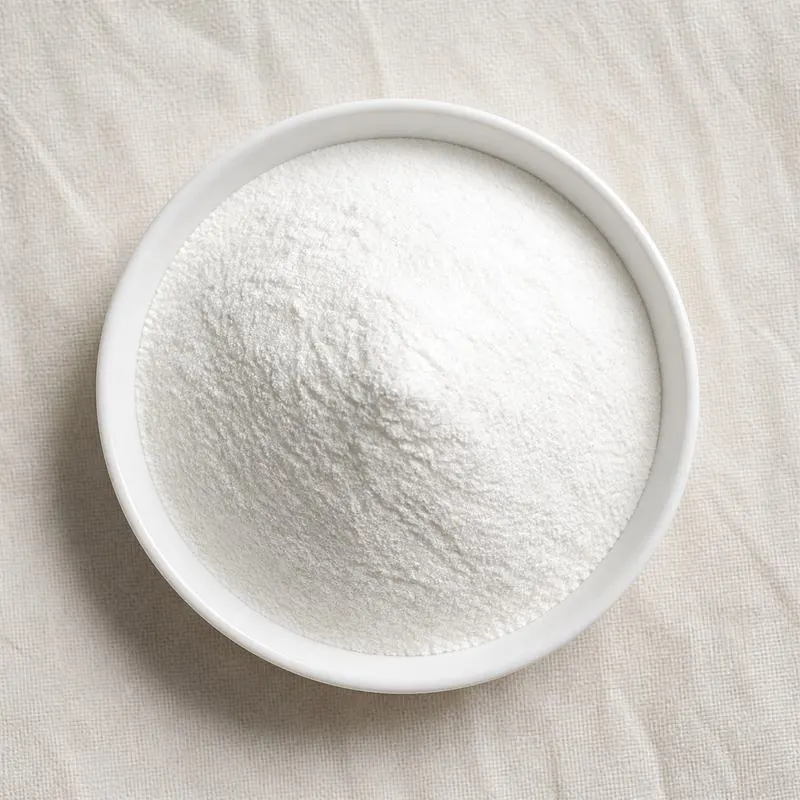
The material is a cream to light beige free flowing powder carrying the faint fermented odour typical of lyophilised lactic cultures and bifidobacteria. Strength is declared as colony forming units per gram rather than as a chemical assay, with a reference concentrate of around 100 billion CFU per gram diluted using maltodextrin or microcrystalline cellulose to the potency the finished dose form requires.
Handling depends on viability rather than on solubility. The dried cells are hygroscopic, and moisture uptake destroys more count than anything else, followed by oxygen, which matters particularly here because bifidobacteria are strict anaerobes, and then by heat. The powder is dosed under low humidity, packed under nitrogen in aluminium foil laminate and held at or below 4 degrees Celsius. It disperses in cold water but is added only after any thermal step, since pasteurisation inactivates the culture.
or call +86-21-6858 0751
- Function
- Probiotic
Specifications
| Item | Specification |
|---|---|
| Appearance | Cream to light beige free flowing powder |
| Odour | Characteristic, faintly fermented |
| Viable Count | Conforms to declared potency, reference grade 100 billion CFU/g |
| Strain Composition | Four Bifidobacterium strains and one Lactobacillus strain, fixed ratio |
| Identification | 16S rRNA sequencing to species, pulsed field gel electrophoresis to strain |
| Loss on Drying | ≤ 5.0% |
| Water Activity | ≤ 0.20 |
| pH, 10% suspension | 4.0 to 6.5 |
| Lead | ≤ 1.0 mg/kg |
| Arsenic | ≤ 1.0 mg/kg |
| Total Plate Count, non probiotic | ≤ 1,000 CFU/g |
| Yeast and Mould | ≤ 100 CFU/g |
| E. coli | Absent in 1 g |
| Salmonella | Absent in 25 g |
| Storage | ≤ 4°C, sealed under nitrogen |
Common Markets Grades
The blend is traded as a standardised freeze dried powder declared at a fixed count per gram at time of manufacture, with a deliberate overage so the label claim still holds at the end of shelf life. A reference concentrate of around 100 billion CFU per gram is the usual trade point, and weaker strengths are the same biomass cut with carrier rather than a different product. The five strain ratio is fixed within the formula and is not offered as a variable.
Physical grades follow the dose form. Plain powder suits sachets and capsules, an agglomerated grade limits dusting and segregation on high speed filling lines, and a microencapsulated grade with a lipid or protein coating is used for chewable tablets and for matrices carrying meaningful water activity. Non-GMO, gluten free, kosher and halal documentation accompanies the standard grades.
Applications
- Cognitive and mood support capsules and tablets, blended dry with excipients under controlled humidity
- Single dose stick packs and sachets, which hold viability behind an individual foil barrier without a cold chain in trade
- Combination supplements with omega-3 powders, B vitamins or plant extracts positioned around focus and mental clarity
- Sleep and stress formulations, where the culture is the live component alongside amino acids or botanicals
- Powdered nutrition drinks and meal replacements, whose low water activity suits long term culture survival
- Chewable tablets, requiring a microencapsulated grade to survive compression and contact with saliva
- Healthy ageing ranges, where the antioxidant positioning of the strains fits the category
- Synbiotic products with galacto-oligosaccharides or fructo-oligosaccharides, which bifidobacteria ferment preferentially
Regulatory Status
In the United States the genera in the blend are used in conventional foods on GRAS conclusions and are marketed as dietary ingredients under the dietary supplement framework. Statements about focus, memory, mood or cognitive performance are structure and function claims subject to supplement labelling rules rather than authorised health claims, and language implying treatment of a cognitive or psychiatric condition would move the product into the drug category. Strain designation and declared viable count are the substantive label obligations.
In the European Union live cultures of this kind are food ingredients rather than additives, so no E number applies. The Bifidobacterium and Lactobacillus species used in commercial probiotics generally hold qualified presumption of safety status at species level under the European Food Safety Authority framework, while the term probiotic itself remains restricted on labels in most member states because no health claim for these cultures carries EU authorisation. Claims relating to psychological function fall under the nutrition and health claims regulation and require authorisation before use. The joint FAO and WHO guidelines on the evaluation of probiotics in food set the accepted international requirements for strain identification, viability declaration and labelling.
Manufacturing Process
Every strain in the formula is grown separately, because the four bifidobacteria and the lactobacillus differ in oxygen tolerance, optimum temperature and medium composition. A working seed vial is expanded through flask and seed fermenter stages into a production vessel charged with a fermentable carbohydrate, a nitrogen source such as yeast extract or a dairy free peptone, and mineral salts. The bifidobacteria are run strictly anaerobic under a nitrogen or carbon dioxide blanket with a reducing agent in the medium, while the lactobacillus is grown microaerophilic, and pH is held near neutral by automatic alkali dosing so that the acid the cultures produce does not stop their own growth.
At harvest each broth is concentrated by continuous centrifugation or membrane filtration to a thick cell cream and blended with cryoprotectants, typically sucrose, trehalose and a protein or hydrocolloid, to stabilise the membranes through freezing. The cream is pelletised in liquid nitrogen or frozen on trays and lyophilised until residual moisture reaches the low single figures. Each dried biomass is milled and assayed for viable count and strain identity, and the five are then blended with carrier to the declared ratio and potency and packed under nitrogen in foil laminate.