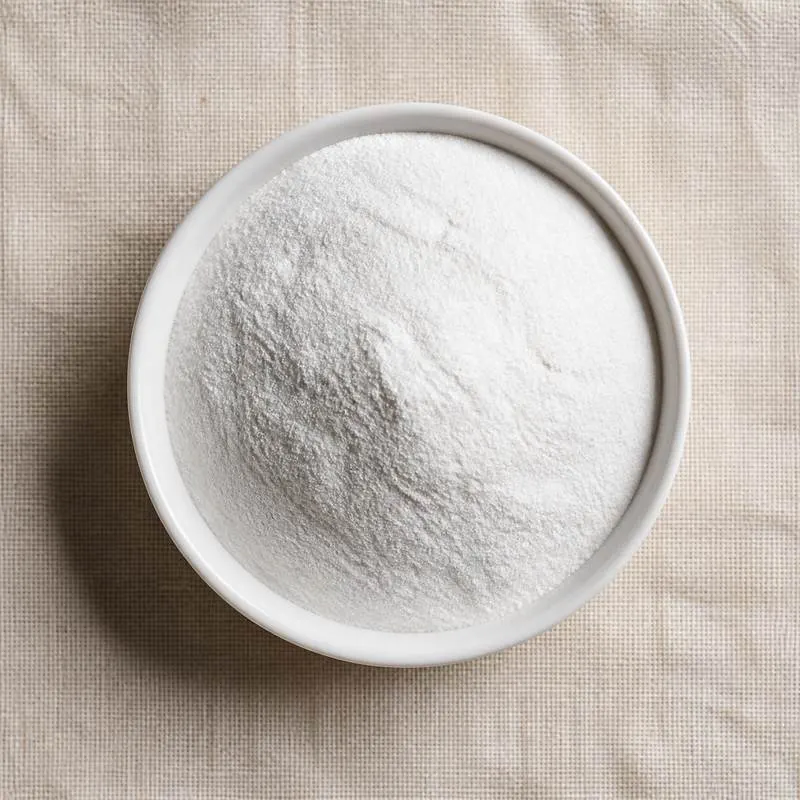
Galacto-Oligosaccharides
Galacto-Oligosaccharides are short-chain prebiotic carbohydrates produced from lactose by enzymatic transgalactosylation.
They are commonly abbreviated GOS and consist of a chain of two to eight galactose units terminated by a single glucose unit, joined predominantly by β-1,4 and β-1,6 glycosidic bonds.
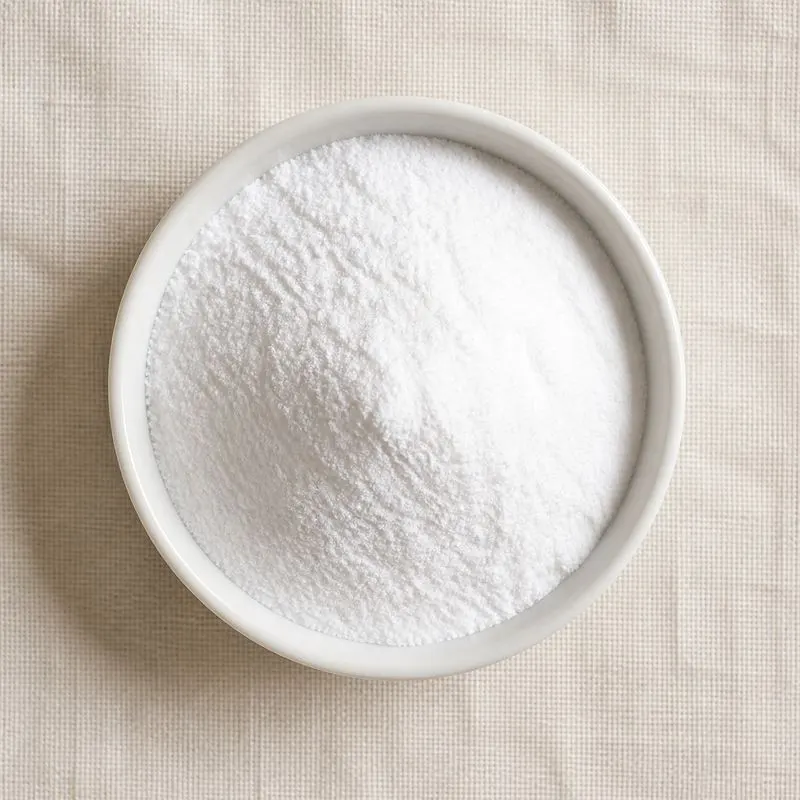
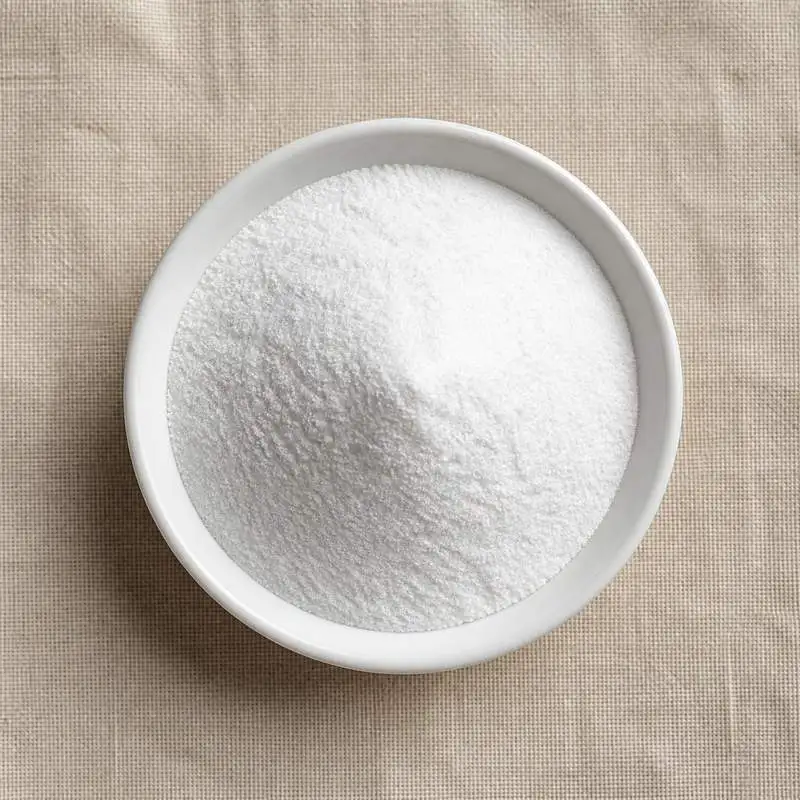
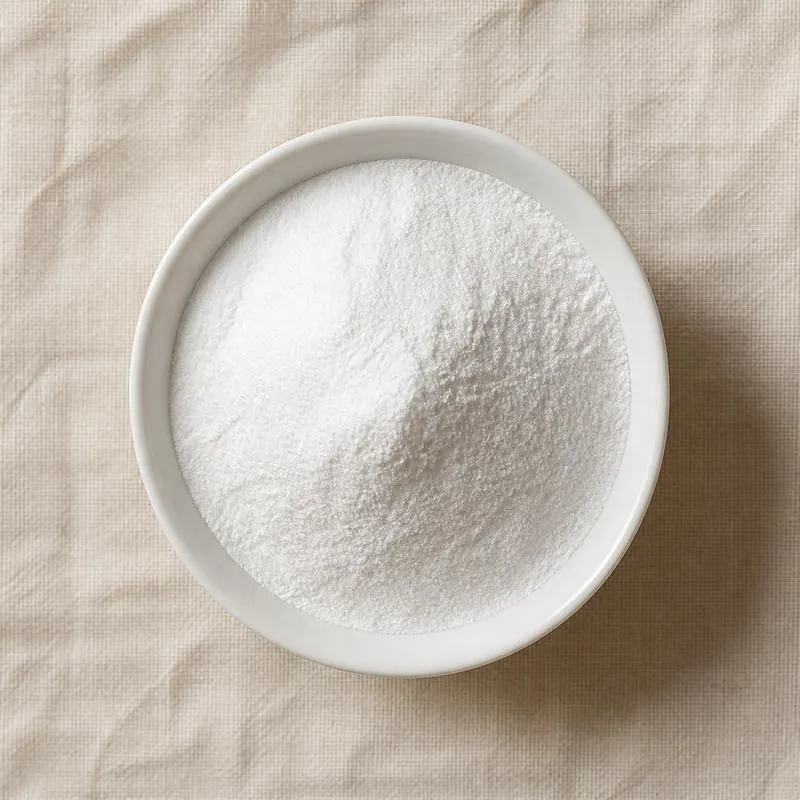
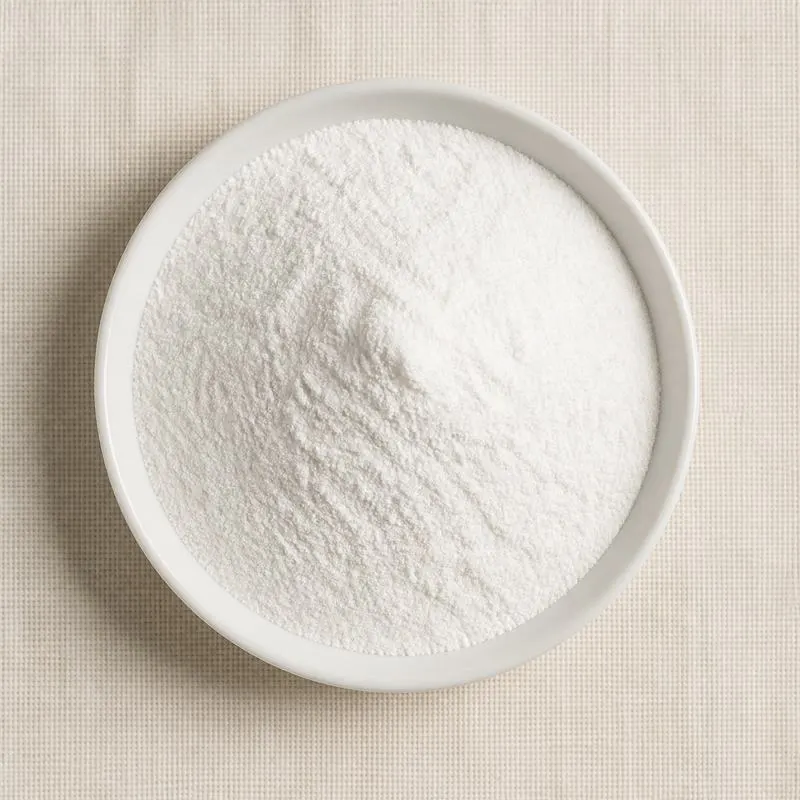
The mixture is a clear, mildly sweet syrup or a free-flowing powder that resists small-intestine digestion and feeds bifidobacteria and lactobacilli in the colon. GOS is the only prebiotic structurally close to the galacto-oligosaccharides naturally present in human milk.
We source bulk Galacto-Oligosaccharides from top China manufacturers for our partners, working with several of them. The manufacturers are in Guangdong, Shandong and Hainan. A smaller requirement can ship in a combined container with other ingredients.
Please send the grade you need, the volume and your destination port, and we will come back with a solution and a price.
or call +86-21-6858 0751

- Packaging
- 250 kg plastic drum or 1,000 kg IBC tote
- ISO 9001
- HACCP
- Halal
- Kosher
Specifications
Grades / Types Available: Food grade
| Item | Specification |
|---|---|
| Appearance | White to off-white powder or clear colorless syrup |
| GOS Content (on dry solids) | ≥ 57.0% (standard) / ≥ 70.0% / ≥ 90.0% (high purity) |
| Lactose | ≤ 23.0% (high-purity grade ≤ 2.0%) |
| Glucose + Galactose | ≤ 20.0% |
| Moisture (powder) | ≤ 5.0% |
| Dry Solids (syrup) | 72.0–75.0% |
| pH (10% solution) | 5.0–7.0 |
| Ash (sulfated) | ≤ 0.5% |
| Heavy Metals (as Pb) | ≤ 0.5 mg/kg |
| Lead (as Pb) | ≤ 0.2 mg/kg |
| Arsenic (as As) | ≤ 0.1 mg/kg |
| Total Plate Count | ≤ 1,000 CFU/g |
| Yeast & Mold | ≤ 50 CFU/g |
| E. coli | Negative/g |
| Salmonella | Negative/25g |
| Purity/Assay | ≥ 90% |
| Moisture/Loss on Drying | ≤ 5% |
Common Markets Grades
Galacto-Oligosaccharides are graded by GOS content and physical form.
Standard syrup grade declares 55 to 60 percent GOS on dry basis, with the balance being lactose, glucose, and galactose. It is the standard form for infant formula manufacture.
Powder grade is produced by spray drying the syrup, often onto a maltodextrin carrier.
High-purity grade declares 70 percent or higher GOS through chromatographic separation, for premium supplement use.
Low-lactose grade is treated with β-galactosidase to convert residual lactose to glucose and galactose for lactose-intolerant consumer applications.
Applications
- Prebiotic in infant follow-on formula and toddler nutrition
- Component of synbiotic infant formulas paired with Bifidobacterium strains
- Functional fibre in adult yogurts and dairy drinks
- Soluble fibre in cereal bars, biscuits, and granolas
- Sweetness and fibre in functional beverages
- Prebiotic in adult digestive health supplements and stick packs
- Synbiotic combinations with probiotic capsules
- Fibre and prebiotic in seniors and immune-support nutrition
- Sweetener-bulker in low-sugar confectionery and chocolate
- Carrier in spray-dried probiotic preparations
- Functional ingredient in pet food for digestive health
Brands Using Galacto-Oligosaccharides
Widely-distributed consumer products that list Galacto-Oligosaccharides on the ingredient label.
- Happy Baby OrganicsOrganic Infant Formula Stage 1 ↗Listed: 'Organic lactose, organic nonfat milk, organic galactooligosaccharides*, organic palm oil...' (* a type of prebiotic)Label verified 2026-05-24
- BimunoBimuno Immunity (1-month) ↗Listed: 'Galactooligosaccharides (GOS) derived from lactose (milk), galactose (milk)...'Label verified 2026-05-24
Brand names, product names and logos are the property of their owners. They appear here as published evidence that the ingredient is used, taken from the brand's own label or website. Their appearance is not an endorsement, and it does not mean the brand buys from us or from any manufacturer listed on this site.
China Manufacturers of Galacto-Oligosaccharides
Top Galacto-Oligosaccharides manufacturers in China.
- Captain (Hainan) Food Technology Co., Ltd.3 ingredients in the directory
 New Francisco (Yunfu City) Biotechnology Corporation Limited2 ingredients in the directory
 Quantum Hi-tech (Guangdong) Biological Co., Ltd.2 ingredients in the directory
 Shandong Bailong Chuangyuan Bio-tech Co., Ltd.8 ingredients in the directory
 Shandong Starlight So True Biotechnology Co., Ltd.9 ingredients in the directory
Company names and logos are the property of the manufacturers themselves. They are listed here because our own directory records them as producing this ingredient. A listing is not an endorsement by them, and we do not represent them or speak on their behalf.
How We Help Source Galacto-Oligosaccharides
Direct Factory Sourcing
We run the whole process: selecting the manufacturer from the top Chinese food ingredient producers, negotiating the price, verifying quality, and coordinating the logistics. You deal with us instead of with several factories at once.
Original Packaging and Documents from the Manufacturer
The manufacturer sends your Galacto-Oligosaccharides out of its own factory in the original packing, through to your destination port. The COA, COO, MSDS, TDS and any certifications reach you from the manufacturer as well.
Free Samples and Lead Time
We send 100 to 500 g free for your own laboratory to test and you cover only the courier, usually within 2 to 3 working days. ETD is usually within 7 to 15 days once the order is confirmed, and we check that date against the factory's own manufacturing schedule before we give it to you.
Combined Shipment
We can load Galacto-Oligosaccharides together with other ingredients such as Fructooligosaccharides, Dextrose and Dextrose Monohydrate into one 20' FCL. If your quantity is small, we can also ship LCL.
Regulatory Status
Galacto-Oligosaccharides are recognised as a food ingredient and dietary fibre in most major markets, generally without an E number.
The U.S. FDA accepts GOS as a GRAS ingredient (GRN 000236 and others) for use including infant formula. FDA confirmed in 2018 that GOS qualifies as a dietary fibre under the revised Nutrition Facts panel.
EFSA has reviewed GOS for use in infant formula and follow-on formula.
Japan recognises GOS under the Foods for Specified Health Use framework.
Manufacturing Process
Galacto-Oligosaccharides are produced from lactose by enzymatic transgalactosylation.
A concentrated lactose syrup (typically 40 to 60 percent solids) is incubated with β-galactosidase (from Bacillus circulans, Kluyveromyces lactis, or Aspergillus oryzae) at elevated temperature.
Under high substrate concentration the enzyme transfers galactose units from lactose onto other lactose molecules instead of hydrolysing them to glucose and galactose, building short-chain galacto-oligosaccharides.
The reaction is stopped by enzyme inactivation. The crude mixture contains GOS together with residual lactose, glucose, and galactose.
The mixture is purified by carbon treatment and ion exchange. For high-purity grades, chromatography removes residual mono- and disaccharides.