Propionyl L-Carnitine HCl
Propionyl L-Carnitine HCl is the hydrochloride salt of the propionyl ester of L-carnitine, abbreviated PLCAR or PLC. The propionyl group gives the molecule a distinctive affinity for vascular endothelium and skeletal muscle, and the clinical research base sits in peripheral arterial disease, intermittent claudication, and erectile function rather than the central nervous system applications of the acetyl ester.
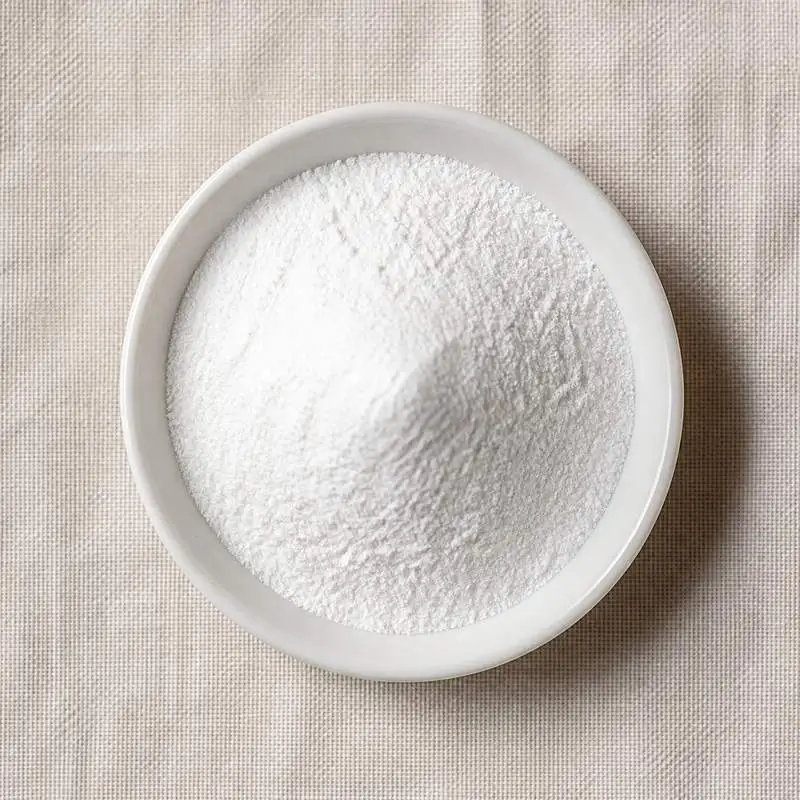
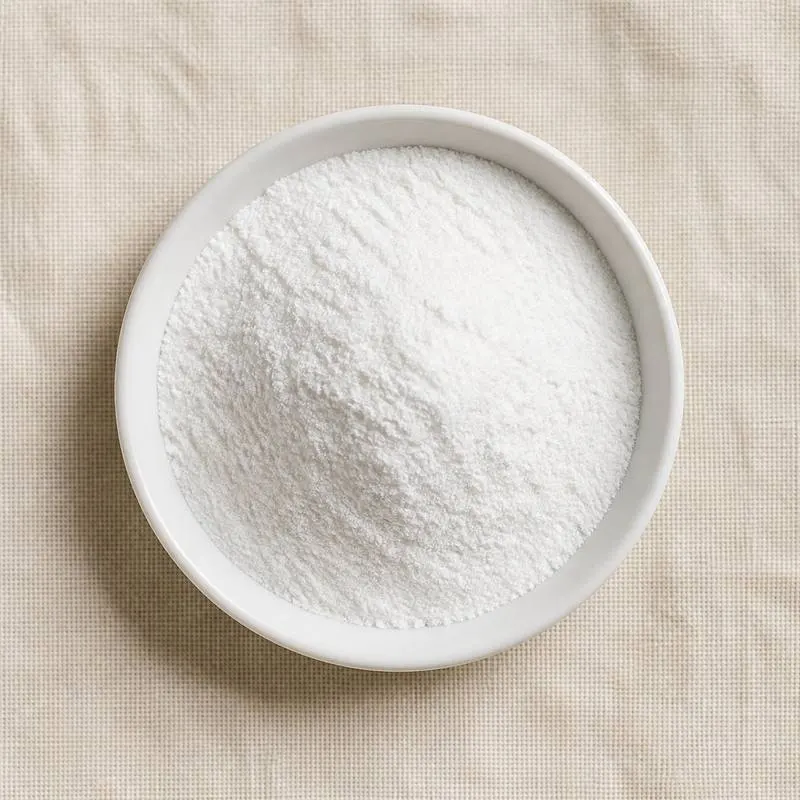
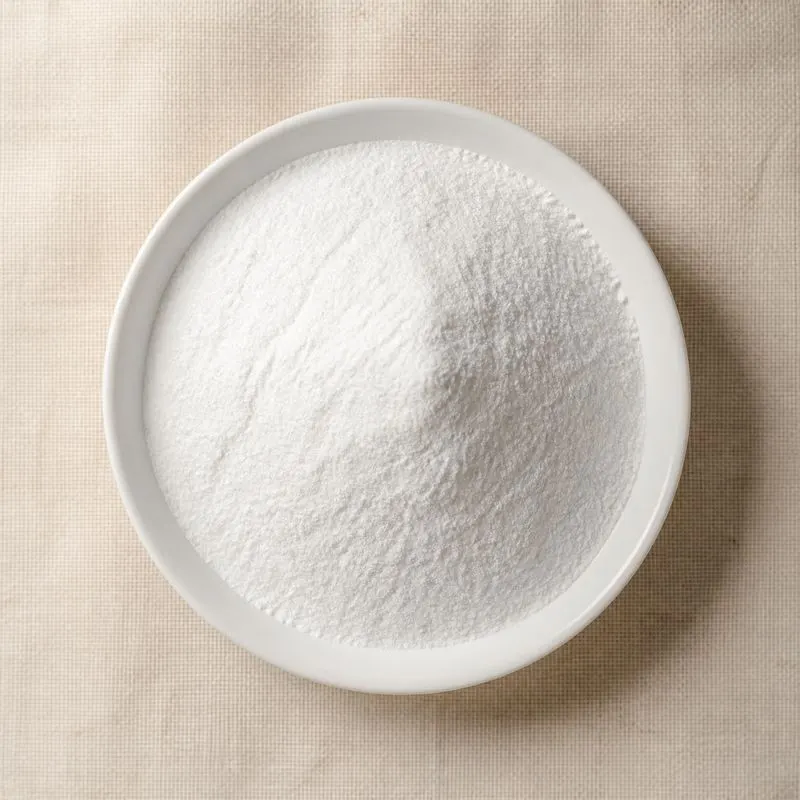
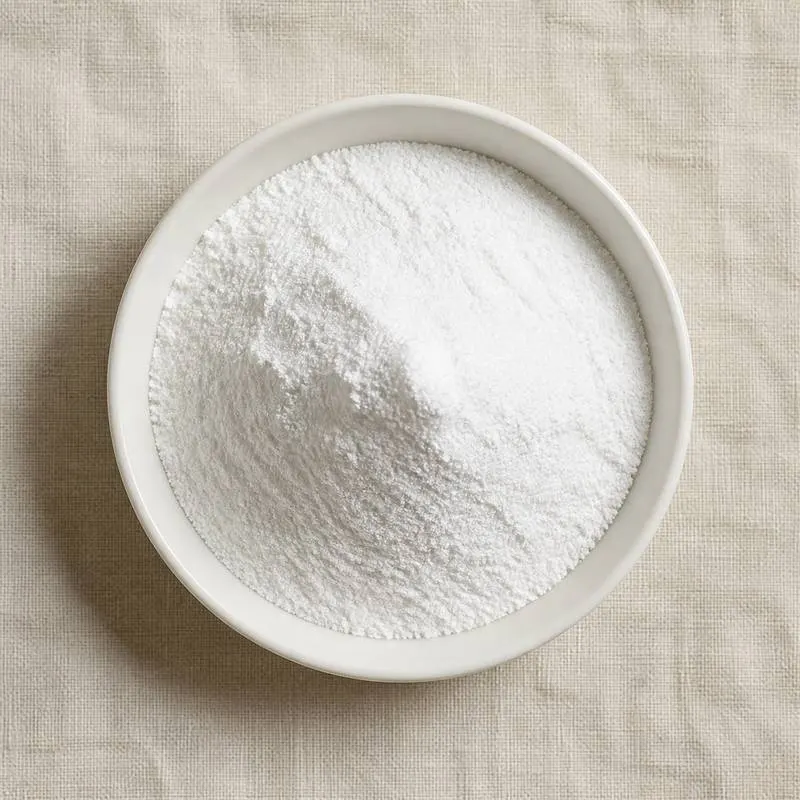
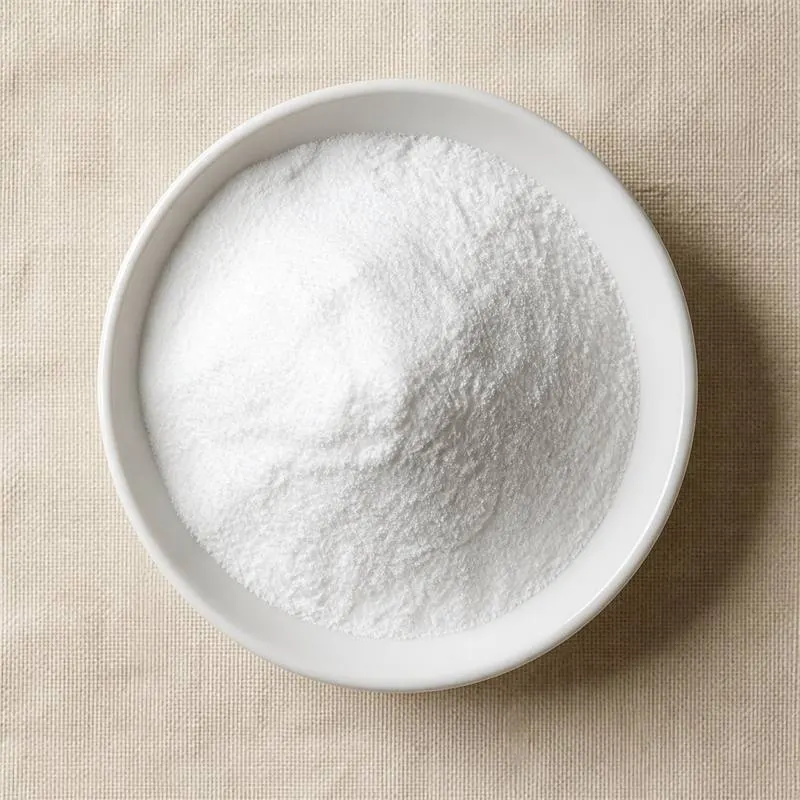
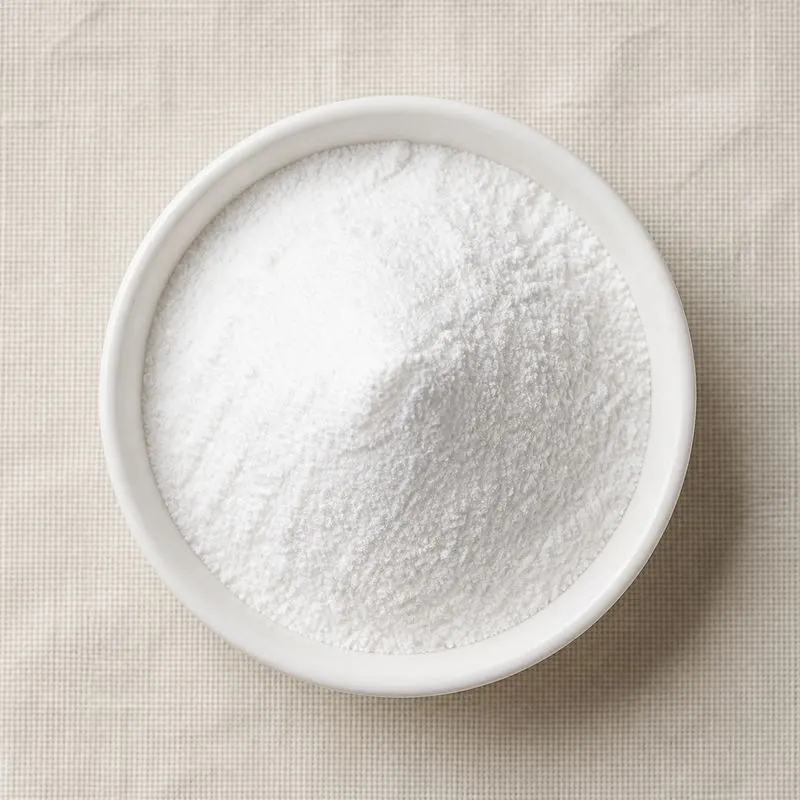
The HCl salt is a white crystalline powder, freely water soluble, and sold for both nutraceutical and pharmaceutical use.
We source bulk Propionyl L-Carnitine HCl from top China manufacturers for our partners, working with several of them. The manufacturers are in Liaoning and Hubei. A smaller requirement can ship in a combined container with other ingredients.
Please send the grade you need, the volume and your destination port, and we will come back with a solution and a price.
or call +86-21-6858 0751
- Packaging
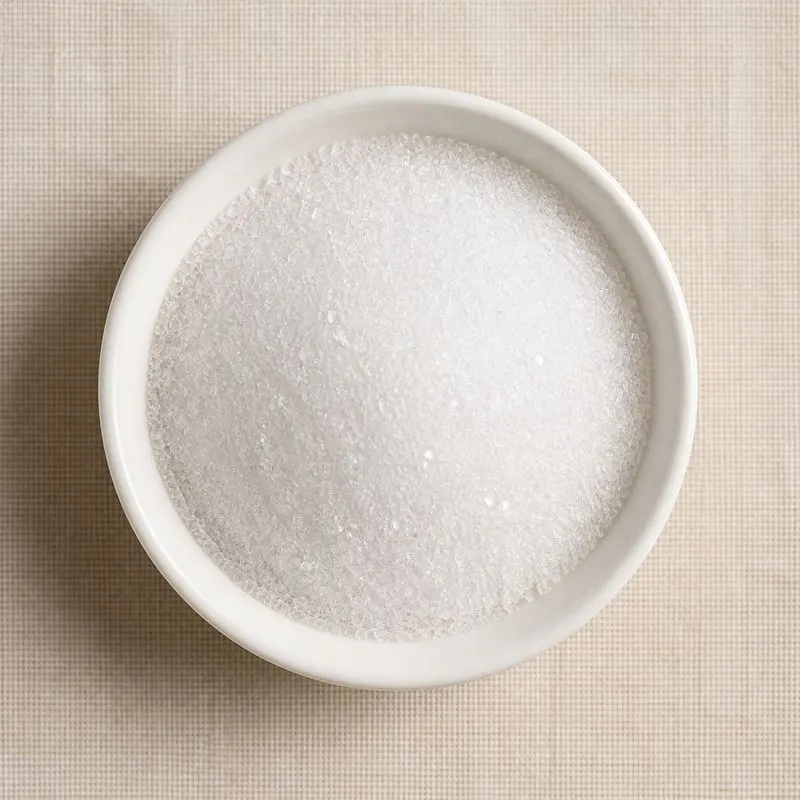
- 25 kg kraft paper bag with PE inner liner
- ISO 9001
- HACCP
- Halal
- Kosher
Specifications
| Item | Specification |
|---|---|
| Appearance | White to off-white crystalline powder |
| Assay (anhydrous basis, HPLC) | 98.0–102.0% |
| Specific Rotation [α]D²⁰ | -13.0° to -16.0° (c = 1, water) |
| Water (Karl Fischer) | ≤ 1.0% |
| Residue on Ignition | ≤ 0.5% |
| pH (5% solution, 25°C) | 3.0–4.5 |
| Free L-Carnitine | ≤ 1.0% |
| D-Isomer | ≤ 0.5% |
| Propionic Acid | ≤ 0.5% |
| Chloride (as Cl) | 13.5–14.5% |
| Heavy Metals (as Pb) | ≤ 10 mg/kg |
| Lead (as Pb) | ≤ 1 mg/kg |
| Arsenic (as As) | ≤ 1 mg/kg |
| Total Plate Count | ≤ 1,000 CFU/g |
| E. coli | Negative/25g |
Common Markets Grades
Two qualities of Propionyl L-Carnitine HCl are traded, supplement and pharmaceutical.
Supplement grade assays at 98.0 to 102.0 percent with controls on D-isomer, free L-carnitine, residual solvents, propionic acid, and heavy metals. Particle size is typically a fine powder suitable for capsule fill or tablet compression.
Pharmaceutical grade is produced under cGMP for registered medicinal products in markets where PLCAR is approved, including parts of the European Union and Latin America for peripheral vascular indications.
The propionyl ester is somewhat less hydrolytically stable than the acetyl ester and is hygroscopic, which makes packaging in foil-laminated pouches or aluminium bottles with desiccant essential for long shelf life.
Applications
- Cardiovascular-support supplements targeting peripheral circulation
- Intermittent-claudication and walking-distance formulations in pharmacist channels
- Male sexual-health supplements alongside L-arginine and L-citrulline
- Athletic-endurance products positioned around blood flow
- Recovery formulations for vascular and muscle support
- Erectile-function supplement blends
- Female sexual-wellness formulations
- Diabetic-foot and peripheral neuropathy support supplements
- Combined cardiovascular blends with coenzyme Q10 and ALCAR
- Pharmaceutical oral solid dosage forms in PLCAR-registered medicinal products
- Senior-nutrition supplements with a vascular health angle
- Nitric-oxide booster stacks alongside beetroot extract
Brands Using Propionyl L-Carnitine HCl
Widely-distributed consumer products that list Propionyl L-Carnitine HCl on the ingredient label.
Brand names, product names and logos are the property of their owners. They appear here as published evidence that the ingredient is used, taken from the brand's own label or website. Their appearance is not an endorsement, and it does not mean the brand buys from us or from any manufacturer listed on this site.
China Manufacturers of Propionyl L-Carnitine HCl
Top Propionyl L-Carnitine HCl manufacturers in China.
 Hubei Grand Life Science & Technology Co., Ltd.6 ingredients in the directory
 Kaiyuan Hengtai Nutrition Co., Ltd.9 ingredients in the directory
 Liaoning Koncepnutra Co., Ltd.11 ingredients in the directory
Company names and logos are the property of the manufacturers themselves. They are listed here because our own directory records them as producing this ingredient. A listing is not an endorsement by them, and we do not represent them or speak on their behalf.
How We Help Source Propionyl L-Carnitine HCl
Direct Factory Sourcing
We run the whole process: selecting the manufacturer from the top Chinese food ingredient producers, negotiating the price, verifying quality, and coordinating the logistics. You deal with us instead of with several factories at once.
Original Packaging and Documents from the Manufacturer
The manufacturer sends your Propionyl L-Carnitine HCl out of its own factory in the original packing, through to your destination port. The COA, COO, MSDS, TDS and any certifications reach you from the manufacturer as well.
Free Samples and Lead Time
We send 100 to 500 g free for your own laboratory to test and you cover only the courier, usually within 2 to 3 working days. ETD is usually within 7 to 15 days once the order is confirmed, and we check that date against the factory's own manufacturing schedule before we give it to you.
Combined Shipment
We can load Propionyl L-Carnitine HCl together with other ingredients such as Glycine, L-Arginine and L-Leucine into one 20' FCL. If your quantity is small, we can also ship LCL.
Regulatory Status
Propionyl L-Carnitine HCl is marketed as a dietary supplement ingredient in the United States and as a food supplement in much of the European Union.
It is also registered as a prescription medicinal product in Italy and several other European markets under brand names including Dromos, for the treatment of peripheral arterial disease and intermittent claudication.
It is not separately listed for general GRAS food use and is not approved for infant formula. Supplement use levels are typically 500 to 2000 mg per day, often in combination with acetyl-L-carnitine.
Pharmacopoeial coverage is through national monographs and through cGMP-grade specifications issued by qualified manufacturers. Halal and Kosher certifications are routinely available.
Manufacturing Process
Propionyl L-Carnitine HCl is manufactured by propionylation of L-carnitine using propionic anhydride or propionyl chloride in a controlled solvent system, followed by salt formation with hydrochloric acid.
The L-carnitine starting material is sourced from the Lonza asymmetric synthesis or biocatalytic routes. Propionylation is run with stoichiometric control to limit di-propionylation and to minimise residual propionic acid in the final material.
Workup involves extraction, crystallisation from aqueous-alcohol mixtures, washing with cold acetone or isopropanol, and vacuum drying at low temperature to protect the ester linkage from premature hydrolysis.
Chiral purity is verified by chiral HPLC and ester content is confirmed by NMR or HPLC. Residual propionic acid is monitored by headspace GC because trace amounts give an unpleasant cheese-like odour.