Dry Vinegar
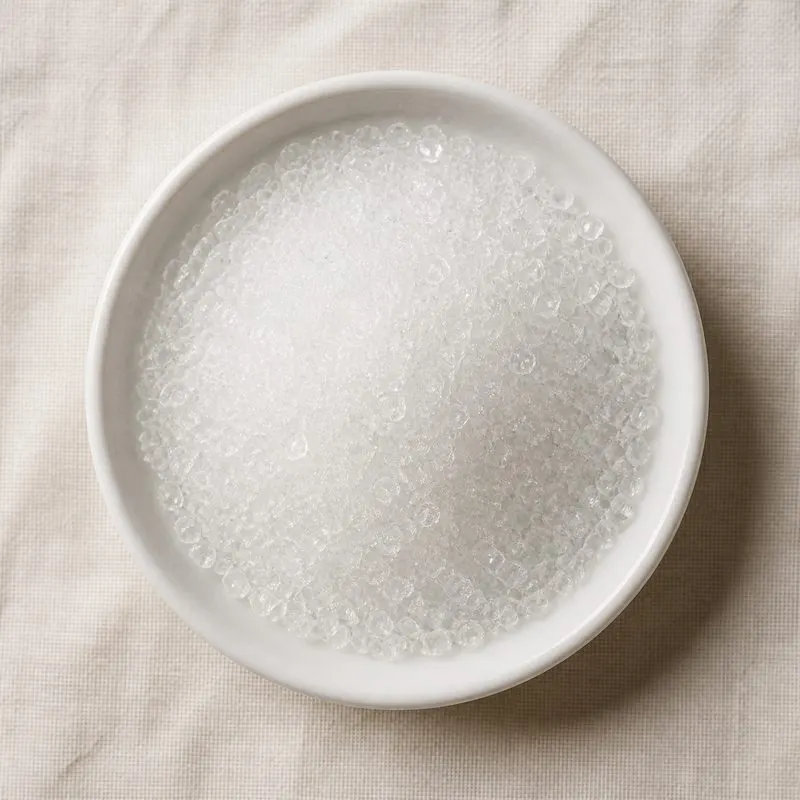
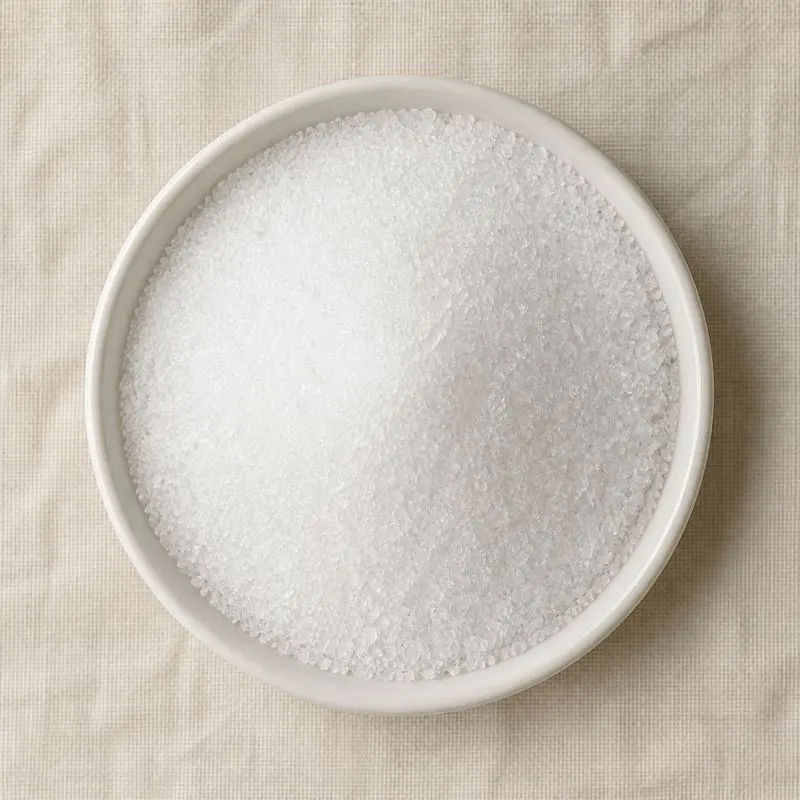
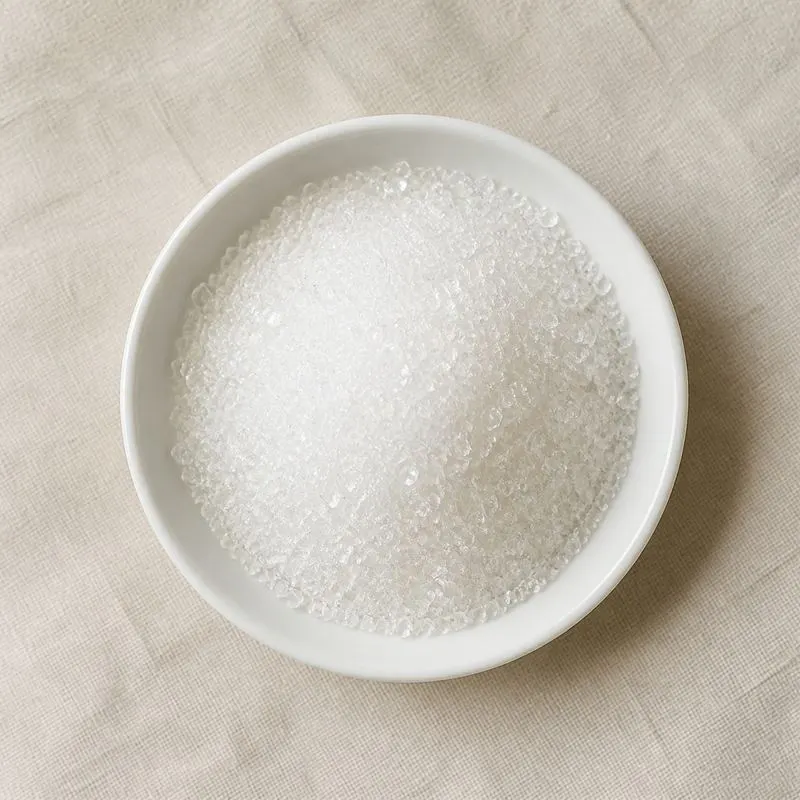
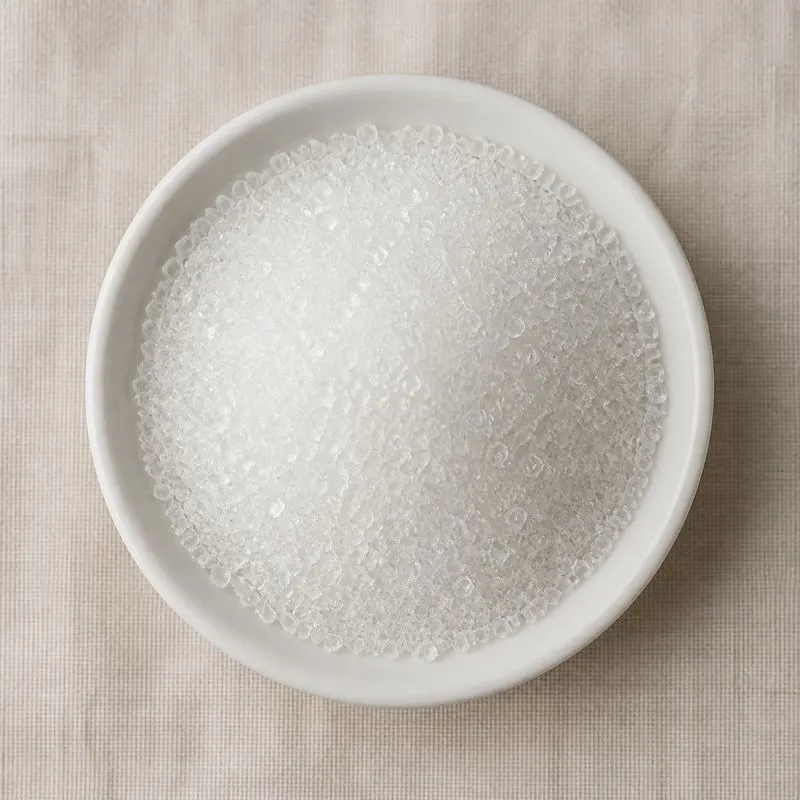
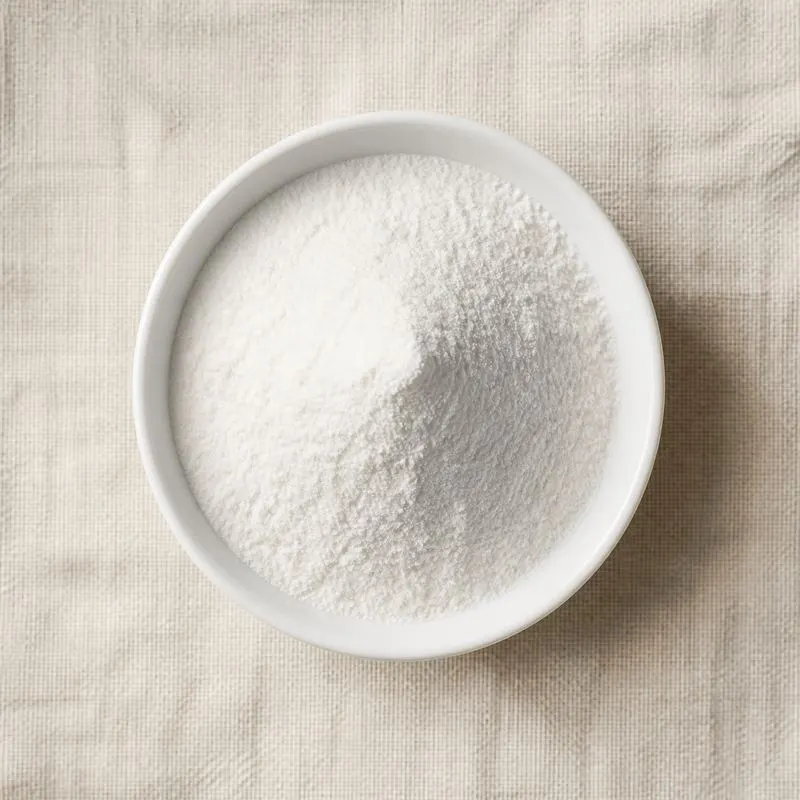
Dry Vinegar is a free-flowing powder produced by spray-drying liquid vinegar onto a food-grade carrier, most commonly maltodextrin. It delivers the tart, fermented note of acetic acid in a stable, easy-to-handle solid form.
Typical commercial powders carry between 5 and 11 percent acetic acid by weight, with the balance made up of carrier solids, residual moisture, and natural fermentation co-products. The powder is hygroscopic and behaves as a controlled-release acidulant once rehydrated in the final food matrix.
We source bulk Dry Vinegar from top China manufacturers for our partners. The manufacturer is in Zhejiang. A smaller requirement can ship in a combined container with other ingredients.
Please send the grade you need, the volume and your destination port, and we will come back with a solution and a price.
or call +86-21-6858 0751
- Packaging
- 25 kg kraft paper bag with PE inner liner
- ISO 9001
- HACCP
- Halal
- Kosher
Specifications
| Item | Specification |
|---|---|
| Appearance | White to cream free-flowing powder |
| Acetic Acid Content (as % acetic acid) | 4.0–10.0% (or per specification) |
| Carrier | Maltodextrin / Modified Starch |
| Moisture | ≤ 5.0% |
| pH (10% solution) | 2.5–4.0 |
| Particle Size | ≥ 90% through 80 mesh |
| Heavy Metals (as Pb) | ≤ 10 mg/kg |
| Lead (as Pb) | ≤ 2 mg/kg |
| Arsenic (as As) | ≤ 1 mg/kg |
| Total Plate Count | ≤ 10,000 CFU/g |
| Yeast & Mold | ≤ 100 CFU/g |
| E. coli | Negative/g |
| Salmonella | Negative/25g |
Common Markets Grades
Dry Vinegar is graded by acetic-acid loading and by carrier system.
The 5 percent grade is the entry tier, designed as a drop-in replacement for liquid white vinegar in dry blends, seasoning rubs, and shaker jars. It carries a mild tang and resists clumping at moderate humidity.
The 8 percent grade is the standard format for snack seasonings, salt-and-vinegar coatings, and meat marinades. The higher acid loading reduces inclusion rate, which frees up space in flavour systems where capacity is limited.
The 11 percent grade is the most concentrated commercial tier and is used in flavour concentrates, dressing mixes, and pickling premixes. It is the most hygroscopic of the three and is normally packed in moisture-barrier liners.
Particle size for all three tiers is usually in the 40 to 100 mesh range, with finer grades available for spice rubs and coarser granular forms for visible-particulate seasonings. Carriers other than maltodextrin include modified food starch, gum acacia, and rice flour for clean-label or allergen-restricted applications.
Applications
- Salt-and-vinegar potato chip and tortilla chip seasonings
- Dry seasoning rubs for poultry, pork, and beef
- Powdered salad dressing and vinaigrette mixes
- Pickling premixes and dry brine blends for home and commercial use
- Sauce and gravy base powders requiring a tart back-note
- Dehydrated soup and instant noodle seasoning sachets
- Meat marinade dry packs and jerky cure blends
- Snack cracker and pretzel topical seasonings
- Condiment powders for foodservice portion packets
- Dry mustard and horseradish blends for shelf-stable presentation
- Flavour systems for plant-based meat analogues
- Pet treat coatings where a tangy savory profile is desired
Brands Using Dry Vinegar
Widely-distributed consumer products that list Dry Vinegar on the ingredient label.
- Kettle BrandSea Salt & Vinegar Potato Chips ↗Vinegar Powder (Corn Maltodextrin, Distilled White Vinegar)Label verified 2026-05-24
- Kettle BrandAir Fried Sea Salt & Vinegar Potato Chips ↗Vinegar Powder (Maltodextrin, White Distilled Vinegar)Label verified 2026-05-24
- McCormick (OLD BAY)OLD BAY Malt Vinegar Seasoning ↗Malt Vinegar Powder (Corn Maltodextrin, Malt Vinegar (Barley))Label verified 2026-05-24
- McCormick (Lawry's)Lawry's Salt & Pepper Vinegar Seasoning ↗Vinegar Powder with Corn Maltodextrin carrierLabel verified 2026-05-24
Brand names, product names and logos are the property of their owners. They appear here as published evidence that the ingredient is used, taken from the brand's own label or website. Their appearance is not an endorsement, and it does not mean the brand buys from us or from any manufacturer listed on this site.
China Manufacturers of Dry Vinegar
Top Dry Vinegar manufacturers in China.

Company names and logos are the property of the manufacturers themselves. They are listed here because our own directory records them as producing this ingredient. A listing is not an endorsement by them, and we do not represent them or speak on their behalf.
How We Help Source Dry Vinegar
Direct Factory Sourcing
We run the whole process: selecting the manufacturer from the top Chinese food ingredient producers, negotiating the price, verifying quality, and coordinating the logistics. You deal with us instead of with several factories at once.
Original Packaging and Documents from the Manufacturer
The manufacturer sends your Dry Vinegar out of its own factory in the original packing, through to your destination port. The COA, COO, MSDS, TDS and any certifications reach you from the manufacturer as well.
Free Samples and Lead Time
We send 100 to 500 g free for your own laboratory to test and you cover only the courier, usually within 2 to 3 working days. ETD is usually within 7 to 15 days once the order is confirmed, and we check that date against the factory's own manufacturing schedule before we give it to you.
Combined Shipment
We can load Dry Vinegar together with other ingredients such as Calcium Acetate, Citric Acid and Glucono-Delta-Lactone into one 20' FCL. If your quantity is small, we can also ship LCL.
Regulatory Status
Dry Vinegar is regulated as a food ingredient rather than a food additive in most jurisdictions, on the basis that vinegar itself is a traditional food.
In the United States it falls under the FDA standard of identity for vinegar in 21 CFR 169 and is 0 (1) when produced from food-grade raw materials. The carrier (maltodextrin, modified starch, gum acacia) carries its own GRAS status.
In the European Union, vinegar is governed by national food laws rather than an E-number framework. The carrier is declared by name on the ingredient label, alongside acetic acid percentage where relevant.
Codex Alimentarius recognises vinegar in its general standards for condiments and seasonings. JECFA has not assigned a specific evaluation because acetic acid and the typical carriers are accepted food substances.
Halal and Kosher certifications are widely available, provided the source vinegar is fermented from a permitted feedstock (most commonly grain alcohol or sugar). Non-GMO and organic variants are produced from corresponding feedstocks and certified carriers.
Manufacturing Process
Manufacture starts with food-grade white distilled vinegar, normally standardised to 10 to 20 percent acetic acid.
The liquid vinegar is blended with a dissolved carrier solution under controlled temperature. Maltodextrin with a dextrose equivalent in the 10 to 20 range is the most common carrier because it balances film-forming ability with low hygroscopicity.
The blended slurry is fed to a spray dryer where it is atomised into a stream of heated air. Inlet temperatures are kept moderate (typically 160 to 180 degrees Celsius) and outlet temperatures around 80 to 90 degrees Celsius to minimise volatilisation of the acetic acid. The resulting powder is collected at the base of the drying chamber and through a cyclone separator.
The powder is then sized, blended for uniform acid content, and packed under low-humidity conditions. Fluidized-bed agglomeration is sometimes added as a finishing step to improve flow and reduce dustiness for direct consumer formats.