Rose Extract
Rose Extract is a concentrated preparation from the fresh or dried petals of Rosa damascena Mill. and to a lesser extent Rosa centifolia L., produced as a water-soluble extract, an alcoholic tincture, or a spray-dried powder.
The aromatic and active profile centres on 2-phenylethanol, geraniol, citronellol, and nerol from the residual volatile fraction, alongside non-volatile flavonoids (quercetin and kaempferol glycosides), gallotannins, and anthocyanins from the pigmented petal tissue.
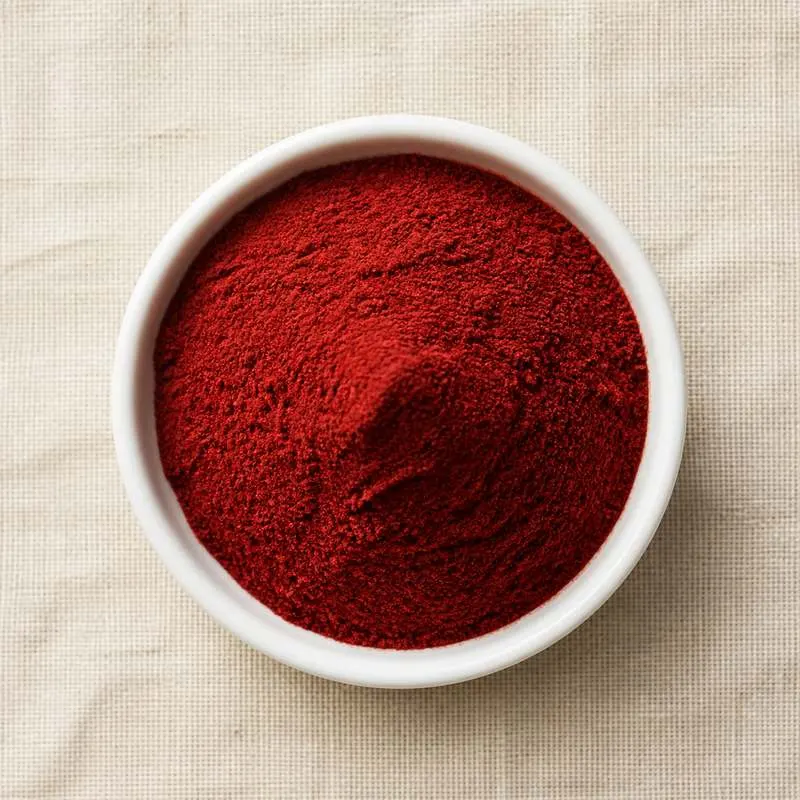
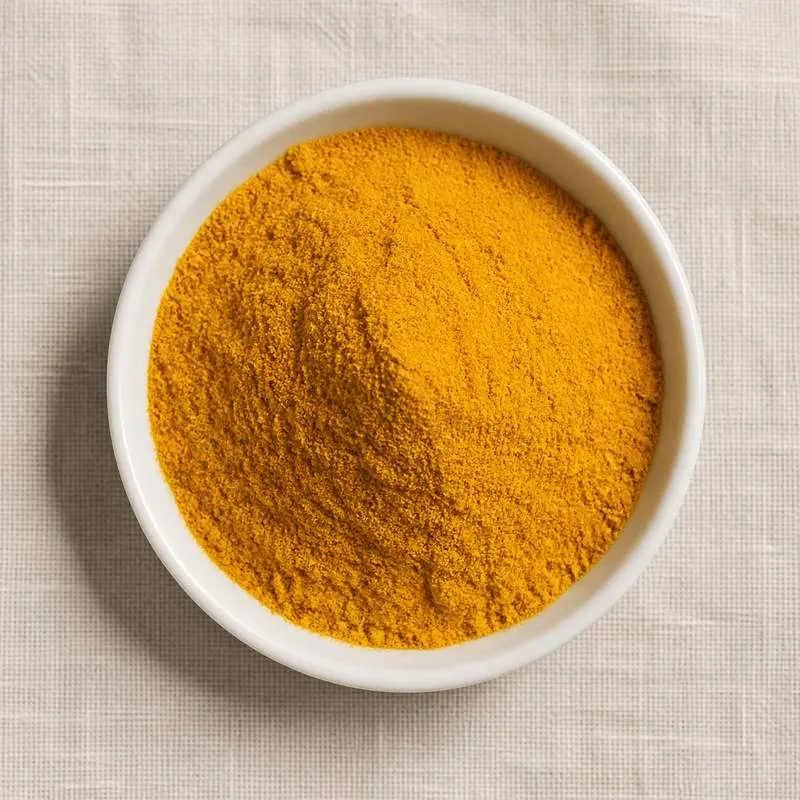
Liquid extracts range from pale pink to deep ruby. Spray-dried powders are pink to beige depending on carrier load.
We source bulk Rose Extract from top China manufacturers for our partners. The manufacturer is in Zhejiang. A smaller requirement can ship in a combined container with other ingredients.
Please send the grade you need, the volume and your destination port, and we will come back with a solution and a price.
or call +86-21-6858 0751
- Packaging
- 25 kg fibre drum with double PE liner
- ISO 9001
- HACCP
- Halal
- Kosher
Specifications
| Item | Specification |
|---|---|
| Appearance | Pink to beige free-flowing powder; liquid grades pale pink to deep ruby |
| Botanical Source | Rosa damascena Mill. petals; Rosa centifolia L. on request |
| Total Polyphenols (Folin-Ciocalteu, as gallic acid) | ≥ 5.0%, standardised 5 to 20% by grade |
| Total Flavonoid Glycosides (HPLC, as quercetin and kaempferol) | ≥ 1.0% |
| Extract Ratio | 1:1 to 1:4 native; powders carried on maltodextrin, gum arabic or cyclodextrin |
| Extraction Solvent | Water or ethanol-water, 25 to 60% ethanol |
| Loss on Drying | ≤ 5.0% |
| Total Ash | ≤ 5.0% |
| Particle Size | 100% through 80 mesh |
| Residual Solvent (Ethanol, powder grades) | ≤ 0.5% |
| Pesticide Residue | Conforms to EC 396/2005 |
| Heavy Metals (as Pb) | ≤ 2 mg/kg |
| Total Plate Count | ≤ 1,000 cfu/g |
| Yeast and Mould | ≤ 100 cfu/g |
| Salmonella | Negative/25g |
Common Markets Grades
Rose Extract comes in several formats, each matched to the application.
Hydroethanolic liquid extracts at 1:1 to 1:4 native ratio are the standard format for cosmetic and flavour use. Ethanol content typically sits between 25 and 60 percent.
Water-only extracts and rose hydrosol concentrates serve alcohol-free personal care, baby care, and certified halal product lines.
Spray-dried powders are standardised to total polyphenols (often 5 to 20 percent by Folin-Ciocalteu) and sold on maltodextrin, gum arabic, or cyclodextrin carriers for capsule, sachet, and tablet formats.
Higher grades quantify 2-phenylethanol, geraniol, and citronellol by GC and report an authenticated profile against ISO benchmarks for the parent oil.
Rosa damascena material is typically Bulgarian, Turkish, or Iranian in origin. Rosa centifolia comes mainly from Grasse (France) and Morocco. Origin and species are declared on the certificate.
Applications
- Skincare toners, mists, and essences using rose hydrosol and polyphenol content
- Anti-aging and brightening serums, creams, and masks
- Eye-care and sensitive-skin formulations for soothing positioning
- Colour cosmetics including lip tints and cheek balms with floral notes
- Hair-care leave-ins and scalp tonics
- Fine fragrance and personal-fragrance products as a natural rose accord
- Bath salts, shower gels, and bath oils in floral and spa lines
- Confectionery: Turkish delight, marzipan, rose-flavoured chocolates and gummies
- Bakery: macarons, cakes, and pastries with floral notes
- Beverage: rose lemonades, lattes, cocktails, and herbal tea blends
- Dietary supplements positioned around antioxidant and women's wellness
- Traditional Ayurvedic and Middle Eastern food preparations including jams and syrups
Brands Using Rose Extract
Widely-distributed consumer products that list Rose Extract on the ingredient label.
- FreshRose Face Mask (100 mL) ↗Fresh's Rose Face Mask contains damask rose (Rosa damascena) extract with real rose petals, rosewater, cucumber and aloe.Label verified 2026-05-24
- Dr. HauschkaRose Day Cream ↗Dr. Hauschka's Rose Day Cream is built on rose petal extract with wild rose hip and rose hip seed oil, and has been made since 1967.Label verified 2026-05-24
- WeledaWild Rose Smoothing Day Cream ↗Weleda's official Smoothing Day Cream with Wild Rose & White Tea uses wild rose extract (with rosehip seed oil) as the lead botanical for moisture and first-signs-of-aging support.Label verified 2026-05-24
- KorresApothecary Wild Rose 15% Vitamin C Spotless Serum ↗Korres' Apothecary Wild Rose Spotless Serum combines wild rose oil and Rosa damascena extracts with 15% vitamin C for brightening and tone, the brand's hero rose-extract skincare line.Label verified 2026-05-24
- Mario BadescuRose Hips Nourishing Oil ↗A facial oil-serum built on rose hips extract (Rosa canina) with rosehip oil.Label verified 2026-05-24
Brand names, product names and logos are the property of their owners. They appear here as published evidence that the ingredient is used, taken from the brand's own label or website. Their appearance is not an endorsement, and it does not mean the brand buys from us or from any manufacturer listed on this site.
China Manufacturers of Rose Extract
Top Rose Extract manufacturers in China.

Company names and logos are the property of the manufacturers themselves. They are listed here because our own directory records them as producing this ingredient. A listing is not an endorsement by them, and we do not represent them or speak on their behalf.
How We Help Source Rose Extract
Direct Factory Sourcing
We run the whole process: selecting the manufacturer from the top Chinese food ingredient producers, negotiating the price, verifying quality, and coordinating the logistics. You deal with us instead of with several factories at once.
Original Packaging and Documents from the Manufacturer
The manufacturer sends your Rose Extract out of its own factory in the original packing, through to your destination port. The COA, COO, MSDS, TDS and any certifications reach you from the manufacturer as well.
Free Samples and Lead Time
We send 100 to 500 g free for your own laboratory to test and you cover only the courier, usually within 2 to 3 working days. ETD is usually within 7 to 15 days once the order is confirmed, and we check that date against the factory's own manufacturing schedule before we give it to you.
Combined Shipment
We can load Rose Extract together with other ingredients such as Astaxanthin, Dehydrated Garlic and Lutein into one 20' FCL. If your quantity is small, we can also ship LCL.
Regulatory Status
Rose preparations are recognised as food, flavouring, and cosmetic ingredients across major jurisdictions.
In the European Union Rosa damascena flower extract and rose flower water are listed in the CosIng inventory under their respective INCI names. The extract is also a notified flavouring under Regulation (EC) No 1334/2008.
In the United States rose extract and rose absolute carry FEMA GRAS status (FEMA 2989 and 2988 respectively) and 21 CFR 182.20 lists them as natural flavouring substances. Dietary-supplement use proceeds under DSHEA.
ISO 9842 defines the composition of Rosa damascena essential oil and serves as the reference benchmark for evaluating volatile fractions in extracts.
Organic certification under EU 2018/848 and USDA NOP is available for material from Bulgarian Rose Valley, Isparta (Turkey), and Iranian Fars Province cooperatives. Halal and Kosher certifications are routine on water-extracted and certified-alcohol streams.
Manufacturing Process
Production starts with hand-harvested petals collected at dawn during the four to six week flowering window in May and June. Fresh petals must be processed within hours of harvest to preserve the volatile profile.
For alcoholic and hydroalcoholic extracts the petals are macerated in ethanol-water at controlled temperature, then pressed and filtered. Concentration is by vacuum evaporation to a defined ratio.
For aqueous extracts the petals can be infused in hot water, or the aromatic water from rose oil distillation is concentrated by reverse osmosis or low-temperature evaporation to a multiple-strength hydrosol concentrate.
For powders the liquid concentrate is blended with carrier, homogenised, and spray-dried with inlet temperatures held low enough to limit thermal damage to phenylethanol and pigment.
Some producers run a sequential train where steam distillation removes the essential oil and rose water first, and the spent petal biomass is then solvent-extracted to recover the non-volatile polyphenol fraction as a separate extract stream.