S Adenosylmethionine
S-adenosylmethionine, generally shortened to SAMe, is the sulphonium compound formed in the body from L-methionine and adenosine triphosphate, and it is the principal methyl group donor of cellular metabolism.
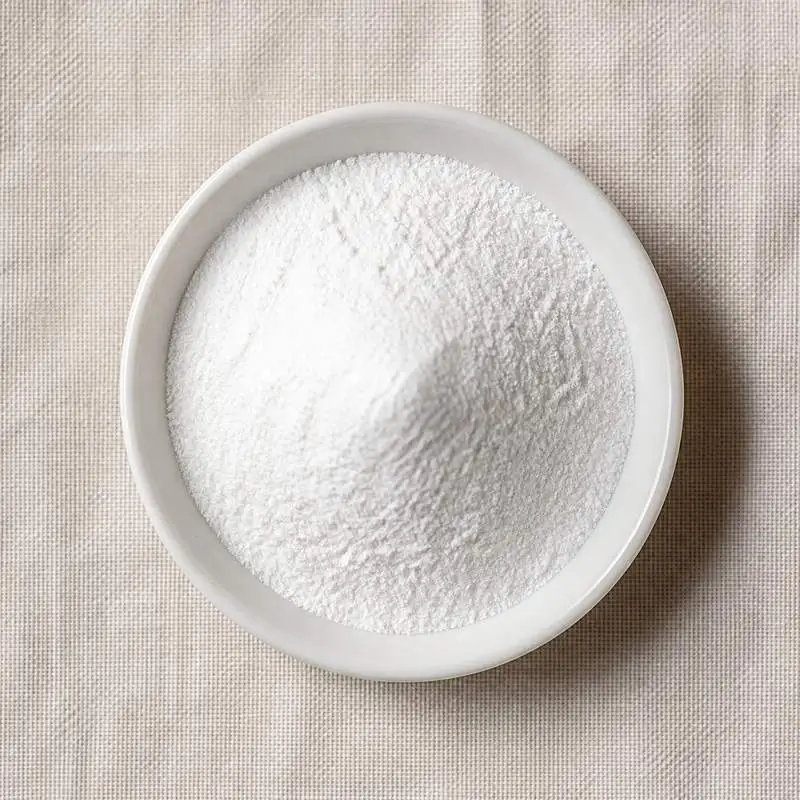
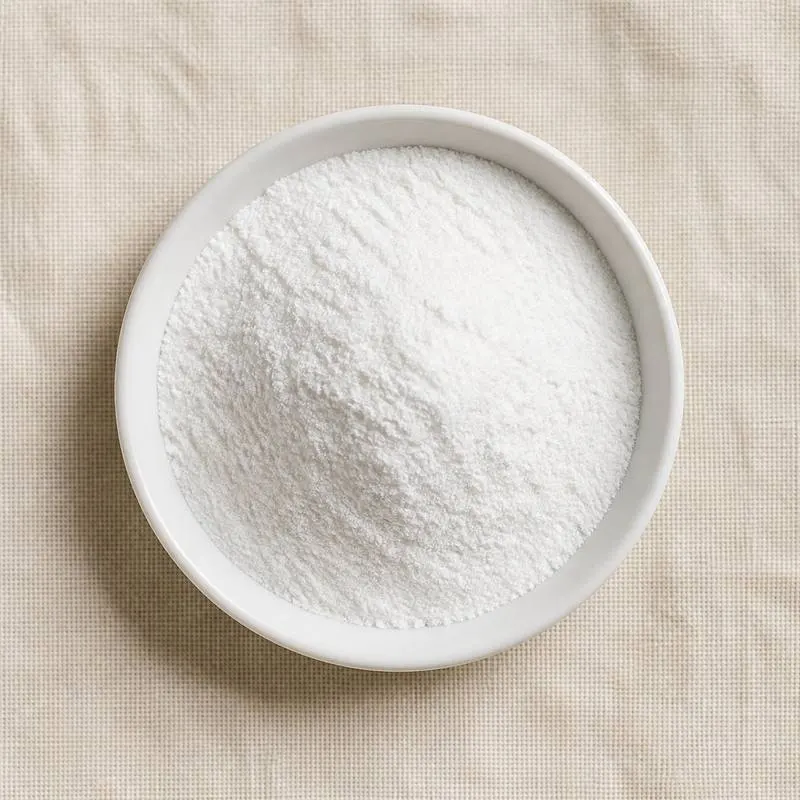
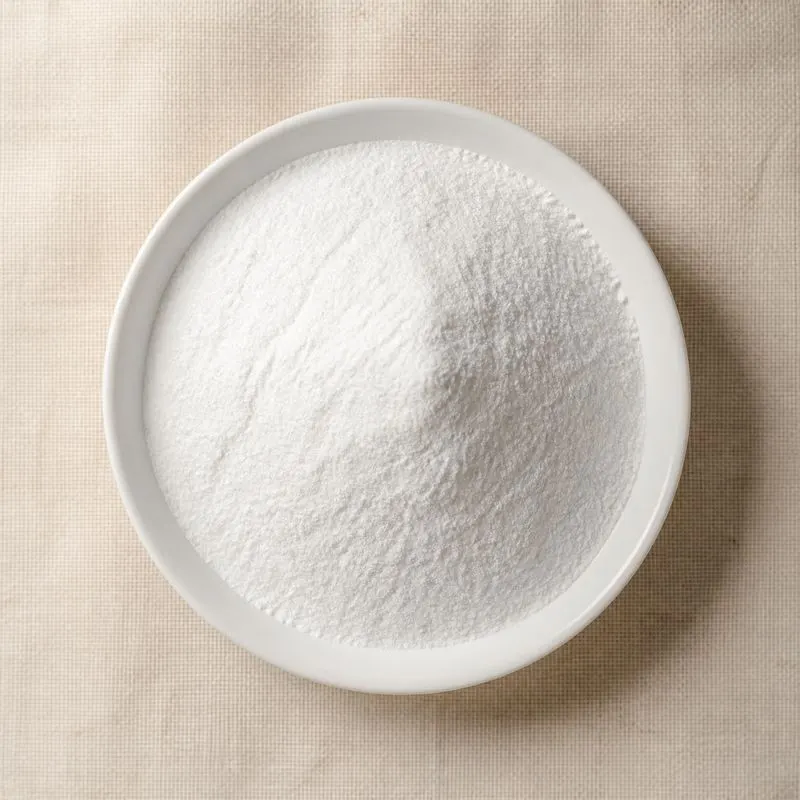
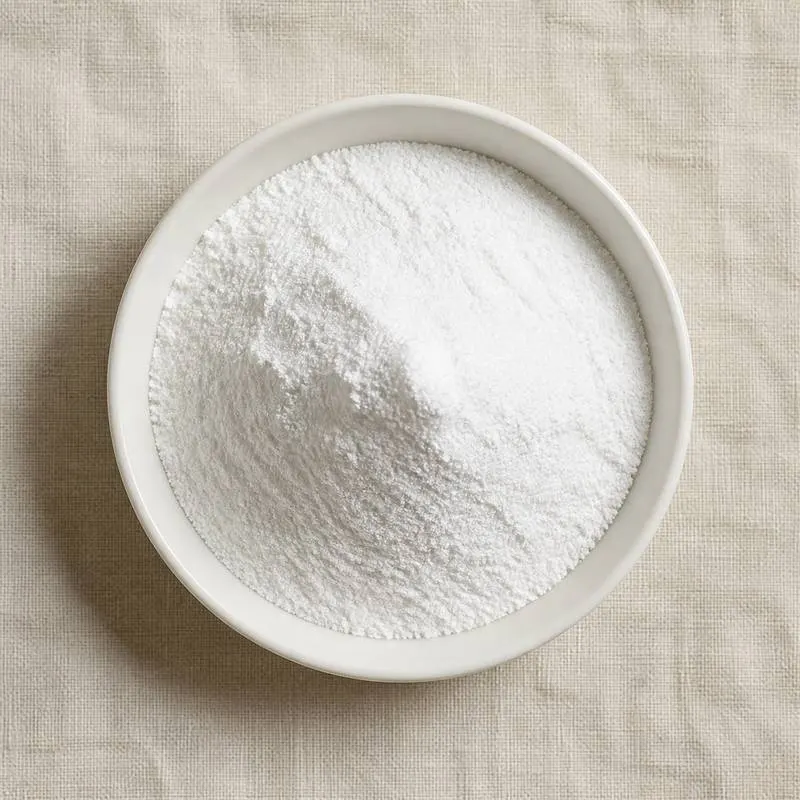
The free molecule is too unstable to trade, degrading within hours in solution and noticeably even as a dry solid, so the commercial article is always a stabilised salt. The usual forms are the tosylate disulphate and the 1,4-butanedisulphonate, in which roughly half the mass is the active sulphonium ion and the balance is the stabilising counter ion. Both are white to pale yellow crystalline or amorphous powders.
The salts are hygroscopic and heat sensitive, losing potency when held warm or moist, so they are stored and shipped cold, packed under nitrogen in sealed foil with desiccant, and handled in refrigerated dispensing rooms. In the stomach the molecule is unstable at low pH, which is why finished tablets are enteric coated rather than sold as plain compressed tablets or capsules.
We source bulk S Adenosylmethionine from top China manufacturers for our partners. The manufacturer is in Shandong. A smaller requirement can ship in a combined container with other ingredients.
Please send the grade you need, the volume and your destination port, and we will come back with a solution and a price.
or call +86-21-6858 0751
- Function
- Amino acid
Specifications
| Item | Specification |
|---|---|
| Appearance | White to pale yellow crystalline powder |
| Identification | Conforms by HPLC retention and ultraviolet spectrum |
| Assay (salt, on anhydrous basis) | Not less than 97.0% |
| Active SAMe ion content | Not less than 48.0% |
| S,S diastereomer content | Not less than 80% of total SAMe |
| Water content, Karl Fischer | Not more than 5.0% |
| Residue on ignition | Not more than 0.5% |
| pH (1% aqueous solution) | 1.5 to 3.0 |
| Residual ethanol | Not more than 0.5% |
| Heavy metals (as Pb) | Not more than 10 mg/kg |
| Arsenic | Not more than 1.0 mg/kg |
| Total plate count | Not more than 1,000 cfu/g |
| Yeast and mould | Not more than 100 cfu/g |
| Salmonella | Absent in 25 g |
Common Markets Grades
The material is traded by salt form rather than by purity tier. The tosylate disulphate and the butanedisulphonate are the two forms in commerce, each specified on the content of the active ion rather than on the salt as a whole, and each also carries a limit on the S,S diastereomer, since only that configuration is biologically active and the R,S form accumulates during processing and storage.
Purity is normally 97 to 99 percent for the salt, with active ion content declared separately and used for dosing. Beyond the salt choice the practical variables are moisture, which is held very low, and particle size, with a milled powder used for tablet cores. Producers ship the powder under cold chain and date the certificate of analysis from manufacture, since specification compliance is time limited in a way that is unusual for a supplement ingredient.
Applications
- Mood and emotional wellbeing supplements, which are the largest commercial use of the material
- Joint comfort products, where SAMe is formulated alongside glucosamine and chondroitin
- Liver support supplements, drawing on the role of methylation in hepatic metabolism
- Methylation support stacks combined with folate, vitamin B12 and betaine
- Enteric coated tablets, the dominant dose form because of the compound's acid instability
- Veterinary supplements for canine and feline liver support, usually as coated tablets
- Prescription and pharmacy medicines in markets where SAMe is registered as a drug rather than a supplement
- Research and analytical use as a methyl donor substrate in enzymology and epigenetics work
Brands Using S Adenosylmethionine
Widely-distributed consumer products that list S Adenosylmethionine on the ingredient label.
- Nature MadeSAM-e Complete 400 mg Tablets ↗Enteric coated tablet whose supplement facts panel lists 400 mg of SAM-e per serving for mood and joint support.Label verified 2026-08-31
- CarlyleSAM-e 400 mg Tablets ↗Enteric coated caplet supplying 400 mg per serving, described on the page as S-Adenosylmethionine formed from the amino acid methionine.Label verified 2026-08-31
Brand names, product names and logos are the property of their owners. They appear here as published evidence that the ingredient is used, taken from the brand's own label or website. Their appearance is not an endorsement, and it does not mean the brand buys from us or from any manufacturer listed on this site.
China Manufacturers of S Adenosylmethionine
Top S Adenosylmethionine manufacturers in China.

Company names and logos are the property of the manufacturers themselves. They are listed here because our own directory records them as producing this ingredient. A listing is not an endorsement by them, and we do not represent them or speak on their behalf.
Regulatory Status
In the United States SAMe is sold as a dietary ingredient with a marketing history predating the Dietary Supplement Health and Education Act cut off, and finished products are made under 21 CFR Part 111 and labelled with structure and function claims. It is not an approved food additive and is not used in conventional foods, and the Food and Drug Administration has acted against products making disease treatment claims for it.
In the European Union SAMe is regulated as a medicinal product in several member states, including Italy and Spain where it has long been prescribed, and it is not among the substances permitted for use in food supplements under the harmonised annexes, so its supplement availability across the EU is limited and country dependent. In Canada it is licensed as a natural health product with an assigned product number. Codex and JECFA have not issued specifications for the compound.
Manufacturing Process
Commercial SAMe is made by fermentation rather than by chemical synthesis. A strain of Saccharomyces cerevisiae selected for high intracellular accumulation is grown in fed batch culture on glucose, with L-methionine fed during the production phase because the yeast converts it directly into the sulphonium compound and stores it inside the cell. Temperature, dissolved oxygen and methionine feed rate are the levers that set the intracellular titre.
Downstream processing is where most of the difficulty lies. The harvested cells are collected and disrupted, in acid or by mechanical means, to release the product into a cold acidic extract that keeps it from degrading. The extract is clarified and passed over cation exchange resin, which captures the positively charged sulphonium ion and separates it from proteins and nucleotides, and the eluate is concentrated under vacuum at low temperature. The stabilising acid, para-toluenesulphonic and sulphuric acid or 1,4-butanedisulphonic acid, is added to form the salt, which is crystallised or precipitated with an alcohol, then filtered and dried by freeze drying or low temperature vacuum drying before cold packing.