Saffron Extract
Saffron Extract is a concentrated preparation produced from the dried red stigmas of Crocus sativus L., the saffron crocus. Each flower yields only three stigmas, and roughly 150,000 flowers are needed to produce a kilogram of dried saffron, which makes the raw material one of the most valuable agricultural commodities in the world.
Commercial extracts are standardised to the two signature constituents safranal (the volatile aroma compound) and crocin (the water-soluble carotenoid pigment). Most clinical-grade material targets 2 percent safranal and 3 percent crocin, with branded supplement extracts using tighter specifications.
We source bulk Saffron Extract from top China manufacturers for our partners. The manufacturer is in Shanghai. For this ingredient the minimum order is 200 kg, and a smaller requirement can ship in a combined container with other ingredients.
Please send the grade you need, the volume and your destination port, and we will come back with a solution and a price.
or call +86-21-6858 0751
- Minimum order
- 200 kg
- Packaging
- 25 kg fibre drum with double PE liner
- Function
- Plant extract
- ISO 9001
- HACCP
- Halal
- Kosher
Specifications
| Item | Specification |
|---|---|
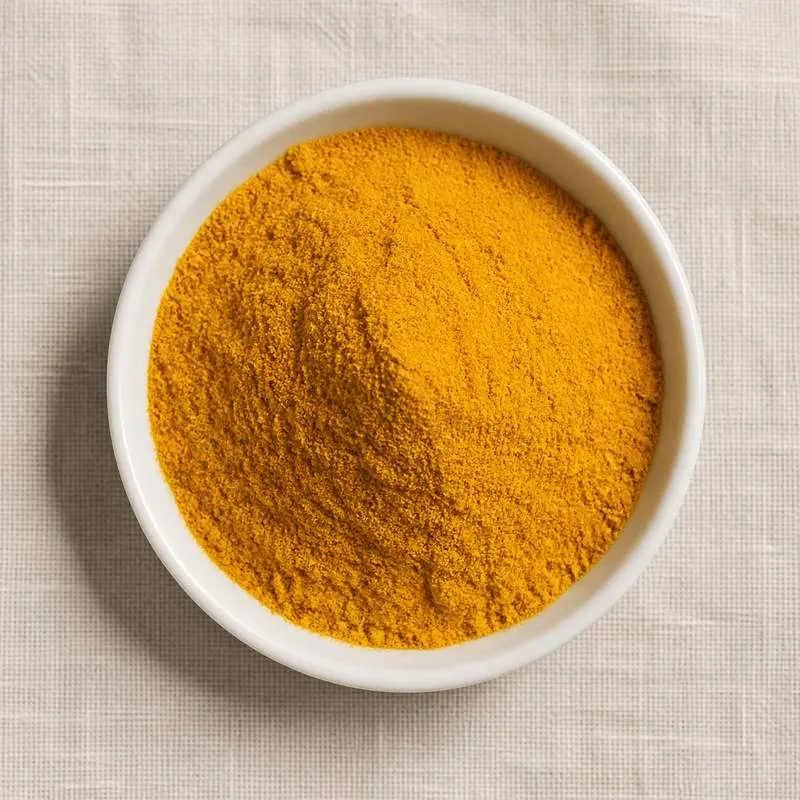
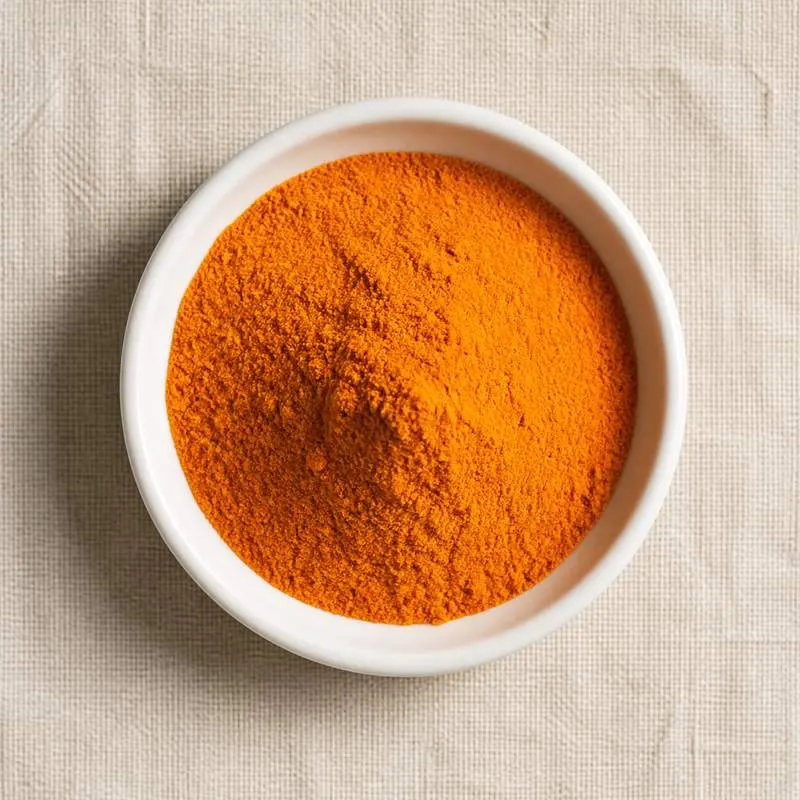
| Appearance | Reddish-brown to brown free-flowing powder |
| Safranal content (HPLC) | 0.3% / 2% (grade dependent) |
| Crocin content (UV) | ≥ 5% (premium grades) |
| Picrocrocin content | ≥ 1% |
| Loss on drying | ≤ 5.0% |
| Residue on ignition | ≤ 5.0% |
| Heavy metals (as Pb) | ≤ 2 mg/kg |
| Source | Crocus sativus dried stigmas |
Common Markets Grades
Saffron Extract is graded across a narrow but specification-sensitive range.
The mainstream supplement grade is standardised to a minimum 2 percent safranal and 3 percent crocins by HPLC, sold as a fine deep red-brown free-flowing powder. This grade is the one used in most of the published mood and cognitive trials.
Branded clinical extracts, marketed under several trademarked names, carry tighter specifications and full-fingerprint HPLC profiles including picrocrocin (the bitter principle and safranal precursor).
Food-grade saffron powders for colour and flavour are produced separately and are not standardised to clinical actives. ISO 3632 grading classifies whole-stigma saffron into categories I, II, and III by spectrophotometric measurements of crocin, picrocrocin, and safranal.
Tableting, capsule-fill, and beverage-soluble carrier blends exist for the supplement grade. Authenticity testing is a routine part of every lot release because of the long history of saffron adulteration.
Applications
- Mood and emotional wellbeing supplements positioned around stress and low mood
- Cognitive and memory blends, often combined with B vitamins and omega-3 oils
- Sleep and relaxation formulas
- Women's health supplements targeting premenstrual symptoms
- Eye-health and macular-support blends combined with lutein and zeaxanthin
- Weight-management and appetite-control products
- Functional beverages, shots, and ready-to-drink wellness formats
- Confectionery: gummies, chewables, and lozenges
- Stick packs and sachets for daily mood-support dosing
- Cosmetic and personal-care formulations claiming radiance and brightening
- Premium tea and infusion blends
- Traditional medicine preparations under Unani and Ayurvedic frameworks
Brands Using Saffron Extract
Widely-distributed consumer products that list Saffron Extract on the ingredient label.
- Life ExtensionOptimized Saffron with Satiereal 60 Capsules ↗Capsules of Satiereal saffron (Crocus sativus) stigma extract standardised to 0.3% safranal.Label verified 2026-05-24
- Natural FactorsStress-Relax Saffron Extract (Affron) Veg Capsules ↗Stress-Relax Saffron Extract veg capsules supplying 28 mg Affron saffron extract standardised to 3.5% Lepticrosalides.Label verified 2026-05-24
- NOW FoodsSaffron 50 mg Veg Capsules (Mood Support) ↗Whole saffron stigma capsules standardised to a minimum 10% total crocins.Label verified 2026-05-24
Brand names, product names and logos are the property of their owners. They appear here as published evidence that the ingredient is used, taken from the brand's own label or website. Their appearance is not an endorsement, and it does not mean the brand buys from us or from any manufacturer listed on this site.
China Manufacturers of Saffron Extract
Top Saffron Extract manufacturers in China.
Company names and logos are the property of the manufacturers themselves. They are listed here because our own directory records them as producing this ingredient. A listing is not an endorsement by them, and we do not represent them or speak on their behalf.
How We Help Source Saffron Extract
Direct Factory Sourcing
We run the whole process: selecting the manufacturer from the top Chinese food ingredient producers, negotiating the price, verifying quality, and coordinating the logistics. You deal with us instead of with several factories at once.
Original Packaging and Documents from the Manufacturer
The manufacturer sends your Saffron Extract out of its own factory in the original packing, through to your destination port. The COA, COO, MSDS, TDS and any certifications reach you from the manufacturer as well.
Free Samples and Lead Time
We send 100 to 500 g free for your own laboratory to test and you cover only the courier, usually within 2 to 3 working days. ETD is usually within 7 to 15 days once the order is confirmed, and we check that date against the factory's own manufacturing schedule before we give it to you.
Combined Shipment
We can load Saffron Extract together with other ingredients such as Astaxanthin, Dehydrated Garlic and Lutein into one 20' FCL. If your quantity is small, we can also ship LCL.
Regulatory Status
Saffron Extract is widely accepted as a food, supplement, and traditional medicine ingredient.
The whole spice has an unbroken history of food use across the Middle East, Mediterranean, and South Asia, and is treated as a conventional food ingredient in the European Union, the United States, and most other regulated markets. The standardised extract is sold as a dietary supplement under DSHEA in the US and as a food supplement in the EU.
EFSA has reviewed proposed health claims for saffron and mood but has not adopted a generic claim. Product-level positioning therefore relies on permitted structure-function language and on country-level traditional-use frameworks.
Spanish Protected Designation of Origin status applies to Azafrán de La Mancha, and Greek PDO status applies to Krokos Kozanis. The INCI name for cosmetic use is Crocus Sativus Flower Extract. Kosher, Halal, and organic certifications exist.
Manufacturing Process
Saffron is cultivated primarily in Iran, which accounts for roughly 85 to 90 percent of world supply, with smaller commercial production in Spain (La Mancha), Greece (Kozani), Morocco, Afghanistan, and parts of Italy. The crocus flowers in autumn over a window of two to three weeks, and the stigmas are hand-harvested in the early morning before the flowers open.
Stigmas are separated from the rest of the flower by hand, then dried using gentle heat to fix the pigment and develop the characteristic aroma. Drying conditions strongly influence the picrocrocin-to-safranal conversion and the final ISO 3632 grading.
For extract manufacture, dried stigmas are milled and extracted with water or hydroalcoholic solvent. The crude extract is filtered, vacuum-concentrated, blended with a maltodextrin or cellulose carrier, and spray-dried under controlled conditions to protect the heat-sensitive safranal.
HPLC quantification of crocins (typically crocin-1 through crocin-4), picrocrocin, and safranal is the standard lot-release method. Authentication relies on full chromatographic fingerprinting, isotope ratio analysis, or DNA-based methods to detect adulteration with safflower, marigold, turmeric, or dyed plant material.