Crocin
Crocin is a water-soluble carotenoid glycoside responsible for the deep golden-yellow to orange-red colour of saffron (Crocus sativus) and the fruit of gardenia (Gardenia jasminoides). It is one of the very few carotenoids that dissolves readily in water, a property derived from its sugar substituents.
The molecule (C₄₄H₆₄O₂₄, molecular weight 976.96 g/mol) is the digentiobiosyl ester of the C20 dicarboxylic acid crocetin. Several related crocins coexist in nature, differing in the number and type of sugar units attached to the crocetin core.
We source bulk Crocin from top China manufacturers for our partners. The manufacturer is in Henan. A smaller requirement can ship in a combined container with other ingredients.
Please send the grade you need, the volume and your destination port, and we will come back with a solution and a price.
or call +86-21-6858 0751
- Packaging
- 25 kg kraft paper bag with PE inner liner
- ISO 9001
- HACCP
- Halal
- Kosher
Specifications
| Item | Specification |
|---|---|
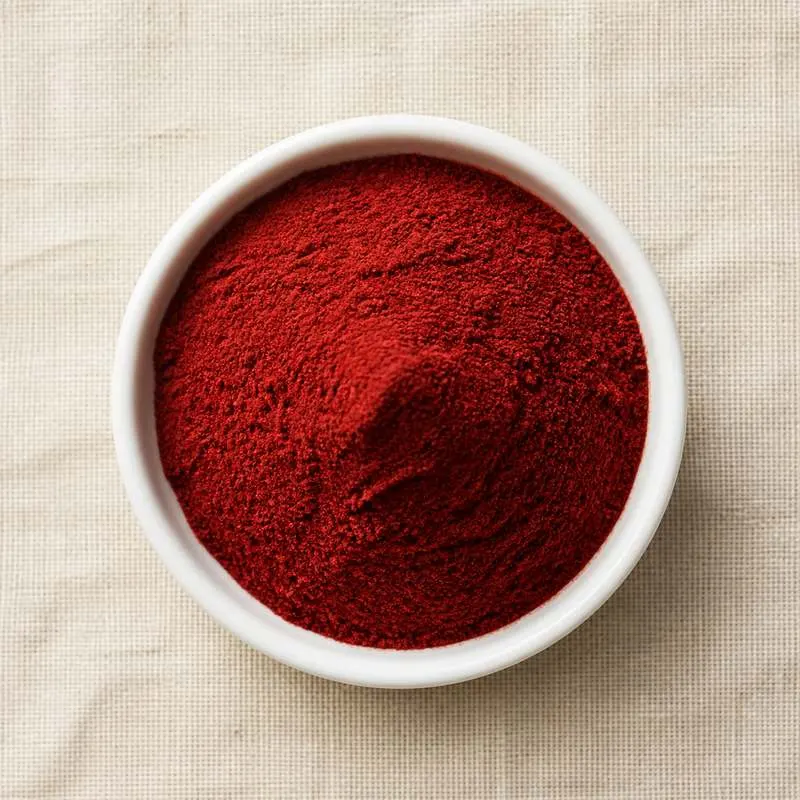
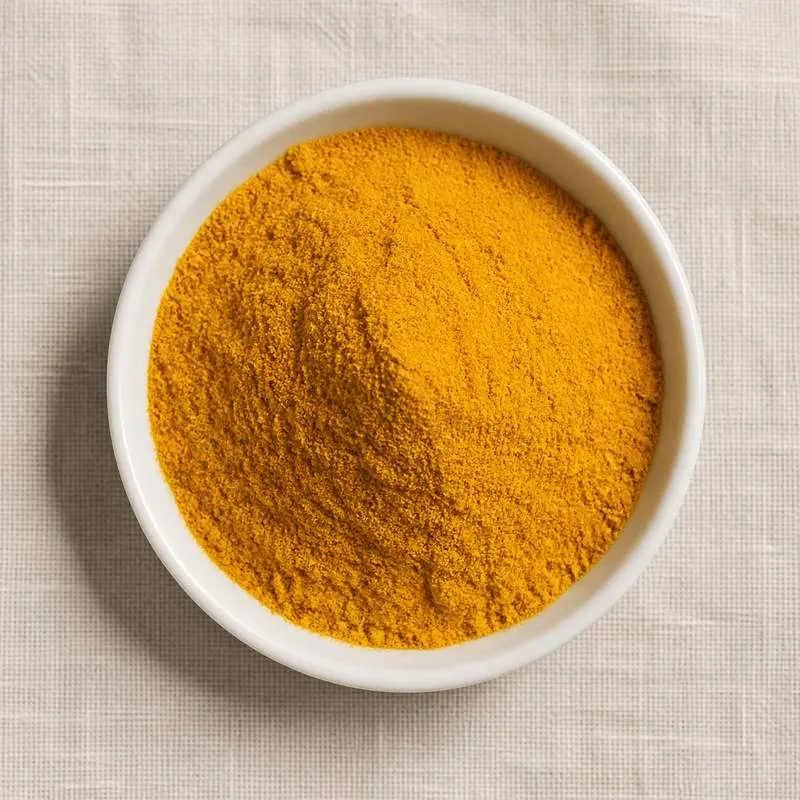
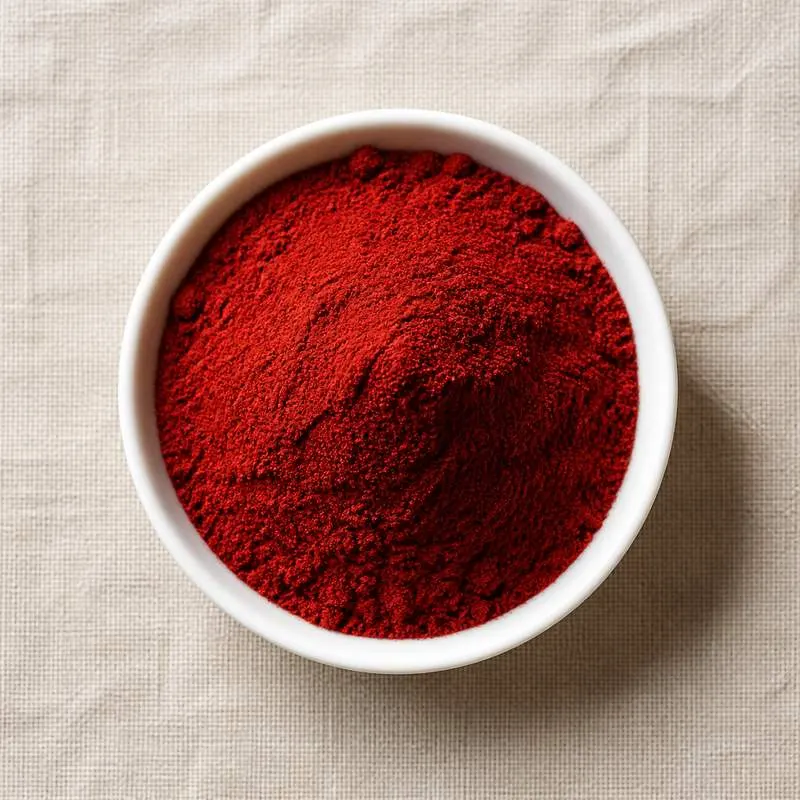
| Appearance | Deep red to orange-red free-flowing powder |
| Odour | Characteristic, faintly saffron-like |
| Crocin Content (HPLC) | ≥ 5.0% (grades declared to 98.0%) |
| Colour Value E1%1cm (440 nm) | ≥ 200 |
| Identification (UV-Vis λmax) | 440 ± 2 nm |
| Solubility (1% in water) | Clear orange-red solution, no sediment |
| Loss on Drying | ≤ 5.0% |
| Total Ash | ≤ 5.0% |
| Residual Solvent (Ethanol) | ≤ 0.5% |
| Particle Size | ≥ 95% through 80 mesh |
| Heavy Metals (as Pb) | ≤ 10 mg/kg |
| Lead (as Pb) | ≤ 2 mg/kg |
| Arsenic (as As) | ≤ 1 mg/kg |
| Total Plate Count | ≤ 1000 CFU/g |
| Yeast & Mould | ≤ 100 CFU/g |
Common Markets Grades
Three forms of Crocin are traded: a saffron extract, a gardenia extract, and a purified isolate.
Saffron-derived extracts are graded by ISO 3632 colour strength (E1cm 1 percent at 440 nanometers) rather than by crocin assay alone. Premium saffron-extract powders for nutraceutical use typically declare 1 to 5 percent crocin content alongside picrocrocin and safranal markers.
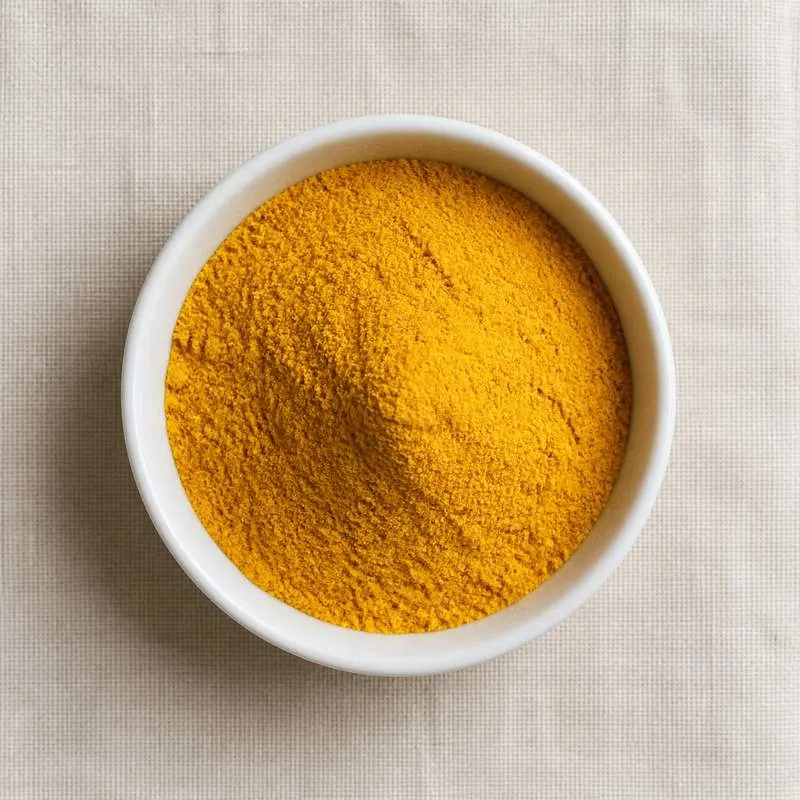
Gardenia yellow extract, the dominant volume source, is a free-flowing yellow-orange powder standardised to total crocins by spectrophotometry. Colour strength is the primary commercial specification, with typical grades at E1cm values from 200 to over 1,200.
Purified crocin at 90 to 98 percent is produced by column chromatography for research, reference material, and premium-positioned dietary supplements.
Water-soluble liquid colour formats based on gardenia yellow are produced for beverage, dairy, and noodle applications. Specialty grades produced enzymatically from gardenia fruit, where the precursor crocins are converted toward higher-colour-strength fractions, are used in confectionery and surimi.
Applications
- Natural yellow-to-orange food colourant for noodles, rice dishes, and Asian confectionery
- Surimi, fish roe analogues, and processed seafood for surface and bulk coloration
- Dairy products including yogurts, ice creams, and cheese analogues
- Beverages such as fruit drinks, liqueurs, and traditional saffron-style infusions
- Bakery applications including breads, cakes, and biscuit creams
- Saffron-based dietary supplements positioned for mood and sleep support
- Functional beverage shots and wellness drinks built around traditional saffron use
- Confectionery including hard candies, gummies, and sugar-panned items
- Traditional Chinese, Persian, and Indian culinary preparations as a saffron substitute
- Cosmetic formulations leveraging saffron and gardenia botanical positioning
- Natural dye for silk, wool, and craft textiles in heritage applications
- Reference material in carotenoid and saffron authenticity testing
Brands Using Crocin
Widely-distributed consumer products that list Crocin on the ingredient label.
- SolaraySolaray Affron Saffron Extract VegCaps ↗Official Solaray product page: 30 mg Affron Saffron (Crocus sativus) stigma extract guaranteed to contain 1 mg [3.5%] Lepticrosalides, a complex of saffron, safranal and crocin isomers.Label verified 2026-05-24
- Life ExtensionLife Extension Optimized Saffron with Satiereal ↗Official Life Extension page: 88.5 mg Satiereal Saffron extract (Crocus sativus L.) standardised to 0.3% safranal, providing crocin and picrocrocin as active constituents.Label verified 2026-05-24
- Natural FactorsNatural Factors Stress-Relax Affron Saffron Extract ↗Official Natural Factors product page: 28 mg Affron saffron extract from Crocus sativus stigma standardised to 3.5% Lepticrosalides (crocins and safranal).Label verified 2026-05-24
- The Naked PharmacySaffrosun Calm ↗Official Naked Pharmacy product page: Affron saffron extract standardised to >=3.5% crocin, picrocrocin and >=0.2% safranal, combined with vitamin D, B12 and baobab.Label verified 2026-05-24
Brand names, product names and logos are the property of their owners. They appear here as published evidence that the ingredient is used, taken from the brand's own label or website. Their appearance is not an endorsement, and it does not mean the brand buys from us or from any manufacturer listed on this site.
China Manufacturers of Crocin
Top Crocin manufacturers in China.
Company names and logos are the property of the manufacturers themselves. They are listed here because our own directory records them as producing this ingredient. A listing is not an endorsement by them, and we do not represent them or speak on their behalf.
How We Help Source Crocin
Direct Factory Sourcing
We run the whole process: selecting the manufacturer from the top Chinese food ingredient producers, negotiating the price, verifying quality, and coordinating the logistics. You deal with us instead of with several factories at once.
Original Packaging and Documents from the Manufacturer
The manufacturer sends your Crocin out of its own factory in the original packing, through to your destination port. The COA, COO, MSDS, TDS and any certifications reach you from the manufacturer as well.
Free Samples and Lead Time
We send 100 to 500 g free for your own laboratory to test and you cover only the courier, usually within 2 to 3 working days. ETD is usually within 7 to 15 days once the order is confirmed, and we check that date against the factory's own manufacturing schedule before we give it to you.
Combined Shipment
We can load Crocin together with other ingredients such as Astaxanthin, Dehydrated Garlic and Lutein into one 20' FCL. If your quantity is small, we can also ship LCL.
Regulatory Status
Crocin's regulatory status follows its botanical source.
Saffron and saffron extract are recognised as food ingredients and natural colours in essentially all major markets. In the European Union, saffron used for colour falls under the general food law as a colouring food rather than as an additive E-number.
Gardenia yellow is approved as a food colour in Japan, South Korea, and several Southeast Asian markets under their respective natural colour additive lists. It is widely used domestically in noodle, rice, and confectionery applications.
In the United States, 21 CFR 73.500 permits saffron as a colour additive exempt from certification. Gardenia yellow is not currently listed as an approved colour additive for general food use in the United States, though saffron-derived crocin in supplements is marketed under DSHEA.
Saffron-extract-based dietary supplements have been notified as Novel Food applications in the European Union for specific preparations and conditions of use. Reference material for crocin appears in the European Pharmacopoeia under the saffron monograph, and Kosher, Halal, and organic certifications are commonly available.
Manufacturing Process
Two botanical sources account for nearly all commercial crocin supply.
The fruit of Gardenia jasminoides, cultivated in southern China, Japan, and parts of Southeast Asia, is the dominant volume source. The mature yellow-orange fruits are harvested, sun-dried, milled, and extracted with water, ethanol, or hydroalcoholic mixtures. The extract is filtered, treated to remove iridoid bitter principles, concentrated, and spray-dried to gardenia yellow powder.
For higher-colour-strength material, the crude extract is purified on adsorption resins to separate crocins from sugars, organic acids, and iridoids. Enzymatic or mild acid treatment can convert co-occurring crocin precursors into higher-molar-extinction species, raising the final colour value.
Saffron-derived crocin starts from the dried red stigmas of Crocus sativus, produced principally in Iran, Spain, Greece, Morocco, and India. The stigmas, which require manual harvesting at extraordinary labor intensity, contain roughly 10 to 30 percent total crocins. Aqueous or hydroalcoholic extraction followed by chromatographic enrichment yields high-purity crocin for nutraceutical and reference use.
Quality control across both routes focuses on colour strength, HPLC profiling of individual crocin homologues, and authenticity testing to distinguish saffron-derived from gardenia-derived material.