Sea Buckthorn Berry Oil
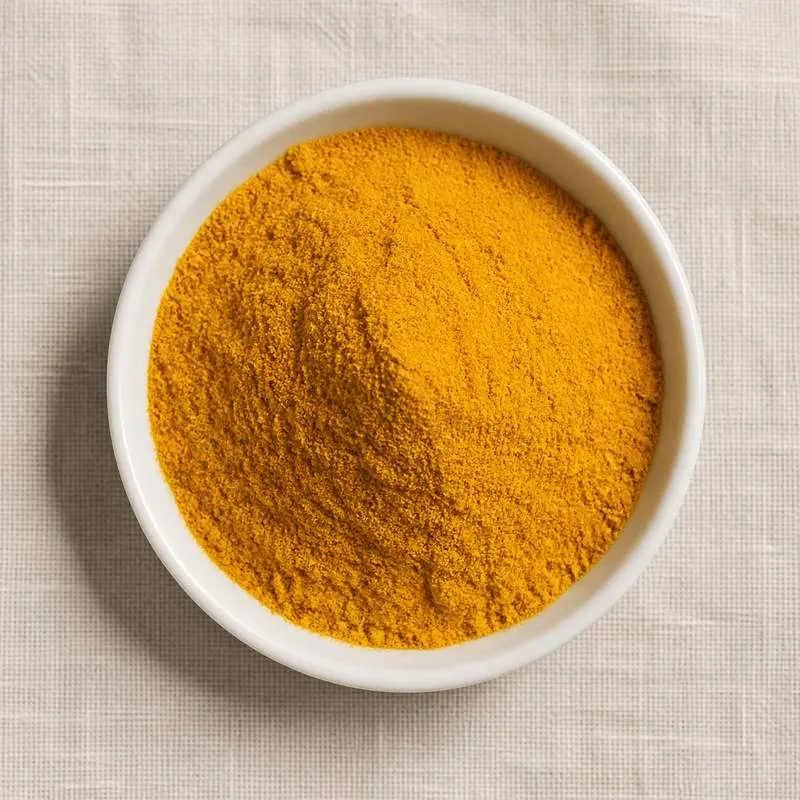
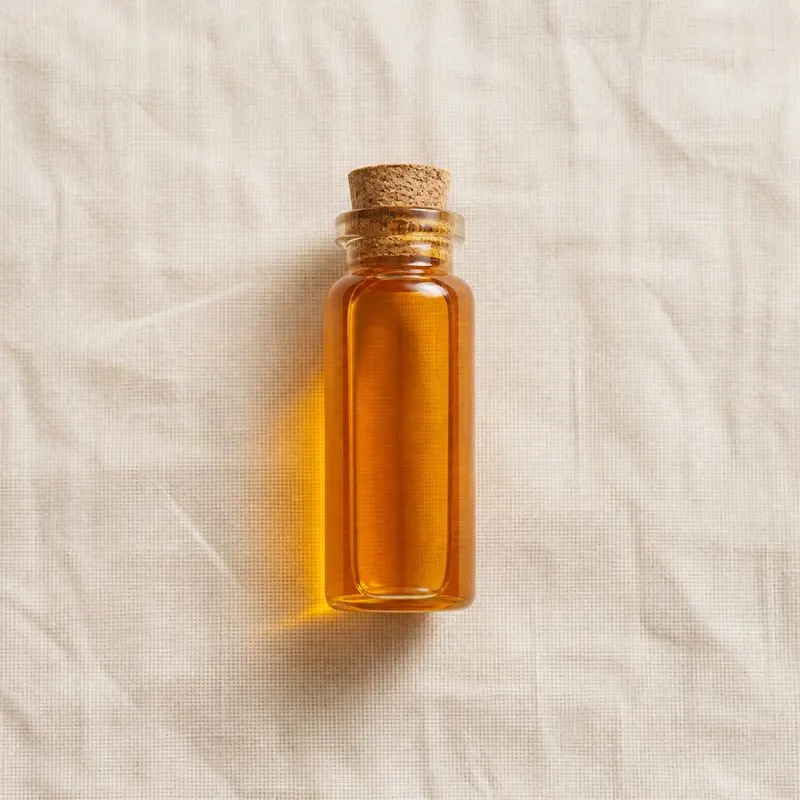
Sea buckthorn berry oil, also called pulp or fruit oil, is pressed or extracted from the soft flesh of the Hippophae rhamnoides berry rather than from its seed, and the distinction matters because the two oils from the same fruit have almost opposite fatty acid profiles. Berry oil is a deep orange to orange-red viscous liquid, so intensely coloured that it stains, and it carries the highest carotenoid load of any common vegetable oil.
Its defining feature is palmitoleic acid, the omega-7 monounsaturated fatty acid, which makes up roughly 25 to 35 percent of the total fatty acids alongside a similar share of palmitic acid. Palmitoleic acid is rare in the plant kingdom and is the reason the oil is sold as an omega-7 ingredient. Total carotenoids commonly run 300 to 2000 mg/kg, with beta-carotene, zeaxanthin and lycopene present, and tocopherols and tocotrienols add to the antioxidant load.
The oil is lipid soluble, insoluble in water, and is used cold or in softgels rather than as a cooking fat. The carotenoids bleach under heat, light and oxygen, so the oil is processed at low temperature and filled under nitrogen into opaque containers.
We source bulk Sea Buckthorn Berry Oil from top China manufacturers for our partners. The manufacturers are in Beijing and Guangdong. A smaller requirement can ship in a combined container with other ingredients.
Please send the grade you need, the volume and your destination port, and we will come back with a solution and a price.
or call +86-21-6858 0751
- Function
- Plant extract
Specifications
| Item | Specification |
|---|---|
| Appearance | Deep orange to orange-red viscous oil |
| Odour | Characteristic fruity note, free from rancidity |
| Total carotenoids | 300 mg/kg minimum |
| Palmitoleic acid | 25.0 to 35.0 percent of total fatty acids |
| Palmitic acid | 25.0 to 38.0 percent of total fatty acids |
| Total tocopherols and tocotrienols | 500 mg/kg minimum |
| Free fatty acid | 2.0 percent maximum as oleic acid |
| Peroxide value | 10.0 meq/kg maximum |
| Moisture and volatile matter | 0.2 percent maximum |
| Unsaponifiable matter | 3.0 percent maximum |
| Refractive index at 20 degrees C | 1.462 to 1.470 |
| Lead | 0.1 mg/kg maximum |
| Arsenic | 0.1 mg/kg maximum |
| Residual solvents | Not detected, carbon dioxide extraction |
Common Markets Grades
Grades are set by extraction method first. Supercritical carbon dioxide extract is the highest-priced article, carrying the fullest carotenoid load with no solvent residue, followed by cold pressed oil, which is deeply coloured but lower in yield, and solvent extracted oil, which is normally refined and paler. A distinction is also drawn between oil pressed directly from separated pulp and oil recovered from the pomace remaining after juicing, the latter being cheaper and generally lower in carotenoid.
Buyers otherwise specify on total carotenoid content, which is the value the oil is priced against and is usually quoted in mg per 100 g, on palmitoleic acid percentage, and on peroxide value and free fatty acid, since the fruit lipid is enzymatically active and deteriorates if the pulp is not processed promptly. Diluted grades sold at a stated percentage in sunflower or olive oil are common in retail supply and should not be confused with pure oil. Encapsulated powder forms on a carrier are traded for dry blending, and organic certified lots are widely available.
Applications
- Omega-7 supplements in softgel form, the largest single outlet for the oil
- Skin, mucous membrane and eye comfort supplement formulations
- Nutricosmetic capsules and beauty-from-within drinks
- Facial oils, balms and serums, used at low inclusion because of the strong orange stain
- Lip care and repair balms, where the carotenoid and tocopherol fraction is the functional claim
- After-sun and skin recovery emulsions
- Natural colour and carotenoid contribution to oil-based food products used unheated
- Nutritional oil blends supplying palmitoleic acid alongside other fatty acids
- Encapsulated powder for bars, sachets and dry beverage blends
Brands Using Sea Buckthorn Berry Oil
Widely-distributed consumer products that list Sea Buckthorn Berry Oil on the ingredient label.
- SeabuckWondersOrganic Sea Buckthorn Berry Oil Dropper ↗Single ingredient dropper bottle of organic sea buckthorn berry oil pressed from the pulp of the berry, sold as a source of omega 7.Label verified 2026-08-31
- SeabuckWondersFem-Omega7 Female Dryness Supplement ↗Softgel supplement whose ingredient statement reads organic sea buckthorn seed oil and berry oil.Label verified 2026-08-31
Brand names, product names and logos are the property of their owners. They appear here as published evidence that the ingredient is used, taken from the brand's own label or website. Their appearance is not an endorsement, and it does not mean the brand buys from us or from any manufacturer listed on this site.
China Manufacturers of Sea Buckthorn Berry Oil
Top Sea Buckthorn Berry Oil manufacturers in China.
 Beijing Powdery Health Industry Co.,Ltd.3 ingredients in the directory
 Guangzhou Honsea Sunshine Biotech Co., Ltd.20 ingredients in the directory
Company names and logos are the property of the manufacturers themselves. They are listed here because our own directory records them as producing this ingredient. A listing is not an endorsement by them, and we do not represent them or speak on their behalf.
Regulatory Status
Sea buckthorn berry oil is treated as a conventional food oil in the United States and is used in supplements as a dietary ingredient without a specific food additive clearance. It is also an established cosmetic ingredient, listed by an INCI name based on Hippophae rhamnoides fruit oil, and cosmetic use falls under the general safety and labelling provisions rather than any pre-market approval. Where the oil is used in conventional foods, suppliers rely on its history of food use or on a GRAS conclusion for the defined use.
In the European Union sea buckthorn fruit and oils derived from it are recognised as having a history of consumption before May 1997 and are used as foods without novel food authorisation, though an unusual fraction or an extract produced by a novel process may need assessment on its own facts. There is no E number, since the oil is not an additive, and health claims relating to omega-7 or skin condition are not authorised. Cosmetic use is governed by the cosmetic products regulation with the ingredient declared by its INCI name. Codex has no specific standard for this oil; the general standard for named and other vegetable oils and the general provisions on contaminants apply.
Manufacturing Process
Frozen berries are cleaned, destemmed and thawed, then milled and pressed or decanted. Because the flesh of this fruit is itself oily, the raw press stream separates on a three-phase decanter into an aqueous juice, a lipid-rich pulp fraction and a solids fraction containing the seed, and the pulp fraction is the feedstock for berry oil. Recovering it promptly matters, since the wet pulp carries active lipase and the free fatty acid rises within hours if it is held warm.
The separated pulp is dried gently, usually by vacuum or low-temperature air drying, to a moisture content that allows pressing or extraction without emulsion problems. Oil is then recovered either by cold screw pressing at low temperature, or by supercritical carbon dioxide extraction, in which liquefied carbon dioxide at controlled pressure passes through the dried pulp and the oil drops out in a separator when the pressure is released, a route preferred because it avoids both heat and solvent and preserves the carotenoids. The crude oil is settled and filtered rather than fully refined, since bleaching would strip the colour that gives the oil its value, then polish filtered, standardised on carotenoid content and filled under nitrogen into opaque drums or bottles held cold and dark.