Seasoning Flavour
Seasoning flavour is the general class of compound savoury flavourings formulated for use in seasoning powders, sauce bases and other salted applications rather than as a single aroma chemical. A typical composition combines a Maillard reaction base, hydrolysed vegetable protein, yeast extract, spice extracts and individual aroma chemicals on a carrier or solvent.
Functionally these products do two things at once. The volatile fraction supplies a specific aroma direction, such as chicken, beef, seafood, mushroom, onion or a spice blend, while the non-volatile fraction contributes savoury taste through glutamate, nucleotides and peptides carried in by the yeast extract and protein hydrolysate. That combination is why a seasoning flavour is dosed at a higher rate than a pure flavour concentrate and is treated as part of the taste system of a formulation.
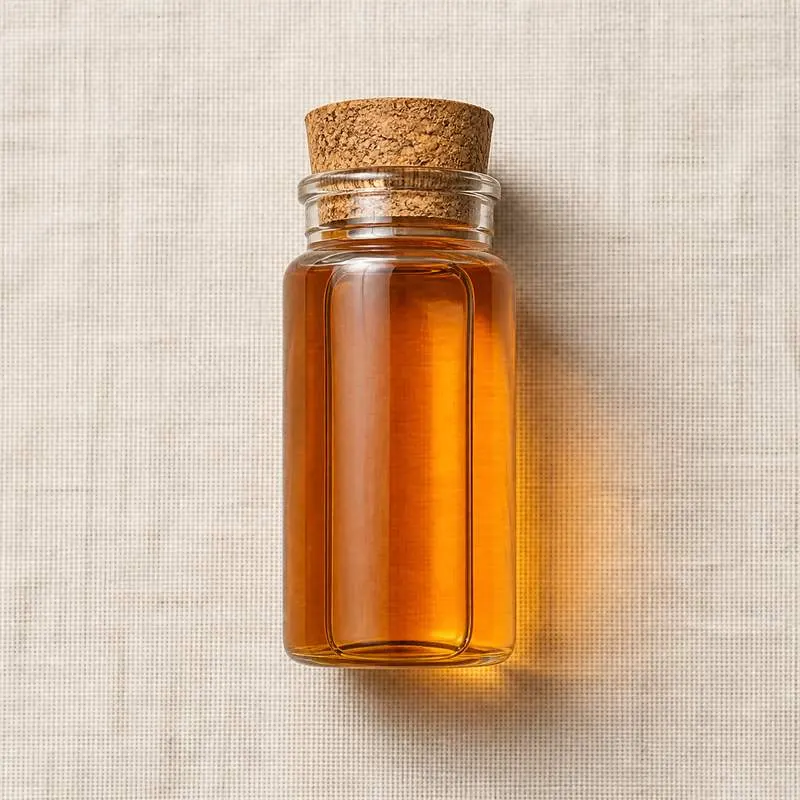
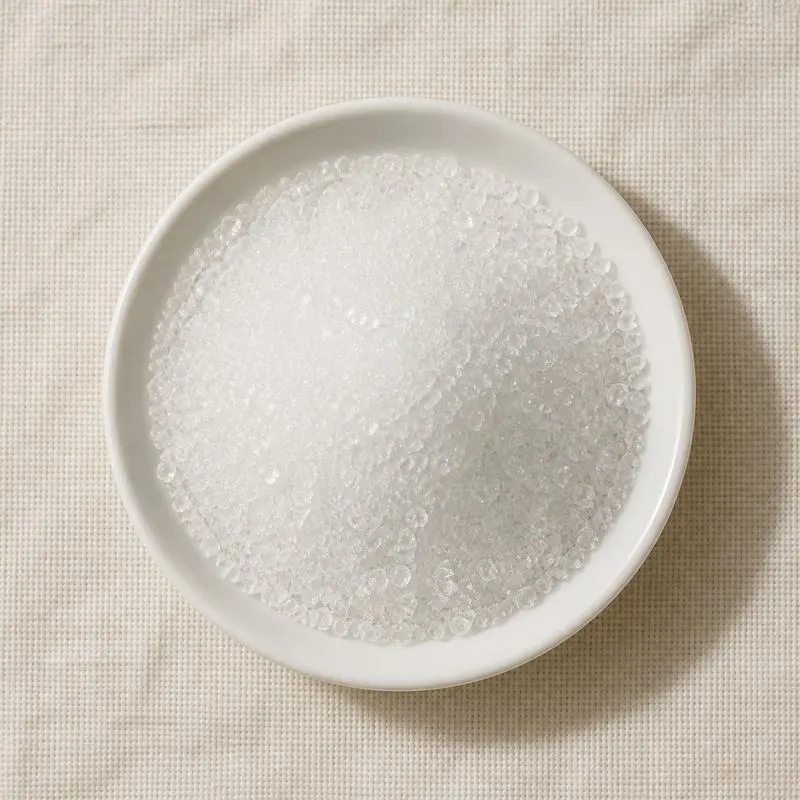
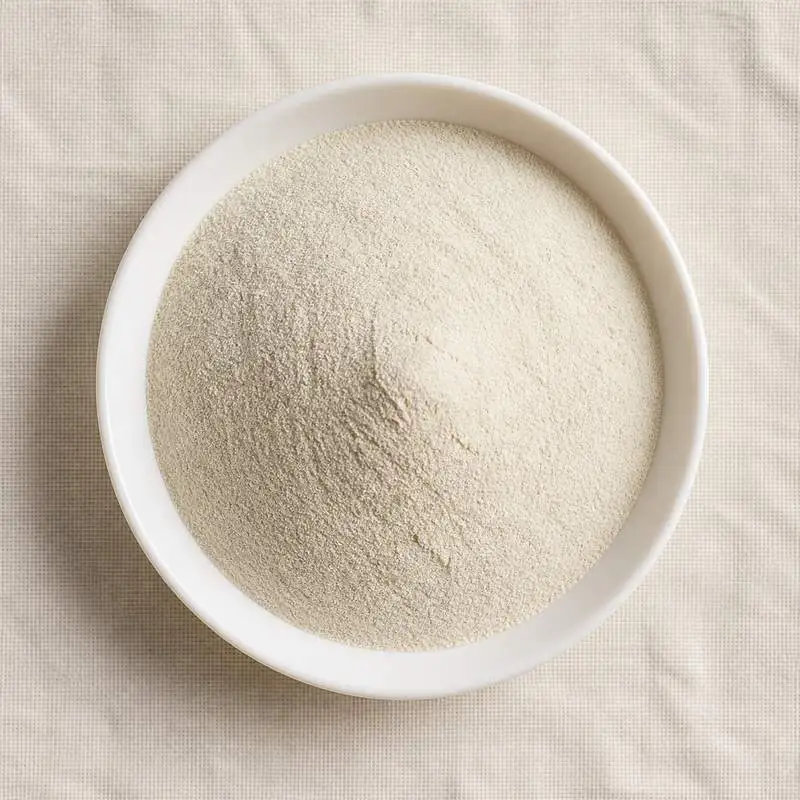
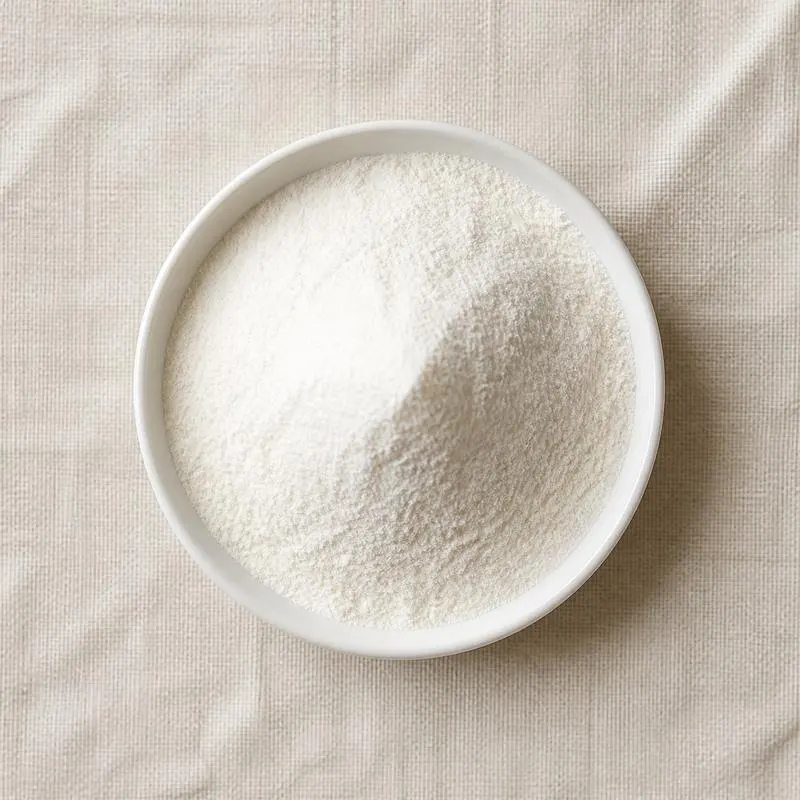
Supply forms are spray dried or plated powder, liquid in propylene glycol or oil, and paste. Powder grades are free flowing and blend directly into dry seasoning mixes, but the encapsulated volatiles are released only on hydration, so hold-up in dry snack coatings is limited. Liquid grades give faster aroma release and are preferred in wet sauces and marinades.
We source bulk Seasoning Flavour from top China manufacturers for our partners. The manufacturer is in Fujian. A smaller requirement can ship in a combined container with other ingredients.
Please send the grade you need, the volume and your destination port, and we will come back with a solution and a price.
or call +86-21-6858 0751
- Function
- Flavours and Aromas
Specifications
| Item | Specification |
|---|---|
| Appearance | Free flowing powder, or clear to opaque liquid according to grade |
| Colour | Off-white to brown, characteristic of the profile |
| Odour and Taste | Characteristic of the declared savoury profile |
| Loss on Drying, powder grades | Not more than 5.0 percent |
| Particle Size, powder grades | Not less than 95 percent through 40 mesh |
| Sodium Chloride | Declared per formulation, tested to within 2 percent of target |
| pH (10 percent solution) | 5.0 to 7.0 |
| Lead (Pb) | Not more than 1.0 mg/kg |
| Arsenic (As) | Not more than 0.5 mg/kg |
| Total Plate Count | Not more than 10,000 cfu/g |
| Yeast and Mould | Not more than 100 cfu/g |
| E. coli | Absent in 1 g |
| Salmonella | Absent in 25 g |
Common Markets Grades
The main split is physical. Spray dried powders on maltodextrin, modified starch or gum arabic carriers are used in dry seasoning blends, instant soups and snack dusts. Plated powders, where liquid flavour is absorbed onto salt or a starch carrier, are cheaper but less protected against oxidation. Liquid grades are diluted in propylene glycol, triacetin or vegetable oil, and paste grades carry fat and salt alongside the aroma.
Strength is graded by recommended dosage rather than by assay, since these are proprietary blends. Labelling grades run from natural, where every component is a natural extract or a natural flavouring substance, through nature identical to artificial. Halal, kosher and vegetarian versions substitute plant derived reaction substrates and carriers.
Applications
- Instant noodle seasoning sachets, as the aroma and savoury taste carrier
- Bouillon cubes, powders and granulated soup bases
- Snack seasonings for extruded, fried and baked products
- Marinades, brines and tumbling systems for cooked meat and poultry
- Retorted and frozen ready meals, replacing volatiles lost in sterilisation
- Sauce and gravy bases sold to foodservice and central kitchens
- Plant based meat and dairy analogues, masking vegetable protein off-notes
- Coating batters and breadcrumbs where a savoury note is required after frying
- Pet food palatants, in grades formulated for that use
China Manufacturers of Seasoning Flavour
Top Seasoning Flavour manufacturers in China.
Company names and logos are the property of the manufacturers themselves. They are listed here because our own directory records them as producing this ingredient. A listing is not an endorsement by them, and we do not represent them or speak on their behalf.
Regulatory Status
In the United States either the FEMA GRAS programme or the synthetic flavouring substances listing at 21 CFR 172.515 covers the aroma components of a seasoning flavour, while yeast extract, protein hydrolysate, salt and carriers are food ingredients regulated separately. Label declaration follows the composition: natural flavour, artificial flavour, or the individual ingredients where the product acts as a seasoning rather than a flavour.
In the European Union the flavour fraction falls under Regulation (EC) No 1334/2008, with specific provisions for thermal process flavourings and a Union list of authorised chemically defined flavouring substances. Carriers and any anticaking agents used in powder grades are food additives authorised under the food additives regulation. Codex has adopted general guidelines for the use of flavourings, and JECFA has evaluated the principal families of savoury aroma compounds by structural group.
Manufacturing Process
Production begins with the taste base. Hydrolysed vegetable protein, yeast extract, reducing sugars and amino acids such as cysteine and methionine are reacted in water under controlled pH and temperature in a jacketed reactor, forming the pyrazines, furans and sulphur heterocycles that carry cooked and roasted character. The reaction is quenched by cooling, and the mass is standardised for solids and salt.
The aroma direction is then built onto that base by blending in essential oils, oleoresins, extracts and chemically defined aroma substances, all weighed against a reference standard and adjusted by a panel. Liquid product is filtered and filled. Powder product is emulsified with a carrier solution, homogenised to a fine and stable emulsion, spray dried in a tower, and sieved; the powder may be agglomerated to improve dispersion before packing under a moisture barrier.