Seaweed Fibre
Seaweed Fibre is the dietary fibre concentrate obtained from edible brown and red macroalgae after removal of moisture, salt, and minor pigments. The ingredient is a mixed-polysaccharide system that combines alginate, fucoidan, cellulose, and laminarin from brown species with carrageenan, agar, and cellulose from red species.
The blend behaves as both a soluble and insoluble fibre, delivering water binding, viscosity, gel formation, and a substantial mineral contribution from the natural ash fraction.
We source bulk Seaweed Fibre from top China manufacturers for our partners. The manufacturer is in Zhejiang. A smaller requirement can ship in a combined container with other ingredients.
Please send the grade you need, the volume and your destination port, and we will come back with a solution and a price.
or call +86-21-6858 0751
- Packaging
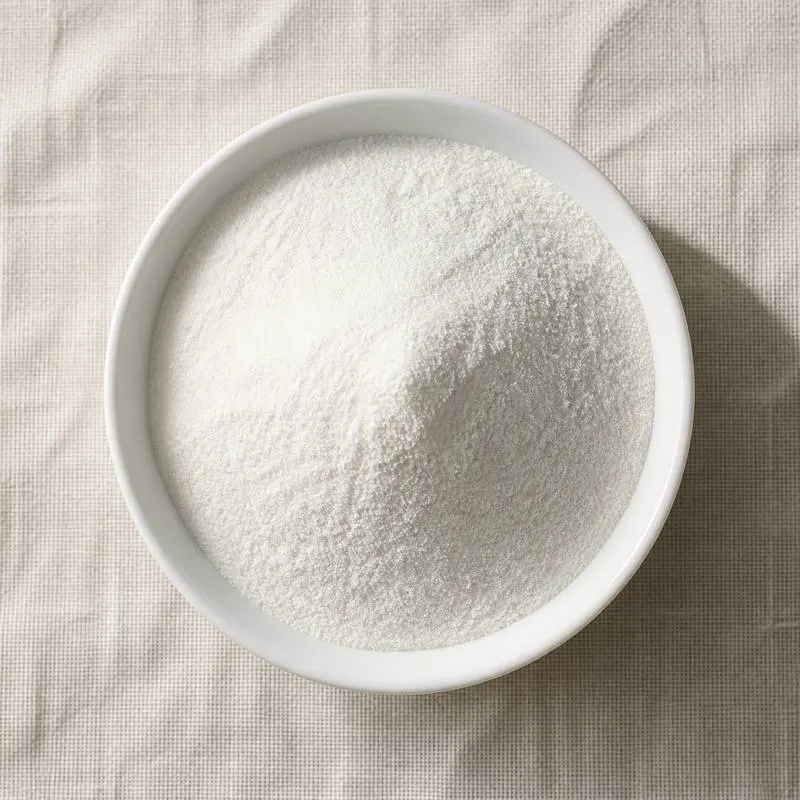
- 25 kg kraft paper bag with PE inner liner
- ISO 9001
- HACCP
- Halal
- Kosher
Specifications
| Item | Specification |
|---|---|
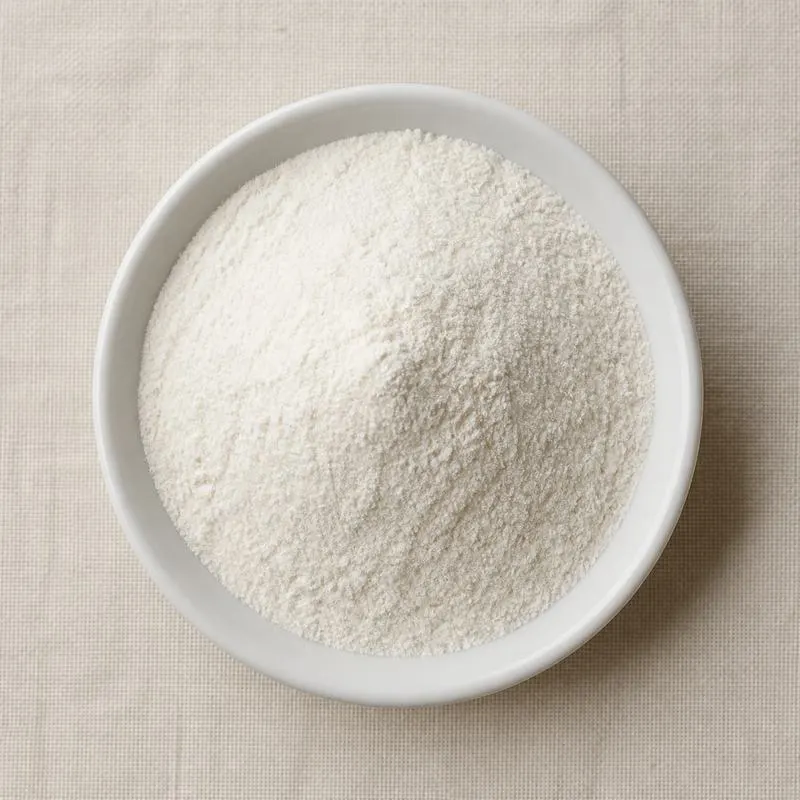
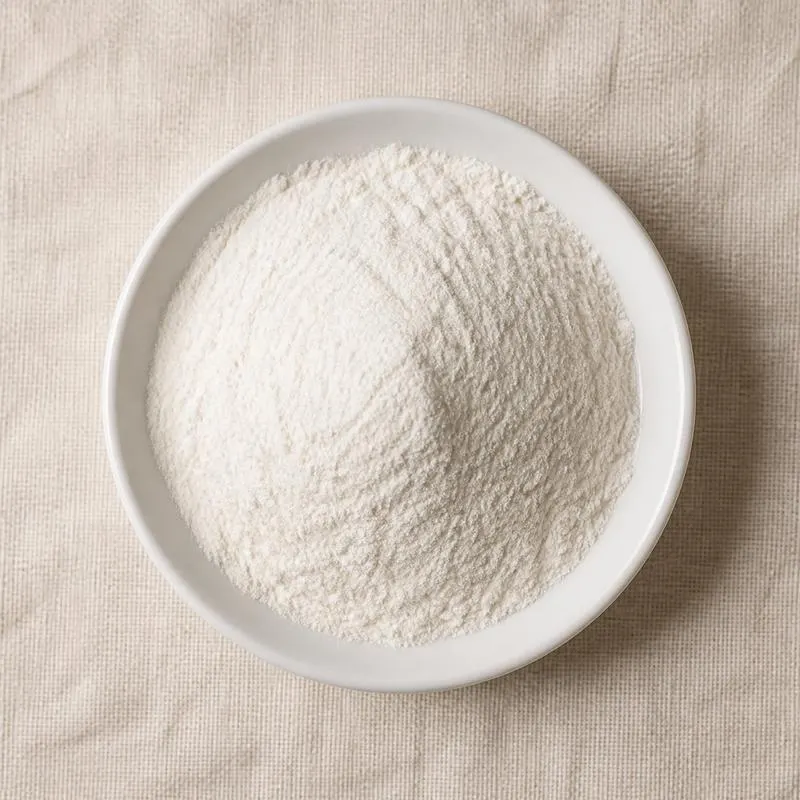
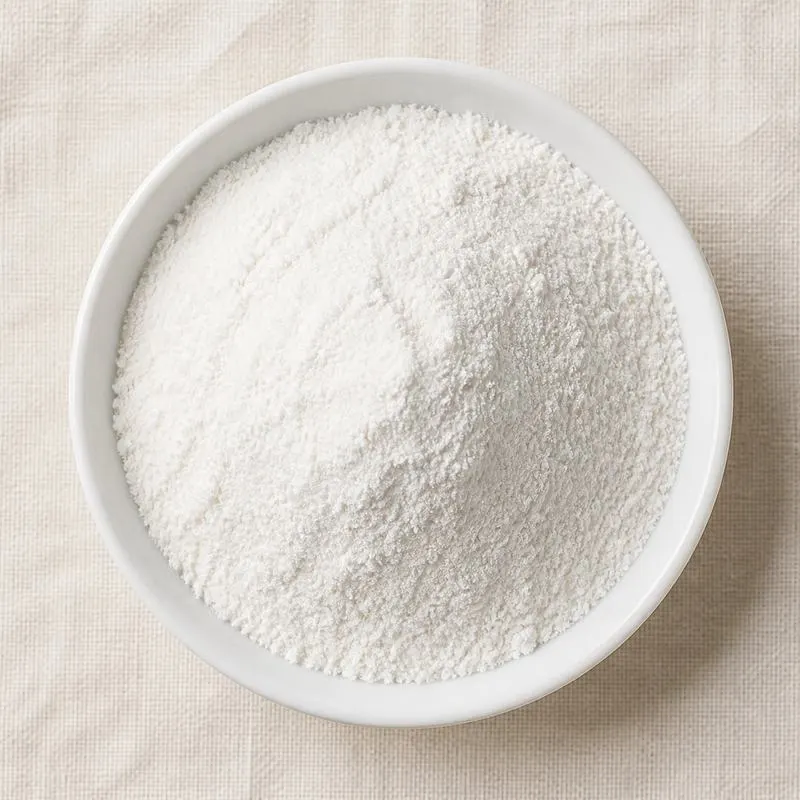
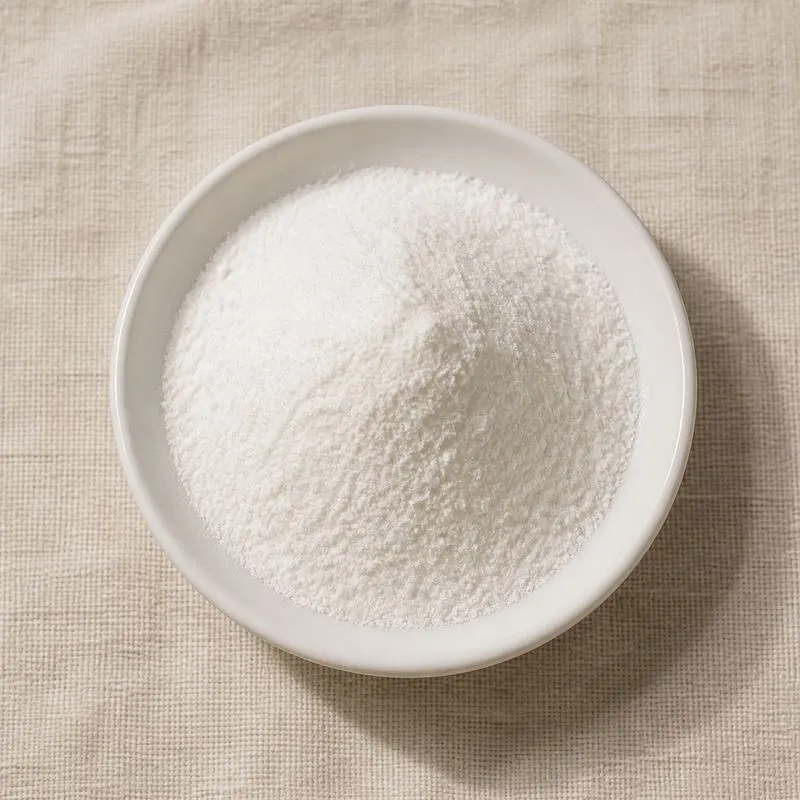
| Appearance | Light brown to dark brown powder |
| Total Dietary Fiber | ≥ 50.0% |
| Moisture | ≤ 12.0% |
| Ash Content | ≤ 25.0% |
| pH (1% suspension) | 6.0–9.0 |
| Particle Size | ≥ 90% through 60 mesh |
| Water Holding Capacity | ≥ 5 g/g |
| Iodine Content | Declared per lot |
| Arsenic (as As, inorganic) | ≤ 3 ppm |
| Lead (as Pb) | ≤ 3 ppm |
| Cadmium (as Cd) | ≤ 3 ppm |
| Total Plate Count | ≤ 10,000 CFU/g |
| E. coli | Negative/g |
Common Markets Grades
Seaweed fibre is graded by source species, total dietary fibre content, and intended functional role.
Brown seaweed grades from Laminaria, Saccharina, and Undaria dominate the supplement and meat-binder segments. They carry 50 to 65 percent TDF with a high alginate fraction.
Red seaweed grades from Gracilaria, Eucheuma, and Porphyra are preferred for gelled and dairy applications and carry 55 to 70 percent TDF with carrageenan and agar fractions.
Mixed-source whole-algae fibre is sold as a nutritional ingredient with the full native mineral and polysaccharide spectrum at 45 to 60 percent TDF.
Particle sizes range from 50 micron fine powders for beverages and supplements to 250 micron coarse grades for bakery and snack inclusion.
Applications
- Dietary supplements for fibre and iodine fortification
- Meal-replacement bars and shakes for satiety
- Asian noodles, rice, and steamed buns for fibre addition
- Plant-based meat patties and seafood analogues
- Bakery: bread, crackers, and crispbreads with sea-vegetable positioning
- Seasoning blends and umami salt-reduction systems
- Yogurt, smoothies, and dairy alternatives
- Sushi-style snacks and seaweed-wrap products
- Pet food premium and functional lines
- Aquaculture and livestock feed for gut health
China Manufacturers of Seaweed Fibre
Top Seaweed Fibre manufacturers in China.

Company names and logos are the property of the manufacturers themselves. They are listed here because our own directory records them as producing this ingredient. A listing is not an endorsement by them, and we do not represent them or speak on their behalf.
How We Help Source Seaweed Fibre
Direct Factory Sourcing
We run the whole process: selecting the manufacturer from the top Chinese food ingredient producers, negotiating the price, verifying quality, and coordinating the logistics. You deal with us instead of with several factories at once.
Original Packaging and Documents from the Manufacturer
The manufacturer sends your Seaweed Fibre out of its own factory in the original packing, through to your destination port. The COA, COO, MSDS, TDS and any certifications reach you from the manufacturer as well.
Free Samples and Lead Time
We send 100 to 500 g free for your own laboratory to test and you cover only the courier, usually within 2 to 3 working days. ETD is usually within 7 to 15 days once the order is confirmed, and we check that date against the factory's own manufacturing schedule before we give it to you.
Combined Shipment
We can load Seaweed Fibre together with other ingredients such as Citrus Fibre, Xylo-oligosaccharide and Inulin into one 20' FCL. If your quantity is small, we can also ship LCL.
Regulatory Status
Seaweed fibre falls under food ingredient frameworks rather than additive frameworks in most jurisdictions.
EU regulation requires species-by-species food-use history evaluation. Most commercial species (Laminaria digitata, Saccharina japonica, Undaria pinnatifida, Porphyra, Gracilaria) have a history of food use and require no novel-food authorisation.
The U.S. FDA recognises the relevant species as food under various GRAS notifications. The substance qualifies for dietary fibre labelling on the Nutrition Facts panel under the 2018 intact plant fibre category.
Iodine content is the dominant regulatory concern. EFSA's tolerable upper intake of 600 micrograms per day for adults, and lower limits for children, drive serving-size guidance on supplement and snack labels.
Manufacturing Process
Seaweed fibre is produced near the harvest sites of the parent species. The main hubs are coastal China, South Korea, Japan, Chile, Norway, France, and Atlantic Canada.
Wild-harvested or cultivated seaweed is rinsed in seawater to remove sand and epiphytes, then transferred to freshwater rinses to reduce salt.
The biomass is blanched, drained, and dried by sun, air, or low-temperature mechanical drying to preserve heat-sensitive polysaccharides. The dried material is milled, sieved, and air-classified to specification.
For higher-purity fibre, a hot-water or dilute-alkali extraction selectively dissolves the soluble polysaccharide fraction, which is then precipitated, washed, and dried separately. The remaining insoluble cell-wall material is processed into a complementary insoluble fibre grade.
Heavy-metal monitoring is critical because seaweeds concentrate iodine, arsenic, and cadmium from seawater. Atlantic and Antarctic harvests typically test lower in inorganic arsenic than tropical Pacific harvests.