Sichuan Spicy Flavour
Sichuan spicy flavour is a compounded savoury flavouring built to reproduce the mala profile of Sichuan cooking, in which the burn of chilli is combined with the tingling numbness of Sichuan pepper over a base of fermented broad bean paste, fried aromatics and spice. It is traded as a concentrate, in liquid, oil dispersed, paste or spray dried powder form, and is dosed into a finished food in place of building the profile from raw spices on the production line.
Two separate sensory mechanisms have to be carried at once. Pungency comes from the capsaicinoids of Capsicum, principally capsaicin and dihydrocapsaicin, which act on heat sensitive receptors, while the numbing sensation comes from the sanshools of Zanthoxylum, which instead stimulate touch sensitive fibres to produce a vibrating tingle. Both are lipophilic, so a Sichuan spicy flavour is more often an oil based system than a water based one. Above them sit the aroma layers, the citrus and pine terpenes of Sichuan pepper, the roasted pyrazines of fried chilli and aromatics, and the sulphur notes of garlic and onion.
Because the numbing principle degrades faster than any other component under heat, light and oxygen, the concentrate is normally packed under nitrogen and dosed late in a process. Strength is quoted as a recommended dosage and as pungency in Scoville heat units rather than as an assay of a single marker.
We source bulk Sichuan Spicy Flavour from top China manufacturers for our partners. The manufacturer is in Hebei. A smaller requirement can ship in a combined container with other ingredients.
Please send the grade you need, the volume and your destination port, and we will come back with a solution and a price.
or call +86-21-6858 0751
- Function
- Flavours and Aromas
Specifications
| Item | Specification |
|---|---|
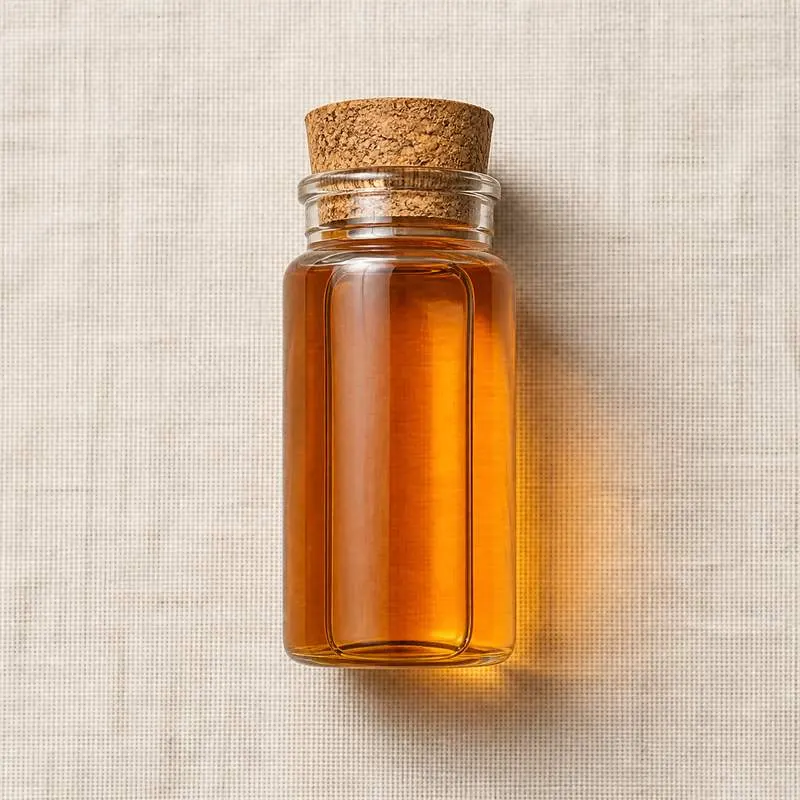
| Appearance | Red to dark red oil, paste or free flowing powder as declared per grade |
| Odour and Taste | Characteristic numbing and spicy, roasted, no scorched or rancid note |
| Identification | Sensory panel and gas chromatography profile conform to retained reference |
| Pungency | Declared in Scoville heat units per grade |
| Numbing Intensity | Conforms to retained sensory reference |
| Moisture, powder grades | Not more than 5.0% |
| Colour Value, oil grades | Within declared range for grade |
| Acid Value, oil grades | Not more than 2.0 mg KOH/g |
| Peroxide Value, oil grades | Not more than 5.0 meq/kg |
| Lead | Not more than 1.0 mg/kg |
| Arsenic | Not more than 0.5 mg/kg |
| Total Plate Count | Not more than 10,000 cfu/g |
| Yeast and Mould | Not more than 100 cfu/g |
| Salmonella | Absent in 25 g |
Common Markets Grades
Grades are defined by carrier, by the balance of the two active sensations and by declaration. Oil dispersed and oleoresin based grades carry both the capsaicinoid and the sanshool fraction efficiently and go into fat phases, chilli oils and seasoning oil sachets. Water dispersible grades emulsify the actives with a surfactant or a gum so that they can be dosed into brines, sauces and beverages. Spray dried powders on maltodextrin or modified starch flow into dry seasoning blends but lose part of the lightest aroma during drying, and encapsulated powders are used where the flavour must survive a downstream bake or extrusion step.
The ratio of la, the chilli burn, to ma, the numbing effect, is specified separately for each grade, and both are declared, pungency in Scoville heat units contributed at the recommended dosage and numbing strength against a sensory reference. Natural grades build the profile from chilli oleoresin, Sichuan pepper extract, spice oleoresins and reaction bases so that the declaration can say natural flavouring, while nature identical grades use individual aroma chemicals to hit the same profile at lower cost. Halal, vegetarian and no added glutamate versions are separate specifications.
Applications
- Mala hotpot and dry pot bases, where the flavour concentrate standardises a profile otherwise built from raw spices
- Instant noodle oil and powder sachets in numbing spicy varieties
- Snack seasonings tumbled onto crisps, extruded snacks, broad beans and coated nuts
- Marinated and braised cold meats and bean curd sold as chilled ready to eat products
- Spicy sausage, prepared meat and skewer products, dosed into the emulsion or the marinade
- Central kitchen sauces and ready meals in Sichuan style dishes such as mapo bean curd and boiled fish
- Chilli oil and seasoning oil manufacture, standardising batch to batch pungency
- Plant protein meat analogues, where a strong profile masks the base note of the protein
- Retorted and frozen prepared foods, added after the heat step so the numbing fraction survives
China Manufacturers of Sichuan Spicy Flavour
Top Sichuan Spicy Flavour manufacturers in China.
Company names and logos are the property of the manufacturers themselves. They are listed here because our own directory records them as producing this ingredient. A listing is not an endorsement by them, and we do not represent them or speak on their behalf.
Regulatory Status
Sichuan spicy flavour is a flavouring rather than a food additive and carries no E number. In the European Union each flavouring substance used in compounding must appear on the Union list of flavouring substances authorised for use in and on foods, and any reaction base made by cooking sugars with amino acids falls under the thermal process flavourings provisions of the same framework, which limit the starting materials, the reaction temperature and duration, and specified process contaminants in the finished flavouring. Extracts of chilli and Sichuan pepper are flavouring preparations under that framework rather than additives.
In the United States the FEMA GRAS programme clears the compounded flavour, while the spice and spice oleoresin provisions of 21 CFR 182.10 and 182.20 cover the underlying oleoresins. Manufacture sits under the preventive controls requirements for human food. Where capsicum extract is used at a level that colours the product, the paprika and paprika oleoresin colour provisions apply instead and the material must be declared as a colour. Codex addresses the class through its guidelines for the use of flavourings and through JECFA evaluation of the individual flavouring substances.
Manufacturing Process
The reaction and roast base is made first. Fermented broad bean paste, hydrolysed vegetable protein, reducing sugars, amino acids and a fat substrate are cooked in a jacketed reactor through a controlled temperature and time curve so that Maillard and Strecker chemistry generates the pyrazines, thiazoles and furanones that give the profile its cooked depth. In parallel, chilli and Sichuan pepper are extracted, the chilli with a solvent or with carbon dioxide to give an oleoresin standardised on capsaicinoid content, and the Sichuan pepper by solvent extraction and by steam distillation to recover the sanshool bearing oleoresin and the volatile oil separately.
Compounding brings these together on the cooled base with garlic, onion and spice oleoresins, individual aroma chemicals for the top notes and, where the grade calls for it, the taste fraction of glutamate, ribonucleotides and yeast extract. Oil grades are standardised in vegetable oil, filtered and filled. Water dispersible grades are emulsified with a gum and homogenised. Powder grades are homogenised into a feed slurry with a carrier and spray dried, then sieved and checked for residual moisture and bulk density. Filling is done under nitrogen because the sanshool fraction oxidises readily.