Sodium Saccharin
Sodium Saccharin is the sodium salt of saccharin in its dihydrate crystalline form, the most widely used commercial variant of the oldest synthetic non-nutritive sweetener. It delivers a sweetness intensity of 300 to 500 times that of sucrose, depending on concentration and the reference matrix.
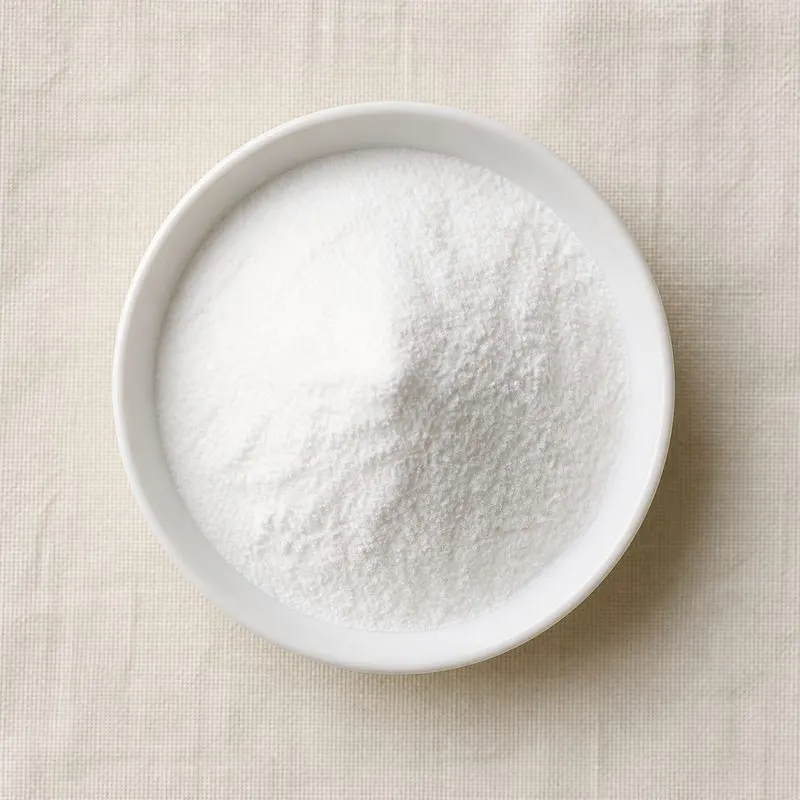
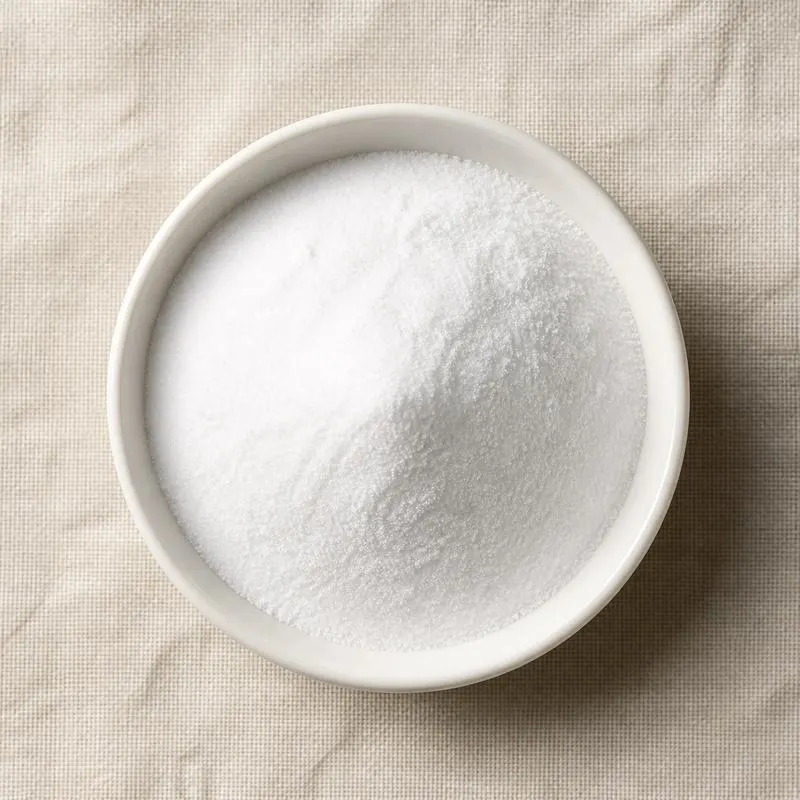
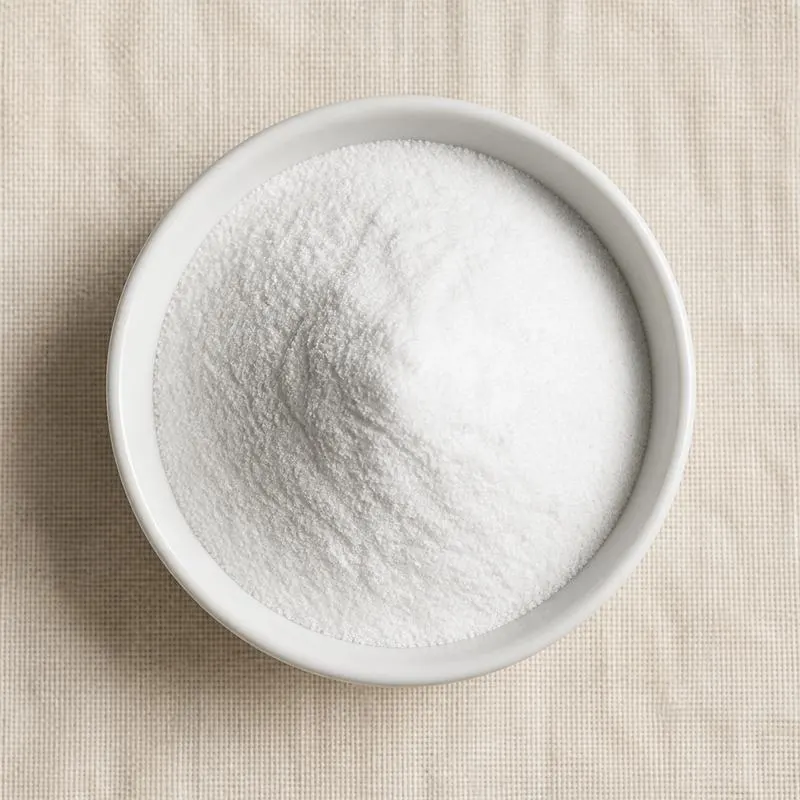
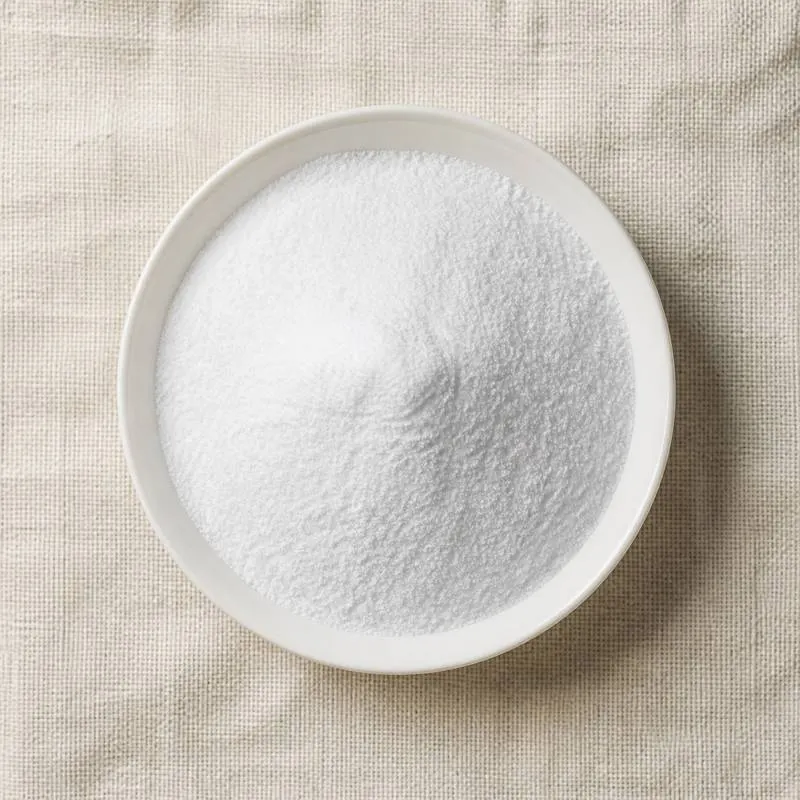
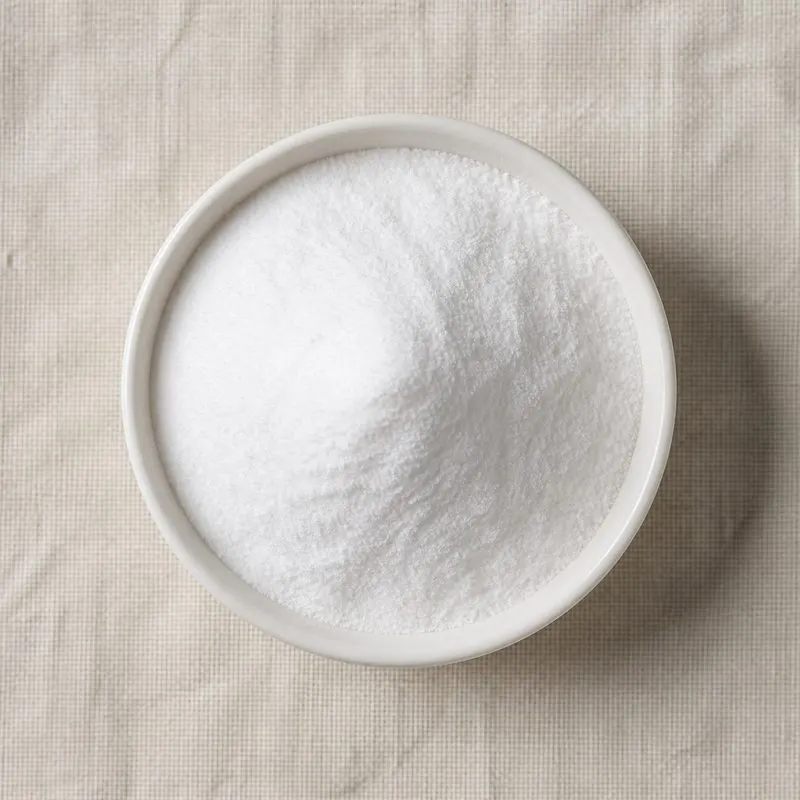
The compound has the formula C₇H₄NNaO₃S·2H₂O and a molar mass of 241.19 g/mol. It is a white, odourless crystalline powder that is freely soluble in water, which is the central reason the dihydrate form dominates wet-process applications such as beverages and syrups.
The two molecules of water of crystallisation make the dihydrate the lowest-cost and most rapidly dissolving form of sodium saccharin. Its sweetness profile is fast-onset with a clean front-end and a recognizable metallic, slightly bitter tail at higher concentrations, which is routinely masked by blending with cyclamate, sucralose, or sugar alcohols.
We source bulk Sodium Saccharin from top China manufacturers for our partners, working with several of them. The manufacturers are in Tianjin, Hebei and Henan. For this ingredient the minimum order is 500 kg and a 20-foot container takes 20 MT, and a smaller requirement can ship in a combined container with other ingredients.
Please send the grade you need, the volume and your destination port, and we will come back with a solution and a price.
or call +86-21-6858 0751
- Minimum order
- 500 kg
- Qty in 20' FCL
- 20 MT
- Packaging
- 25 kg kraft paper bag with PE inner liner
- ISO 9001
- HACCP
- Halal
- Kosher
Specifications
| Item | Specification |
|---|---|
| Appearance | White crystalline powder or granules |
| Assay (dry basis) | 99.0% to 101.0% |
| Loss on drying | ≤ 15.0% |
| pH (1:10 solution) | 6.0 to 8.0 |
| Heavy metals (as Pb) | ≤ 10 mg/kg |
| Arsenic | ≤ 3 mg/kg |
| Readily carbonizable substances | Passes test |
| Benzoate and salicylate | Passes test |
| Mesh size | 4 to 8, 8 to 16, 20 to 40, 100 mesh, or per customer specification |
Common Markets Grades
Sodium saccharin dihydrate trades as the standard food and pharmaceutical grade at 99 percent minimum assay on the anhydrous basis.
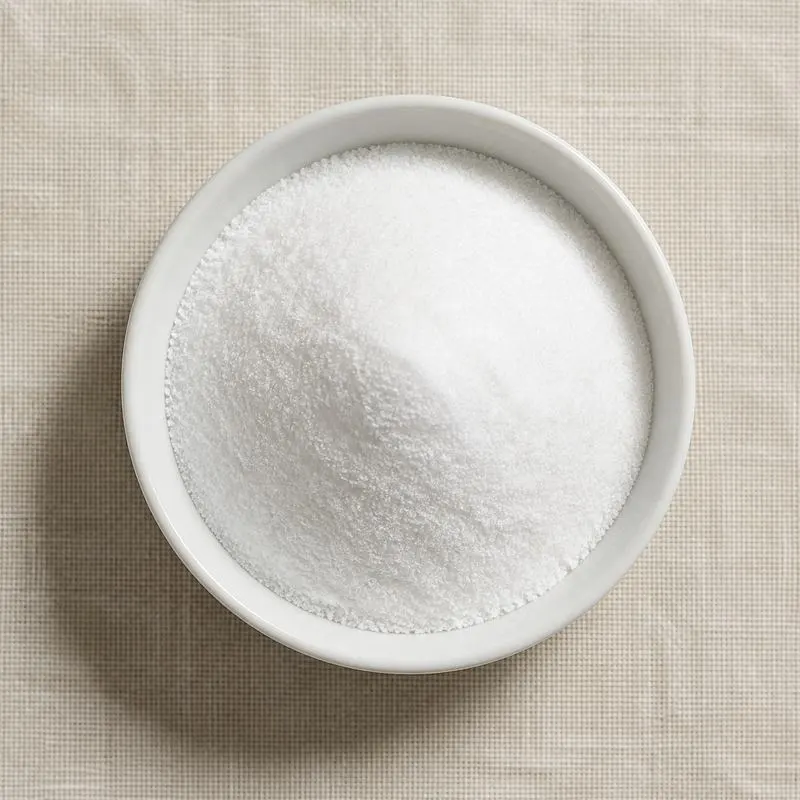
Different particle sizes suit different end uses. A coarser crystalline grade with mean particle size of 200 to 500 micrometers is typical for tabletop tablets and direct addition to beverage syrups, where it dissolves quickly without dust generation.
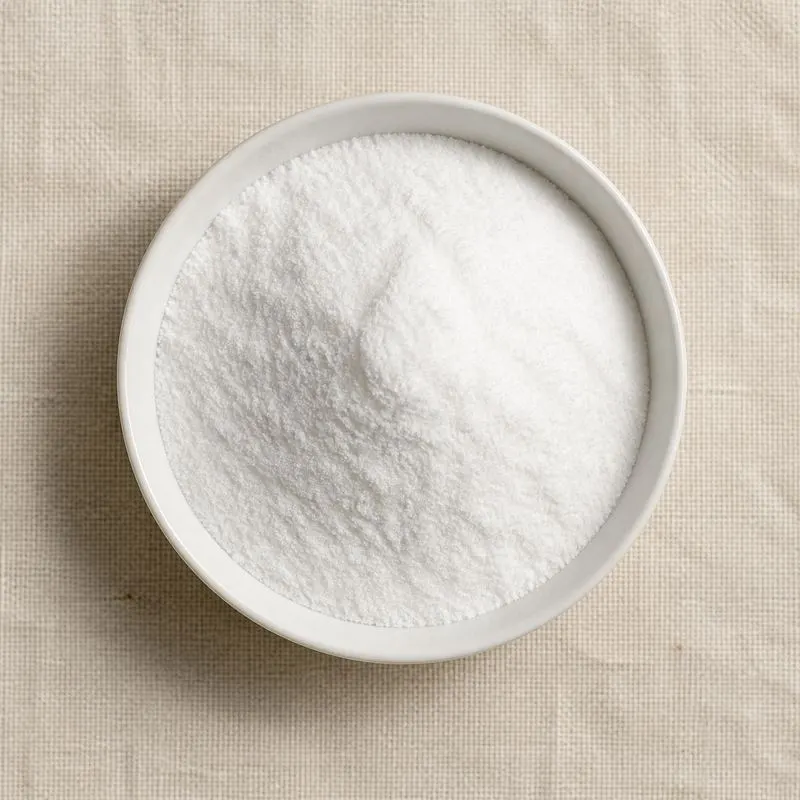
A finer milled grade is preferred for pharmaceutical syrups, oral suspensions, and high-speed packaging of liquid sweetener concentrates. The dihydrate is the standard form when water is already present in the formulation system.
Pharmaceutical-grade material complies with the United States Pharmacopeia (USP), the European Pharmacopoeia (Ph. Eur.), the British Pharmacopoeia (BP), and the Japanese Pharmacopoeia (JP). The pharmacopoeial specifications add tight limits on toluenesulfonamides and other process-related impurities.
Applications
- Tabletop sweeteners in liquid drop and concentrate format where rapid dissolution is essential
- Diet carbonated soft drinks, flavoured waters, and beverage syrups
- Powdered drink mixes (where the moisture in reconstitution drives dissolution)
- Sugar-free fruit nectars, juices, and reduced-calorie beverages
- Pharmaceutical syrups, elixirs, and pediatric oral suspensions to mask bitter actives
- Effervescent vitamin and mineral tablets where the dihydrate dissolves on contact with water
- Sugar-free jams, jellies, and fruit preserves
- Canned fruits in light syrup and reduced-sugar fruit cocktails
- Sauces, dressings, and condiments such as low-calorie ketchup
- Sugar-free chewing gum and hard candies as a co-sweetener with cyclamate or sugar alcohols
- Toothpaste, mouthwash, and oral-care rinses
- Multi-sweetener blends with cyclamate (the classic 1:10 saccharin-cyclamate ratio)
Brands Using Sodium Saccharin
Widely-distributed consumer products that list Sodium Saccharin on the ingredient label.
- Sweet'N Low (Cumberland Packing)Sweet'N Low Zero Calorie Sweetener Packets ↗Sweet'N Low official FAQ verbatim: 'Saccharin is the sweetener in Sweet'N Low.' Packets also use dextrose as a bulking carrier.Label verified 2026-05-24
- Equal (Merisant)Equal Saccharin Packets ↗Equal-branded saccharin product, listed on official Equal product page, uses sodium saccharin as the sweetening agent.Label verified 2026-05-24
Brand names, product names and logos are the property of their owners. They appear here as published evidence that the ingredient is used, taken from the brand's own label or website. Their appearance is not an endorsement, and it does not mean the brand buys from us or from any manufacturer listed on this site.
China Manufacturers of Sodium Saccharin
Top Sodium Saccharin manufacturers in China.
- Hebei Yunsheng Biotechnology Co., Ltd.4 ingredients in the directory
 Henan Kaifeng Pingmei Shenma Xinghua Fine Chemical Co., Ltd.1 ingredient in the directory
- Tianjin Changjie Chemical Co., Ltd.2 ingredients in the directory
 Tianjin Northfood Co., Ltd.2 ingredients in the directory
Company names and logos are the property of the manufacturers themselves. They are listed here because our own directory records them as producing this ingredient. A listing is not an endorsement by them, and we do not represent them or speak on their behalf.
How We Help Source Sodium Saccharin
Direct Factory Sourcing
We run the whole process: selecting the manufacturer from the top Chinese food ingredient producers, negotiating the price, verifying quality, and coordinating the logistics. You deal with us instead of with several factories at once.
Original Packaging and Documents from the Manufacturer
The manufacturer sends your Sodium Saccharin out of its own factory in the original packing, through to your destination port. The COA, COO, MSDS, TDS and any certifications reach you from the manufacturer as well.
Free Samples and Lead Time
We send 100 to 500 g free for your own laboratory to test and you cover only the courier, usually within 2 to 3 working days. ETD is usually within 7 to 15 days once the order is confirmed, and we check that date against the factory's own manufacturing schedule before we give it to you.
Combined Shipment
We can load Sodium Saccharin together with other ingredients such as Stevia, Erythritol and Maltitol into one 20' FCL. If your quantity is small, we can also ship LCL.
Regulatory Status
Sodium saccharin has been approved for use in foods for more than a century and is permitted in over 100 countries.
In the European Union it carries the E number E954 under Regulation (EC) No 1333/2008, with use levels defined per food category in Annex II.
The U.S. Food and Drug Administration permits saccharin and its salts as a non-nutritive sweetener under 21 CFR 180.37. From 1981 to 2000, U.S. law required a warning label following a Canadian rat-bladder-tumor study, but the National Toxicology Program removed saccharin from its Report on Carcinogens in 2000 after mechanistic studies showed the rat findings were not relevant to humans. The warning requirement was repealed by the Saccharin Notice Repeal Act in 2001.
JECFA has evaluated saccharin and its salts and assigned acceptable status. Pharmacopoeial monographs appear in the United States Pharmacopeia (USP), the European Pharmacopoeia (Ph. Eur.), the British Pharmacopoeia (BP), and the Japanese Pharmacopoeia (JP). Halal and Kosher certifications are routinely available.
Manufacturing Process
Industrial saccharin manufacture has used two main synthetic routes since the late nineteenth century, both yielding the same free acid that is subsequently converted to the sodium salt.
The Remsen-Fahlberg process, the original route, oxidises ortho-toluenesulfonamide derived from toluene through chlorosulfonation. This route produces a mixture of ortho- and para-toluenesulfonamide isomers and yields saccharin as the cyclic imide after ring closure. The Maumee process, developed in the 1950s, starts from methyl anthranilate and proceeds through diazotization and cyclization, giving a higher-purity product with lower levels of toluenesulfonamide residues.
The crude saccharin acid is neutralised with sodium hydroxide, then crystallised from water under controlled cooling to deposit the dihydrate. The two water molecules incorporate into the crystal lattice and remain bound under ambient storage.
The crystals are washed, centrifuged, and dried at modest temperatures to preserve the dihydrate structure. The dried product is screened to the target particle-size distribution and packed for the wet-process applications that dominate its commercial use.