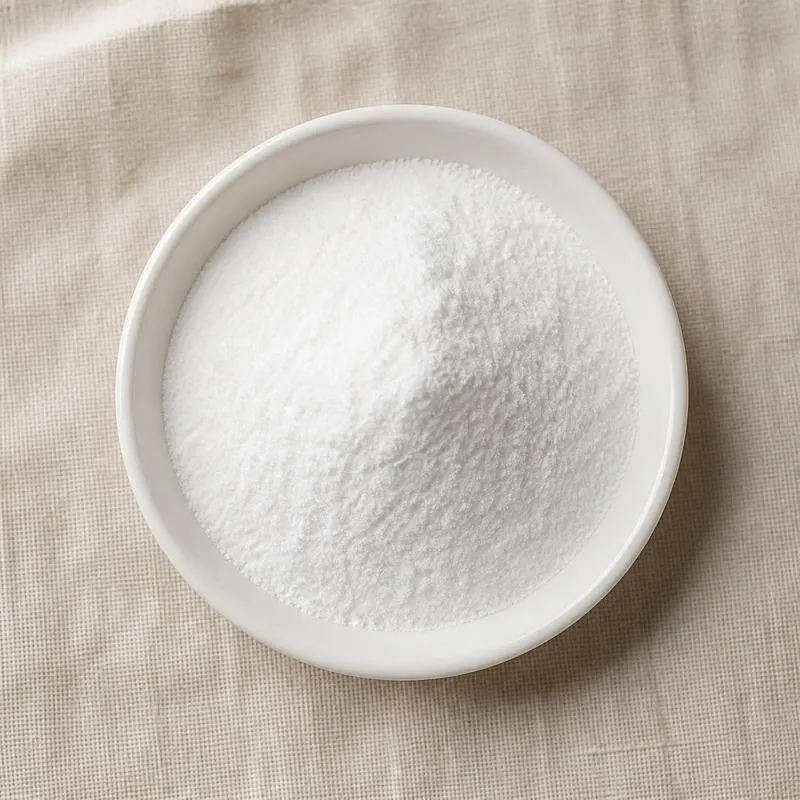
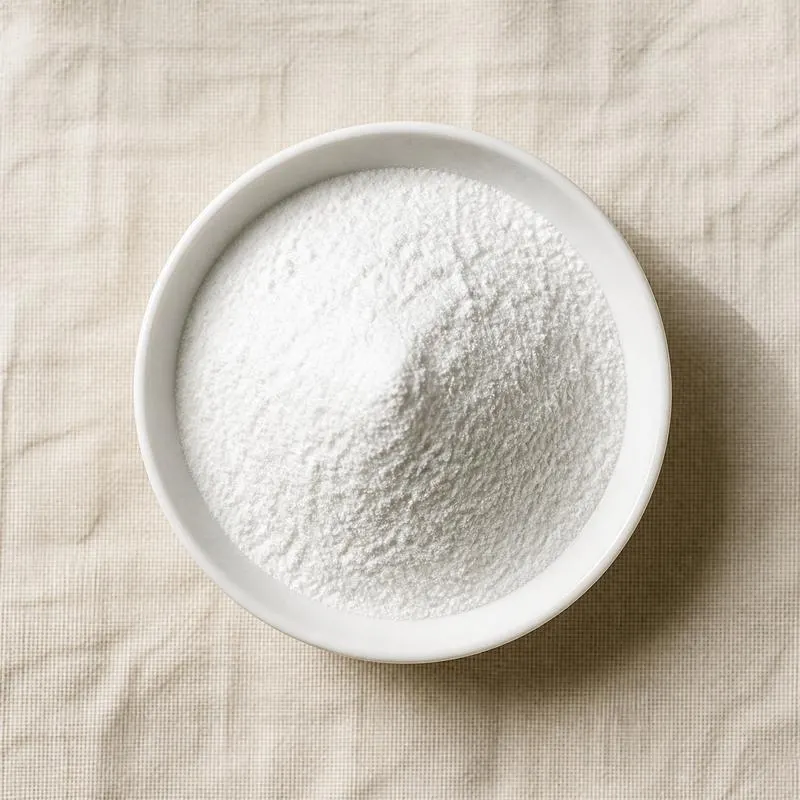
Sodium Dehydroacetate
Sodium Dehydroacetate is the sodium salt of dehydroacetic acid and the water-soluble form most often used as a broad-spectrum preservative in cosmetics, personal care, and selected food categories.
The compound has the molecular formula C₈H₇NaO₄ and CAS number 4418-26-2. It is active against yeasts, moulds, and a range of bacteria across a moderately wide pH window, which is the main reason formulators select it over the parent acid.
We source bulk Sodium Dehydroacetate from top China manufacturers for our partners, working with several of them. The manufacturers are in Shandong, Jiangsu and Guangxi. For this ingredient the minimum order is 1,000 kg and a 20-foot container takes 17 MT, and a smaller requirement can ship in a combined container with other ingredients.
Please send the grade you need, the volume and your destination port, and we will come back with a solution and a price.
or call +86-21-6858 0751
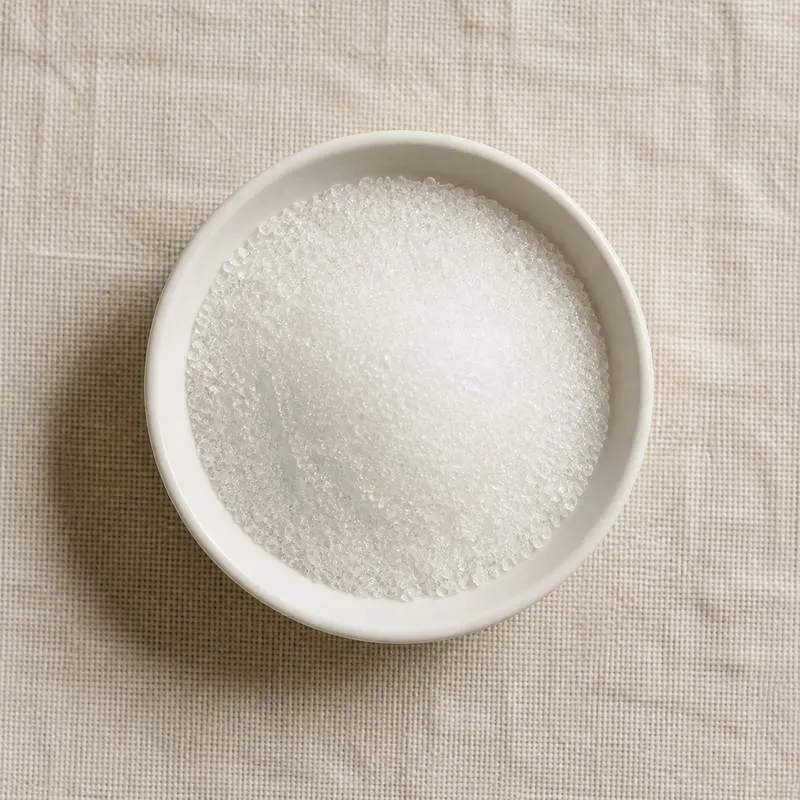
- Minimum order
- 1,000 kg
- Qty in 20' FCL
- 17 MT
- Packaging
- 25 kg kraft paper bag with PE inner liner
- Function
- Preservative
- ISO 9001
- HACCP
- Halal
- Kosher
Specifications
| Item | Specification |
|---|---|
| Appearance | White crystalline powder |
| Purity/Assay | ≥ 98% |
| Moisture/Loss on Drying | ≤ 5% |
| pH | 5.0 - 7.0 |
| Heavy Metals | ≤ 10 ppm |
| Lead | ≤ 2 ppm |
| Arsenic | ≤ 1 ppm |
| Total Plate Count | ≤ 1000 cfu/g |
| Yeast & Mold | ≤ 100 cfu/g |
Common Markets Grades
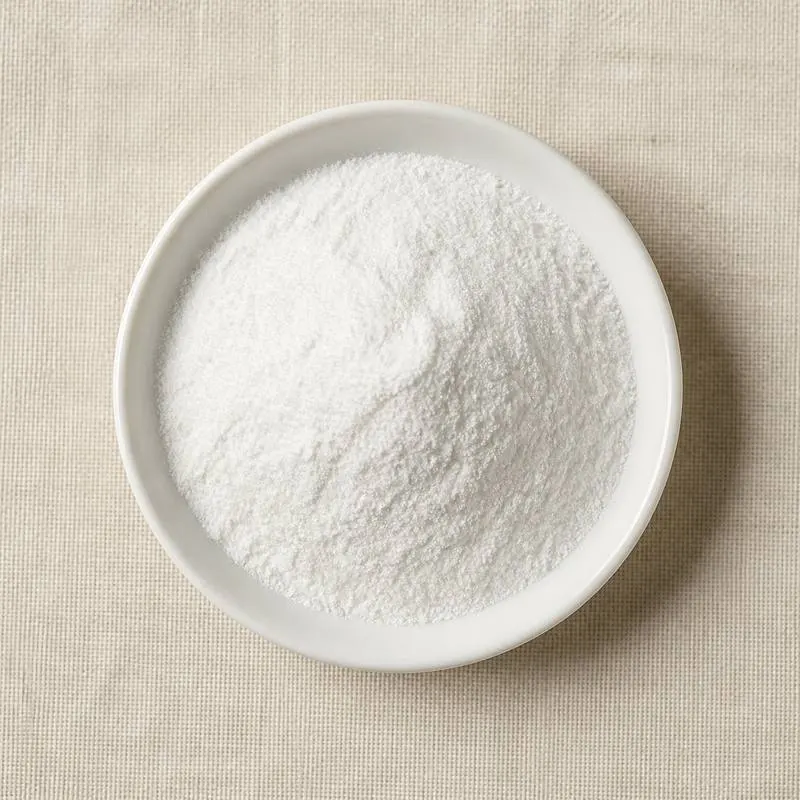
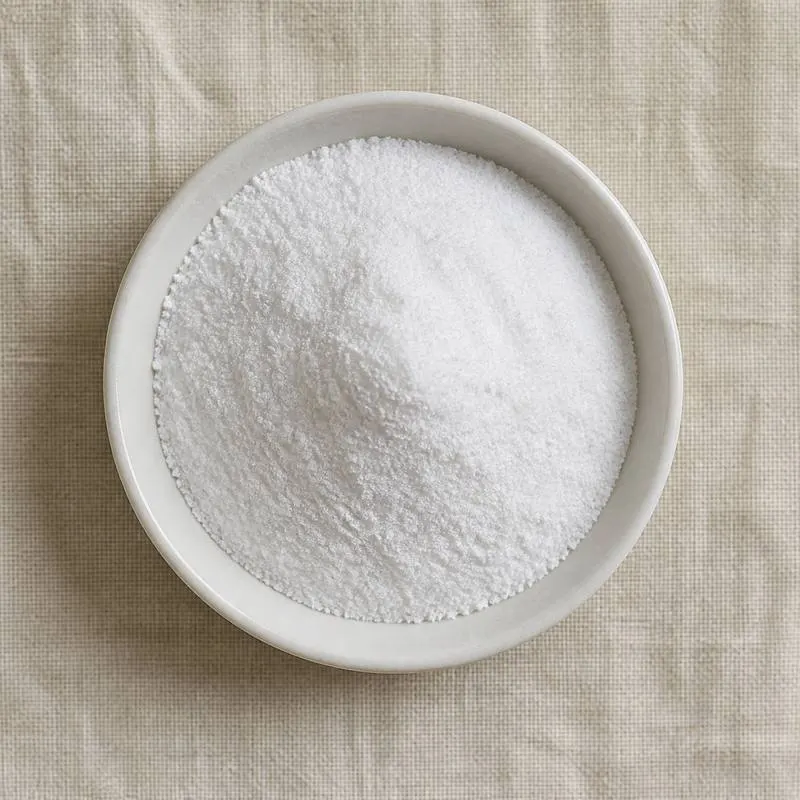
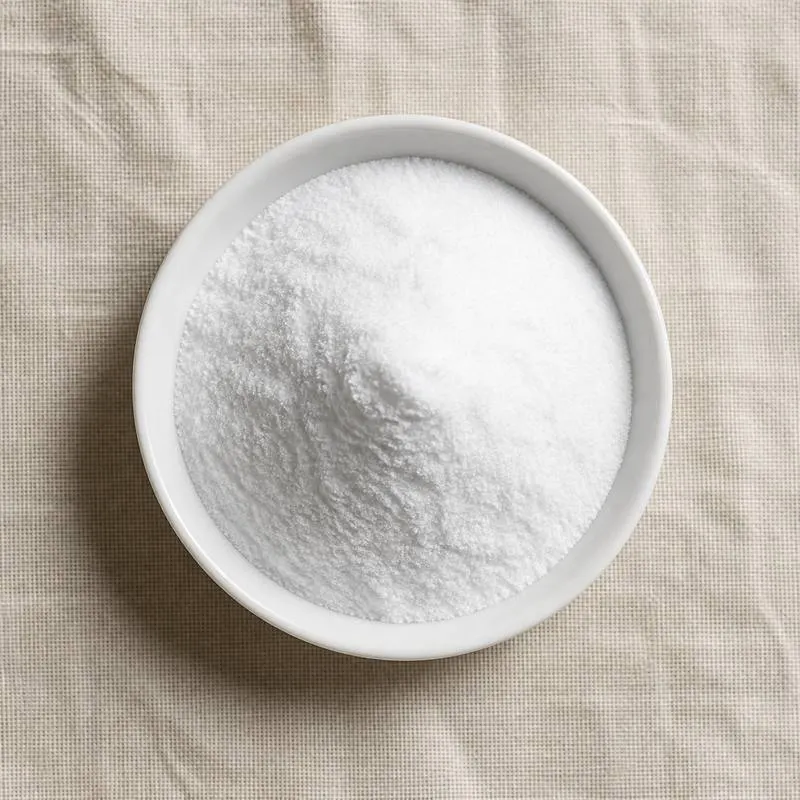
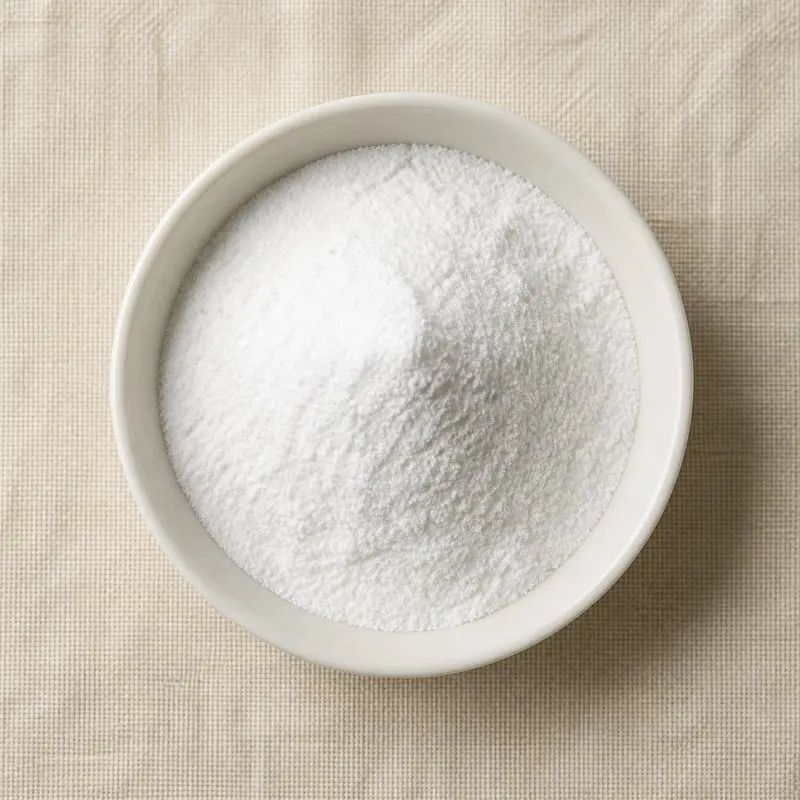
Sodium Dehydroacetate is normally offered as a free-flowing white to off-white crystalline powder of 99 percent minimum assay.
A cosmetic grade meeting INCI 'Sodium Dehydroacetate' is the standard format. Suppliers micronize it for faster dispersion in cold-process emulsions and surfactant systems.
A separate food-additive grade is offered in markets where local regulation still permits the substance, with tighter limits on lead, arsenic, and residual solvents.
Packaging is typically 25 kg fibre drums or kraft bags with polyethylene liner. Material is hygroscopic and is stored away from strong acids, which would shift the equilibrium back toward the free acid form.
Applications
- Leave-on skincare emulsions including creams, lotions, and serums
- Rinse-off personal care: shampoos, body washes, conditioners, and liquid hand soaps
- Colour cosmetics such as mascara, liquid foundation, and cream eyeshadow
- Wet wipes and facial sheet masks where mould growth is the dominant spoilage risk
- Hair styling products including gels, mousses, and leave-in treatments
- Sunscreens and after-sun lotions
- Asian-style baked goods such as steamed buns, mooncakes, and soft bread (where locally permitted)
- Pickled vegetables and fermented bean curd in markets that permit food use
- Soy sauce, fruit syrups, and concentrated beverage bases
- Wet pet food and treats in some jurisdictions
- Industrial cutting fluids and water-based coolants as a biocide
Brands Using Sodium Dehydroacetate
Widely-distributed consumer products that list Sodium Dehydroacetate on the ingredient label.
Brand names, product names and logos are the property of their owners. They appear here as published evidence that the ingredient is used, taken from the brand's own label or website. Their appearance is not an endorsement, and it does not mean the brand buys from us or from any manufacturer listed on this site.
China Manufacturers of Sodium Dehydroacetate
Top Sodium Dehydroacetate manufacturers in China.
 Guangxi Jinyuan Biochemical Industry Co., Ltd.10 ingredients in the directory
 Nantong Acetic Acid Chemical Co., Ltd.6 ingredients in the directory
 Nantong Alchemy Biotech Development Co., Ltd.8 ingredients in the directory
 Qingdao Baotai Pure Food Technology Co., Ltd.16 ingredients in the directory
 Qingdao Dawei Biological Engineering Co., Ltd.8 ingredients in the directory
 Qingdao Jiutai Biotechnology Co., Ltd.8 ingredients in the directory
Company names and logos are the property of the manufacturers themselves. They are listed here because our own directory records them as producing this ingredient. A listing is not an endorsement by them, and we do not represent them or speak on their behalf.
How We Help Source Sodium Dehydroacetate
Direct Factory Sourcing
We run the whole process: selecting the manufacturer from the top Chinese food ingredient producers, negotiating the price, verifying quality, and coordinating the logistics. You deal with us instead of with several factories at once.
Original Packaging and Documents from the Manufacturer
The manufacturer sends your Sodium Dehydroacetate out of its own factory in the original packing, through to your destination port. The COA, COO, MSDS, TDS and any certifications reach you from the manufacturer as well.
Free Samples and Lead Time
We send 100 to 500 g free for your own laboratory to test and you cover only the courier, usually within 2 to 3 working days. ETD is usually within 7 to 15 days once the order is confirmed, and we check that date against the factory's own manufacturing schedule before we give it to you.
Combined Shipment
We can load Sodium Dehydroacetate together with other ingredients such as Calcium Propionate, Sodium Diacetate and Sodium Propionate into one 20' FCL. If your quantity is small, we can also ship LCL.
Regulatory Status
Sodium Dehydroacetate is listed in the EU cosmetic regulation (Regulation 1223/2009) Annex V entry 33 as a permitted preservative at up to 0.6 percent (expressed as the acid) in rinse-off and leave-on products, with restrictions on aerosol use.
The European Food Safety Authority published an opinion in 2023 raising concerns about reproductive and developmental toxicity, which has prompted ongoing regulatory review and reformulation activity in cosmetic ranges.
In the United States the substance is not listed as a direct food additive, and the FDA has not affirmed GRAS status for general food use. Cosmetic use is permitted under the general framework of the FD&C Act.
Japan permits the salt as a food preservative in cheese, butter, margarine, and certain pickles under the Food Sanitation Act, with maximum-use levels set by category.
Halal and Kosher certifications exist from most major producers, as the synthesis involves no animal-derived inputs.
Manufacturing Process
Sodium Dehydroacetate is manufactured by neutralising dehydroacetic acid with sodium hydroxide or sodium carbonate in aqueous solution.
The dehydroacetic acid feedstock itself is made by the Boese condensation of two equivalents of diketene, which dimerizes and cyclizes to form the 4-hydroxy-6-methyl-2-pyrone-3-acetyl skeleton. The reaction runs under mild basic catalysis in an inert solvent.
After neutralisation the salt is isolated by crystallisation from water or water-alcohol mixtures. The crystals are then washed, centrifuged, and dried in a fluid-bed or vacuum dryer to remove residual moisture below the specification limit.
A final micronization step controls particle size for cosmetic dispersion. Most commercial supply comes from manufacturers in eastern China, with smaller volumes from India.