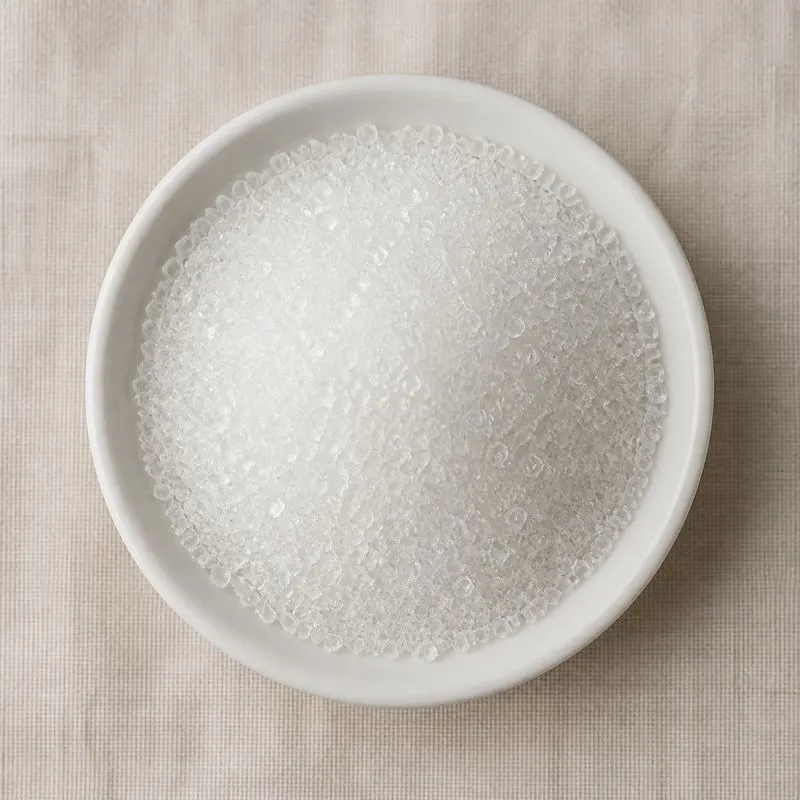
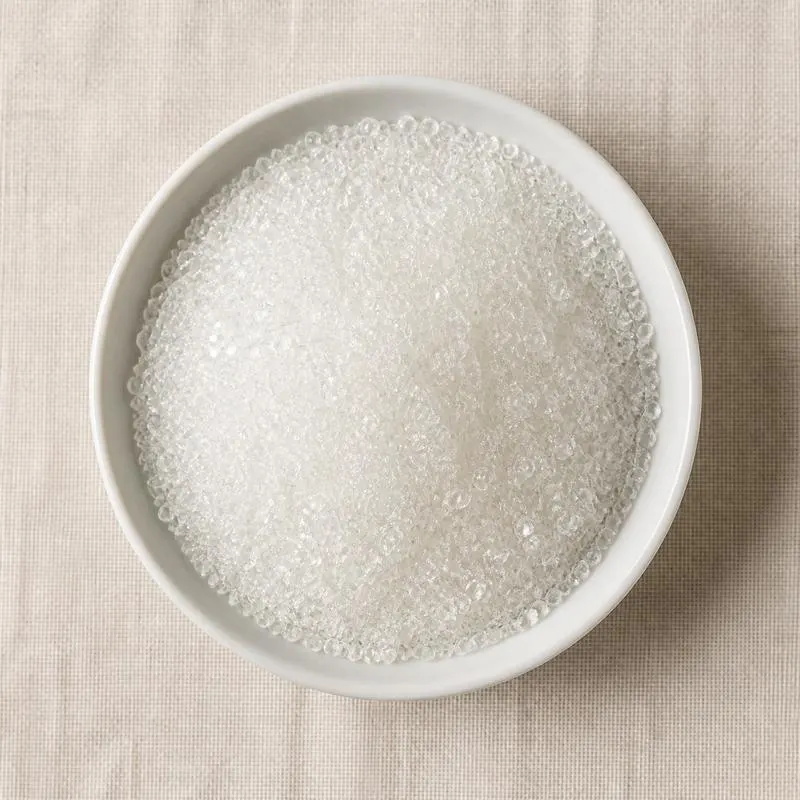
Sodium DL-Malate
Sodium DL-Malate is the sodium salt of synthetic DL-malic acid, a racemic mixture of the L and D stereoisomers in roughly equal proportion. It functions as an acidity regulator, buffering agent, and flavour enhancer in many food and beverage applications.
The compound carries the European food additive code E350 and comes in both mono-sodium and di-sodium forms. It is fully water-soluble, has a clean tart taste profile, and contributes a mild apple-like back-note when used at typical formulation levels.
We source bulk Sodium DL-Malate from top China manufacturers for our partners. The manufacturer is in Shanxi. A smaller requirement can ship in a combined container with other ingredients.
Please send the grade you need, the volume and your destination port, and we will come back with a solution and a price.
or call +86-21-6858 0751
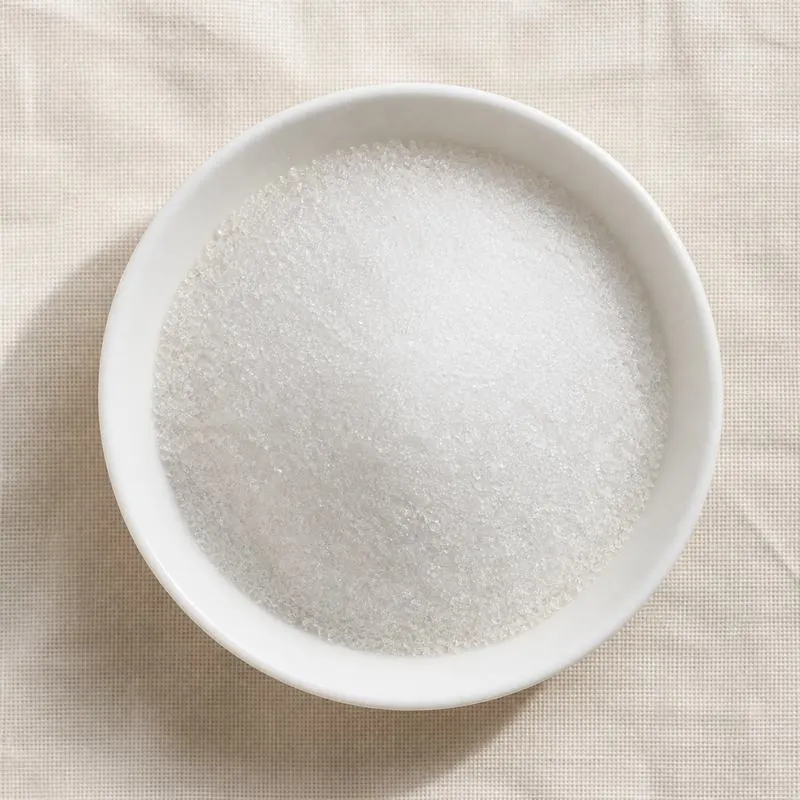
- Packaging
- 25 kg kraft paper bag with PE inner liner
- ISO 9001
- HACCP
- Halal
- Kosher
Specifications
| Item | Specification |
|---|---|
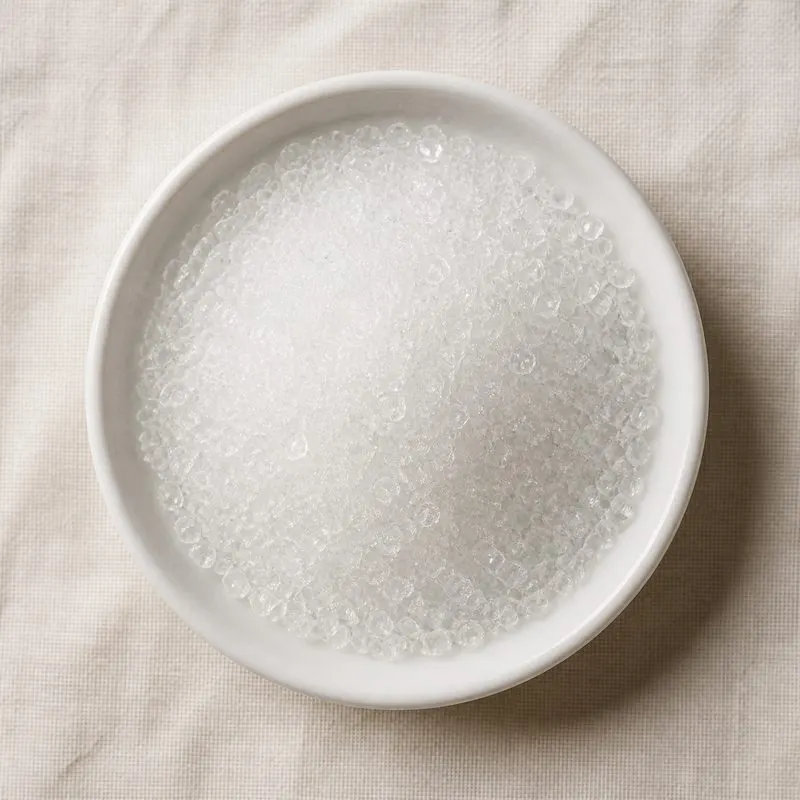
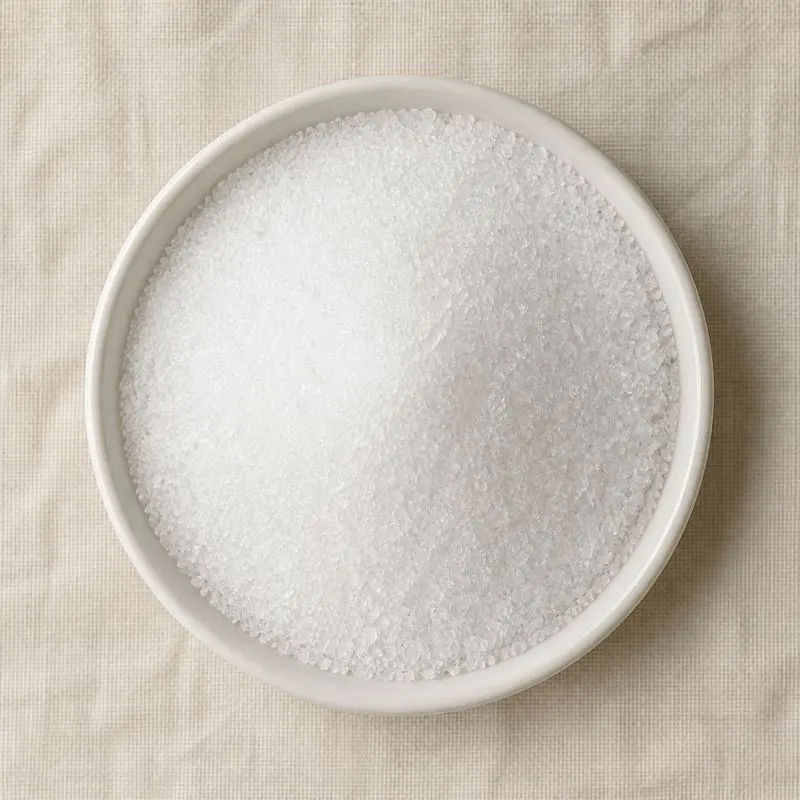
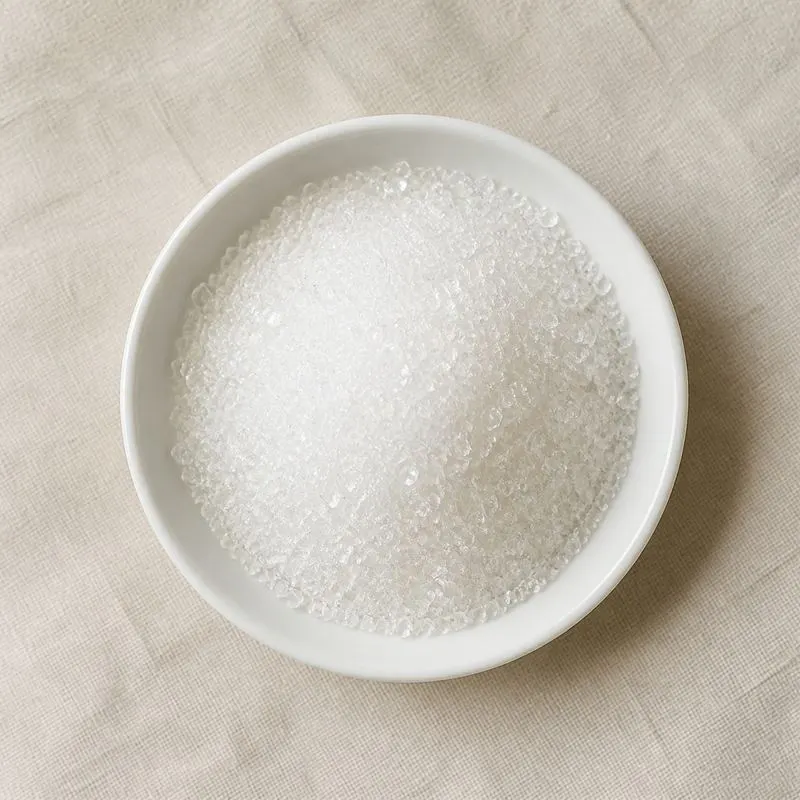
| Appearance | White crystalline powder or granules, odourless |
| Identification (malate) | Conforms |
| Assay (as sodium DL-malate, dried basis) | 99.0-101.0% |
| Loss on Drying (105 °C, 2 h) | ≤ 2.0% |
| pH (10% solution) | 6.0-8.5 |
| Maleic Acid | ≤ 0.05% |
| Fumaric Acid | ≤ 1.0% |
| Sulfate (as SO₄) | ≤ 0.05% |
| Chloride (as Cl) | ≤ 0.04% |
| Heavy Metals (as Pb) | ≤ 10 mg/kg |
| Lead (as Pb) | ≤ 2 mg/kg |
| Arsenic (as As) | ≤ 3 mg/kg |
| Total Plate Count | ≤ 1,000 CFU/g |
| Yeast and Mould | ≤ 100 CFU/g |
| E. coli | Negative/g |
Common Markets Grades
Sodium DL-Malate is produced primarily as the mono-sodium salt for food and beverage use, with the di-sodium form available for higher-pH buffering systems.
Food-grade mono-sodium DL-malate is a white crystalline powder with a typical assay of 99.0 percent or higher. Standard particle size sits in the 40 to 80 mesh range, with finer 100 to 200 mesh grades for direct compression and instant beverage applications where rapid dissolution is needed.
The di-sodium variant solubilises to a pH around 7.5 to 8.5 at 1 percent concentration and is preferred for low-sodium salt blends, isotonic beverage bases, and pH-stabilised canned vegetables. Hygroscopicity is higher than the mono-sodium form, so packaging uses moisture-barrier liners and tighter humidity control.
Technical grade assays 98 percent purity and serves non-food industrial buffering. The cost difference relative to food grade is small, so most formulators standardise on the food-grade specification across applications.
Applications
- Buffering agent in carbonated soft drinks, flavoured waters, and sports drinks
- Acidity regulator in dry beverage mixes and effervescent tablet bases
- pH control in canned fruits, vegetables, and fruit fillings
- Component of low-sodium salt replacement blends paired with potassium chloride
- Flavour enhancer in sour confectionery, hard candies, and chewing gum
- Buffering aid in instant pudding and gelatin desserts
- pH stabiliser in processed cheese and analogue cheese systems
- Texture and moisture control in cured and marinated meats
- Component of meat brine injection and tumbling solutions
- Buffering and flavour-rounding agent in dressings, sauces, and condiments
- Mineral fortification carrier in functional beverages and nutritional supplements
- pH adjuster in toothpaste, mouthwash, and other oral care formulations
China Manufacturers of Sodium DL-Malate
Top Sodium DL-Malate manufacturers in China.
Company names and logos are the property of the manufacturers themselves. They are listed here because our own directory records them as producing this ingredient. A listing is not an endorsement by them, and we do not represent them or speak on their behalf.
How We Help Source Sodium DL-Malate
Direct Factory Sourcing
We run the whole process: selecting the manufacturer from the top Chinese food ingredient producers, negotiating the price, verifying quality, and coordinating the logistics. You deal with us instead of with several factories at once.
Original Packaging and Documents from the Manufacturer
The manufacturer sends your Sodium DL-Malate out of its own factory in the original packing, through to your destination port. The COA, COO, MSDS, TDS and any certifications reach you from the manufacturer as well.
Free Samples and Lead Time
We send 100 to 500 g free for your own laboratory to test and you cover only the courier, usually within 2 to 3 working days. ETD is usually within 7 to 15 days once the order is confirmed, and we check that date against the factory's own manufacturing schedule before we give it to you.
Combined Shipment
We can load Sodium DL-Malate together with other ingredients such as Calcium Acetate, Citric Acid and Glucono-Delta-Lactone into one 20' FCL. If your quantity is small, we can also ship LCL.
Regulatory Status
Sodium DL-Malate is approved as a food additive in essentially every regulated market under the general malate family.
In the European Union it carries the E number E350, covering both the sodium hydrogen malate (E350(i)) and sodium malate (E350(ii)) forms. Use is permitted under the quantum satis principle across many food categories.
The U.S. Food and Drug Administration recognises sodium malate as generally recognized as safe (GRAS) under 21 CFR 184.1069. It is approved for use as a flavour enhancer, pH control agent, and processing aid at levels consistent with good manufacturing practice.
JECFA has reviewed the malate family and concluded that both L and DL forms are acceptable for food use. The body metabolizes the L-isomer through the normal tricarboxylic acid cycle, and the D-isomer is largely excreted unchanged at typical dietary intakes.
Pharmacopoeial monographs for sodium malate appear in the Food Chemicals Codex (FCC) and in national food additive specifications. Halal and Kosher certifications are routinely available, since the synthesis feedstock and the neutralising alkali are of non-animal, non-fermentation origin.
Manufacturing Process
Manufacture starts with DL-malic acid, which is produced by catalytic hydration of maleic anhydride or maleic acid.
The starting material maleic anhydride is obtained from butane or benzene oxidation and hydrolysed to maleic acid. Catalytic hydration at elevated temperature and pressure converts the maleic acid to DL-malic acid, yielding a racemic mixture of the L and D isomers in essentially equal proportion.
The DL-malic acid is dissolved in hot water and neutralised with a controlled charge of food-grade sodium hydroxide or sodium carbonate. The neutralisation end-point is around pH 3.5 for the mono-sodium salt and around pH 8.0 for the di-sodium salt, with careful stoichiometric control to hit the target form cleanly.
The neutralised solution is concentrated by evaporation under reduced pressure, then crystallised by cooling or by addition of ethanol as an antisolvent. The crystals are recovered by centrifugation, washed, dried in a fluidized-bed dryer, and milled to the target particle size before packing in moisture-resistant containers.