Sodium Glycinate
Sodium Glycinate is the sodium salt of the amino acid glycine, with the molecular formula C₂H₄NNaO₂ and CAS number 6000-44-8. The compound is also known as sodium aminoacetate or glycine sodium salt.
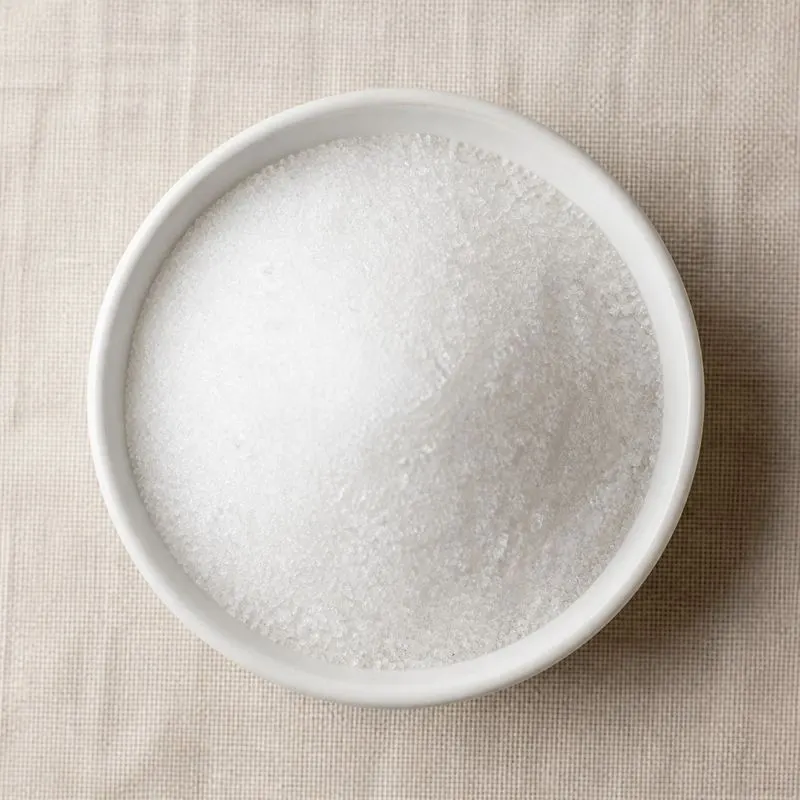
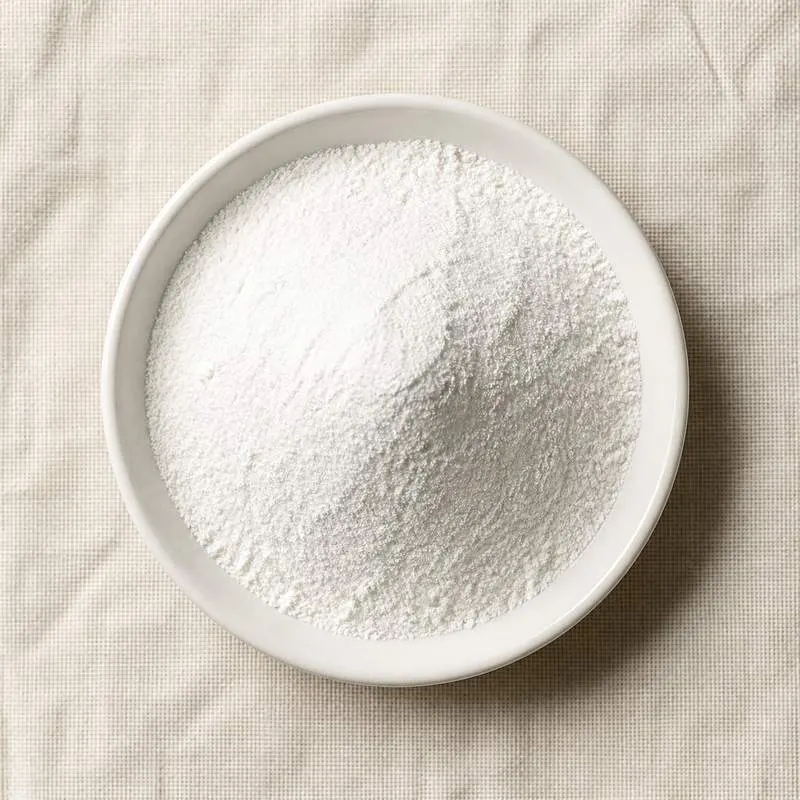
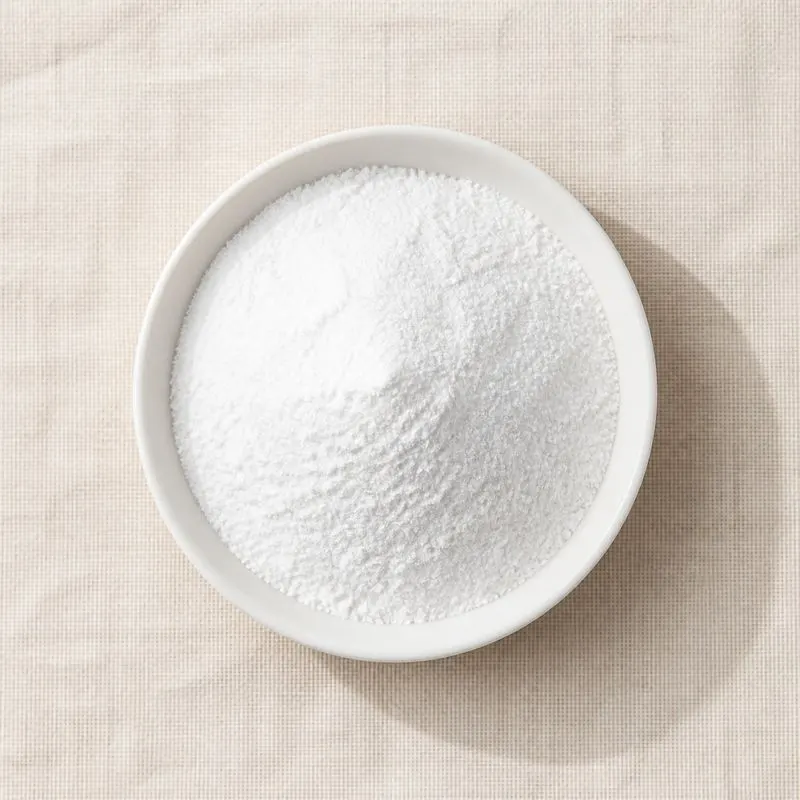
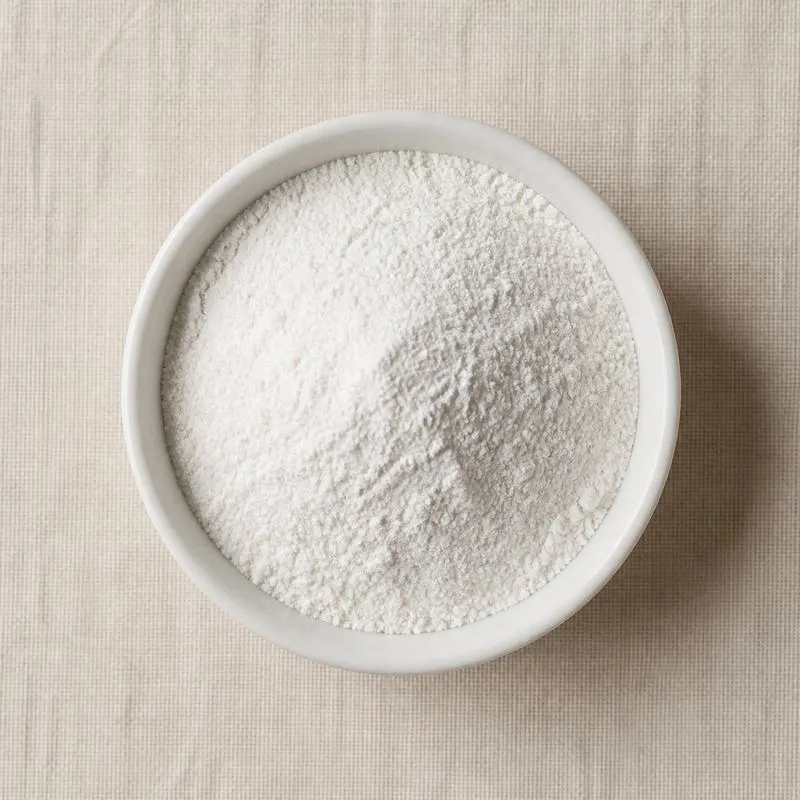
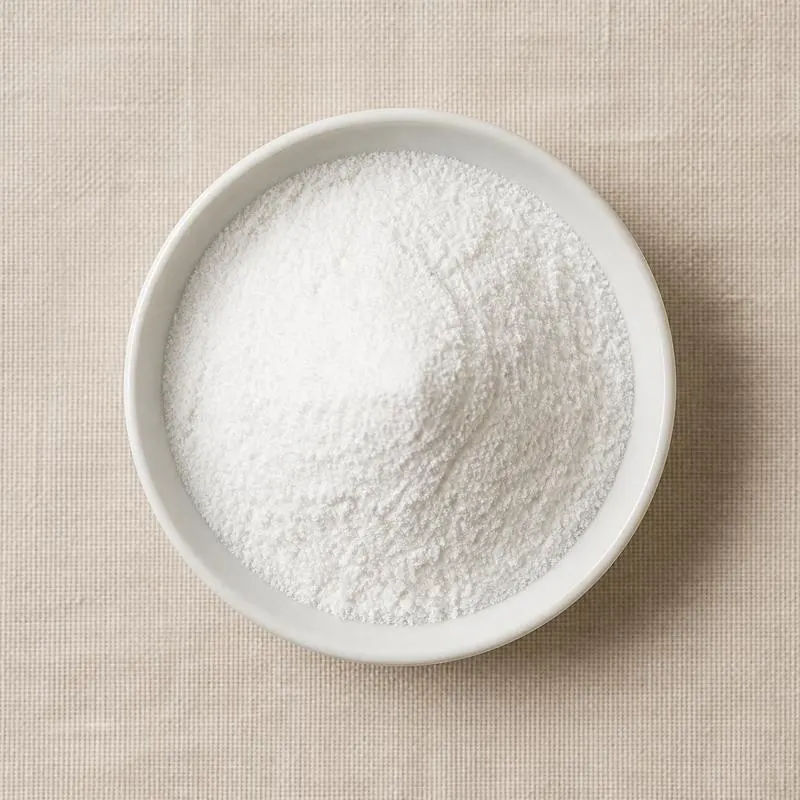
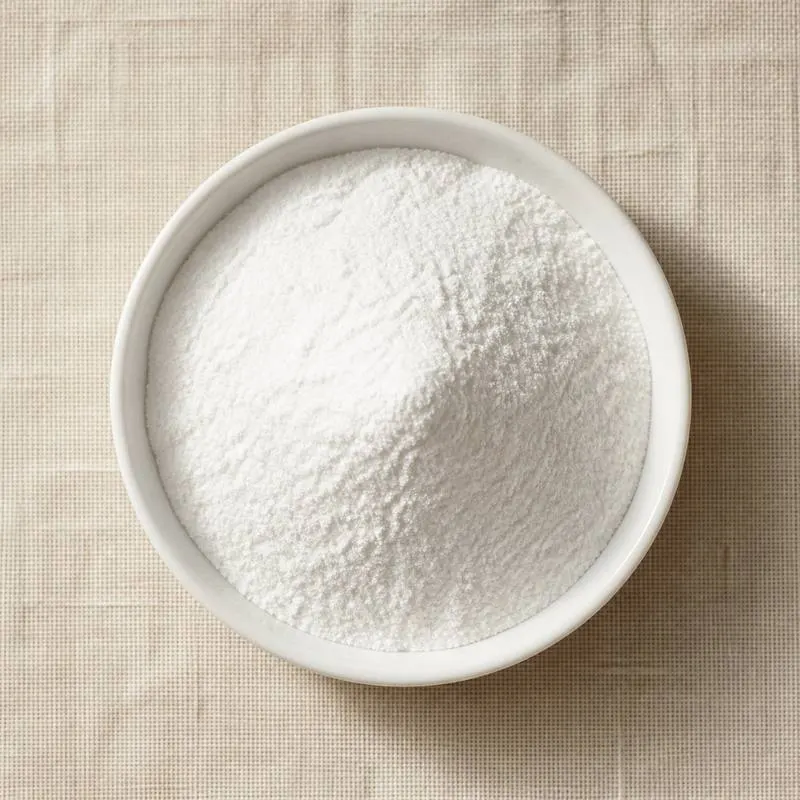
It is a white to off-white crystalline powder that dissolves easily in water to give a mildly alkaline solution with a pH near 9 at one percent concentration. The combination of amino-acid backbone, alkaline pH, and chelating carboxylate makes it useful as a buffer, mineral chelator, taste modifier, and nutritional ingredient.
We source bulk Sodium Glycinate from top China manufacturers for our partners. The manufacturers are in Hebei. A smaller requirement can ship in a combined container with other ingredients.
Please send the grade you need, the volume and your destination port, and we will come back with a solution and a price.
or call +86-21-6858 0751
- Packaging
- 25 kg kraft paper bag with PE inner liner
- Function
- Mineral salt
- ISO 9001
- HACCP
- Halal
- Kosher
Specifications
| Item | Specification |
|---|---|
| Appearance | White to off-white powder or granules |
| Assay | ≥98.0% |
| Loss on Drying | ≤1.0% |
| Residue on Ignition | ≤0.5% |
| pH (5% solution) | 9.0–11.0 |
| Heavy Metals (as Pb) | ≤10 ppm |
| Arsenic | ≤1 ppm |
| Sodium Content | 22.0–25.0% |
| Chloride | ≤0.02% |
| Total Plate Count | ≤1000 CFU/g |
Common Markets Grades
Four grades of Sodium Glycinate reach the market: food, supplement, cosmetic, and technical.
Food and supplement grades meet FCC and JECFA-style purity requirements for amino-acid salts, with controls on heavy metals, residual solvents, and microbial counts. Buyers take a fine powder for ease of dispersion or a granulate for tablet direct-compression and capsule filling.
Cosmetic grade is produced for personal-care formulation. The same chemistry that buffers pH and chelates trace metals in food also stabilises colour and fragrance systems in shampoos, body washes, and skin creams.
Technical grade material is used in carbon-dioxide capture solvents, electroplating chemistry, and as an intermediate in the synthesis of chelating agents. Solution grades at defined concentrations are also produced, particularly for industrial gas-treating applications where shipping a stable liquid is more practical than dissolving powder on-site.
Applications
- Buffering agent in beverages, sports drinks, and protein supplements where a clean amino-acid taste profile is preferred over citrate or phosphate
- Mineral chelator paired with calcium, magnesium, iron, or zinc to improve solubility and absorption in dietary supplements
- Taste modifier and salt-reduction aid in savory products, where it can soften bitterness from potassium chloride substitutes
- Buffering and conditioning agent in shampoos, body washes, and facial cleansers
- Nitrogen source in fermentation media and cell-culture systems
- Component of oral care products including toothpaste and mouthwash buffers
- Stabiliser in pharmaceutical formulations, particularly oral electrolyte and rehydration mixes
- Absorbent in carbon-dioxide capture from industrial flue gas and natural gas streams
- Plating bath additive in electroless nickel and copper deposition
- Building block in the synthesis of aminopolycarboxylate chelators
Brands Using Sodium Glycinate
Widely-distributed consumer products that list Sodium Glycinate on the ingredient label.
Brand names, product names and logos are the property of their owners. They appear here as published evidence that the ingredient is used, taken from the brand's own label or website. Their appearance is not an endorsement, and it does not mean the brand buys from us or from any manufacturer listed on this site.
China Manufacturers of Sodium Glycinate
Top Sodium Glycinate manufacturers in China.
- Shijiazhuang Chiyuen Food Technology Co., Ltd.3 ingredients in the directory
 Shijiazhuang Donghua Jinlong Chemical Co., Ltd.9 ingredients in the directory
Company names and logos are the property of the manufacturers themselves. They are listed here because our own directory records them as producing this ingredient. A listing is not an endorsement by them, and we do not represent them or speak on their behalf.
How We Help Source Sodium Glycinate
Direct Factory Sourcing
We run the whole process: selecting the manufacturer from the top Chinese food ingredient producers, negotiating the price, verifying quality, and coordinating the logistics. You deal with us instead of with several factories at once.
Original Packaging and Documents from the Manufacturer
The manufacturer sends your Sodium Glycinate out of its own factory in the original packing, through to your destination port. The COA, COO, MSDS, TDS and any certifications reach you from the manufacturer as well.
Free Samples and Lead Time
We send 100 to 500 g free for your own laboratory to test and you cover only the courier, usually within 2 to 3 working days. ETD is usually within 7 to 15 days once the order is confirmed, and we check that date against the factory's own manufacturing schedule before we give it to you.
Combined Shipment
We can load Sodium Glycinate together with other ingredients such as Sodium Acetate, Calcium Citrate and Sodium Lactate into one 20' FCL. If your quantity is small, we can also ship LCL.
Regulatory Status
Glycine and its sodium salt are recognised as food ingredients and nutrients in most regulated markets.
In the European Union glycine is authorised as a flavouring substance and as a food additive (E640) for use as a flavour enhancer and bulking agent in specified categories under Regulation 1333/2008. The sodium salt is used as a processing aid and a source of glycine in supplements and pharmaceutical formulations.
The U.S. Food and Drug Administration recognises glycine as GRAS for use as a flavour enhancer and nutritional ingredient under 21 CFR 172.812 and related listings. Sodium hydroxide, the other input, is GRAS under 21 CFR 184.1763. The combination as sodium glycinate is treated as a processing-aid form of glycine.
JECFA has evaluated glycine and assigned an acceptable status as a flavouring agent. Pharmacopoeial monographs for glycine appear in USP, Ph. Eur., and JP. Kosher and Halal certifications are routinely available because the synthesis does not involve animal-derived inputs.
Manufacturing Process
Sodium Glycinate is produced by neutralising glycine with sodium hydroxide in aqueous solution. The reaction is straightforward: one mole of glycine plus one mole of sodium hydroxide gives one mole of sodium glycinate and one mole of water.
The glycine starting material is itself made by two main industrial routes. The classical Strecker synthesis uses formaldehyde, hydrogen cyanide, and ammonia, followed by hydrolysis of the aminonitrile intermediate. The cleaner Hofmann or amination route reacts monochloroacetic acid with excess ammonia to give glycine and ammonium chloride.
After neutralisation, the sodium glycinate solution is filtered, decolorised over activated carbon, and concentrated by evaporation. Crystallisation is carried out by cooling or by anti-solvent precipitation with ethanol, depending on the target particle size and crystal habit.
The wet cake is centrifuged, dried in a vacuum or fluid-bed dryer, sieved, and packed under low humidity. Solution grades skip the crystallisation step and are clarified, standardised to a defined concentration, and shipped in stainless or HDPE-lined containers.