Sodium Phosphates
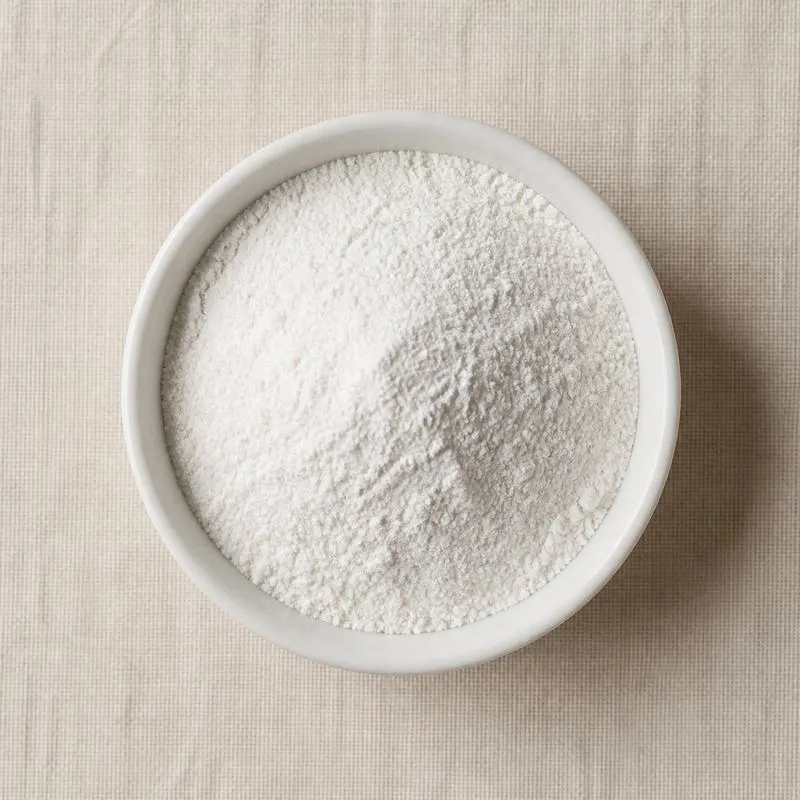
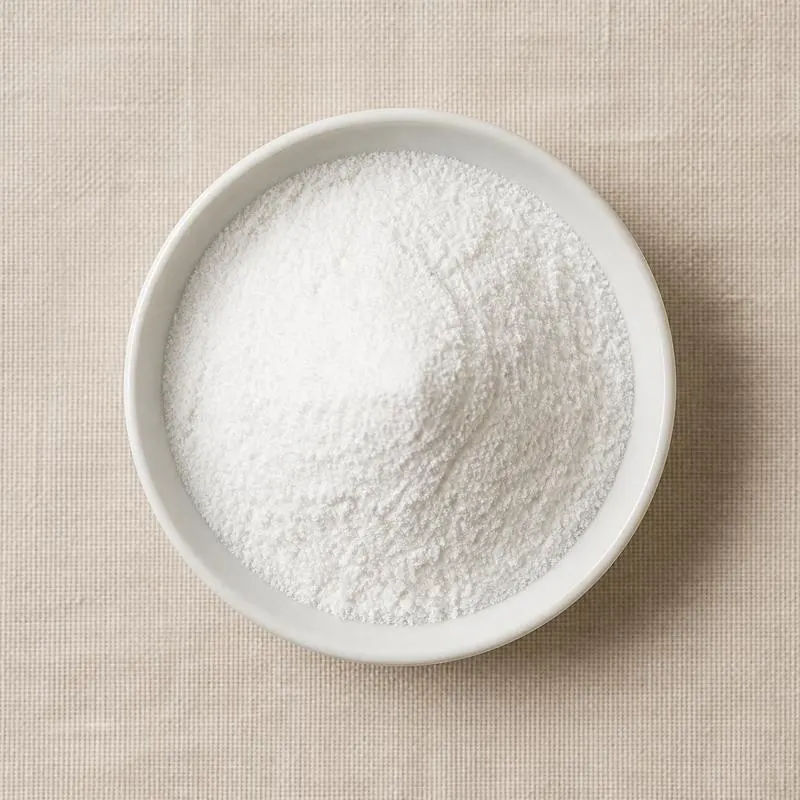
Sodium Phosphates is the umbrella name for the family of orthophosphate salts of sodium, covering monosodium phosphate (NaH₂PO₄), disodium phosphate (Na₂HPO₄), and trisodium phosphate (Na₃PO₄). The family carries the European food additive number E339 and its three sub-numbers E339(i), E339(ii), and E339(iii).
Together the three salts span the full buffer range from acidic to strongly alkaline. They are produced individually or as engineered blends pre-formulated to a target pH, calcium-sequestering capacity, and dissolution speed.
We source bulk Sodium Phosphates from top China manufacturers for our partners. The manufacturers are in Jiangsu. A smaller requirement can ship in a combined container with other ingredients.
Please send the grade you need, the volume and your destination port, and we will come back with a solution and a price.
or call +86-21-6858 0751
- Packaging
- 25 kg kraft paper bag with PE inner liner
- ISO 9001
- HACCP
- Halal
- Kosher
Specifications
| Item | Specification |
|---|---|
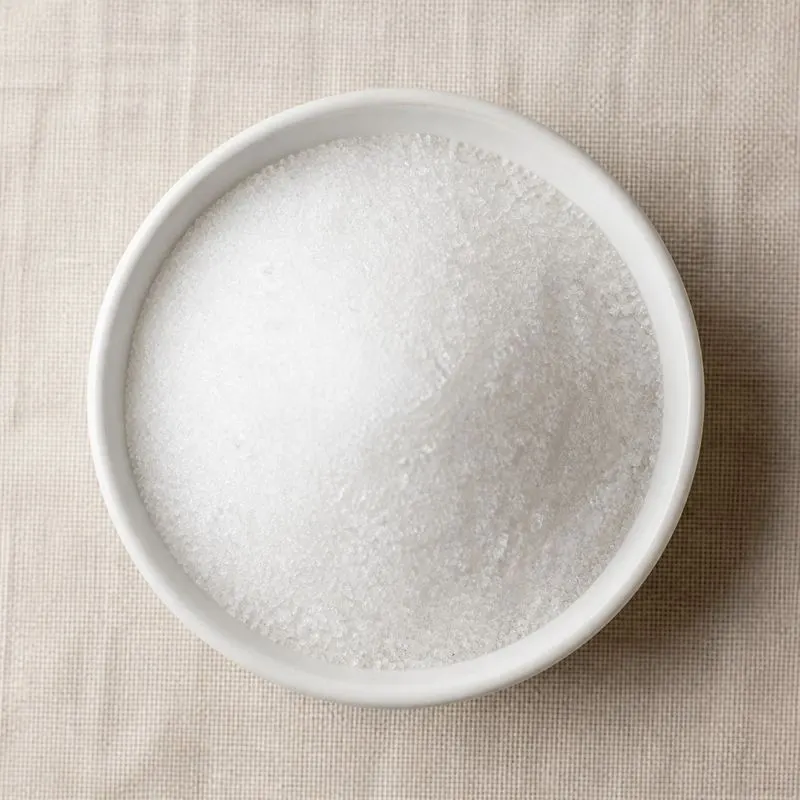
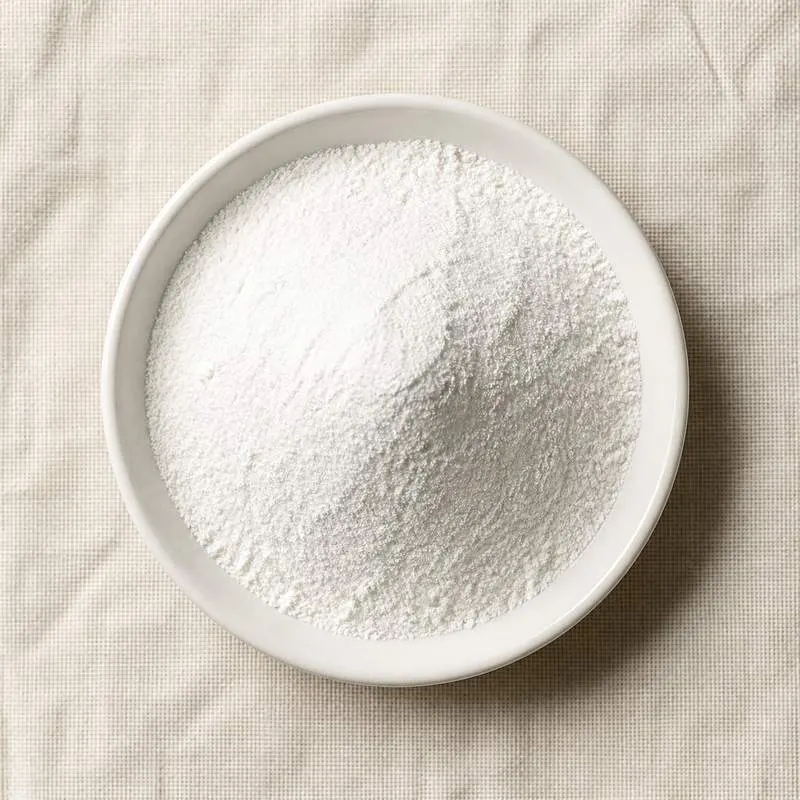
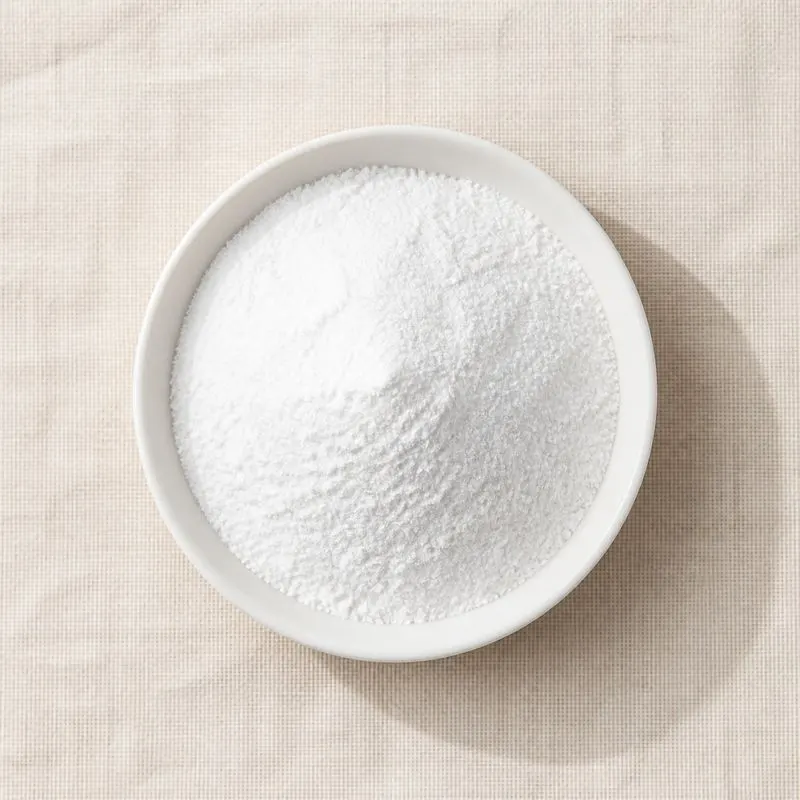
| Appearance | White odorless free-flowing crystalline powder or granules |
| Assay (dry basis) | ≥ 98.0% (each species) |
| Phosphorus content (as P) | 22.0% to 26.0% (species-dependent) |
| Sodium content | 16.0% to 42.0% (species-dependent) |
| pH (1% solution) | 4.0 to 4.9 (Mono), 8.5 to 9.5 (Di), 11.5 to 12.5 (Tri) |
| Loss on drying or ignition | ≤ specification per species and hydration |
| Fluoride | ≤ 10 mg/kg |
| Insoluble matter | ≤ 0.2% |
| Heavy metals (as Pb) | ≤ 3 mg/kg |
| Arsenic | ≤ 2 mg/kg |
| Total plate count | ≤ 1000 CFU/g |
| Particle size | Per customer specification |
Common Markets Grades
Food, pharmaceutical, and technical grades cover the E339 family. Within each grade, the orthophosphates exist as anhydrous powders and as several hydrate forms with different bulk densities and dissolution profiles.
Co-spray-dried sodium phosphate blends are an important commercial format. A blend of monosodium and disodium phosphate at a defined ratio dissolves to a known pH, which saves dairy and meat plants from in-line pH adjustment and gives a more reproducible end product.
Granular and coarse-crystal grades flow well in automatic dosing equipment and minimise dust during handling. Fine powder grades dissolve faster and are preferred for instant beverage mixes, dialysis concentrates, and laboratory buffer preparation.
Pharmaceutical grades meeting USP, Ph. Eur., and JP monographs are produced for buffer salts, oral electrolyte solutions, saline laxatives, and injectable preparations.
Applications
- Emulsifying salts in processed cheese, cheese sauces, and analogue cheese
- Stabilisers in evaporated milk, condensed milk, UHT cream, and coffee whiteners
- Buffer and mineral source in soft drinks, sports drinks, and instant beverage mixes
- Leavening acid component (MSP, SAPP, SALP) in self-rising flour and chemically leavened bakery products
- Quick-cooking aid and dough conditioner in instant noodles and pasta
- Cure accelerators and water-binding aids in injected ham, bacon, sausage, and poultry
- Mineral fortification in infant formula, nutritional powders, and meal replacements
- Component of phosphate-buffered saline and oral rehydration salts in pharmacy
- Saline laxatives and bowel-prep solutions
- Boiler water and cooling water treatment in industrial steam systems
Brands Using Sodium Phosphates
Widely-distributed consumer products that list Sodium Phosphates on the ingredient label.
- Kraft Heinz (Oscar Mayer)Oscar Mayer Naturally Hardwood Smoked Bacon ↗Bacon cure ingredient panel: 'water, salt, sugar, sodium phosphate, sodium ascorbate, sodium nitrite.' Sodium phosphates (E339) used as moisture-binding cure adjunct.Label verified 2026-05-24
- Kraft Heinz (Kraft Macaroni & Cheese)Kraft Original Macaroni & Cheese Dinner ↗Cheese-sauce mix ingredient panel lists sodium phosphate and sodium tripolyphosphate as emulsifying salts that stabilize the melted cheese system.Label verified 2026-05-24
- Land O'LakesLand O'Lakes Sliced American Cheese ↗Panel: '...Tricalcium Phosphate, Salt, Contains Less Than 2% of Sodium and Potassium Phosphates, Milk Protein Concentrate, Lactic Acid, Sorbic Acid, Enzymes.' Sodium phosphates (E339) used as emulsifier in process cheese.Label verified 2026-05-24
Brand names, product names and logos are the property of their owners. They appear here as published evidence that the ingredient is used, taken from the brand's own label or website. Their appearance is not an endorsement, and it does not mean the brand buys from us or from any manufacturer listed on this site.
China Manufacturers of Sodium Phosphates
Top Sodium Phosphates manufacturers in China.

Company names and logos are the property of the manufacturers themselves. They are listed here because our own directory records them as producing this ingredient. A listing is not an endorsement by them, and we do not represent them or speak on their behalf.
How We Help Source Sodium Phosphates
Direct Factory Sourcing
We run the whole process: selecting the manufacturer from the top Chinese food ingredient producers, negotiating the price, verifying quality, and coordinating the logistics. You deal with us instead of with several factories at once.
Original Packaging and Documents from the Manufacturer
The manufacturer sends your Sodium Phosphates out of its own factory in the original packing, through to your destination port. The COA, COO, MSDS, TDS and any certifications reach you from the manufacturer as well.
Free Samples and Lead Time
We send 100 to 500 g free for your own laboratory to test and you cover only the courier, usually within 2 to 3 working days. ETD is usually within 7 to 15 days once the order is confirmed, and we check that date against the factory's own manufacturing schedule before we give it to you.
Combined Shipment
We can load Sodium Phosphates together with other ingredients such as Sodium Acetate, Calcium Citrate and Sodium Lactate into one 20' FCL. If your quantity is small, we can also ship LCL.
Regulatory Status
Sodium Phosphates are approved as food additives in all major regulated markets and are typically assessed as a group.
In the European Union the family is covered by E339(i), E339(ii), and E339(iii) under Regulation 1333/2008. EFSA re-evaluated the phosphate additives E338 to E341 and E343 together with E450 to E452 in 2019 and applied a group exposure limit expressed as phosphorus.
The U.S. Food and Drug Administration recognises the sodium orthophosphates as GRAS under 21 CFR 182 and clears them for direct food use under 21 CFR 184 and for specific applications under 21 CFR 133 (cheese standards) and 21 CFR 172. The Food Chemicals Codex provides individual specifications for each salt.
Pharmacopoeial monographs for the three salts appear in the United States Pharmacopeia, the European Pharmacopoeia, and the Japanese Pharmacopoeia. Kosher and Halal certifications are routinely available.
Manufacturing Process
All three orthophosphate salts derive from the same starting material: food-grade phosphoric acid, made from phosphate rock by the wet process and purified by solvent extraction to remove fluoride, arsenic, and heavy metals.
Monosodium phosphate is produced by neutralising the acid to a sodium-to-phosphate ratio of 1:1, disodium phosphate to 2:1, and trisodium phosphate to 3:1. Sodium carbonate is used for the first one or two equivalents of base because it is cheaper than caustic, and sodium hydroxide is added to complete trisodium phosphate.
The neutralised liquor is filtered, concentrated by evaporation, and then either crystallised at controlled temperature to give a defined hydrate, or spray-dried directly to an anhydrous powder. Drying, sieving, and packaging follow.
Co-spray-dried blends are prepared by mixing the appropriate ratio of solutions, evaporating to a slurry, and atomising into a hot drying chamber. The resulting agglomerated powder has a uniform composition at the particle level, which gives more reproducible dissolution behaviour than dry-blended ingredients.