Sorghum Red
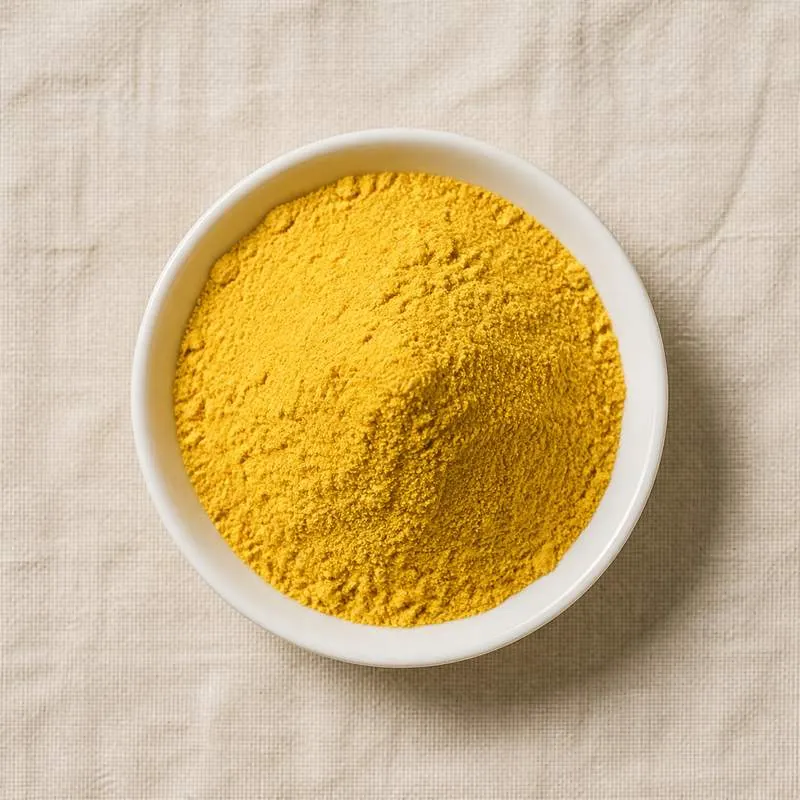
Sorghum Red is a water-soluble natural colourant extracted from the bran or husk layer of red-pigmented sorghum, Sorghum bicolor. The principal chromophores are 3-deoxyanthocyanidins, dominated by apigeninidin and luteolinidin, together with smaller amounts of classical anthocyanins.
The extract gives a warm orange-red to brick-red tone with notably better acid and heat stability than fruit-derived anthocyanins. That stability is the main technical reason for its growing use as a natural alternative to synthetic reds.
We source bulk Sorghum Red from top China manufacturers for our partners, working with several of them. The manufacturers are in Shandong, Hubei and Liaoning. A smaller requirement can ship in a combined container with other ingredients.
Please send the grade you need, the volume and your destination port, and we will come back with a solution and a price.
or call +86-21-6858 0751
- Packaging
- 25 kg kraft paper bag with PE inner liner
- ISO 9001
- HACCP
- Halal
- Kosher
Specifications
Grades / Types Available: Food Grade, Feed Grade
| Item | Specification |
|---|---|
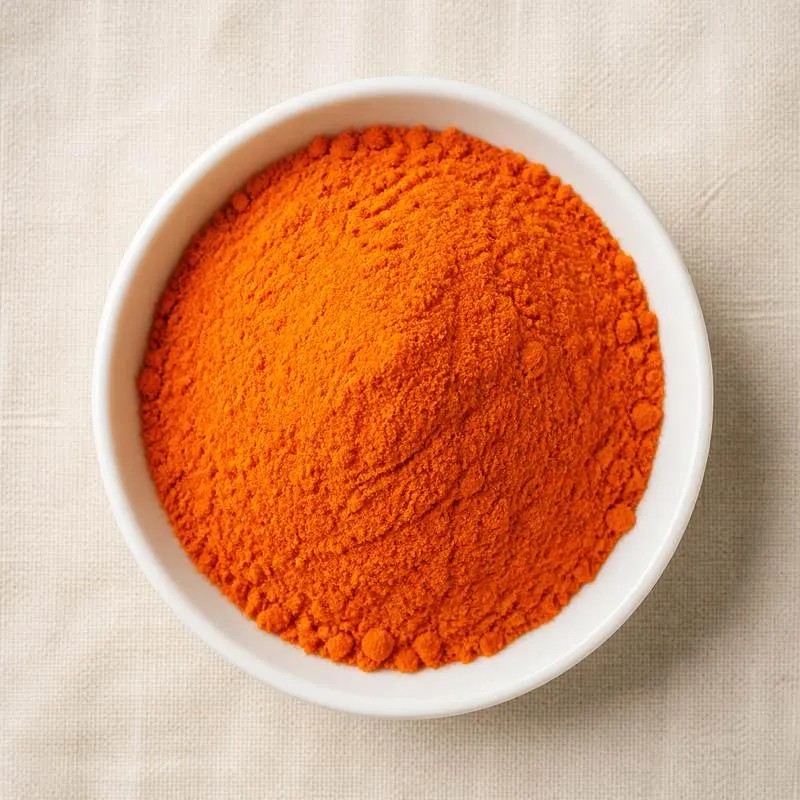
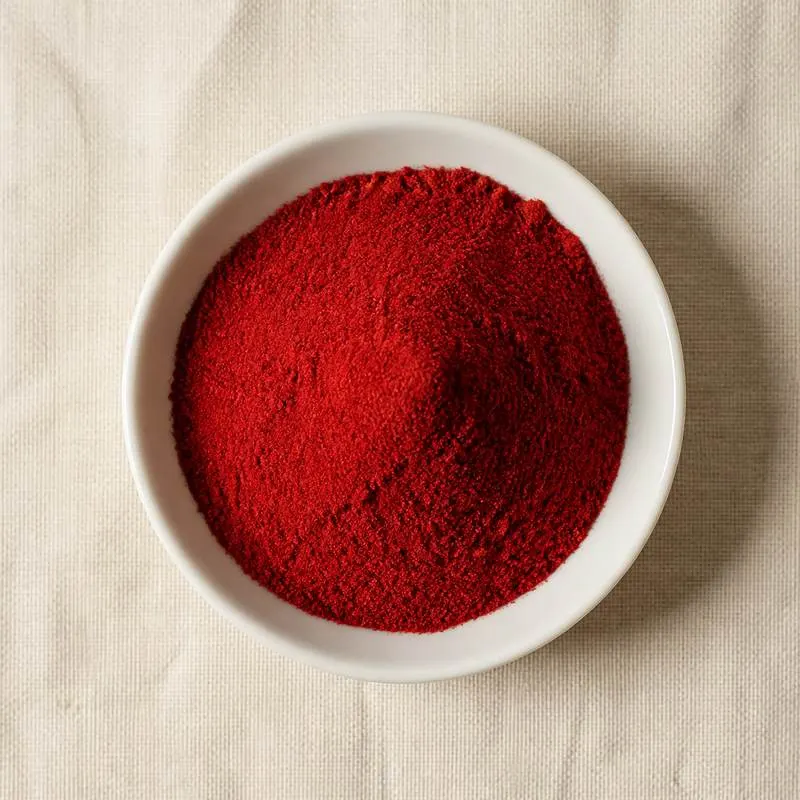
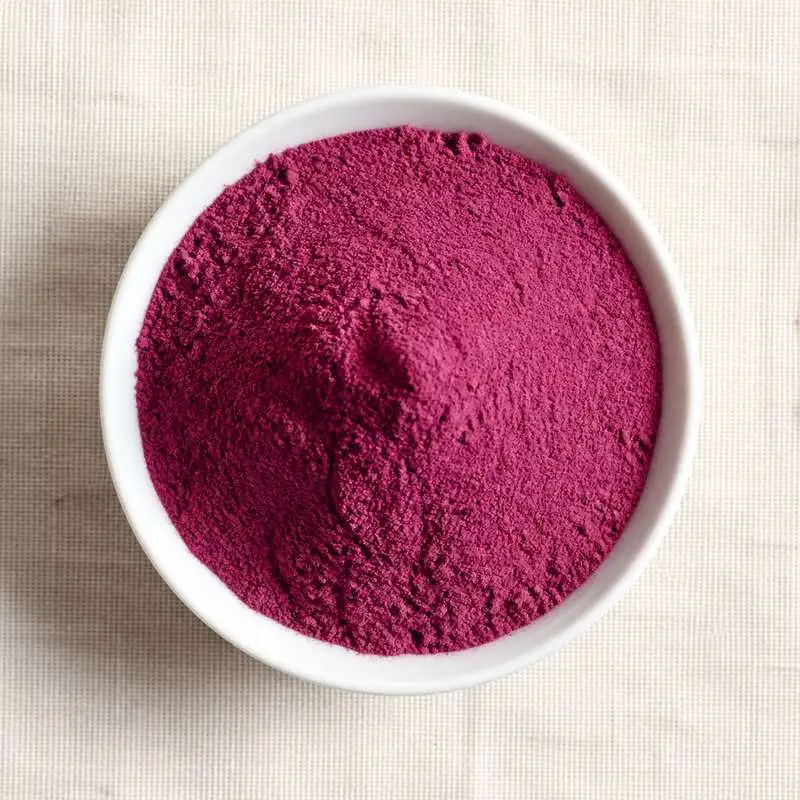
| Appearance | Red to dark red powder |
| 3-Deoxyanthocyanidin Content | ≥ 2-10% |
| Moisture | ≤ 5.0% |
| pH Stability | Stable pH 2-8 |
| Heavy Metals (as Pb) | ≤ 2 mg/kg |
| Total Plate Count | ≤ 1,000 cfu/g |
| Purity | ≥ 95% (Food Grade) |
| Moisture/Loss on Drying | ≤ 10% |
| pH | 4.0 - 6.0 |
| Ash | ≤ 5% |
| Lead | ≤ 1 ppm |
| Arsenic | ≤ 0.5 ppm |
| Yeast & Mold | ≤ 100 cfu/g |
Common Markets Grades
Sorghum Red is graded by total pigment expressed as colour value E1%/1cm at 480 to 510 nm in acidified ethanol.
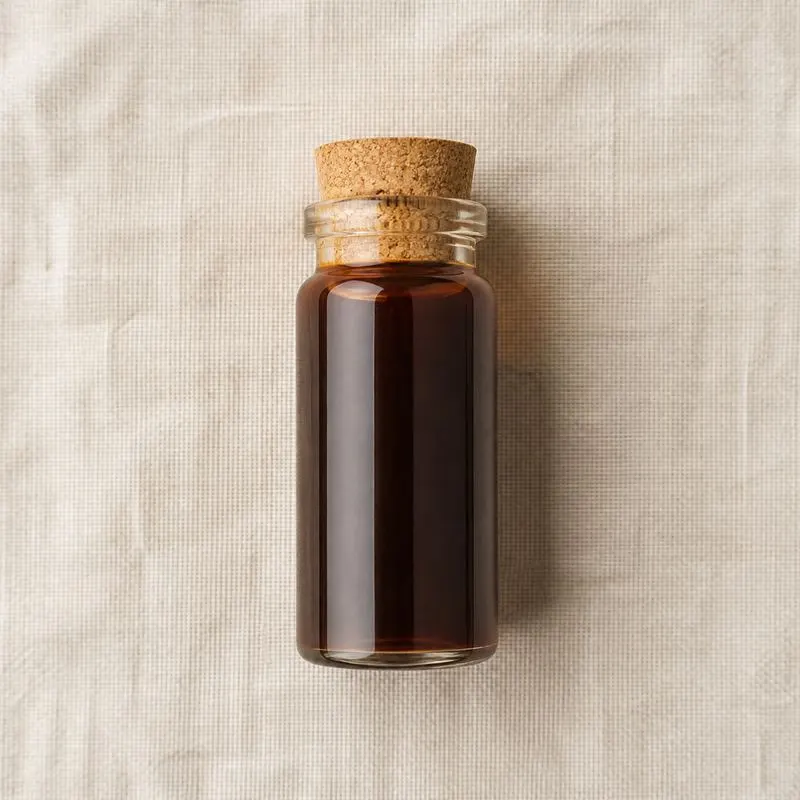
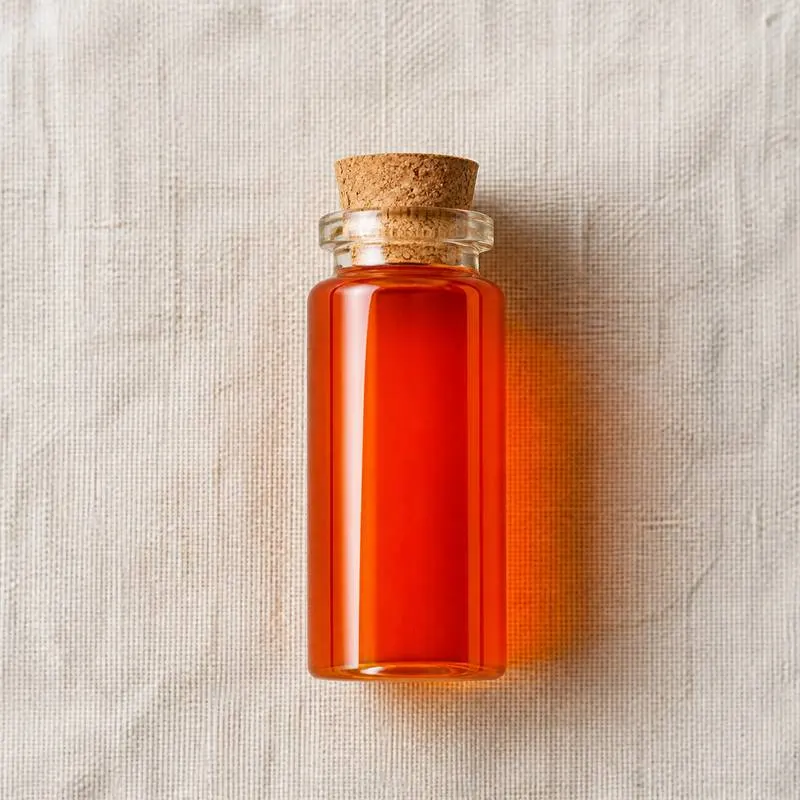
Liquid grades at colour value 50 to 200 are dispersed in aqueous ethanol or propylene glycol and are intended for beverages, sauces, and liquid seasoning bases.
Powder grades at colour value 100 to 400 are spray-dried on maltodextrin or modified starch and are preferred for dry mixes, instant beverages, confectionery centres, and seasoning blends.
Concentrated grades at colour value 500 or higher, with the pigment partially purified on adsorption resin, are produced where formulation space or label simplicity is critical.
The pigment is intrinsically water-soluble; oil-dispersible grades require an emulsion carrier and are mainly used in fat-continuous bakery glazes and confectionery coatings.
Applications
- Soy sauce, vinegar, and other dark fermented condiments to deepen the red-brown tone
- Marinades and glazes for roasted and barbecued meats
- Sausage and cured-meat casings as a surface colour in traditional formulations
- Hard candies, jellies, and gummies in red and brick-red shades
- Beverages: fruit drinks, sports drinks, and herbal infusions where acid stability matters
- Bakery: red bean fillings, dessert toppings, and decorative icings
- Pickled vegetables and preserved fruits for surface colour
- Ice cream, sorbet, and frozen desserts in berry-toned applications
- Plant-based meat analogs for a more authentic cooked-meat appearance
- Seasoning blends and spice mixes for visual lift
China Manufacturers of Sorghum Red
Top Sorghum Red manufacturers in China.
- Hubei Well-being Biotechnology Co., Ltd.7 ingredients in the directory
- Rongcheng Hexi Biotechnology Co., Ltd.5 ingredients in the directory
 Shandong Zhonghui Biotechnology Co., Ltd.6 ingredients in the directory
- Tieling City Hongyuan Food Ingredients Co., Ltd.1 ingredient in the directory
Company names and logos are the property of the manufacturers themselves. They are listed here because our own directory records them as producing this ingredient. A listing is not an endorsement by them, and we do not represent them or speak on their behalf.
How We Help Source Sorghum Red
Direct Factory Sourcing
We run the whole process: selecting the manufacturer from the top Chinese food ingredient producers, negotiating the price, verifying quality, and coordinating the logistics. You deal with us instead of with several factories at once.
Original Packaging and Documents from the Manufacturer
The manufacturer sends your Sorghum Red out of its own factory in the original packing, through to your destination port. The COA, COO, MSDS, TDS and any certifications reach you from the manufacturer as well.
Free Samples and Lead Time
We send 100 to 500 g free for your own laboratory to test and you cover only the courier, usually within 2 to 3 working days. ETD is usually within 7 to 15 days once the order is confirmed, and we check that date against the factory's own manufacturing schedule before we give it to you.
Combined Shipment
We can load Sorghum Red together with other ingredients such as Beta Carotene, Caramel Colour and Lycopene into one 20' FCL. If your quantity is small, we can also ship LCL.
Regulatory Status
Sorghum Red is recognised as a natural food colourant in several jurisdictions that operate positive lists, including a number of markets in East and Southeast Asia.
In the European Union, Sorghum Red is not listed in Annex II of Regulation (EC) No 1333/2008. Generic anthocyanins from grape, blackcurrant, and elderberry are listed under E163 but the sorghum source itself does not currently appear in the EU additive register.
The U.S. Food and Drug Administration has not issued a colour-additive listing specifically for sorghum-derived pigment. Sorghum grain and bran are recognised as food ingredients, and standardised colour extracts may be marketed in the United States under the framework for colour additives exempt from certification only where the use is otherwise permitted.
JECFA has not issued a numerical evaluation specifically for sorghum-derived 3-deoxyanthocyanidins. The pigment is well suited to Halal, Kosher, and vegan certification given the all-botanical origin.
Manufacturing Process
Production starts with sorghum cultivar selection. Red-bran lines such as those associated with the Tx430 background carry the genetic markers for high 3-deoxyanthocyanidin accumulation in the pericarp.
The bran fraction is recovered as a milling byproduct from grain processing. Whole-grain decortication delivers a husk material that typically runs 5 to 15 times richer in pigment than the endosperm.
Extraction is performed with acidified water or aqueous ethanol at moderate temperature. The extract is clarified by filtration, then concentrated under vacuum to limit thermal degradation of the pigment.
For higher-purity grades, the concentrate is passed through a macroporous adsorption resin that binds the deoxyanthocyanidins while letting sugars and minerals pass through. The pigment is then eluted with ethanol, re-concentrated, and either standardised as a liquid or spray-dried on a carrier.