Thaumatin
Thaumatin is a sweet tasting protein extracted from the arils of the katemfe fruit, Thaumatococcus daniellii, a plant native to the rainforest belt of West Africa. It is not a carbohydrate and not a synthetic molecule but a single chain polypeptide of 207 amino acids, around 22 kilodaltons, of which the commercial extract is a mixture of the closely related variants thaumatin I and thaumatin II.
On a weight basis it is one of the most intensely sweet substances known, in the region of 2000 to 3000 times sucrose, but its sensory behaviour is unlike that of a small molecule sweetener. Sweetness onset is slow, the perception builds over several seconds and then lingers, and at higher concentrations a liquorice note appears. That profile makes it a poor stand alone sweetener and a useful one in combination, and much of its commercial use is as a flavour modifier rather than as a sweetener at all, where sub sweetness doses lengthen fruit and dairy notes and suppress bitterness and astringency.
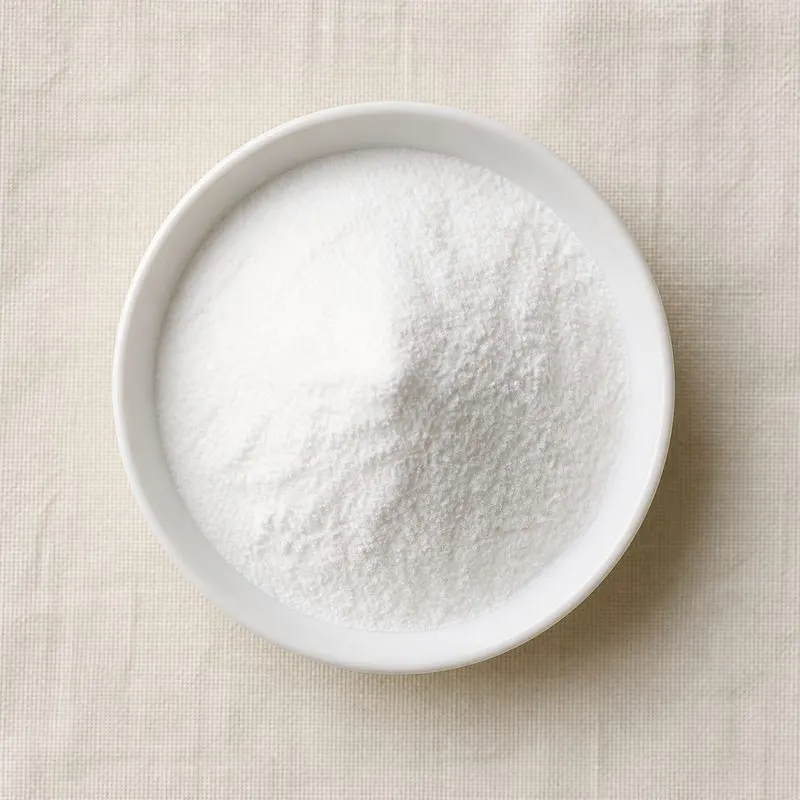
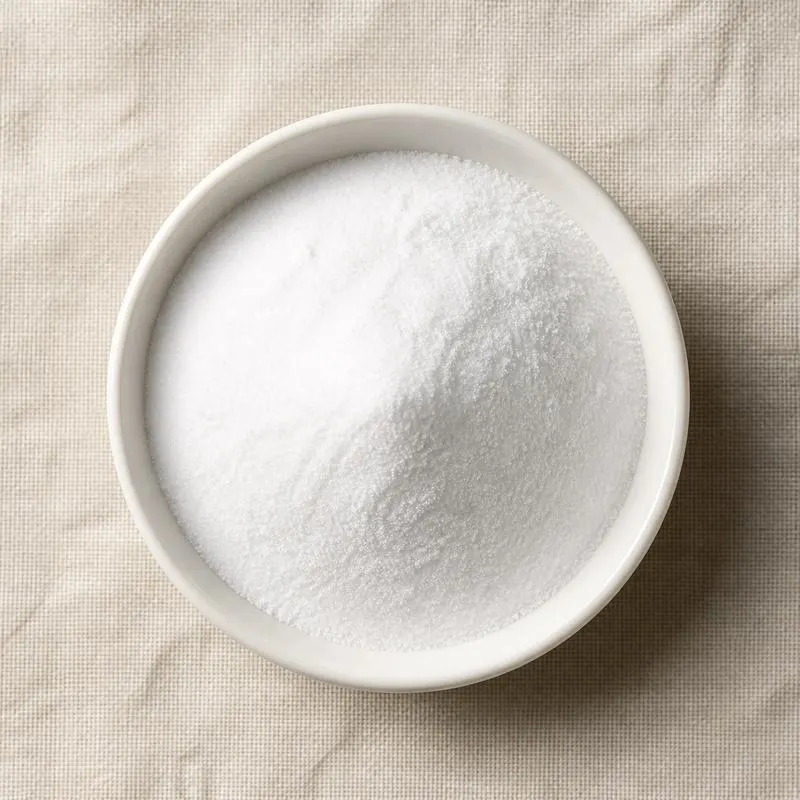
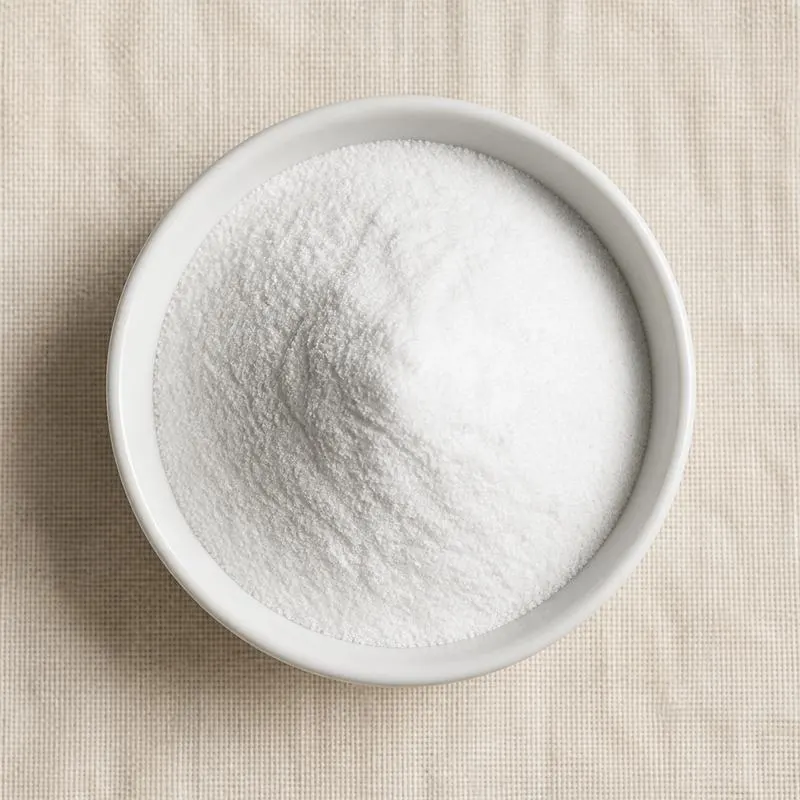
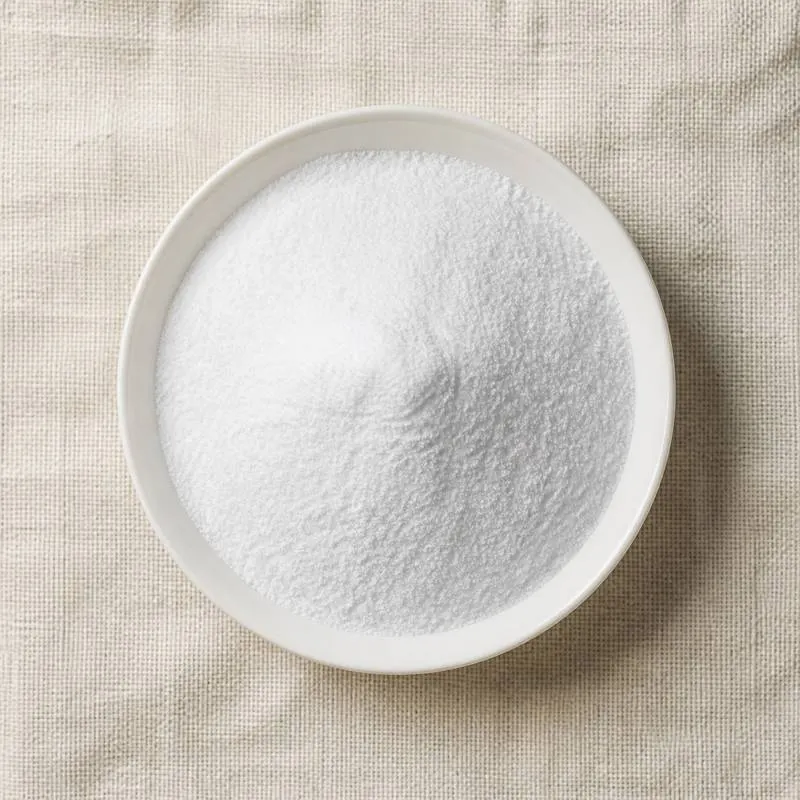
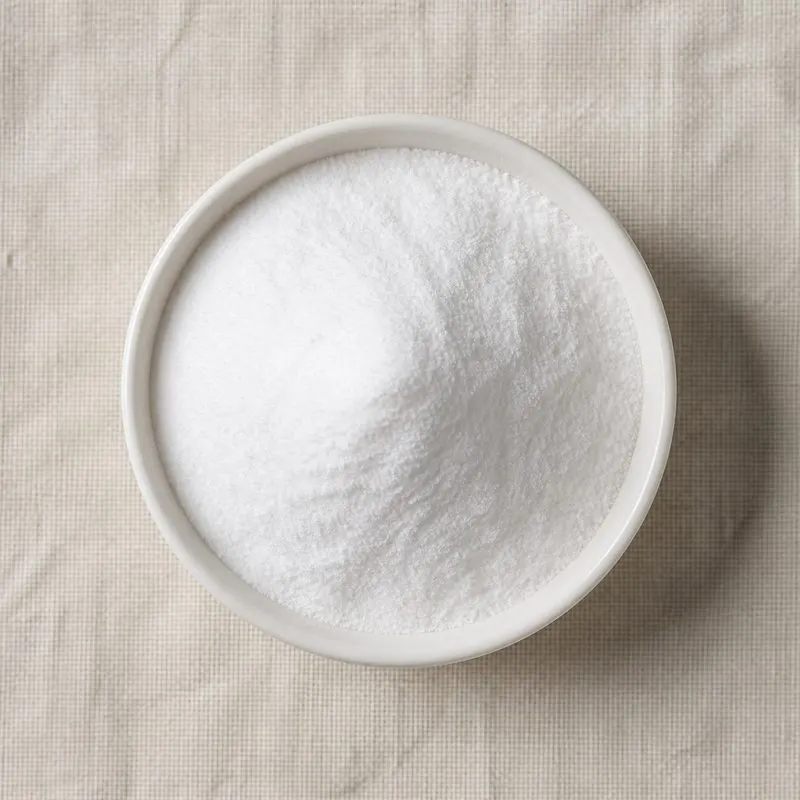
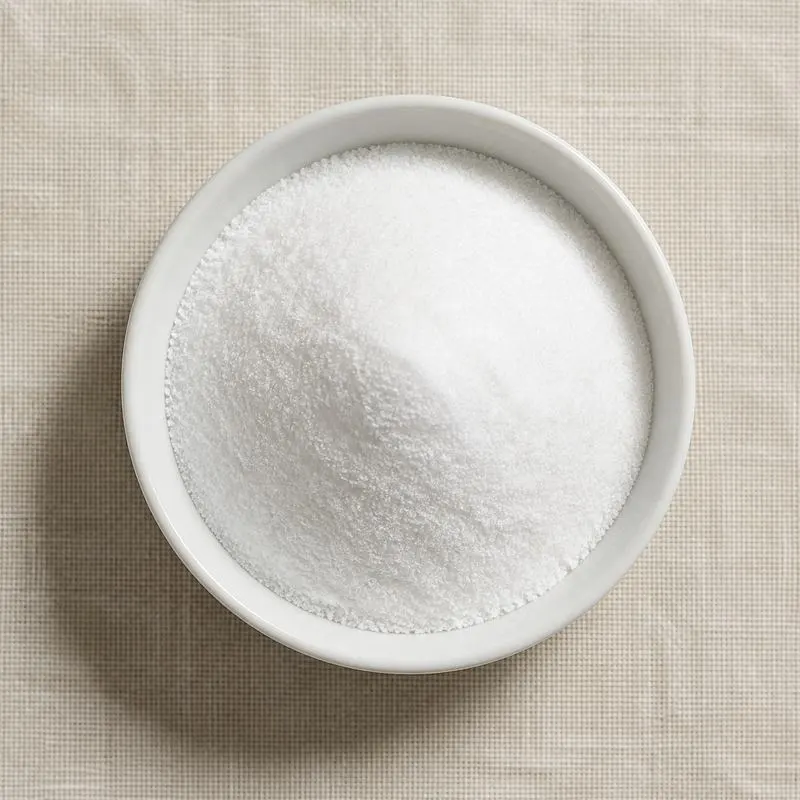
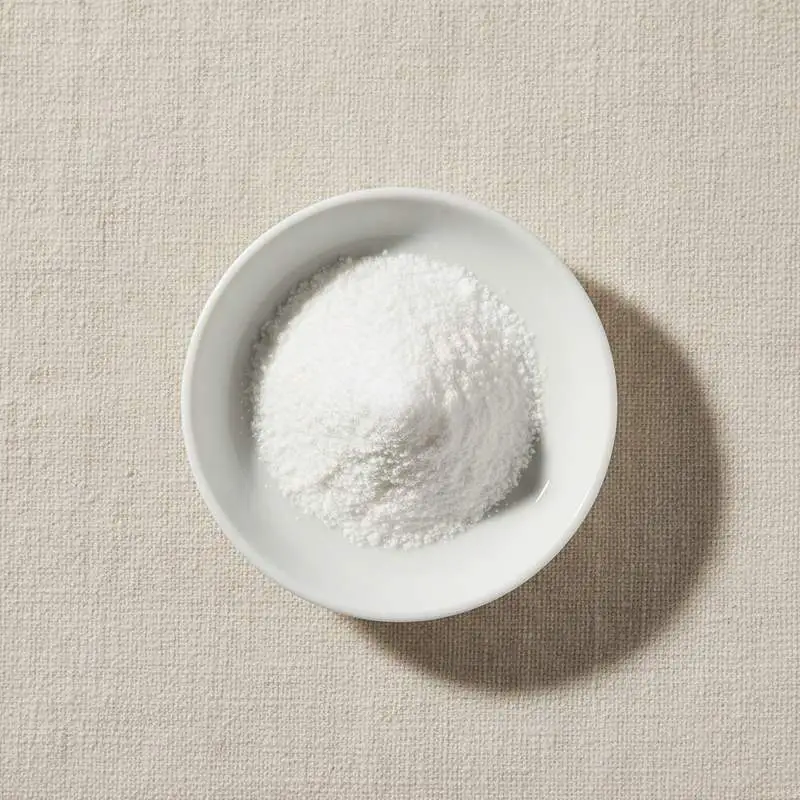
The material is a cream to light beige amorphous powder, freely soluble in water and stable in solution across the acid pH range typical of beverages. As a protein it can be denatured, losing sweetness on prolonged heating above about 75 degrees Celsius at neutral pH, although it is markedly more heat tolerant under acid conditions and survives normal beverage pasteurisation.
We source bulk Thaumatin from top China manufacturers for our partners. The manufacturer is in Hubei. A smaller requirement can ship in a combined container with other ingredients.
Please send the grade you need, the volume and your destination port, and we will come back with a solution and a price.
or call +86-21-6858 0751
Specifications
| Item | Specification |
|---|---|
| Appearance | Cream to light beige amorphous powder, free flowing |
| Identification | Ultraviolet absorbance and electrophoretic pattern conform to reference |
| Protein content, nitrogen times 5.8, dry basis | 93.0 percent minimum |
| Sweetness activity | Conforms to reference standard by sensory comparison |
| Loss on drying | 9.0 percent maximum |
| Sulphated ash | 2.0 percent maximum |
| Carbohydrate | 3.0 percent maximum |
| pH, 10 percent aqueous solution | 2.7 to 4.0 |
| Aluminium | 100 mg/kg maximum |
| Lead | 1.0 mg/kg maximum |
| Arsenic | 1.0 mg/kg maximum |
| Total plate count | 1000 cfu/g maximum |
| Yeast and mould | 100 cfu/g maximum |
| E. coli | Absent in 1 g |
| Salmonella | Absent in 25 g |
Common Markets Grades
Thaumatin is traded as a purified powder specified on protein content, typically not less than 93 percent protein on a dry basis with the balance being carbohydrate, ash and moisture from the plant material. Colour and residual plant flavour distinguish the higher purity grades, which are used in clear beverages, from standard grades used where a faint background note is acceptable.
Beyond the pure extract, most volume moves as standardised dilutions and blends. Spray dried preparations carried on maltodextrin or gum arabic at defined activity are sold for dosing accuracy, since the pure protein is used at single figure parts per million. Liquid solutions and blends with steviol glycosides, sucralose or acesulfame potassium are made for beverage and dairy use, where thaumatin functions as the modifier and the partner sweetener carries the bulk of the sweetness.
Applications
- Chewing gum, where the slow onset and long persistence extend perceived sweetness well past the release of the bulk polyol
- Dairy drinks and yoghurts, dosed below sweetness threshold to lengthen and round cream and fruit notes
- Reduced sugar beverages, used with steviol glycosides or sucralose to mask their bitter and metallic aftertaste
- Coffee and cocoa products, suppressing bitterness and astringency without adding a sweet character of its own
- Savoury snacks, sauces and seasonings, reducing the perceived harshness of salt and of hydrolysed protein notes
- Pharmaceutical syrups and oral suspensions, masking bitter actives in paediatric formulations
- Animal feed and pet food palatants, improving intake of otherwise unpalatable diets
- Confectionery and mints, where a lingering sweet tail is a design objective
- Table top sweetener blends, contributing sweetness quality rather than sweetness quantity
China Manufacturers of Thaumatin
Top Thaumatin manufacturers in China.

Company names and logos are the property of the manufacturers themselves. They are listed here because our own directory records them as producing this ingredient. A listing is not an endorsement by them, and we do not represent them or speak on their behalf.
Regulatory Status
In the United States thaumatin is used as a flavour and flavour modifier rather than as a bulk sweetener. It has generally recognised as safe status for that purpose, is a Flavour and Extract Manufacturers Association GRAS flavouring substance, and appears in the Food and Drug Administration lists of substances used as flavouring agents. It has not been approved as a general purpose sweetener in the United States, so US formulations use it at flavour modifying levels.
In the European Union thaumatin is authorised as E 957 under the food additives framework and is permitted both as a sweetener and as a flavour enhancer in defined categories, with purity criteria laid down in the specifications regulation. JECFA has evaluated thaumatin and maintains a specification monograph for it, and Codex lists it among the permitted additives in the General Standard for Food Additives. Because it is a protein of plant origin, allergen assessment and the usual controls on plant derived material apply.
Manufacturing Process
Ripe katemfe fruit is harvested and the sweet arils separated from the seed and pericarp. The arils are macerated and extracted with slightly acidified water, which brings the protein into solution along with pectin, pigment and other soluble plant matter. The crude extract is clarified by centrifugation and coarse filtration to remove fibre and cell debris.
Purification uses the fact that thaumatin is an unusually basic protein and carries a strong positive charge at the pH of the extract. The clarified liquor is passed over a cation exchange resin, which binds the protein while pigment, pectin and neutral solutes pass through, and the column is then eluted with a salt solution. The eluate is desalted and concentrated by ultrafiltration and diafiltration against a membrane that retains the 22 kilodalton protein and passes salts and small molecules, and may be given a further chromatographic polish where a high purity grade is being made. The concentrate is standardised, then spray dried or freeze dried at an inlet temperature low enough to avoid denaturation, and the powder is sieved and blended to a uniform sweetness activity before packing.