Tiger Milk Lingzhi Extract
Tiger milk lingzhi extract is prepared from the sclerotium of Lignosus rhinocerotis, a polypore fungus of Southeast Asia known in Chinese as hu ru ling zhi and in English as tiger milk mushroom. Despite the trade name it is not a Ganoderma species; the sclerotium, an underground compacted mass of mycelium, is the part used, and the small aboveground fruiting body is of no commercial interest.
Its characteristic constituents are beta-1,3/1,6-glucans and protein bound polysaccharides, together with a high molecular weight polysaccharide protein complex, sterols including ergosterol, and small amounts of triterpenes. Commercial extracts are standardised on beta-glucan or on total polysaccharide, and the material is sold as a supplement ingredient positioned on respiratory comfort and immune support, which follows its traditional use in Malaysia and southern China.
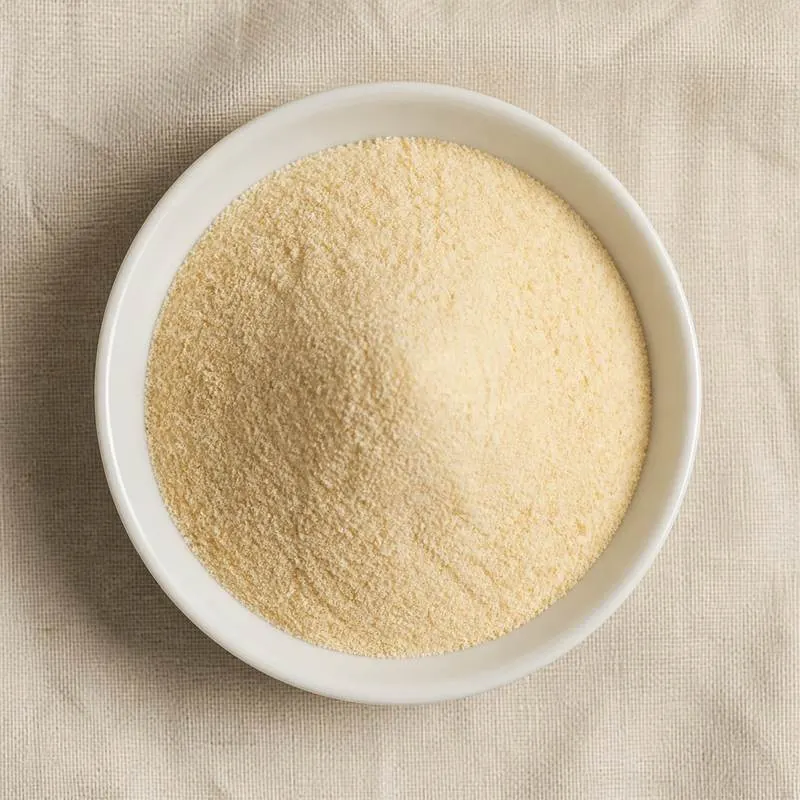
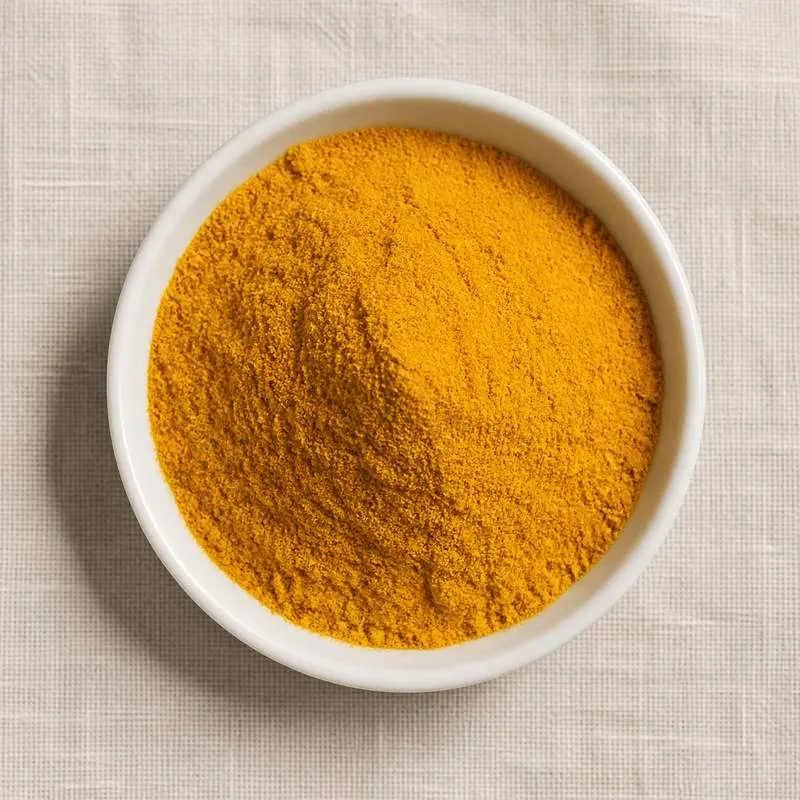
The trade article is a light beige to pale brown fine powder with a mild earthy aroma and a bland to slightly starchy taste. The soluble polysaccharide fraction dissolves in warm water to a faintly viscous solution while the insoluble glucan disperses, so specifications distinguish soluble from total glucan. The powder is hygroscopic and cakes on exposure to humidity, so it is packed under a moisture barrier.
We source bulk Tiger Milk Lingzhi Extract from top China manufacturers for our partners. The manufacturer is in Shaanxi. A smaller requirement can ship in a combined container with other ingredients.
Please send the grade you need, the volume and your destination port, and we will come back with a solution and a price.
or call +86-21-6858 0751
- Function
- Plant extract
Specifications
| Item | Specification |
|---|---|
| Appearance | Light beige to pale brown fine powder |
| Odour and Taste | Mild earthy aroma, bland and slightly starchy |
| Beta-1,3/1,6-glucan (enzymatic) | ≥ 20.0% |
| Total Polysaccharides | ≥ 40.0% |
| Identification | Conforms by TLC and DNA barcode against reference strain |
| Loss on Drying | ≤ 5.0% |
| Total Ash | ≤ 8.0% |
| Starch | ≤ 10.0% |
| Particle Size | 100% through 80 mesh |
| Residual Ethanol | ≤ 0.5% |
| Lead | ≤ 2.0 mg/kg |
| Arsenic | ≤ 1.0 mg/kg |
| Cadmium | ≤ 1.0 mg/kg |
| Total Plate Count | ≤ 10,000 cfu/g |
| Yeast and Mould | ≤ 100 cfu/g |
| E. coli | Negative |
| Salmonella | Absent in 25 g |
Common Markets Grades
The most important distinction is the source of the biomass. Wild collected sclerotium is scarce and expensive, and essentially all commercial volume now comes from cultivated sclerotium grown on a sawdust and grain substrate, or from mycelial biomass produced by submerged fermentation. Cultivated sclerotium and fermented mycelium have different polysaccharide profiles and different starch loads, and the certificate states which was used.
Standardisation is on beta-1,3/1,6-glucan measured enzymatically, commonly at 10, 20 or 30 percent, or on total polysaccharide by the phenol sulphuric method at 20 to 50 percent, the latter returning much higher figures on the same batch because it counts residual starch and other carbohydrate. Ratio extracts at 4:1 and 10:1 are traded without a marker. Physical grades cover hot water extract spray dried powder at 80 mesh, milled whole sclerotium powder, which is a cheaper article and not an extract at all, and dual extracts in which a separate ethanol stage captures the sterol fraction.
Applications
- Dietary supplements in capsule and tablet form standardised on beta-glucan content
- Respiratory comfort formulations, the principal traditional and commercial positioning for the sclerotium
- Immune support blends, combined with other fungal extracts such as reishi, cordyceps and turkey tail
- Herbal tonic preparations and decoction granules in Chinese and Malaysian markets
- Functional beverages and instant drink sachets built on mushroom extracts
- Mushroom coffee and instant blends in the functional beverage category
- Children's and elderly wellness formulations sold in Southeast Asia
- Sports and recovery supplements formulated on the polysaccharide fraction
- Skin care preparations, where fungal polysaccharides are used as humectants and soothing agents
China Manufacturers of Tiger Milk Lingzhi Extract
Top Tiger Milk Lingzhi Extract manufacturers in China.

Company names and logos are the property of the manufacturers themselves. They are listed here because our own directory records them as producing this ingredient. A listing is not an endorsement by them, and we do not represent them or speak on their behalf.
Regulatory Status
In the United States tiger milk mushroom extract is sold as a dietary ingredient under the Dietary Supplement Health and Education Act, and preparations of Lignosus rhinocerotis have been the subject of new dietary ingredient notifications on that basis. There is no food additive regulation, no colour additive listing and no entry among substances generally recognised as safe for general food use, so use as a conventional food ingredient would require a GRAS conclusion for the specific preparation. Claims are confined to structure and function statements, and any claim to treat asthma or other respiratory disease would place a product in the drug category.
In the European Union the extract carries no E number because it is not an additive. Lignosus rhinocerotis has no established record of significant consumption in the Union before May 1997, so both the cultivated sclerotium and extracts of it fall within the scope of Regulation 2015/2283 on novel foods, and market access depends on an authorisation covering the specific preparation and conditions of use. Regulation 1223/2009 governs cosmetic use. Codex has no commodity standard for fungal extracts, so contaminant expectations follow the general Codex standard for contaminants in foods, with cadmium monitored because cultivated fungi concentrate it.
Manufacturing Process
Sclerotia are grown in bags or beds on a sterilised sawdust and grain substrate inoculated with a selected strain and held under controlled temperature and humidity for several months until the underground mass reaches harvest size. Harvested sclerotium is cleaned of adhering substrate, sliced and dried in warm air to below about 10 percent moisture, then milled to a coarse meal. Where fermented biomass is used instead, the fungus is grown in stirred tank fermenters on a glucose and yeast extract medium and the biomass separated from the broth.
The milled material is extracted with hot water at 80 to 95 degrees Celsius over several stages, generally after a cellulase and protease pre-treatment that breaks the chitinous cell wall and releases the bound polysaccharide. Solids are removed on a decanter centrifuge and the liquor clarified by plate and membrane filtration, with ultrafiltration used to retain the high molecular weight polysaccharide while sugars and salts pass through. Where a high glucan specification applies, the retentate is precipitated with food grade ethanol, the precipitate recovered and redissolved, and the alcohol recovered by distillation. Dual extract grades run a separate ethanol extraction of the spent solids and recombine the streams. The concentrate is standardised, blended with maltodextrin where a carrier is used, spray dried, sieved and packed under a moisture barrier.