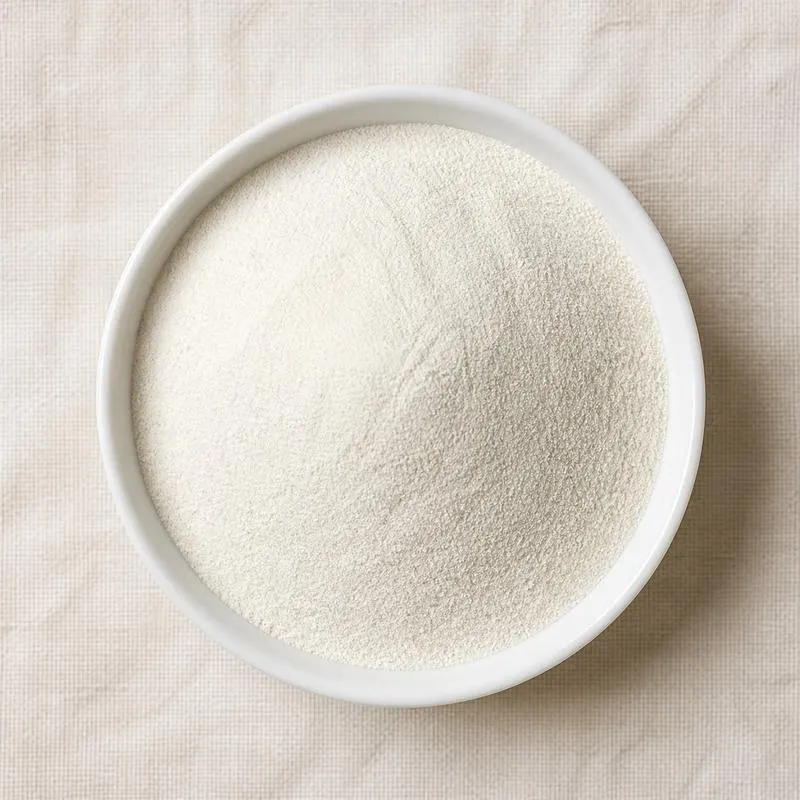
Tougu Flavoring Agent
Tougu flavouring agent is a compound aroma enhancer used in Chinese meat processing and catering, sold as a concentrated powder or paste that is added to braises, roasts and stocks to intensify the cooked meat aroma and carry it further into the tissue.
The name translates roughly as through the bone, describing the intended effect rather than a chemical identity. The formulations are built on maltol and ethyl maltol, which raise the perceived sweetness and roundness of savoury aroma at very low addition levels, combined with a savoury base of hydrolysed vegetable protein, yeast extract and thermal reaction meat flavour, spice oleoresins, and in many versions monosodium glutamate with the disodium salts of inosinic and guanylic acid. Salt, glucose, maltodextrin or modified starch make up the carrier.
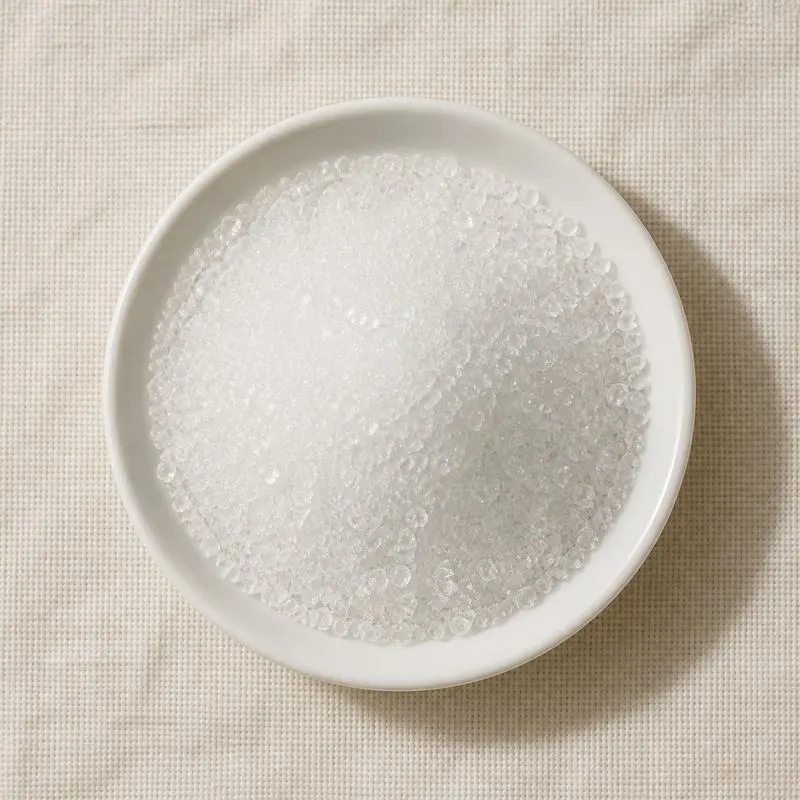
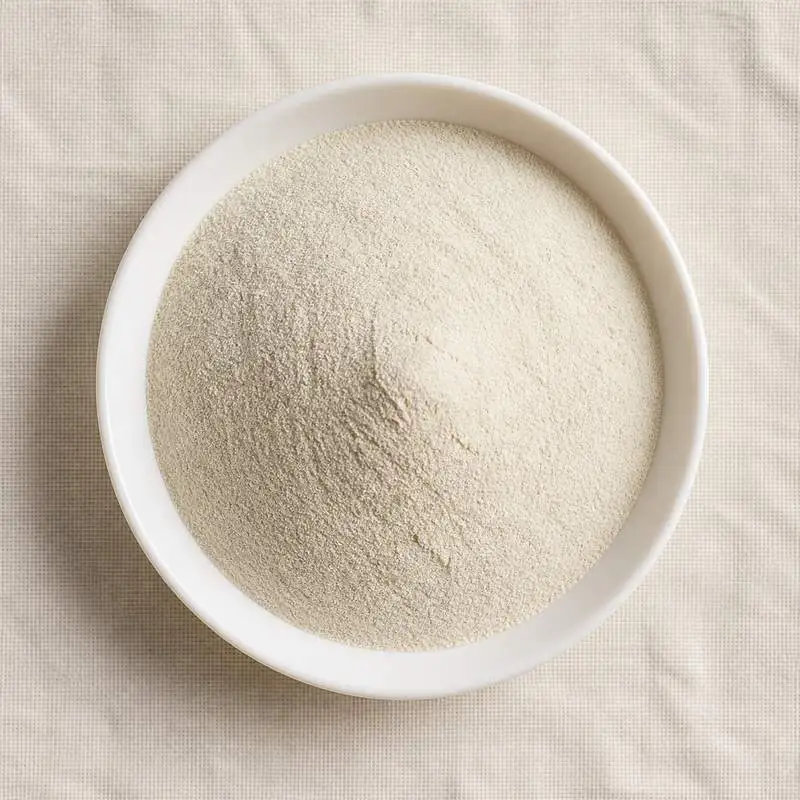
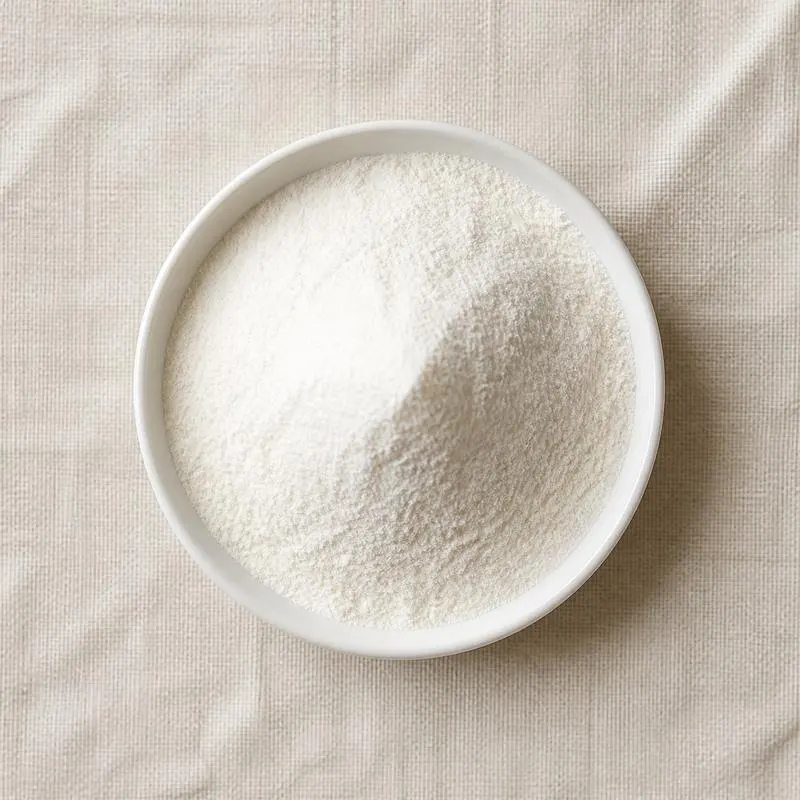
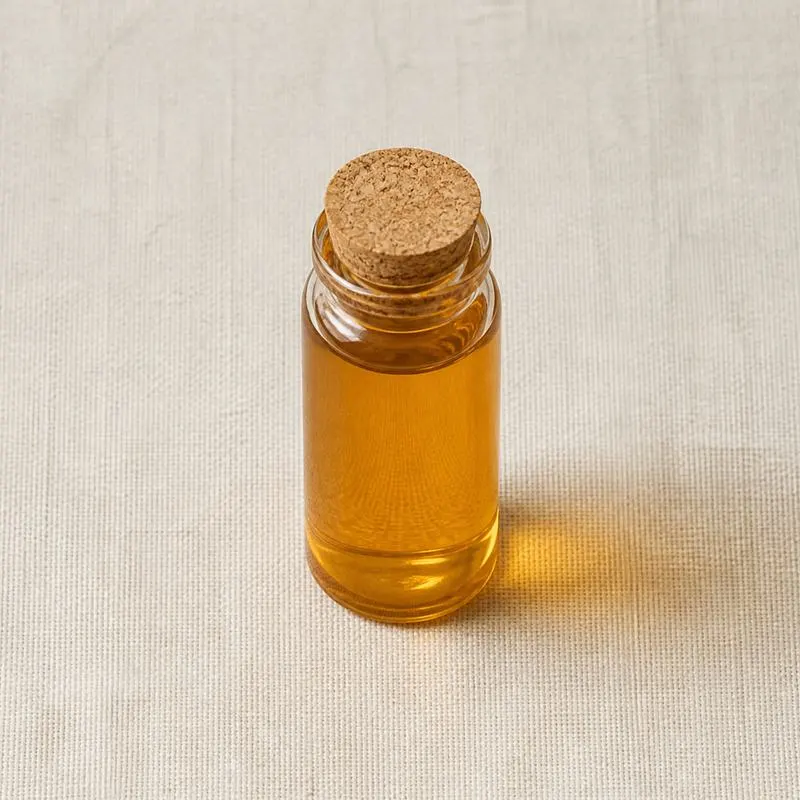
Powder grades are free flowing and off white to light brown, paste grades are darker and carried in edible oil. Both are dosed at a fraction of a percent of the meat or liquid weight. The maltol fraction is water soluble and the spice and reaction flavour fraction partly oil soluble, so the material disperses in a braising liquor but performs best when added towards the end of cooking, since the volatile components are lost on prolonged boiling.
We source bulk Tougu Flavoring Agent from top China manufacturers for our partners. The manufacturer is in Shandong. A smaller requirement can ship in a combined container with other ingredients.
Please send the grade you need, the volume and your destination port, and we will come back with a solution and a price.
or call +86-21-6858 0751
- Function
- Flavours and Aromas
Specifications
| Item | Specification |
|---|---|
| Appearance | Off white to light brown free flowing powder |
| Odour and taste | Strong caramelised and savoury meat aroma |
| Identification | Maltol and ethyl maltol confirmed by high performance liquid chromatography |
| Maltol and ethyl maltol content | Declared per grade, typically 2.0 to 10.0% |
| Loss on drying | Not more than 5.0% |
| Sodium chloride | 20.0 to 60.0% according to grade |
| Particle size | Not less than 95% through 40 mesh |
| pH of a 10% solution | 5.0 to 7.0 |
| Lead | Not more than 1.0 mg/kg |
| Arsenic | Not more than 0.5 mg/kg |
| Total plate count | Not more than 10,000 cfu/g |
| Yeast and mould | Not more than 100 cfu/g |
| Escherichia coli | Absent in 1 g |
| Salmonella | Absent in 25 g |
Common Markets Grades
Trade is organised by strength rather than by assay, with producers grading their offers by dosage rate and often by a letter designation, so a concentrated grade dosed at around one part in two thousand sits alongside a diluted grade dosed several times higher. What separates them is the proportion of carrier salt and starch to active aroma components, and the declared maltol and ethyl maltol content is the figure a buyer compares.
Physical form is the other split. Free flowing powders dominate factory use and dry rub applications, granulated versions are made for dosing lines where dust is a problem, and oil based pastes are used for hotpot bases and basting applications where the flavour has to sit in a fat phase. Profile variants exist for braised, roast, smoked and stewed applications, differing in the reaction flavour and spice extract they carry. Because the product is a formulated blend, no single purity specification applies to it.
Applications
- Braised and marinated meats, added to the braising liquor so aroma penetrates beyond the surface layer
- Roast duck, salt cured duck and pressed duck, where surface aroma has to survive drying and roasting
- Barbecue and skewer seasoning, blended into the dry rub or the basting oil
- Stocks and soup bases in central kitchens, lifting the aroma of a stock built from bone and water alone
- Braised pork ribs, trotters and offal, where the maltol fraction rounds off the sharp notes of the spice blend
- Dumpling, bun and ravioli fillings, dosed into the meat mix before forming
- Chilled and vacuum packed cooked meat lines, compensating for the aroma lost during pasteurisation and cold storage
- Hotpot and casserole bases in the oil carried form
- Fried rice, noodle and prepared meal seasoning in industrial catering production
China Manufacturers of Tougu Flavoring Agent
Top Tougu Flavoring Agent manufacturers in China.

Company names and logos are the property of the manufacturers themselves. They are listed here because our own directory records them as producing this ingredient. A listing is not an endorsement by them, and we do not represent them or speak on their behalf.
Regulatory Status
In the United States the components of the blend rather than the blend itself carry the regulatory status. 21 CFR 172.515 lists maltol and ethyl maltol among the permitted synthetic flavouring substances, monosodium glutamate and the disodium salts of inosinic and guanylic acid are generally recognised as safe for use in food, hydrolysed proteins and yeast extract are food ingredients declared by their specific source name, and spice oleoresins are flavourings under the definitions in 21 CFR 101.22. Salt, sugar and starch carriers are ordinary food ingredients. The finished blend is declared on a label by listing those components in descending order of weight.
In the European Union maltol and ethyl maltol appear as authorised flavouring substances on the Union list maintained under Regulation (EC) No 1334/2008, and they also carry the historical additive numbers E 636 and E 637. Any flavour enhancer present keeps its own number in the E 620 to E 640 range under Regulation (EC) No 1333/2008, and reaction flavour and spice extract fractions fall under the flavouring regulation, with thermal process flavourings additionally required to have been made within the prescribed reaction conditions. Codex addresses these materials through its general standard for food additives and its guidelines for the use of flavourings.
Manufacturing Process
The active components arrive as separately manufactured materials. Maltol and ethyl maltol are produced by chemical synthesis and purified by crystallisation, the savoury base comes from acid or enzymatic hydrolysis of vegetable protein and from yeast autolysis followed by concentration and spray drying, the meat character comes from a Maillard reaction flavour made by heating amino acid sources with reducing sugars, and the spice notes from steam distilled oils or solvent extracted oleoresins that are plated onto a carrier.
Blending is a dry mixing operation. Minor components at very low inclusion are pre blended into a premix with part of the carrier so that they distribute uniformly, then the premix, the savoury base, the carrier salt and starch and any plated spice fraction are combined in a ribbon or double cone blender to a specified mixing uniformity. Liquid flavour and oleoresin fractions are sprayed onto the moving powder bed rather than poured. The blend is sieved to break agglomerates, passed through a metal detector and packed into moisture barrier film. Paste grades are instead dispersed into refined oil, homogenised and filled hot into pails or drums.