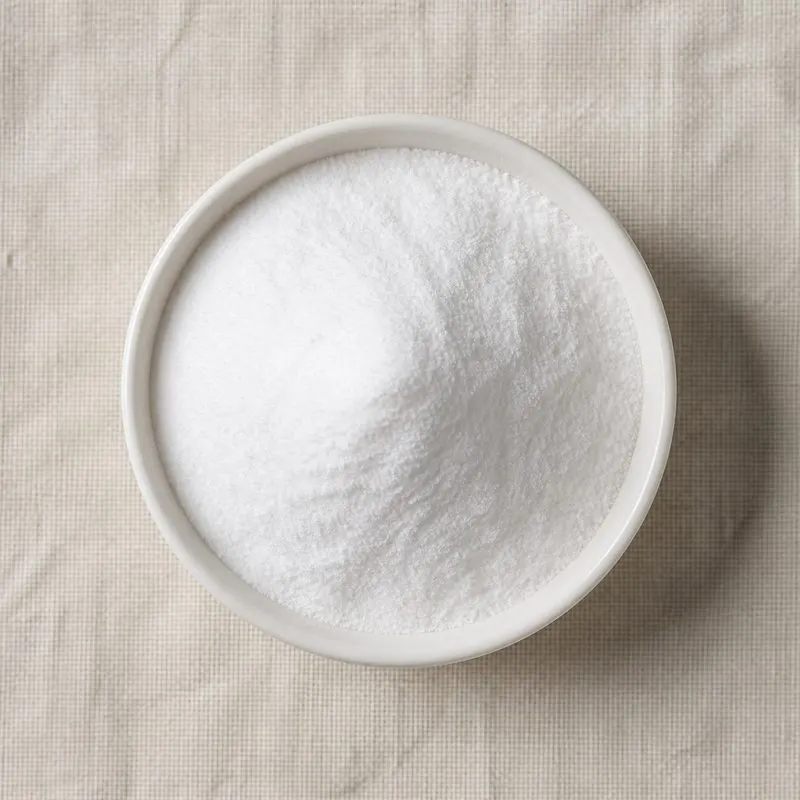
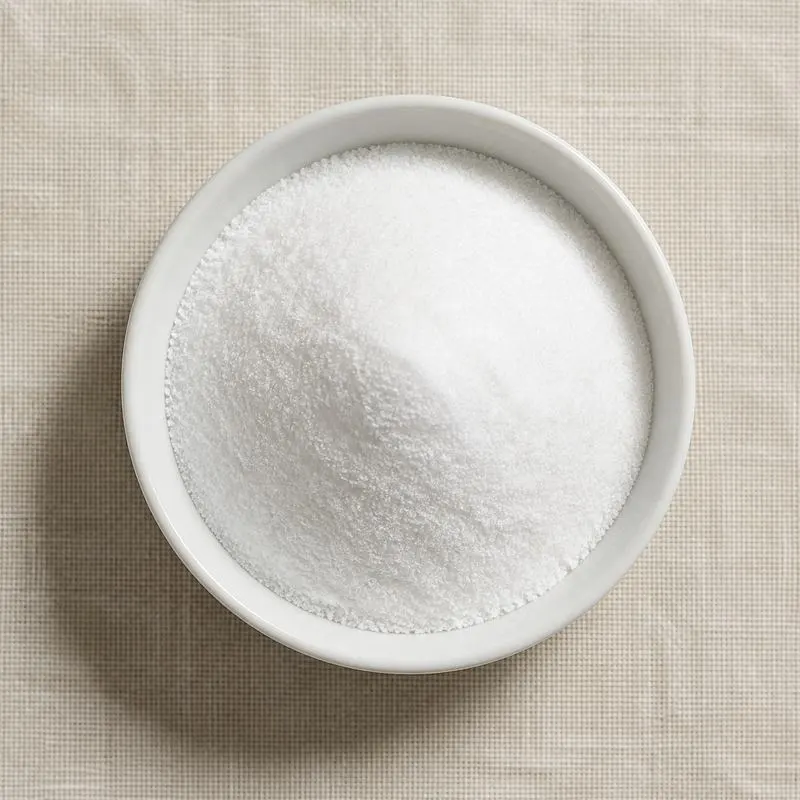
Tripotassium Glycyrrhizinate
Tripotassium Glycyrrhizinate is the fully neutralised potassium salt of glycyrrhizic acid, with all three carboxyl groups bound to potassium counter-ions, and is assigned CAS number 68797-35-3.
It is markedly more water-soluble than the monopotassium form, dissolving readily in cold water to give a slightly alkaline solution, which makes it the salt of choice for aqueous cosmetic toners, mouthwashes, and clear functional beverages.
We source bulk Tripotassium Glycyrrhizinate from top China manufacturers for our partners, working with several of them. The manufacturers are mostly in Gansu, Shaanxi and Henan. A smaller requirement can ship in a combined container with other ingredients.
Please send the grade you need, the volume and your destination port, and we will come back with a solution and a price.
or call +86-21-6858 0751
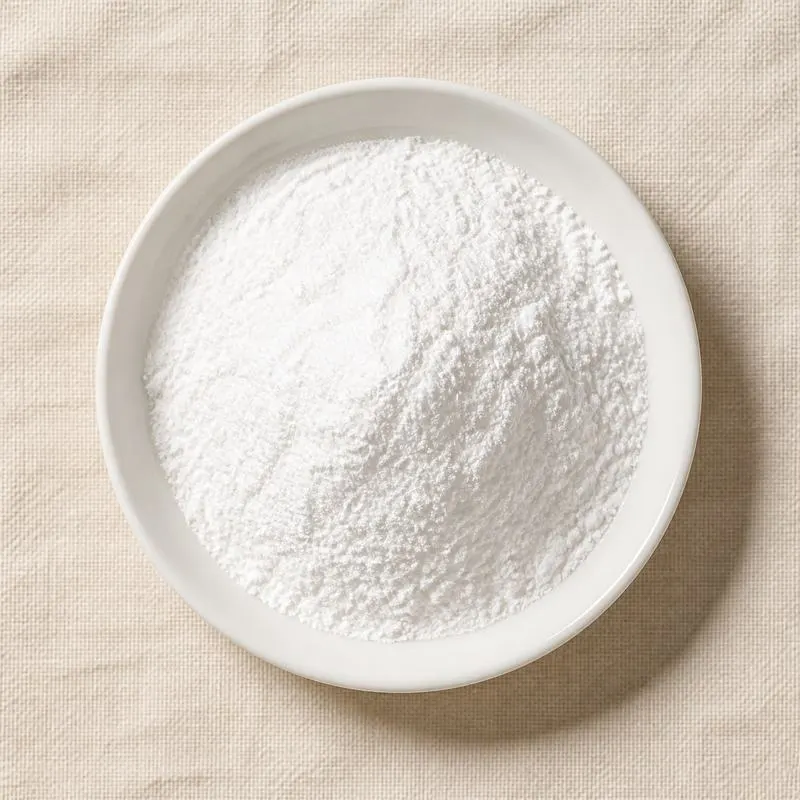
- Packaging
- 25 kg kraft paper bag with PE inner liner
- ISO 9001
- HACCP
- Halal
- Kosher
Specifications
| Item | Specification |
|---|---|
| Appearance | White to yellowish-white powder |
| Assay (as Glycyrrhizic Acid) | ≥ 65.0% |
| Potassium Content | 10.0–14.0% |
| pH (1% solution) | 7.0–9.5 |
| Loss on Drying | ≤ 5.0% |
| Heavy Metals (as Pb) | ≤ 10 ppm |
| Total Plate Count | ≤ 1000 CFU/g |
| Solubility | Dissolved in ethanol, 1,3-butanediol. Do not dissolve in water |
| Typical Dosage | 1‰-5‰ |
| Packing | 1kg aluminum foil bag |
| Transport | Non-hazardous cargo(IMO/IATA) |
Common Markets Grades
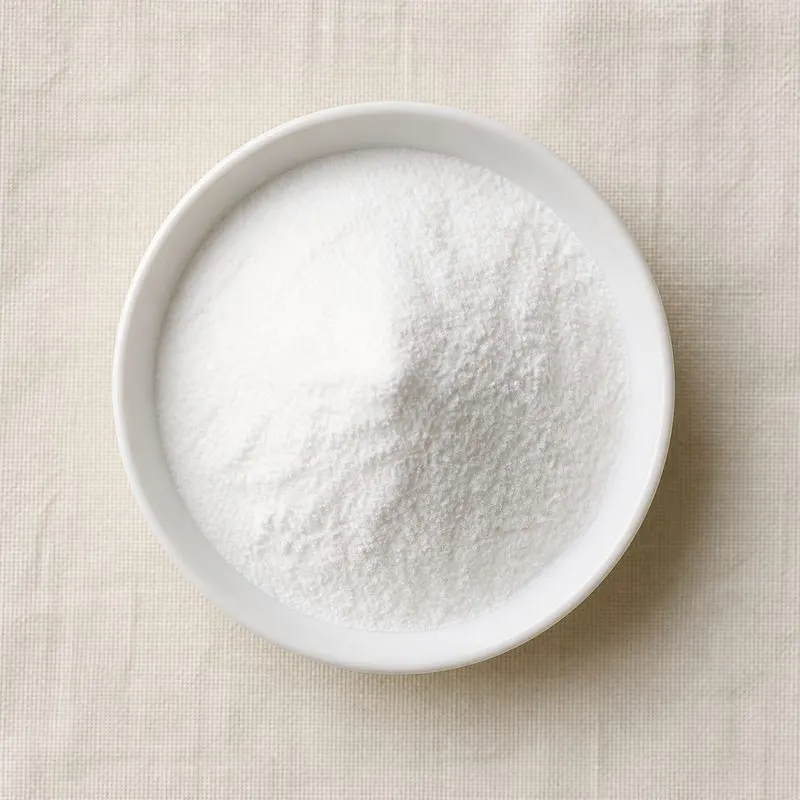
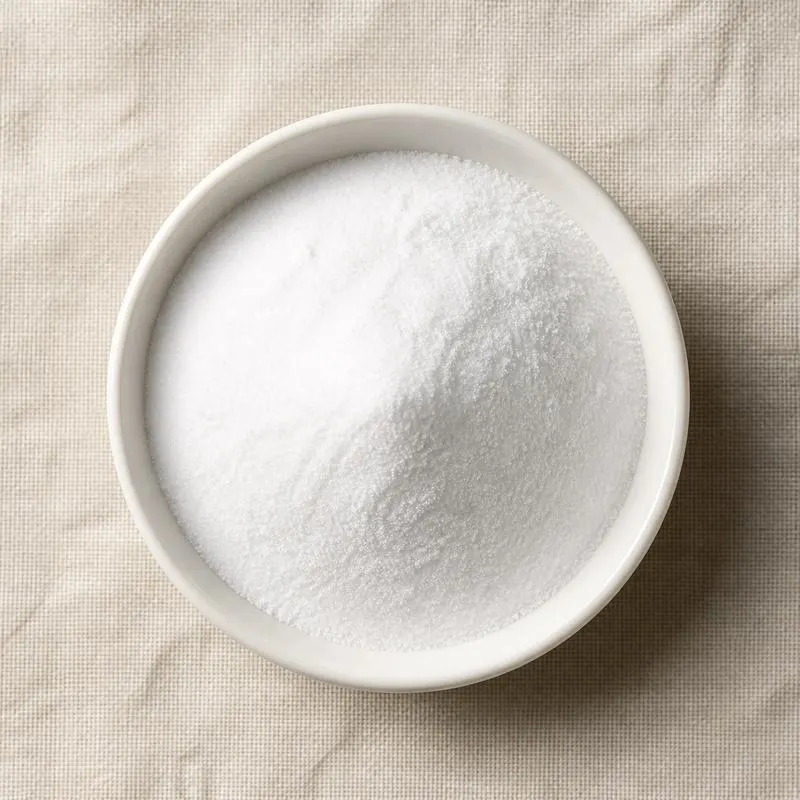
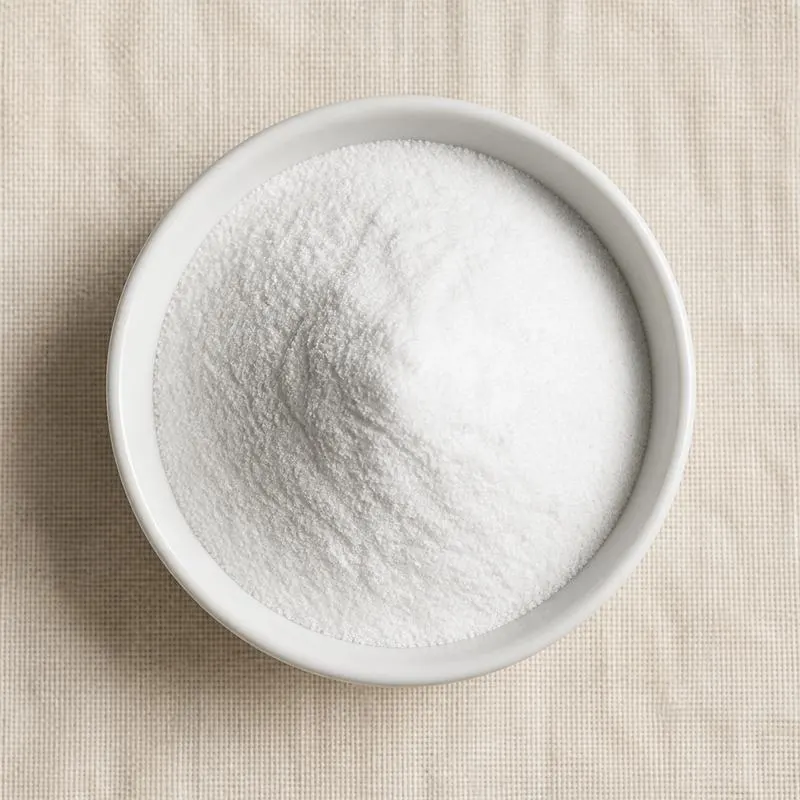
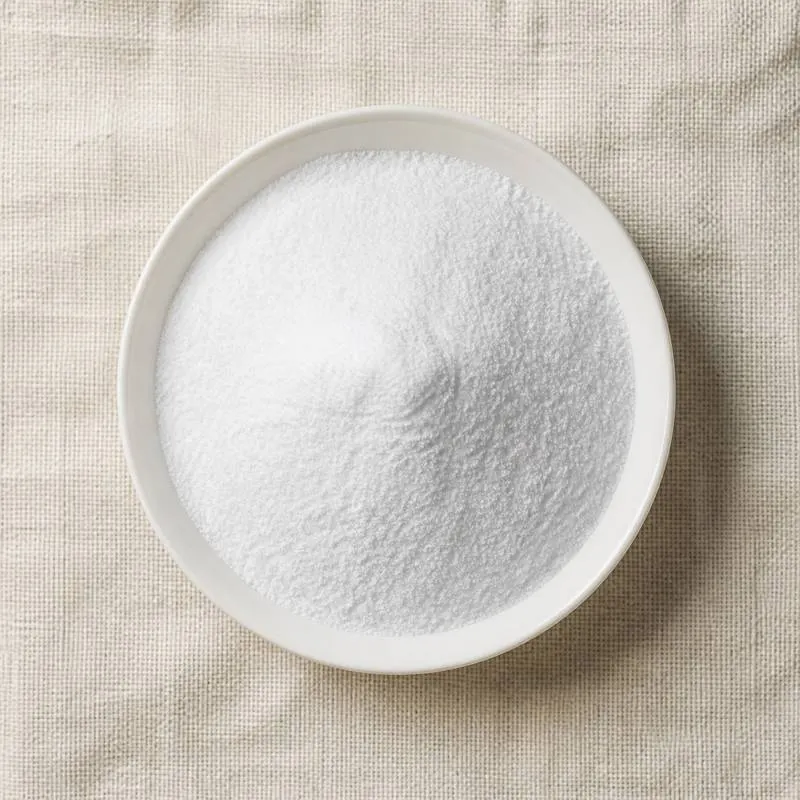
Tripotassium Glycyrrhizinate is a white to pale yellow fine powder, with HPLC assay typically at 95 percent or 98 percent on a dry basis.
A cosmetic grade meeting INCI specifications and CosIng entries is the largest format on the market and accounts for most of the demand from skin-care brands.
A food and oral-care grade serves mouthwashes, breath strips, and clear functional drinks where the high solubility avoids haze.
Sulfated ash and potassium content are tightly specified, since the tri-salt carries about 13 to 14 percent potassium by mass and any deviation indicates an imperfect neutralisation.
Applications
- Aqueous skin-care toners, essences, and serums for sensitive skin
- Sheet masks and gel masks in Korean and Japanese beauty formats
- Sunscreen sprays and after-sun gels
- Mouthwash, breath strips, and clear oral rinses
- Clear functional beverages and herbal shots
- Hair tonics, scalp serums, and dandruff treatments
- Topical acne treatments and spot gels
- Aqueous pharmaceutical eye-drop and nasal preparations
- Throat sprays and atomised oral mists
- Wet wipes and intimate hygiene products
- Clear gel deodorants and underarm treatments
- Functional supplement liquids and herbal extracts
China Manufacturers of Tripotassium Glycyrrhizinate
Top Tripotassium Glycyrrhizinate manufacturers in China.
- Gansu Fanzhi Pharmaceutical Co., Ltd.4 ingredients in the directory
- Gansu Sandi Plant Chemistry Co., Ltd.3 ingredients in the directory
 Luoyang Lansealy Technology Co., Ltd.6 ingredients in the directory
- Qinghai Lake Pharmaceutical Co., Ltd.8 ingredients in the directory
- Shaanxi Fujie Pharmaceutical Co., Ltd./Xinjiang Fuwo Pharmaceutical Co., Ltd.5 ingredients in the directory
 Shaanxi Huatai Biological Fine Chemical Co., Ltd.5 ingredients in the directory
 Zhangjiagang Free Trade Zone Hongyufeng Bio-Technology Co., Ltd.11 ingredients in the directory
Company names and logos are the property of the manufacturers themselves. They are listed here because our own directory records them as producing this ingredient. A listing is not an endorsement by them, and we do not represent them or speak on their behalf.
How We Help Source Tripotassium Glycyrrhizinate
Direct Factory Sourcing
We run the whole process: selecting the manufacturer from the top Chinese food ingredient producers, negotiating the price, verifying quality, and coordinating the logistics. You deal with us instead of with several factories at once.
Original Packaging and Documents from the Manufacturer
The manufacturer sends your Tripotassium Glycyrrhizinate out of its own factory in the original packing, through to your destination port. The COA, COO, MSDS, TDS and any certifications reach you from the manufacturer as well.
Free Samples and Lead Time
We send 100 to 500 g free for your own laboratory to test and you cover only the courier, usually within 2 to 3 working days. ETD is usually within 7 to 15 days once the order is confirmed, and we check that date against the factory's own manufacturing schedule before we give it to you.
Combined Shipment
We can load Tripotassium Glycyrrhizinate together with other ingredients such as Stevia, Erythritol and Maltitol into one 20' FCL. If your quantity is small, we can also ship LCL.
Regulatory Status
Tripotassium Glycyrrhizinate is permitted as a flavour, sweetener, and cosmetic ingredient across major markets.
The European Union covers it under the same intake guidance as other glycyrrhizinate salts, and EFSA opinions on glycyrrhizin remind consumers to keep habitual intake below approximately 100 mg per day to avoid pseudoaldosteronism.
In the United States licorice and its derivatives, including potassium salts, are GRAS under 21 CFR 184.1408 with use-level limits ranging from 0.05 percent to 16 percent depending on food category.
The INCI name Tripotassium Glycyrrhizinate is widely listed in cosmetic ingredient databases, and the substance carries cosmetic registrations in Japan, Korea, and the European Union. Kosher and Halal certifications are routinely available.
Manufacturing Process
Tripotassium Glycyrrhizinate is produced by complete neutralisation of glycyrrhizic acid with three molar equivalents of potassium hydroxide.
Starting from purified free glycyrrhizic acid recovered from licorice root extract, the acid is suspended in water and the alkali is added slowly until the pH stabilises between 7.5 and 8.5, indicating that all three carboxyl groups are deprotonated.
The clear solution is decolorised with activated carbon, polished by filtration, and concentrated under vacuum before spray drying.
Each lot is verified by HPLC assay, by atomic absorption for potassium content, and by pharmacopoeial methods for heavy metals, residual solvents, and microbiological purity. The high water solubility is itself a routine quality check.