Trisodium Diphosphate
Trisodium diphosphate is the partially neutralised sodium salt of diphosphoric acid, Na3HP2O7, in which three of the four acidic protons of the pyrophosphate anion have been replaced by sodium. It sits chemically between the acidic disodium dihydrogen diphosphate used in baking powders and the fully neutral tetrasodium diphosphate, and it is traded both anhydrous and as the monohydrate.
The pyrophosphate anion carries a high charge density and binds divalent cations strongly, which makes the salt an effective sequestrant for calcium, magnesium and iron. In protein systems it also dissociates the actomyosin complex and raises ionic strength, so it increases water binding in muscle foods. A 1 percent solution reacts mildly alkaline, generally between pH 6.7 and 7.5, which is the property that separates it in use from its more strongly alkaline and more strongly acidic relatives.
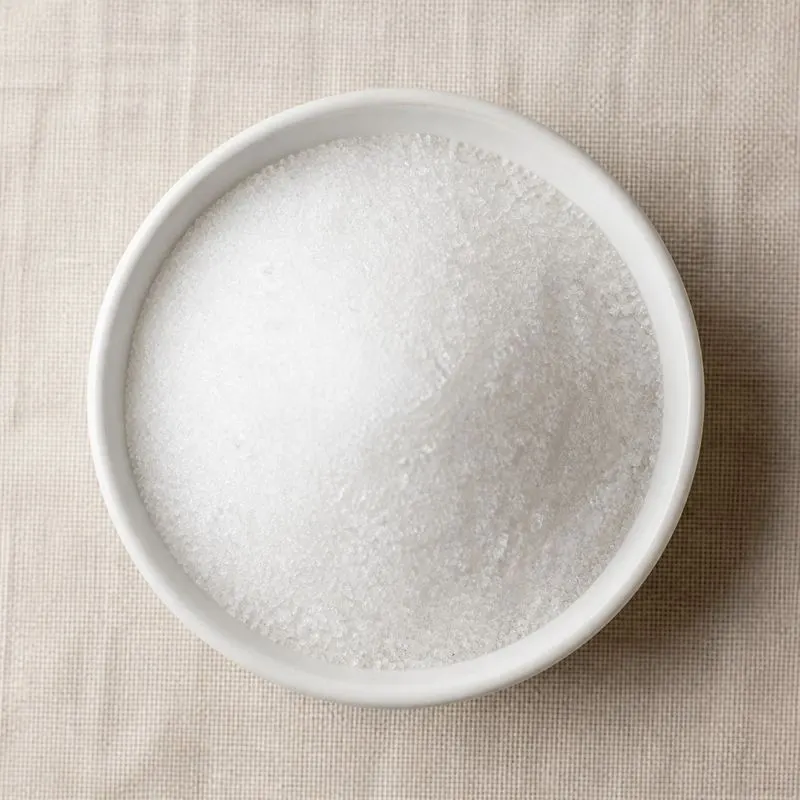
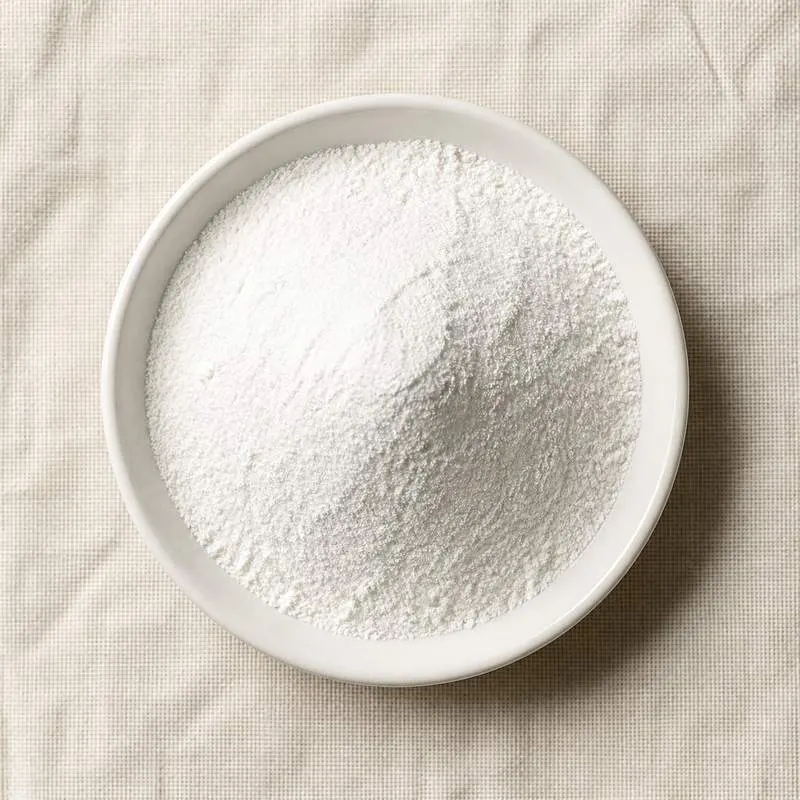
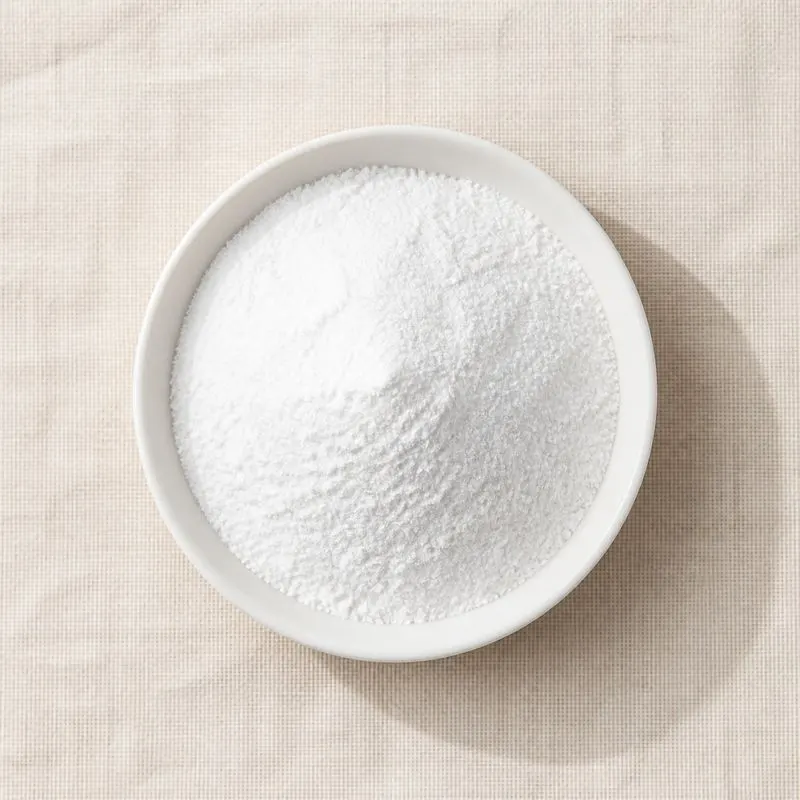
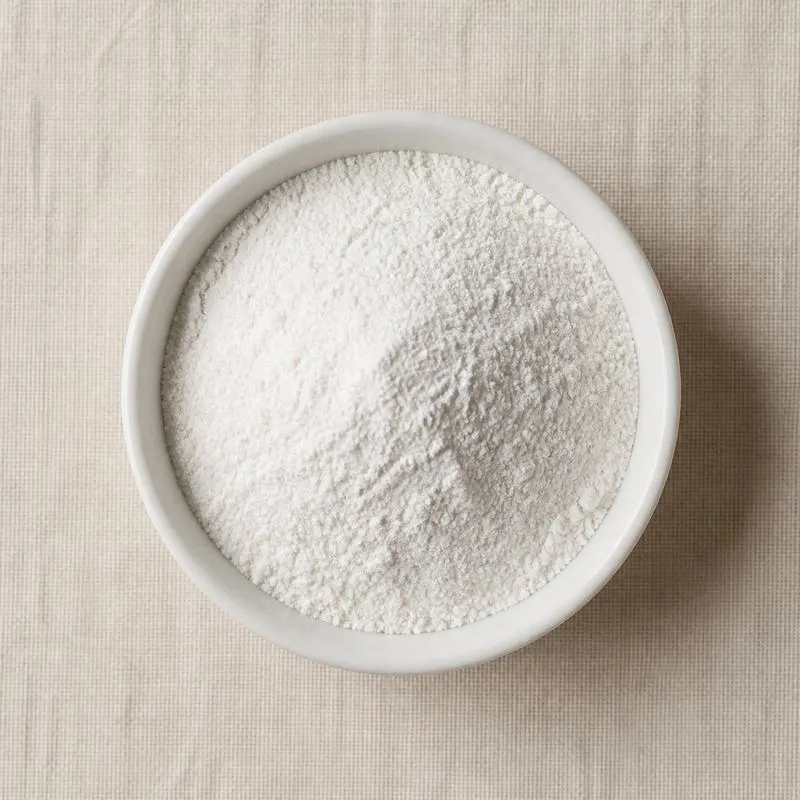
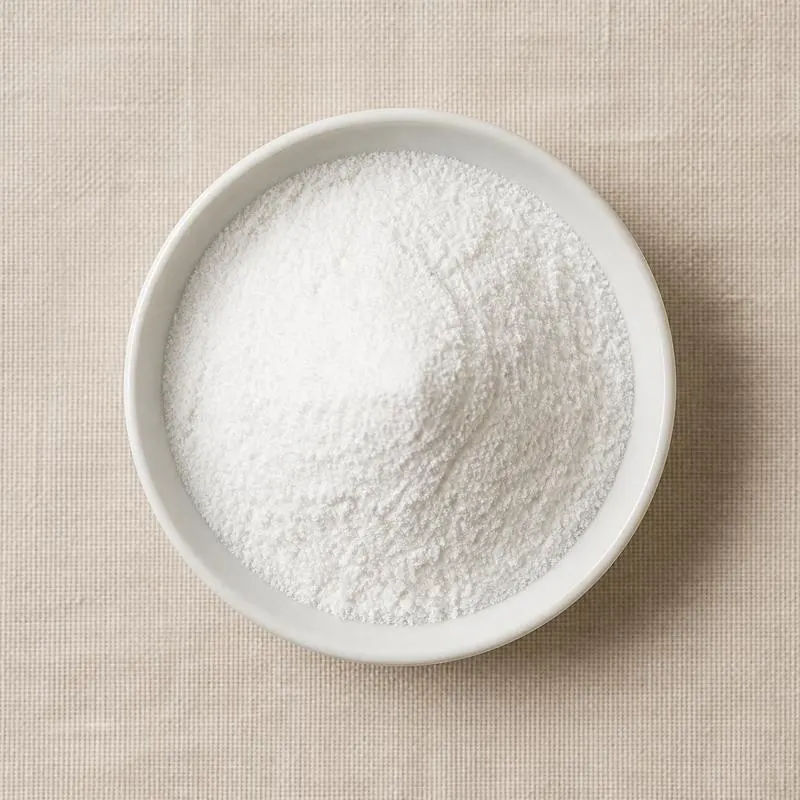
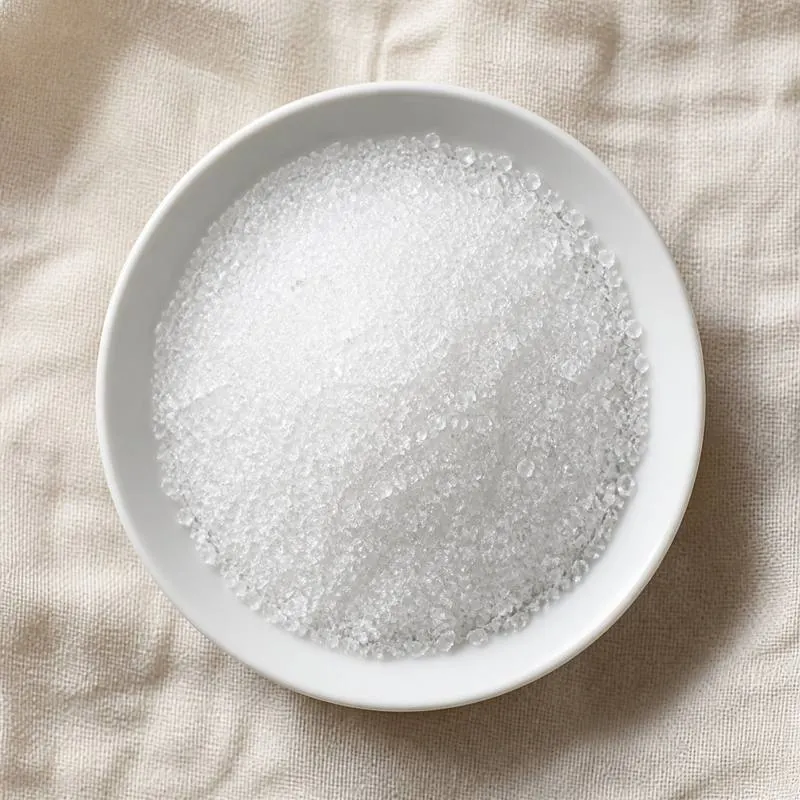
It is a white crystalline powder or granule, freely soluble in water and insoluble in ethanol. In solution the pyrophosphate linkage hydrolyses slowly back to orthophosphate, faster at low pH and at elevated temperature, so working solutions are prepared close to the point of use.
We source bulk Trisodium Diphosphate from top China manufacturers for our partners. The manufacturers are in Sichuan and Hubei. A smaller requirement can ship in a combined container with other ingredients.
Please send the grade you need, the volume and your destination port, and we will come back with a solution and a price.
or call +86-21-6858 0751
- Function
- Mineral salt
Specifications
| Item | Specification |
|---|---|
| Appearance | White crystalline powder or granules, odourless |
| Assay (as Na3HP2O7) | Not less than 95.0 percent |
| Total Phosphorus (as P2O5) | 61.0 to 64.5 percent |
| Identification | Positive for sodium and for pyrophosphate |
| pH (1 percent solution) | 6.7 to 7.5 |
| Loss on Ignition | Not more than 1.0 percent, anhydrous grade |
| Water Insoluble Matter | Not more than 0.2 percent |
| Fluoride | Not more than 10 mg/kg |
| Arsenic | Not more than 3 mg/kg |
| Lead | Not more than 2 mg/kg |
| Cadmium | Not more than 1 mg/kg |
| Heavy Metals (as Pb) | Not more than 10 mg/kg |
| Particle Size | Not less than 95 percent through 40 mesh |
Common Markets Grades
Food grade material conforming to the Food Chemicals Codex specification for sodium acid pyrophosphate salts is the principal commercial quality, typically assaying not less than 95 percent as Na3HP2O7 with total phosphorus expressed as P2O5 in the region of 61 to 64 percent. Technical grade material of the same composition serves water treatment, metal finishing and detergent users and carries looser limits on fluoride and heavy metals.
Hydration state and particle size are the practical selection criteria. The anhydrous salt is preferred for dry blends where added water would cause caking or premature reaction, while the monohydrate is common where dissolution rate matters more. Fine powder grades dissolve quickly in cold brine, granular grades are chosen for free flowing dry mixes and for dust control in open weighing. No coated or encapsulated form is offered in normal trade.
Applications
- Injection brines for ham and cured pork, where it raises water holding capacity and cook yield without pushing pH as high as the fully neutralised pyrophosphates
- Poultry marination and chilling, where sequestration of calcium and magnesium reduces drip loss in the retail pack
- Surimi and fish gel products, where it protects myofibrillar protein against denaturation during frozen storage
- Canned seafood such as crab and tuna, where it binds trace metals and suppresses struvite crystal formation and grey discolouration
- Potato processing, where it chelates iron and prevents the after cooking darkening caused by ferric chlorogenic acid complexes
- Processed cheese, where it acts as an emulsifying salt that exchanges calcium out of the casein network to give a smooth melt
- Instant noodles and pasta, where mild alkalinity firms the gluten structure and lowers cooking loss
- Powdered beverage and pudding bases, where it buffers hard water and prevents calcium induced precipitation on reconstitution
- Detergent and industrial cleaning formulations, where it functions as a builder and water softening agent
China Manufacturers of Trisodium Diphosphate
Top Trisodium Diphosphate manufacturers in China.
 Sichuan Kindia May Science And Tech.Co., Ltd.14 ingredients in the directory
 Wuhan Waking Lion Chemicals Co., Ltd.13 ingredients in the directory
Company names and logos are the property of the manufacturers themselves. They are listed here because our own directory records them as producing this ingredient. A listing is not an endorsement by them, and we do not represent them or speak on their behalf.
Regulatory Status
In the United States sodium pyrophosphates including the trisodium salt are generally recognised as safe for use in food as sequestrants, buffers and texture modifiers, and food grade material is expected to conform to the Food Chemicals Codex. Use in meat and poultry products is additionally controlled by the United States Department of Agriculture, which caps total added phosphate in the finished product at 0.5 percent and requires it to be declared on the label.
In the European Union the substance is authorised as trisodium diphosphate, E450(ii), within the diphosphates group, with permitted food categories and maximum use levels set in the Union list and expressed as P2O5 across the phosphate group as a whole. JECFA has published specifications for the sodium diphosphates and Codex includes them in the General Standard for Food Additives under the phosphates provisions. Labelling in the European Union names either the specific additive or the class term phosphates together with the E number.
Manufacturing Process
Manufacture starts from food grade phosphoric acid, produced by the thermal route from elemental phosphorus or by wet process digestion of phosphate rock followed by solvent extraction, defluorination and heavy metal removal. The acid is neutralised with sodium carbonate or sodium hydroxide in a stirred reactor to a mole ratio of three sodium to two phosphorus, with the endpoint held by continuous pH control, since the ratio decides which diphosphate species forms on condensation.
The neutralised liquor is clarified and filtered, then concentrated by evaporation and either spray dried or dried on a drum to an intermediate orthophosphate powder. That powder is calcined in a rotary or belt kiln at roughly 300 to 400 degrees Celsius, where condensation eliminates water between two orthophosphate units and forms the pyrophosphate linkage. The degree of condensation is tracked by measuring the ratio of pyrophosphate to residual orthophosphate. The calcined cake is cooled, milled and screened to the target particle size, passed over a magnet and a safety sieve, and packed into moisture barrier bags, since the product picks up atmospheric water and slowly reverts to orthophosphate.