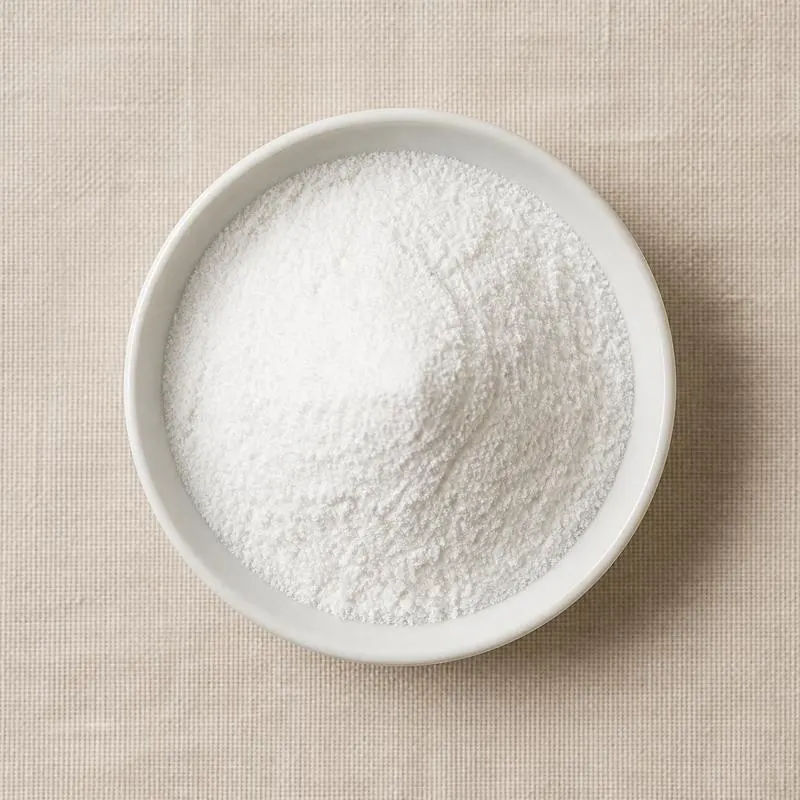
Trisodium Phosphate
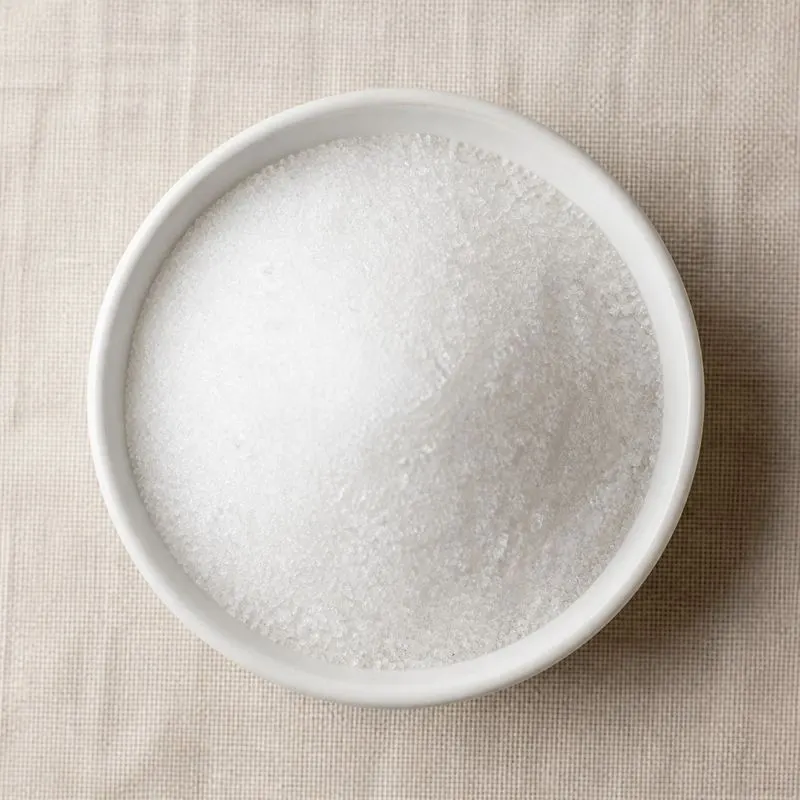
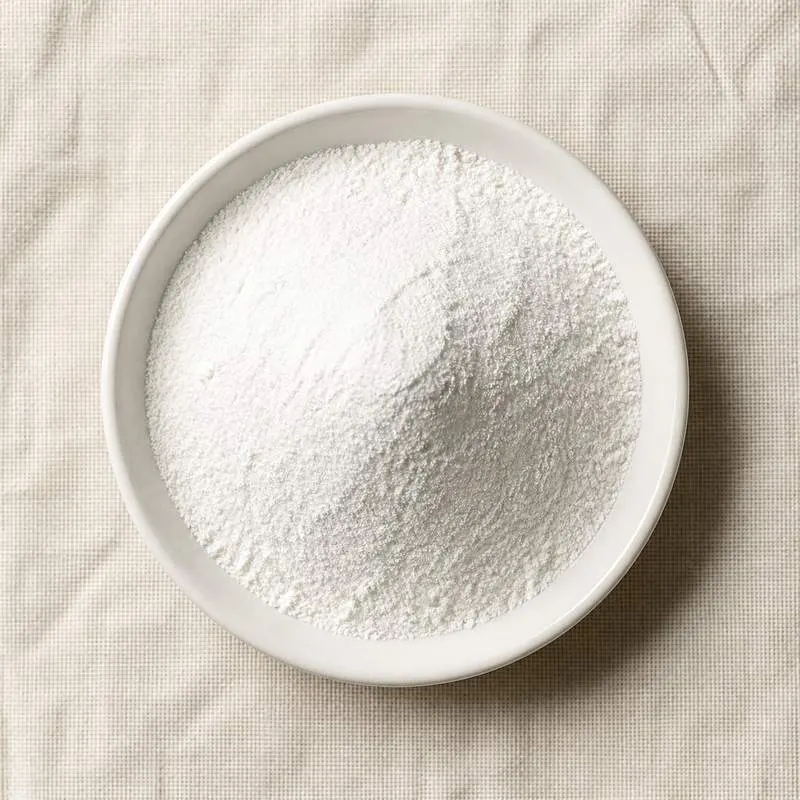
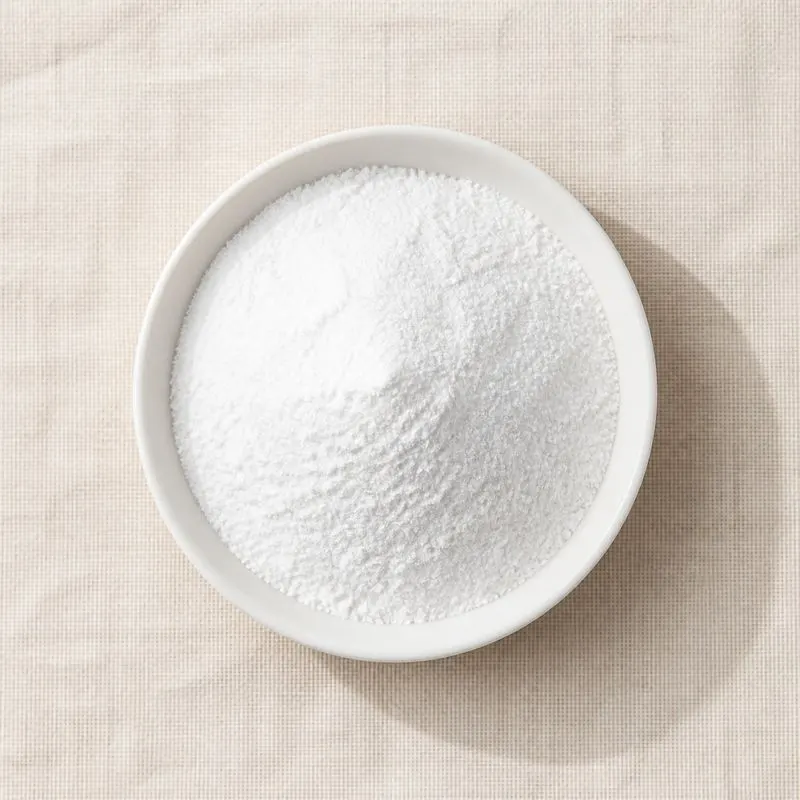
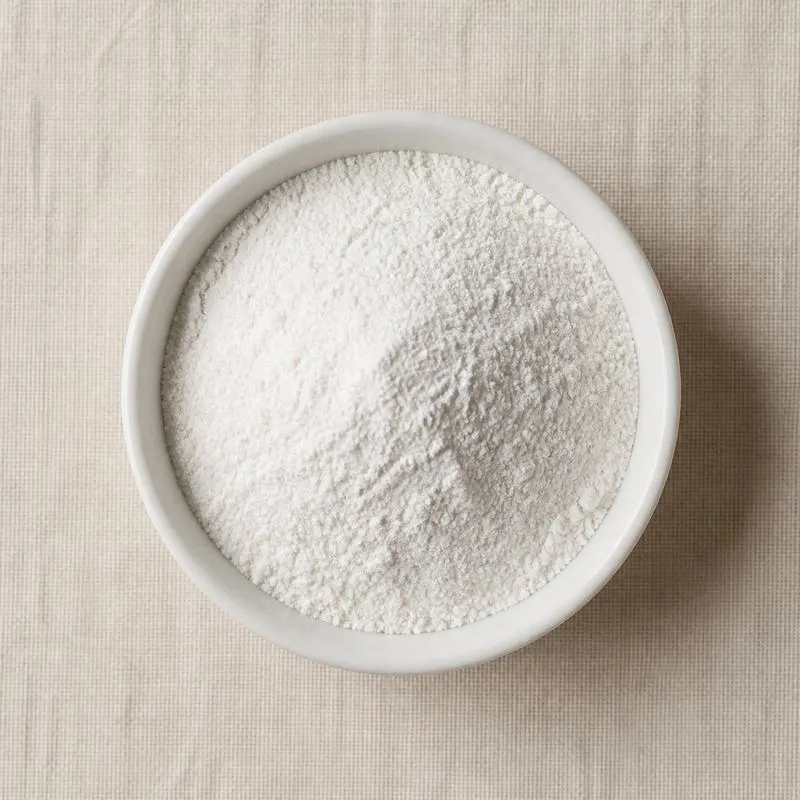
Trisodium Phosphate is the tri-sodium salt of orthophosphoric acid with the formula Na₃PO₄ and CAS number 7601-54-9. It carries the European food additive number E339(iii) and is widely known by its acronym TSP.
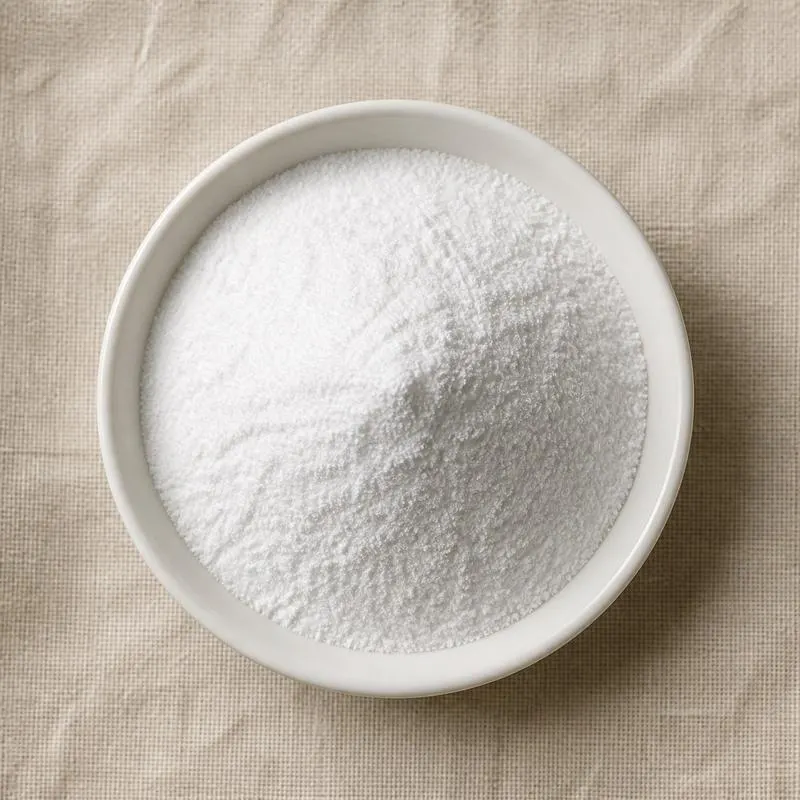
The material is a white crystalline solid that dissolves in water to give a strongly alkaline solution with a pH of 12 or higher at one percent concentration. That high pH defines almost every food, dairy, and industrial use of the salt.
We source bulk Trisodium Phosphate from top China manufacturers for our partners, working with several of them. The manufacturers are in Jiangsu and Sichuan. For this ingredient the minimum order is 500 kg and a 20-foot container takes 25 MT, and a smaller requirement can ship in a combined container with other ingredients.
Please send the grade you need, the volume and your destination port, and we will come back with a solution and a price.
or call +86-21-6858 0751
- Minimum order
- 500 kg
- Qty in 20' FCL
- 25 MT
- Packaging
- 25 kg kraft paper bag with PE inner liner
- Function
- Mineral salt
- ISO 9001
- HACCP
- Halal
- Kosher
Specifications
| Item | Specification |
|---|---|
| Main contents | 97.0% ≥ |
| P2O5 | 39.5% ≥ |
| Sodium oxide, as Na2O | 36-40% |
| Sulfate, as SO4 | 0.5% ≤ |
| Heavy metal, as Pb | 0.001% ≤ |
| Arsenic, as As | 0.0003% ≤ |
| Fluoride as F | 0.005% ≤ |
| Water insoluble | 0.10% ≤ |
| Pb | 0.0004% ≤ |
| Cl | 0.001% ≤ |
| Fe | 0.0002% ≤ |
| pH | 11.5, 12.5 |
| Loss on drying | 2% ≤ |
Common Markets Grades
Trisodium Phosphate is commercially available in anhydrous, monohydrate, hexahydrate, octahydrate, and dodecahydrate forms. The dodecahydrate (Na₃PO₄·12H₂O) is the form most often quoted in classical chemistry references, but the anhydrous and monohydrate grades dominate modern food-industry supply because they ship more economically and dry-blend more cleanly.
Food grade TSP meets FCC and JECFA purity specifications. It comes as a free-flowing powder, a coarse crystal, and a granulate. Granular grades are favored in automated weighing for cured meat and dough conditioning lines.
Technical grade TSP, often with a small fraction of sodium hydroxide added, is produced for heavy-duty cleaning, paint preparation, and degreasing. Pharmaceutical and laboratory grades meeting USP and Ph. Eur. monographs are produced in smaller volumes for buffer and reagent use.
Applications
- Dough conditioner and quick-cooking aid in instant noodles and pasta
- Emulsifying salt in processed cheese, particularly in blends with disodium phosphate to lift pH
- Stabiliser and protein dispersant in evaporated milk and condensed milk
- Cure accelerator and water-binding aid in injected ham, bacon, and poultry products
- pH adjuster in cereal grains and ready-to-eat breakfast cereals
- Mineral fortification in nutritional powders
- Alkaline buffer in canned seafood to maintain texture and colour
- Heavy-duty cleaning agent, paint stripper, and degreaser in industrial and household products
- Boiler water treatment and corrosion inhibitor in steam systems
- Component of automatic dishwashing powders before the phase-out for phosphate load reasons
Brands Using Trisodium Phosphate
Widely-distributed consumer products that list Trisodium Phosphate on the ingredient label.
- General Mills (Cheerios)Frosted Cheerios ↗Panel: 'Whole Grain Oats, Sugar, Corn Starch, Corn Syrup, Salt, Trisodium Phosphate, Brown Sugar Syrup, Natural Flavor.' TSP used as alkaline buffer / dough conditioner.Label verified 2026-05-24
- General Mills (Lucky Charms)Lucky Charms with Marshmallows ↗Lucky Charms ingredient declaration lists trisodium phosphate as a pH/leavening buffer in the cereal piece formulation.Label verified 2026-05-24
- General Mills (Cheerios)Banana Nut Cheerios ↗General Mills' own consumer-affairs explanation confirms TSP is used as a buffering agent in cereal dough including Cheerios varieties such as Banana Nut Cheerios.Label verified 2026-05-24
Brand names, product names and logos are the property of their owners. They appear here as published evidence that the ingredient is used, taken from the brand's own label or website. Their appearance is not an endorsement, and it does not mean the brand buys from us or from any manufacturer listed on this site.
China Manufacturers of Trisodium Phosphate
Top Trisodium Phosphate manufacturers in China.
- Jiangsu Debang Duoling Health Technology Co., Ltd.10 ingredients in the directory
 Lianyungang Zexin Food Ingredients Co., Ltd.8 ingredients in the directory
 Sichuan Kindia May Science And Tech.Co., Ltd.14 ingredients in the directory
 Sichuan Ronghong Technology Development Co., Ltd.11 ingredients in the directory
Company names and logos are the property of the manufacturers themselves. They are listed here because our own directory records them as producing this ingredient. A listing is not an endorsement by them, and we do not represent them or speak on their behalf.
How We Help Source Trisodium Phosphate
Direct Factory Sourcing
We run the whole process: selecting the manufacturer from the top Chinese food ingredient producers, negotiating the price, verifying quality, and coordinating the logistics. You deal with us instead of with several factories at once.
Original Packaging and Documents from the Manufacturer
The manufacturer sends your Trisodium Phosphate out of its own factory in the original packing, through to your destination port. The COA, COO, MSDS, TDS and any certifications reach you from the manufacturer as well.
Free Samples and Lead Time
We send 100 to 500 g free for your own laboratory to test and you cover only the courier, usually within 2 to 3 working days. ETD is usually within 7 to 15 days once the order is confirmed, and we check that date against the factory's own manufacturing schedule before we give it to you.
Combined Shipment
We can load Trisodium Phosphate together with other ingredients such as Sodium Acetate, Calcium Citrate and Sodium Lactate into one 20' FCL. If your quantity is small, we can also ship LCL.
Regulatory Status
Trisodium Phosphate is approved as a food additive in all major regulated markets.
In the European Union it is listed as E339(iii) under Regulation 1333/2008 and falls under the grouped phosphate authorisation for the E339 to E343 family. Permitted categories cover processed cheese, dairy desserts, processed meats, breakfast cereals, and many other foods.
The U.S. Food and Drug Administration recognises TSP as GRAS under 21 CFR 182.1778 and 182.6810 and clears it for direct food use under 21 CFR 184.1781. The Food Chemicals Codex provides the relevant food-grade specification.
For non-food uses, TSP is included in environmental regulations covering phosphate discharge to surface waters. Several jurisdictions in North America and Europe restrict or prohibit phosphate-containing dishwashing and laundry detergents, although food and pharmaceutical uses are not affected. Kosher and Halal certifications are routinely available.
Manufacturing Process
Trisodium Phosphate is made by neutralising food-grade phosphoric acid with sodium carbonate to give disodium phosphate, then completing the reaction with sodium hydroxide to bring the stoichiometry to three moles of sodium per mole of phosphate.
The two-stage approach is preferred over single-stage neutralisation with caustic only, because sodium carbonate is cheaper and easier to handle and because intermediate disodium phosphate filtration removes residual sulphate and metal impurities. The fully neutralised liquor is then concentrated and crystallised.
The choice of crystallisation temperature and end-point moisture sets the hydrate form. Crystallisation above 75 °C with vacuum drying gives the anhydrous form. Cooler crystallisation without drying gives the dodecahydrate. The intermediate hexahydrate is recovered between these endpoints.
The dried crystals are sieved to the target particle size and packed in lined paper bags or FIBC bulk bags with desiccant liners, since the higher hydrates are mildly hygroscopic and slowly absorb carbon dioxide from air to form sodium carbonate impurities.