Trypsin Active Peptide Freeze Dried
Trypsin active peptide freeze dried is a lyophilised peptide preparation obtained by digesting a protein substrate with trypsin and drying the resulting hydrolysate by sublimation rather than by hot air. The name follows the Chinese trade convention of identifying a bioactive peptide by the enzyme that released it, so the defining features are the specificity of the enzyme and the low thermal load of the drying step.
Trypsin is a serine endopeptidase that cleaves peptide bonds only on the carboxyl side of lysine and arginine residues. That narrow specificity produces a reproducible set of fragments rather than the broad distribution a bacterial protease gives, and it concentrates basic residues at the peptide termini. The finished hydrolysate is dominated by peptides of roughly two to twenty residues, with the greater part below 2000 daltons, alongside free amino acids released by any exopeptidase stage.
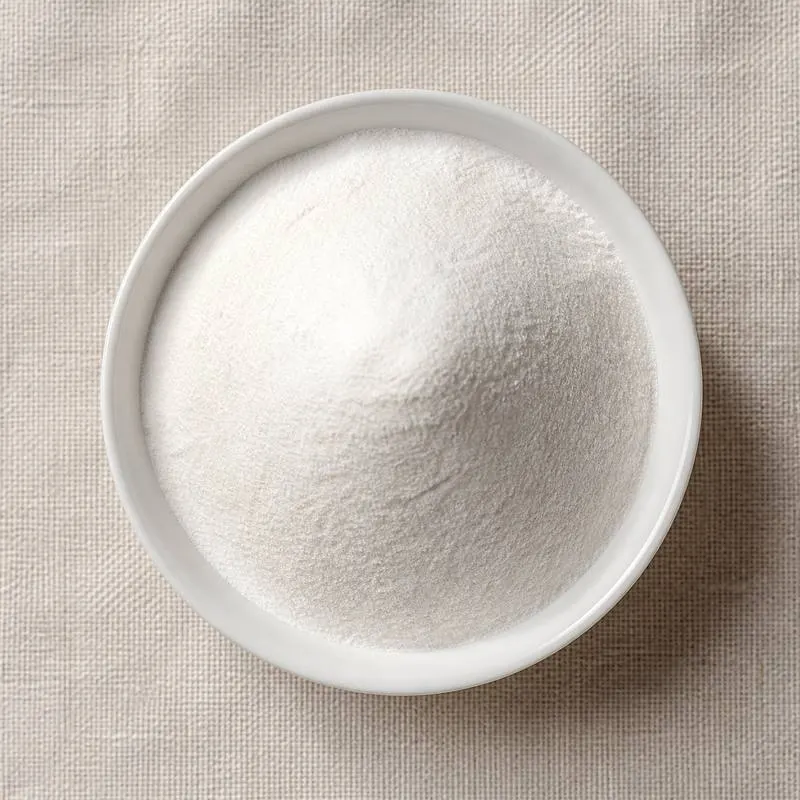
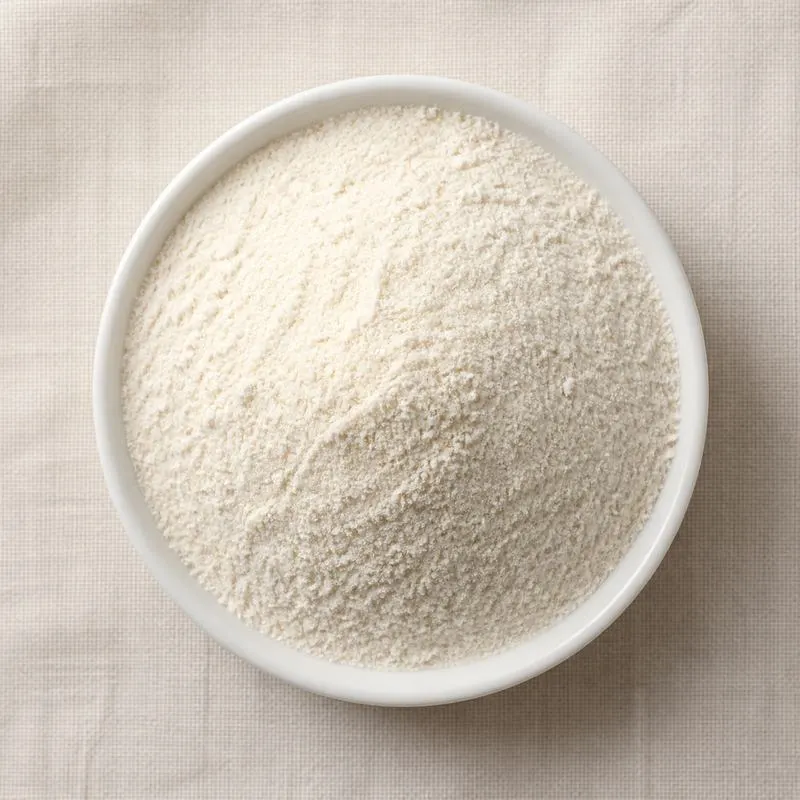
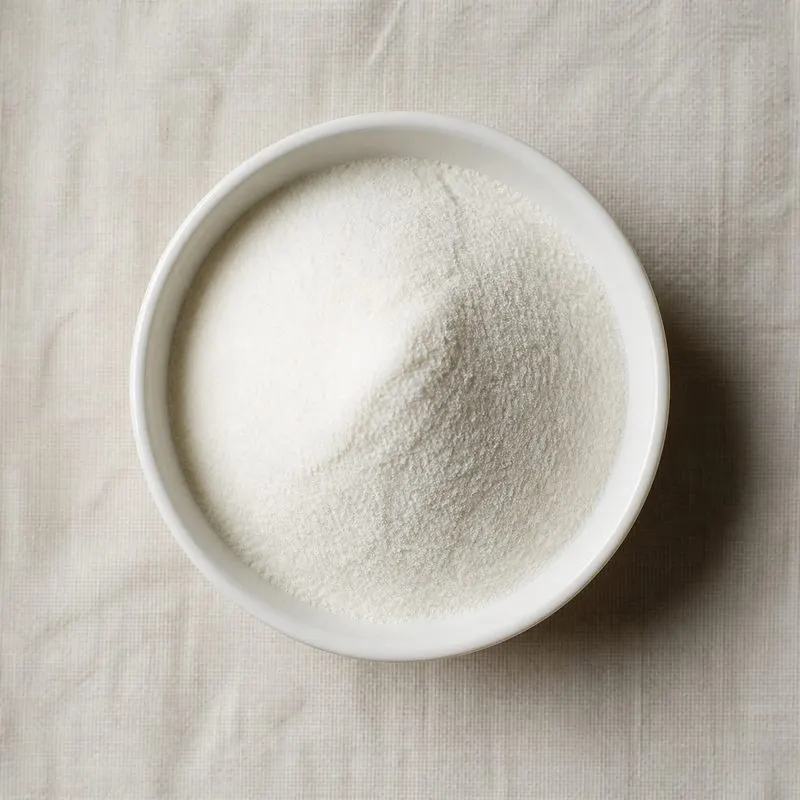
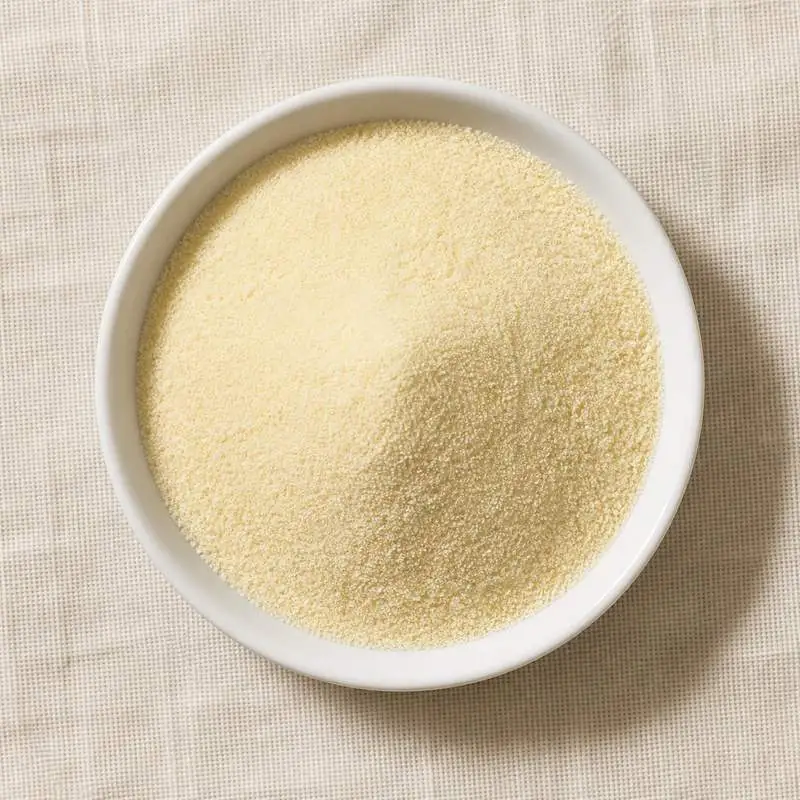
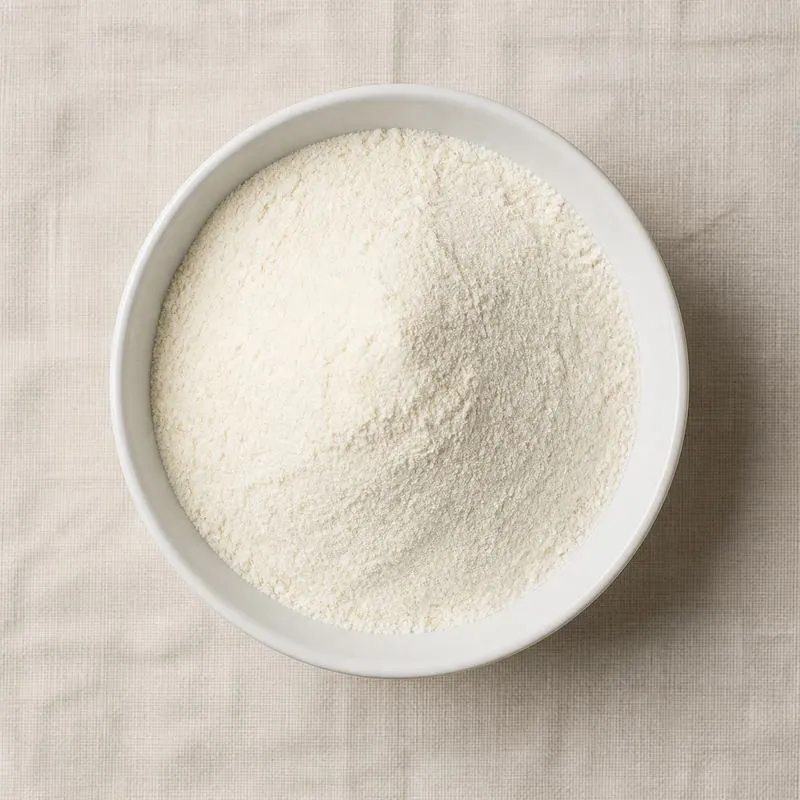
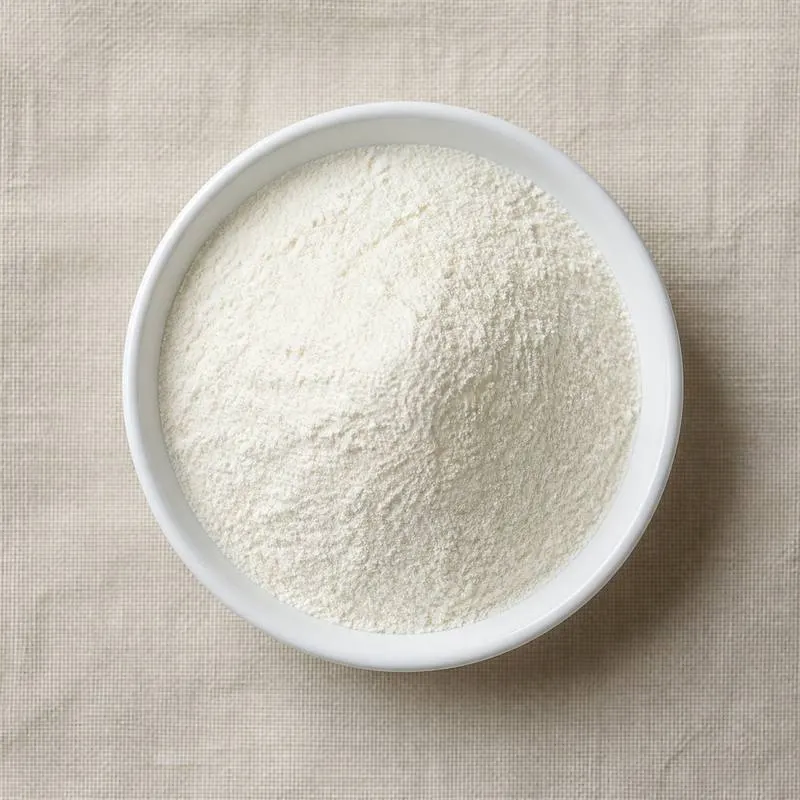
The product is a white to pale cream porous cake or flake that crumbles to a fine powder. Freeze drying leaves an open structure, so the material is markedly hygroscopic and rehydrates in cold water within seconds to a clear or faintly opalescent solution. It stays soluble across the pH range met in supplements and beverages, and because it was never heated in solution it retains heat labile fractions that a spray dried equivalent would lose.
We source bulk Trypsin Active Peptide Freeze Dried from top China manufacturers for our partners. The manufacturer is in Hainan. A smaller requirement can ship in a combined container with other ingredients.
Please send the grade you need, the volume and your destination port, and we will come back with a solution and a price.
or call +86-21-6858 0751
- Function
- Protein
Specifications
| Item | Specification |
|---|---|
| Appearance | White to pale cream porous cake, flake or powder |
| Odour and Taste | Slight characteristic, faintly bitter |
| Protein (dry basis) | ≥ 85.0% |
| Peptide Fraction below 1000 Da | ≥ 70.0% |
| Identification | Conforms by amino acid profile and molecular weight distribution |
| Loss on Drying | ≤ 5.0% |
| Ash | ≤ 6.0% |
| pH (1% solution) | 6.0 to 7.5 |
| Residual Enzyme Activity | As declared on the batch certificate |
| Heavy Metals (as Pb) | ≤ 10 mg/kg |
| Lead | ≤ 0.5 mg/kg |
| Arsenic | ≤ 0.5 mg/kg |
| Total Plate Count | ≤ 1,000 cfu/g |
| Yeast and Mould | ≤ 50 cfu/g |
| Escherichia coli | Negative in 1 g |
| Salmonella | Negative in 25 g |
Common Markets Grades
Grades are defined by substrate and by molecular weight distribution rather than by a single assay. The substrate is declared on the certificate, since casein, whey, soy, egg white and animal pancreas derived material behave differently and carry different allergen and religious labelling consequences. Peptide or protein content is normally specified at 80 to 90 percent on a dry basis, with the fraction below 1000 daltons stated separately.
Physical form is the second variable. The lyophilised cake is sold either as an irregular flake for further processing or milled and sieved to a powder for direct filling into capsules and sachets. Moisture is held lower than in a spray dried product, commonly at 5 percent maximum, and material is packed with a desiccant and handled in a humidity controlled room. Where the preparation is sold on residual proteolytic activity, that activity is stated in units per gram as a separate specification line.
Applications
- Capsules and tablets in the supplement trade, where the low thermal load of lyophilisation is the reason for choosing this form over a spray dried peptide
- Instant sachets and stick packs, which make use of the fast cold water dispersion of the porous cake
- Clinical and convalescent nutrition, as a pre-digested protein fraction for compromised digestion
- Infant and specialised formula development work, where tryptic hydrolysates are used as reference material for reduced allergenicity studies
- Microbiological peptone and cell culture media, where a defined tryptic digest gives more consistent growth performance than a broad spectrum hydrolysate
- Cosmetic serums and lotions, using the low molecular weight fraction as a humectant and film former
- Analytical and laboratory use as a peptide mapping or hydrolysate reference standard
- Veterinary and high value pet supplements sold as powders rather than as extruded feed
China Manufacturers of Trypsin Active Peptide Freeze Dried
Top Trypsin Active Peptide Freeze Dried manufacturers in China.

Company names and logos are the property of the manufacturers themselves. They are listed here because our own directory records them as producing this ingredient. A listing is not an endorsement by them, and we do not represent them or speak on their behalf.
Regulatory Status
In the United States, a protein hydrolysate made from an edible substrate using an enzyme cleared for food processing is treated as a food ingredient rather than as a food additive, and freeze drying is a physical operation that does not change that classification. Trypsin of animal pancreatic origin is among the enzyme preparations with established food processing use, and its status must be confirmed for the specific preparation employed. Products sold into the supplement trade fall under the dietary supplement framework, and any allergenic substrate, such as milk, soy or egg, must be declared.
In the European Union, food enzymes including trypsin are governed by the food enzyme regulation and the Union list process, and enzymes of animal origin must additionally comply with the hygiene rules for products of animal origin. The hydrolysate itself is a food ingredient rather than an additive, so no E number applies, although where the substrate or the degree of processing is unusual an assessment under the novel food regulation may be required. Milk, soy, egg and cereals containing gluten are among the allergens that must be emphasised in the ingredient list where they are the substrate. Codex has issued no specification monograph for tryptic peptide preparations.
Manufacturing Process
The chosen protein substrate is dispersed in water and given a controlled heat step that denatures the native structure so that the cleavage sites are exposed to the enzyme. The slurry is cooled to the working window of trypsin, generally 37 to 50 degrees Celsius, and adjusted to slightly alkaline pH, since trypsin loses activity below neutral pH. Food grade trypsin, most often of porcine pancreatic origin or a microbial trypsin-like protease, is dosed at a set enzyme to substrate ratio and the digest is held for several hours with continuous alkali addition to hold pH as cleavage releases acid groups.
Hydrolysis is stopped by a short heat treatment or by acidification that inactivates the enzyme, and the liquor is centrifuged and microfiltered to strip undigested residue and any fat. Ultrafiltration sets the molecular weight cut-off, and activated carbon or nanofiltration removes colour, salts and bitter fractions where required. The permeate is concentrated under vacuum at low temperature, spread in trays and frozen, then loaded into a lyophiliser where primary drying sublimes the ice under vacuum at low shelf temperature and secondary drying removes bound water. The cake is broken out, milled and sieved in a humidity controlled room and packed immediately into moisture barrier containers.