Tuna Peptide
Tuna Peptide is an enzymatic hydrolysate of muscle protein from tuna species of the genus Thunnus, most commonly yellowfin (Thunnus albacares), bigeye (Thunnus obesus), and bluefin (Thunnus thynnus and related species), processed into a water-soluble low molecular weight protein fraction.
Skipjack tuna (Katsuwonus pelamis), although not a true Thunnus, is often included in the commercial tuna peptide category alongside the true tunas, particularly in supply from Japanese and Southeast Asian processors.
We source bulk Tuna Peptide from top China manufacturers for our partners. The manufacturers are in Shandong. A smaller requirement can ship in a combined container with other ingredients.
Please send the grade you need, the volume and your destination port, and we will come back with a solution and a price.
or call +86-21-6858 0751
- Packaging
- 25 kg kraft paper bag with PE inner liner
- ISO 9001
- HACCP
- Halal
- Kosher
Specifications
Grades / Types Available: N/A
| Item | Specification |
|---|---|
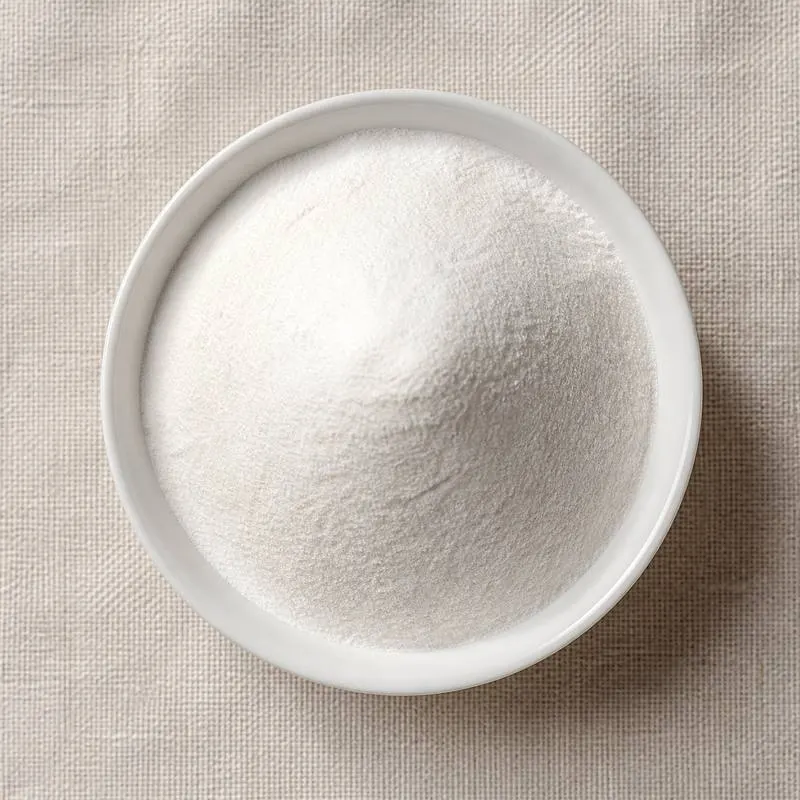
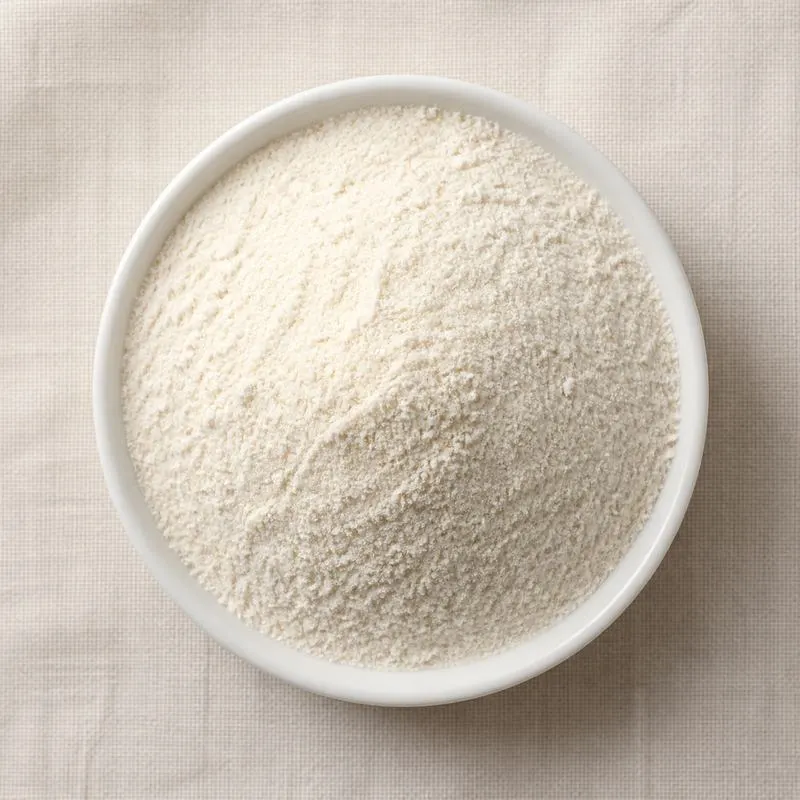
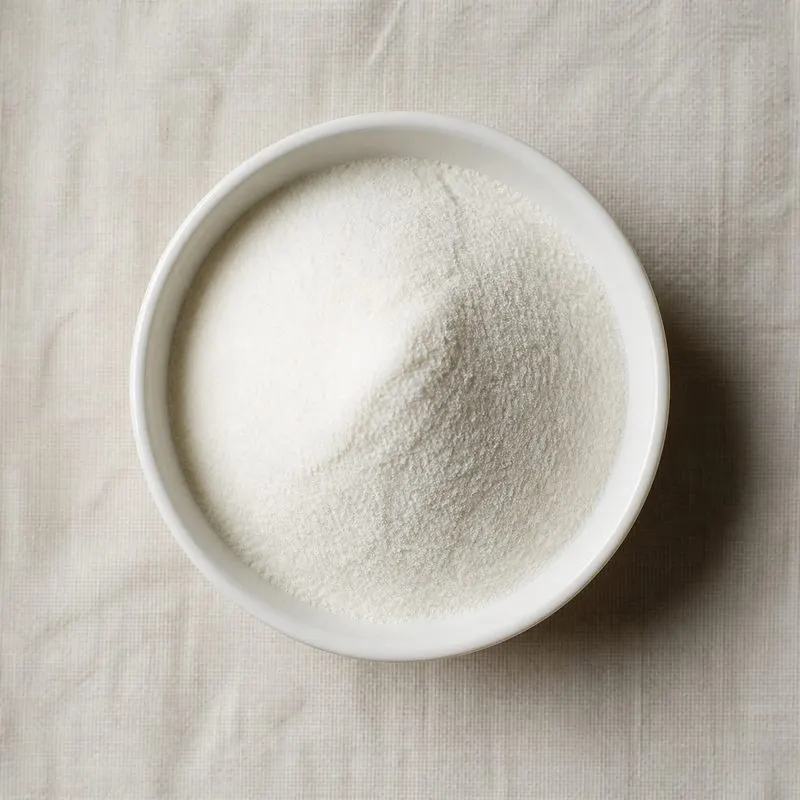
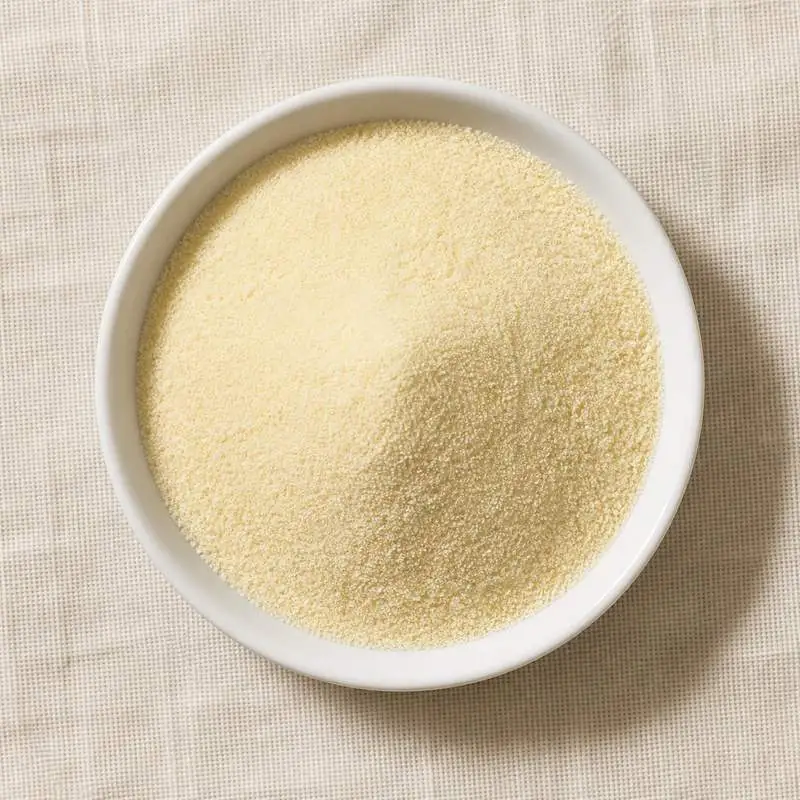
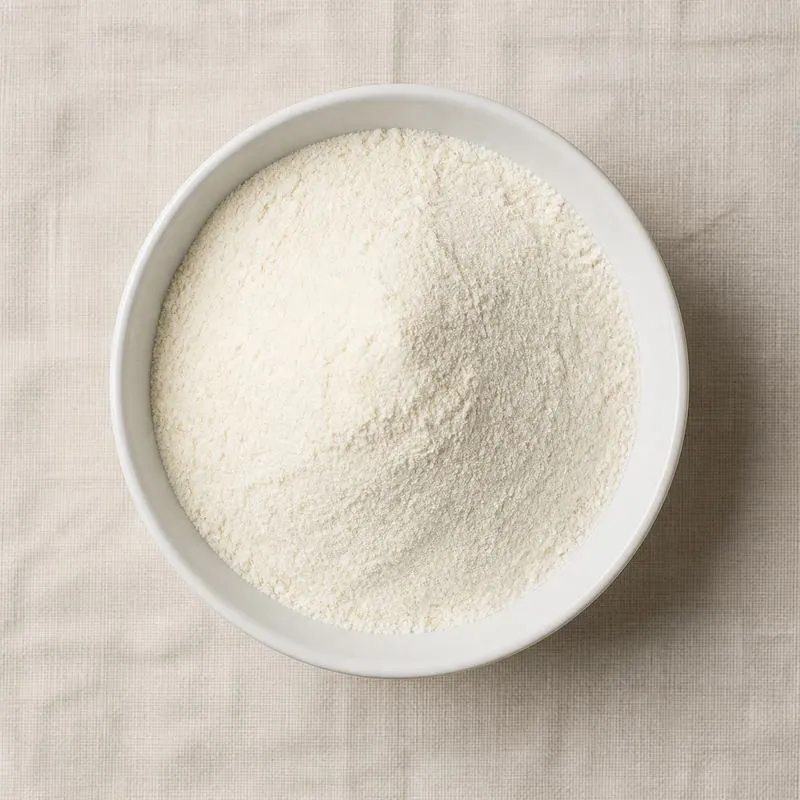
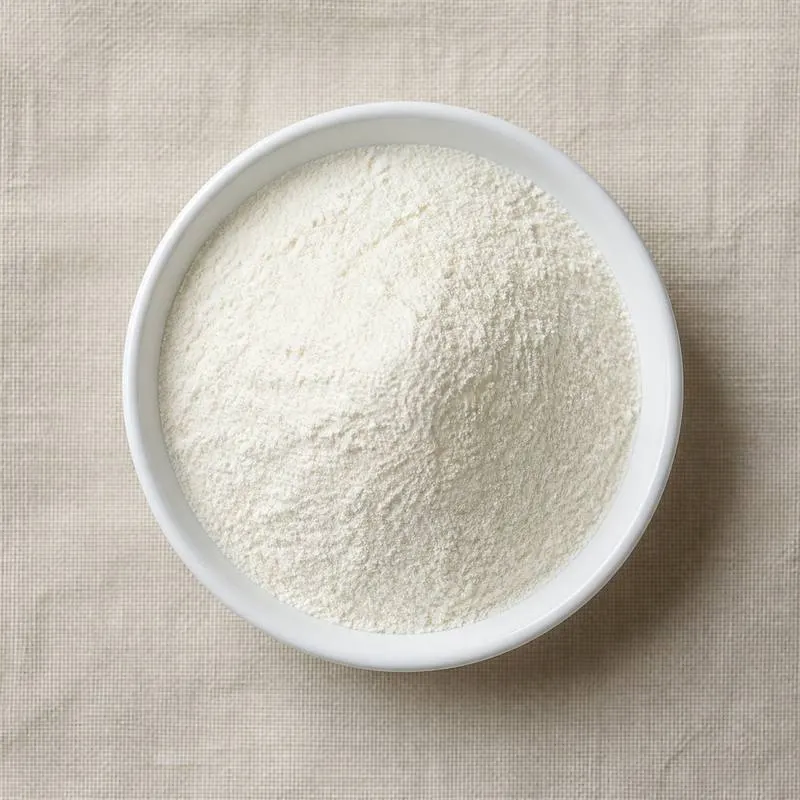
| Appearance | Light yellow to off-white fine powder |
| Protein (dry basis) | ≥ 85% |
| Molecular Weight ≤ 1000 Da | ≥ 80% |
| Moisture | ≤ 7.0% |
| Ash | ≤ 8.0% |
| Heavy Metals (as Pb) | ≤ 1.0 mg/kg |
| Total Plate Count | ≤ 10,000 cfu/g |
| Salmonella | Absent in 25g |
| Total Nitrogen (%) | ≥15 |
| Peptide Content (%) | ≥80 |
| Anserine (%) | ≥4 |
| Coliforms (cfu/g) | n=5 , c=2 , m=10 , M=100 |
| Pathogens (cfu/g) | Not detectable |
Common Markets Grades
Tuna Peptide is graded by peptide molecular weight, protein content, and source species.
Standard food grade typically delivers 85 to 92 percent protein on a dry basis, with most peptides below 5000 Daltons. This grade suits capsules, tablets, and standard supplement applications.
Oligopeptide grade is hydrolysed further to push average molecular weight below 1000 Daltons. It is the format used in premium tonic shots, beauty-from-within drinks, and clinical nutrition.
Some product lines are specifically positioned around the dark muscle of tuna, which is comparatively rich in anserine and carnosine, two histidine-containing dipeptides that suppliers highlight as differentiating features.
Source species labelling matters in this category. Single-species hydrolysates from named tuna species command a premium over mixed tuna trim hydrolysates, particularly in the Japanese functional food channel.
Applications
- Beauty-from-within capsules, tablets, and drinks combined with marine collagen or hyaluronic acid
- Sports nutrition powders and ready-to-drink shakes positioned on rapid absorption
- Endurance and recovery supplements that highlight the anserine and carnosine content
- Cognitive and antifatigue supplements in the Japanese functional food channel
- Premium tonic oral liquid shots in the East Asian health food channel
- Clinical and elderly nutrition formats where a low molecular weight protein is preferred
- Functional jellies and gummies in the beauty and recovery categories
- Savory seasoning and bouillon bases where natural tuna umami is desirable
- Soup and noodle seasoning blends
- Cosmetic essences, serums, and sheet masks in the marine biotech segment
- Premium pet supplements and pet food toppers in the Asian market
Brands Using Tuna Peptide
Widely-distributed consumer products that list Tuna Peptide on the ingredient label.
- 82X82X Classic Collagen Liquid Drink (Tuna Marine Collagen Peptides) ↗Japan-made beauty liquid delivering 120,000 mg tuna-skin collagen peptides plus 82 fermented plants, vitamins and minerals; tuna-derived oligopeptides chosen for type-I collagen similarity to human skin.Label verified 2026-05-24
- 82X82X Premium Marine Collagen Drink (Tuna Collagen Peptides) ↗A higher-concentration tuna skin marine collagen peptide drink made with KOSOTEKI hydrolysis technology, produced under Japanese GMP.Label verified 2026-05-24
Brand names, product names and logos are the property of their owners. They appear here as published evidence that the ingredient is used, taken from the brand's own label or website. Their appearance is not an endorsement, and it does not mean the brand buys from us or from any manufacturer listed on this site.
China Manufacturers of Tuna Peptide
Top Tuna Peptide manufacturers in China.
 Lankun Marine Biotechnology (Yantai) Co., Ltd.12 ingredients in the directory
 Shandong Hailongyuan Bio-tech Co., Ltd.10 ingredients in the directory
Company names and logos are the property of the manufacturers themselves. They are listed here because our own directory records them as producing this ingredient. A listing is not an endorsement by them, and we do not represent them or speak on their behalf.
How We Help Source Tuna Peptide
Direct Factory Sourcing
We run the whole process: selecting the manufacturer from the top Chinese food ingredient producers, negotiating the price, verifying quality, and coordinating the logistics. You deal with us instead of with several factories at once.
Original Packaging and Documents from the Manufacturer
The manufacturer sends your Tuna Peptide out of its own factory in the original packing, through to your destination port. The COA, COO, MSDS, TDS and any certifications reach you from the manufacturer as well.
Free Samples and Lead Time
We send 100 to 500 g free for your own laboratory to test and you cover only the courier, usually within 2 to 3 working days. ETD is usually within 7 to 15 days once the order is confirmed, and we check that date against the factory's own manufacturing schedule before we give it to you.
Combined Shipment
We can load Tuna Peptide together with other ingredients such as Collagen Peptide, Soy Protein Isolate and Fish Collagen Peptide into one 20' FCL. If your quantity is small, we can also ship LCL.
Regulatory Status
Tuna Peptide is generally accepted as a food ingredient in essentially every regulated market.
China treats it as a fish protein hydrolysate under general food provisions, and several tuna peptide products carry Blue Hat health-food registrations.
Japan is the most developed market for tuna peptide as a functional ingredient. Multiple products have been notified under the Foods with Function Claims (FFC) system, often on antifatigue endpoints that build on the anserine and carnosine content of tuna dark muscle.
The United States accepts tuna peptide as a food ingredient with self-affirmed GRAS, subject to FDA seafood HACCP requirements. Fish allergen labelling is mandatory.
The European Union treats hydrolysates from established food tuna species as conventional food ingredients rather than novel foods.
Two batch quality issues require active control. Histamine can form in tuna held at inadequate temperature post-catch, and mercury accumulates in larger predator species, particularly bigeye and bluefin. Reputable suppliers test every batch for both parameters and source primarily from younger, smaller animals where possible.
Manufacturing Process
Production starts with tuna muscle, the bulk of which is sourced from the trim, dark muscle, and frames generated by the tuna canning and sashimi processing industries. This byproduct sourcing is central to the economics of the ingredient.
The raw material is ground and, for fattier dark muscle streams, defatted by centrifugation. Defatting is more important here than for whitefish hydrolysates because tuna dark muscle carries a meaningful lipid load.
Enzymatic hydrolysis is carried out with food-grade proteases. Alcalase, flavourzyme, neutrase, papain, and bromelain are common, used singly or in combination to reach the target degree of hydrolysis while managing the bitterness that can develop with deep hydrolysis of muscle protein.
The hydrolysate is heat-inactivated, centrifuged, and filtered through successive membranes. Ultrafiltration with a 3 to 5 kDa cutoff is standard, with nanofiltration added for oligopeptide grades.
The clarified peptide stream is decolorised with activated carbon, deodorised, concentrated under vacuum, and spray-dried. Major production is in Japan, China, Vietnam, Thailand, and Spain, generally co-located with significant tuna processing infrastructure.