Tween
Tween is the long established trade name for the polysorbates, a family of non ionic emulsifiers made by esterifying sorbitol and its anhydrides with a fatty acid and then reacting the product with ethylene oxide, so that polyoxyethylene chains are attached to the free hydroxyl groups. The commercial members are distinguished by the fatty acid: polysorbate 20 carries lauric acid, polysorbate 40 palmitic, polysorbate 60 stearic, polysorbate 65 three stearic chains and polysorbate 80 oleic.
The polyoxyethylene chains, normally about twenty units in total across the molecule, make these emulsifiers strongly hydrophilic, with a hydrophilic lipophilic balance in the region of fifteen. That places them at the opposite end of the scale from monoglycerides and sorbitan esters, and in practice the two families are used together, the polysorbate pulling the system towards an oil in water emulsion while the lipophilic partner stabilises the interface. Polysorbates also compete with proteins for the fat surface in dairy and frozen systems, which is how they promote the controlled fat destabilisation that gives ice cream its dryness and shape retention.
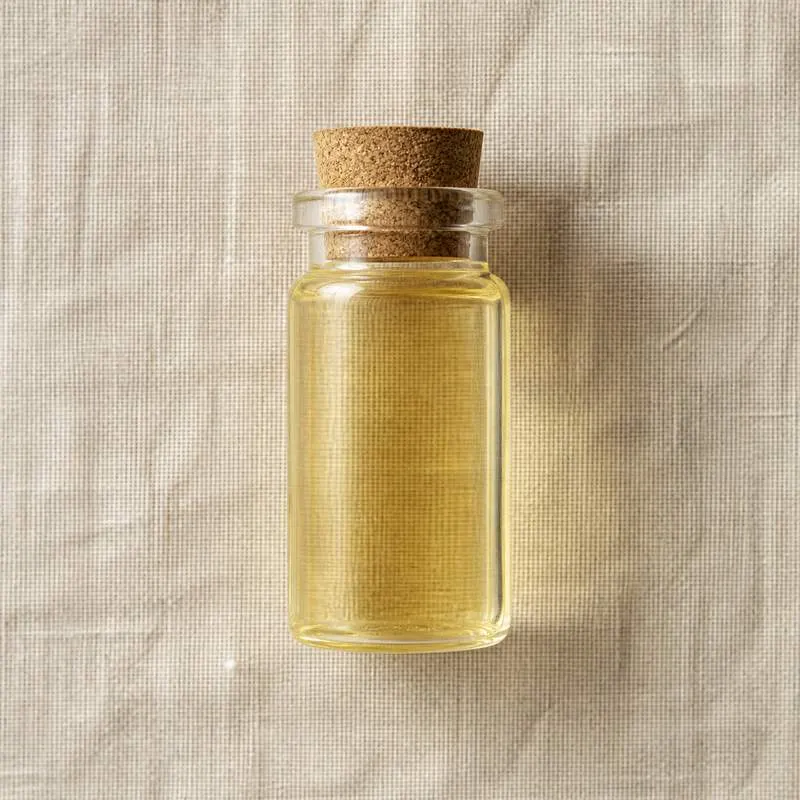
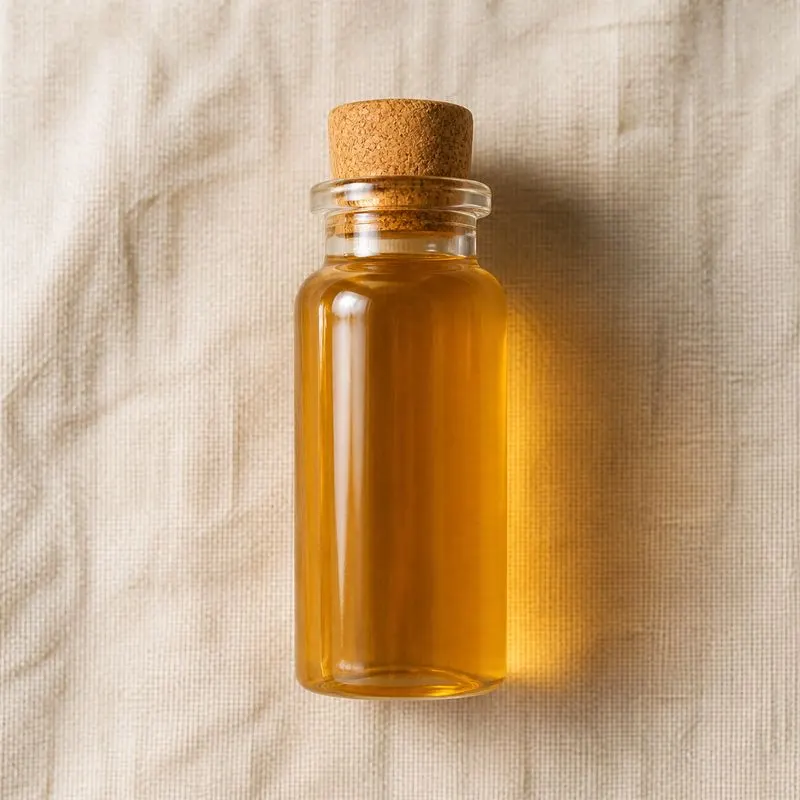
Polysorbates 20, 60 and 80 are yellow to amber viscous oily liquids, while polysorbate 65 is a waxy solid. They are soluble or readily dispersible in water and in ethanol, insoluble in mineral oil, and are stable across a wide pH range although they saponify slowly under strong alkali. Their hygroscopic nature and the peroxide that can form in the polyoxyethylene chain on long exposure to air decide how they are stored.
We source bulk Tween from top China manufacturers for our partners. The manufacturer is in Shandong. A smaller requirement can ship in a combined container with other ingredients.
Please send the grade you need, the volume and your destination port, and we will come back with a solution and a price.
or call +86-21-6858 0751
- Function
- Emulsifier
Specifications
| Item | Specification |
|---|---|
| Appearance | Yellow to amber viscous oily liquid; waxy solid for polysorbate 65 |
| Odour | Faint and characteristic |
| Identification | Infrared spectrum conforms to reference |
| Acid value | ≤ 2.0 mg KOH/g |
| Saponification value | 45 to 55 mg KOH/g for polysorbate 80 |
| Hydroxyl value | 65 to 80 mg KOH/g for polysorbate 80 |
| Water content | ≤ 3.0% |
| Residue on ignition | ≤ 0.25% |
| Peroxide value | ≤ 10 meq/kg |
| Ethylene oxide | ≤ 1 mg/kg |
| 1,4 dioxane | ≤ 10 mg/kg |
| Ethylene glycol and diethylene glycol, total | ≤ 0.25% |
| Lead | ≤ 2 mg/kg |
| Arsenic | ≤ 3 mg/kg |
Common Markets Grades
The grades in commerce are the individual polysorbates rather than variants of one product, and the choice between them follows the fatty acid and its melting behaviour. Polysorbate 80, based on oleic acid, is the most widely used liquid grade in beverages, dairy and pharmaceutical formulation; polysorbate 60, based on stearic acid, is the standard bakery and whipped topping grade; polysorbate 20 is the most water soluble and is used in flavour solubilisation; polysorbate 65 is the solid tristearate used in frozen desserts.
Each is traded in food grade against the Food Chemicals Codex monograph and in pharmaceutical grade against the pharmacopoeia monograph, the latter carrying tighter limits on peroxide value, residual ethylene oxide and 1,4 dioxane. Grades are further specified by fatty acid origin, vegetable against animal derived, which decides kosher, halal and vegetarian acceptability, and high purity grades produced from a narrow fatty acid cut are used for parenteral and biopharmaceutical use. Antioxidant stabilised versions are sold where long storage is expected.
Applications
- Ice cream and frozen desserts, promoting the controlled fat destabilisation that gives dryness and slow meltdown
- Whipped toppings and aerosol creams, setting overrun and foam standing time
- Non dairy creamers, keeping the fat emulsion stable through drying and reconstitution
- Cake batters and bakery emulsifier systems, working alongside monoglycerides to aerate the batter
- Beverage flavour emulsions, solubilising citrus and other oil soluble flavours into a clear drink
- Sauces, dressings and pickles, stabilising oil in water emulsions at low fat content
- Vitamin and carotenoid preparations, dispersing oil soluble actives into aqueous systems
- Yeast and fermentation media, used as a growth and dispersion aid
- Pharmaceutical formulation, as a solubiliser and as a protein stabiliser in biological products
- Cosmetic and personal care emulsions, as a hydrophilic co emulsifier
China Manufacturers of Tween
Top Tween manufacturers in China.

Company names and logos are the property of the manufacturers themselves. They are listed here because our own directory records them as producing this ingredient. A listing is not an endorsement by them, and we do not represent them or speak on their behalf.
Regulatory Status
In the United States the Food and Drug Administration lists the polysorbates as permitted food additives in part 172, with polysorbate 60 at 21 CFR 172.836 and polysorbate 80 at 21 CFR 172.840, each section setting the identity of the substance and the food categories, functions and maximum use levels allowed. Polysorbate 65 has its own listing on the same basis, and polysorbate 20 is permitted for specified uses. Commercial food grade material follows the Food Chemicals Codex monograph and pharmaceutical grade follows the United States Pharmacopeia monograph.
In the European Union the polysorbates are authorised food additives under the food additives regulation, polysorbate 20 as E432, polysorbate 80 as E433, polysorbate 40 as E434, polysorbate 60 as E435 and polysorbate 65 as E436, with maximum levels set by food category in the additive annexes and purity criteria, including limits on ethylene oxide and 1,4 dioxane, laid down in the specifications regulation. The European Pharmacopoeia carries parallel monographs for pharmaceutical use. JECFA has evaluated the polysorbates and maintains specification monographs for them, and they appear in the Codex General Standard for Food Additives under the emulsifier and stabiliser functions.
Manufacturing Process
Production runs in two stages. Sorbitol is first heated with a fatty acid, lauric, palmitic, stearic or oleic according to the target product, at 200 to 250 degrees Celsius under nitrogen with an alkaline catalyst. Under these conditions the sorbitol dehydrates internally to sorbitan and isosorbide while the fatty acid esterifies onto the remaining hydroxyl groups, and the water of reaction is removed continuously under vacuum. The result is the sorbitan ester, which is itself a traded emulsifier.
The sorbitan ester is then ethoxylated. It is charged to a pressure reactor with an alkaline catalyst, purged thoroughly of oxygen and heated, and ethylene oxide is fed in under pressure at 120 to 180 degrees Celsius, adding to the free hydroxyl groups to build the polyoxyethylene chains. The reaction is exothermic and is run with careful temperature and pressure control. When the target degree of ethoxylation is reached the batch is digested to consume residual ethylene oxide, then stripped under vacuum, neutralised, bleached with hydrogen peroxide or adsorbent where colour requires it, and dried. The product is polish filtered and filled under nitrogen. Release testing covers saponification, hydroxyl and acid value, water content, and the process residues that define the safety profile of the material, residual ethylene oxide and 1,4 dioxane.