Urolithin A
Urolithin A is a dibenzopyranone, chemically 3,8 dihydroxy urolithin, formed in the human gut when bacteria metabolise ellagitannins and ellagic acid from pomegranate, walnuts, strawberries and certain berries. It is not present in those foods as such. The plant supplies the precursor, and the gut microbiota carries out the lactone ring cleavage and successive dehydroxylations that yield the metabolite.
The reason it is sold as an ingredient is that only a minority of people carry the microbial capacity to make it in useful amounts, so direct supplementation bypasses the variability. Its biological interest lies in mitophagy, the selective clearance of damaged mitochondria, with human trials reporting effects on muscle endurance and mitochondrial gene expression in older adults.
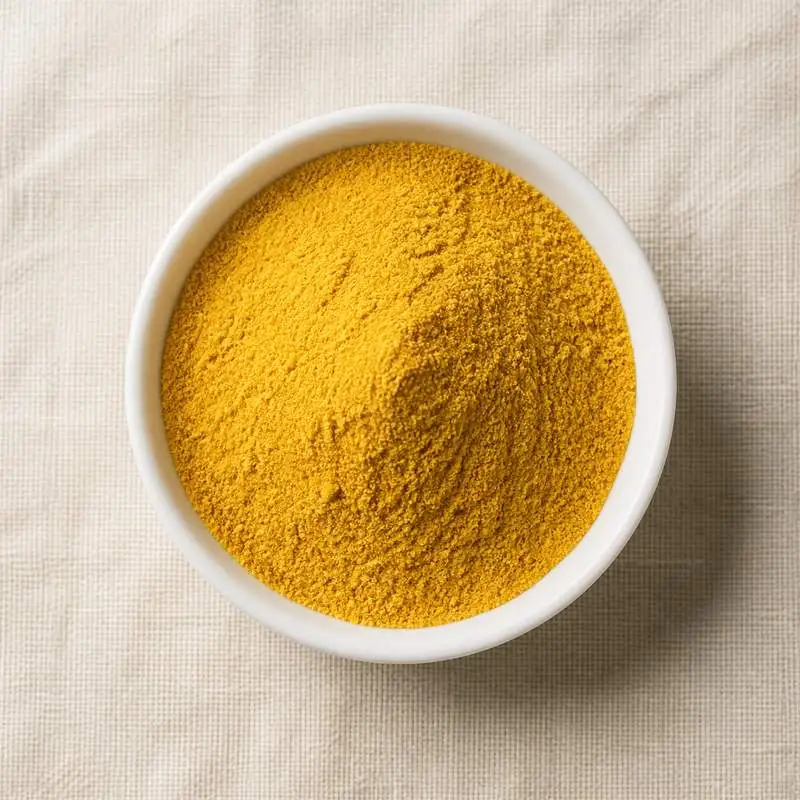
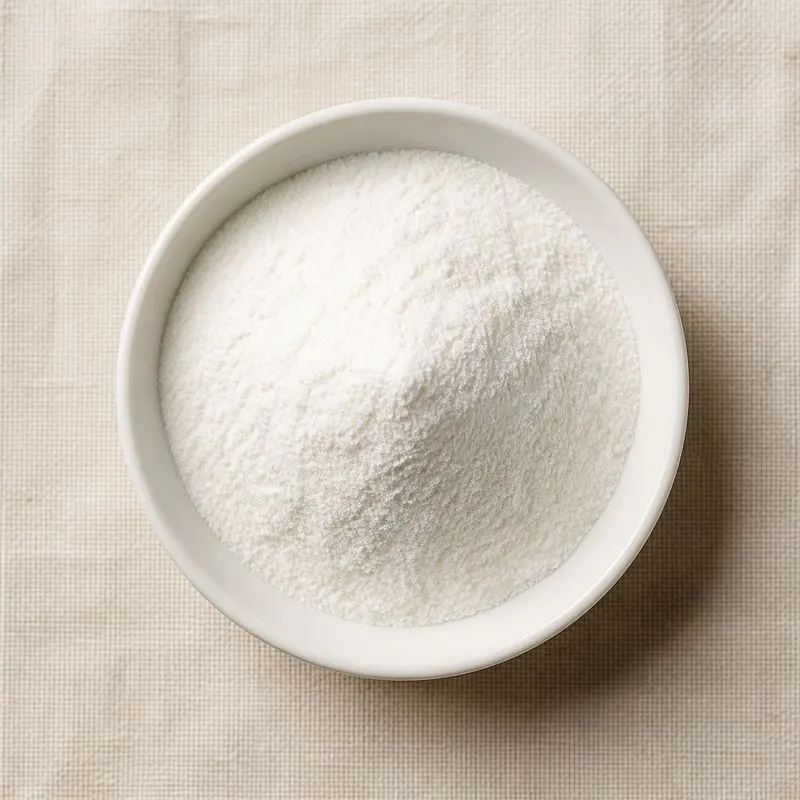
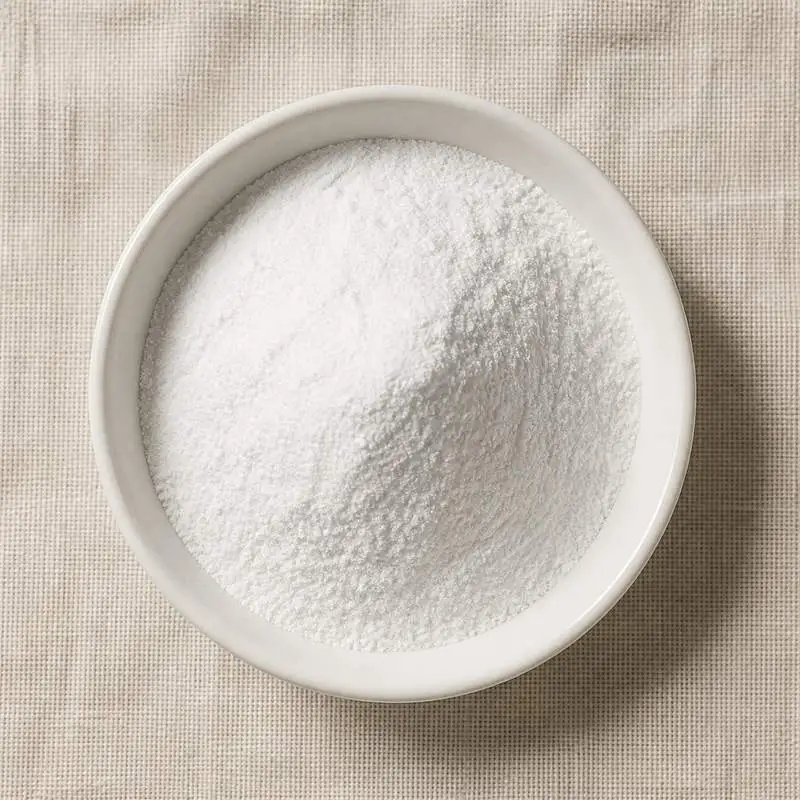
Commercial material is a pale yellow to off white crystalline powder. It is practically insoluble in water and only sparingly soluble in ethanol, which is the central formulation problem: bioavailability depends heavily on the delivery form, and micronised, amorphous solid dispersion and lipid or cyclodextrin complexed versions are all traded to address it. The solid is stable to heat and to normal storage but darkens on prolonged exposure to light and to alkaline conditions, since the phenolic hydroxyls oxidise.
We source bulk Urolithin A from top China manufacturers for our partners, working with several of them. The manufacturers are mostly in Shanghai, Guangdong and Shaanxi. A smaller requirement can ship in a combined container with other ingredients.
Please send the grade you need, the volume and your destination port, and we will come back with a solution and a price.
or call +86-21-6858 0751
- Function
- Nutraceutical
Specifications
| Item | Specification |
|---|---|
| Appearance | Pale yellow to off white crystalline powder |
| Assay (HPLC, dried basis) | Not less than 98.0 percent |
| Identification | Infrared, ultraviolet and HPLC retention conform to reference |
| Urolithin B | Not more than 0.5 percent |
| Related Substances (total) | Not more than 1.5 percent |
| Loss on Drying | Not more than 1.0 percent |
| Residue on Ignition | Not more than 0.5 percent |
| Residual Solvents | Conforms to ICH Class 2 and Class 3 limits |
| Particle Size (micronised grade) | D90 not more than 10 micrometres |
| Lead | Not more than 0.5 mg/kg |
| Arsenic | Not more than 0.5 mg/kg |
| Cadmium | Not more than 0.5 mg/kg |
| Mercury | Not more than 0.1 mg/kg |
| Total Plate Count | Not more than 1000 cfu/g |
| Yeast and Mould | Not more than 100 cfu/g |
| Salmonella | Absent in 25 g |
Common Markets Grades
Synthetic urolithin A of 98 percent or higher assay is the reference commercial grade and is the form used in the published human work. Purity is stated by high performance liquid chromatography, with urolithin B and the isomeric hydroxylated urolithins controlled as named related substances, and residual solvents from the synthesis and crystallisation steps specified alongside.
The more meaningful commercial distinction is physical rather than chemical. Standard crystalline powder is used for capsules where dissolution is accepted as the limiting factor. Micronised grades with a median particle size in the low single digit micron range are traded where dissolution rate matters. Amorphous solid dispersions on a polymer carrier, and beta cyclodextrin or phospholipid complexes, carry a lower nominal urolithin content but disperse better, and are specified on urolithin A content rather than on assay of the isolated compound. A separate and lower value trade exists in pomegranate extracts standardised on ellagic acid or punicalagin, which supply the precursor rather than the metabolite and should not be confused with urolithin A itself.
Applications
- Mitochondrial health and healthy ageing supplements in capsule and softgel form
- Sports nutrition products positioned on muscle endurance and recovery in older or masters athletes
- Combination longevity formulations alongside nicotinamide adenine dinucleotide precursors and spermidine
- Functional beverages and stick packs, using cyclodextrin complexed grades that disperse in water
- Medical nutrition and clinical products aimed at sarcopenia and age related muscle decline
- Joint and cartilage support formulations, following work on chondrocyte mitochondrial function
- Topical and cosmetic preparations marketed on skin cell energy and photoageing
- Cell culture and preclinical research material for mitophagy and autophagy studies
- Analytical reference standard for quantifying gut derived ellagitannin metabolites in plasma and urine
Brands Using Urolithin A
Widely-distributed consumer products that list Urolithin A on the ingredient label.
- TimelineMitopure Softgels ↗Two vegan softgels a day supply 500 mg of Mitopure, the brand's form of urolithin A, for mitochondrial support.Label verified 2026-08-31
- TimelineMitopure Powder ↗Berry flavoured powder delivering the same urolithin A dose as the softgels, mixed into drinks or food.Label verified 2026-08-31
Brand names, product names and logos are the property of their owners. They appear here as published evidence that the ingredient is used, taken from the brand's own label or website. Their appearance is not an endorsement, and it does not mean the brand buys from us or from any manufacturer listed on this site.
China Manufacturers of Urolithin A
Top Urolithin A manufacturers in China.
 Abiochem Biotechnology (Group) Co., Ltd.1 ingredient in the directory
 Hygieia17 ingredients in the directory
 Sanyuanlihua Bio-tech Co., Ltd.13 ingredients in the directory
- Suzhou Sanyi Polymer Chemical Technology Co., Ltd.9 ingredients in the directory
Company names and logos are the property of the manufacturers themselves. They are listed here because our own directory records them as producing this ingredient. A listing is not an endorsement by them, and we do not represent them or speak on their behalf.
Regulatory Status
In the United States a commercially produced synthetic urolithin A has been the subject of a generally recognised as safe notification to the Food and Drug Administration for use in specified food and beverage categories, and the agency responded without objection. It has also been marketed as a dietary ingredient under the dietary supplement framework with structure function claims. Products made by other producers do not automatically inherit that status, which depends on the manufacturing route and specification described in the notification.
In the European Union synthetic urolithin A was authorised as a novel food following a European Food Safety Authority safety opinion, with the permitted food categories, target populations and maximum use levels set out in the Union list of novel foods. Authorisation was initially granted with data protection to the applicant, so other suppliers must either wait out that period or file their own dossier. Urolithin A is not a food additive and holds no E number, and neither JECFA nor Codex has evaluated it or published specifications. No authorised health claim exists for it in the European Union, so European labelling is confined to the permitted compositional statements.
Manufacturing Process
Industrial supply is by chemical synthesis rather than by extraction, because the compound is absent from plant material and gut derived recovery is not practical at scale. The common route builds the dibenzopyranone core by condensing a substituted resorcinol or hydroxybenzoic acid derivative with a halogenated phenol under Ullmann type copper catalysed coupling, giving a biaryl ether or biaryl acid that is then closed to the lactone by intramolecular acylation under acidic or dehydrating conditions. Protecting groups on the phenolic oxygens, usually methyl or benzyl ethers, keep the coupling selective and are removed at the end by boron tribromide demethylation or by catalytic hydrogenolysis to reveal the 3 and 8 hydroxyl pattern that defines urolithin A.
The crude product is worked up by aqueous quench and solvent extraction, then decolourised on activated carbon and purified by recrystallisation, typically from an alcohol or an alcohol and water system, with preparative chromatography used where the isomeric urolithins are not cleared by crystallisation alone. Purified crystals are washed, dried under vacuum at moderate temperature and milled. Where a micronised or solid dispersion grade is being made, the dried compound is jet milled, or dissolved with a polymer carrier and spray dried to an amorphous form, or complexed with cyclodextrin in aqueous slurry and dried. Finished powder is packed in foil laminate under nitrogen and protected from light.