Spermidine
Spermidine is a naturally occurring polyamine, chemically N-(3-aminopropyl)butane-1,4-diamine, with the formula C7H19N3 and CAS number 124-20-9. It is a small aliphatic triamine present in every living cell, where its positive charge at physiological pH lets it bind nucleic acids and membranes and where it serves as the precursor for the hypusine modification of eukaryotic translation initiation factor 5A.
Its interest as an ingredient comes from that biology. Cellular spermidine declines with age, and the compound is the best characterised dietary inducer of autophagy, the process by which cells recycle damaged components, which is the basis of the longevity and cellular renewal positioning that the supplement trade uses. It performs no technological function in food.
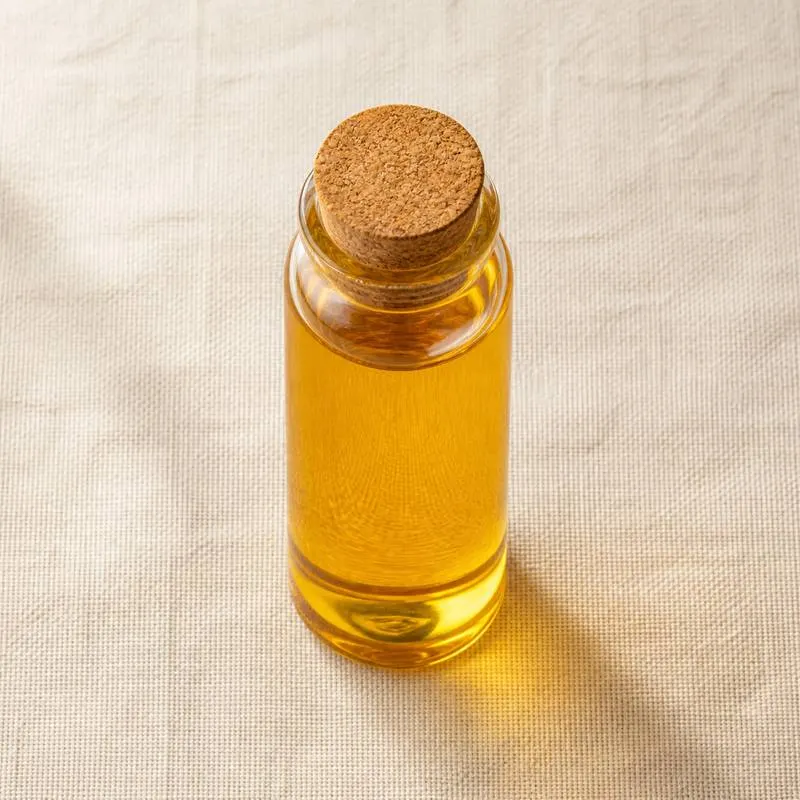
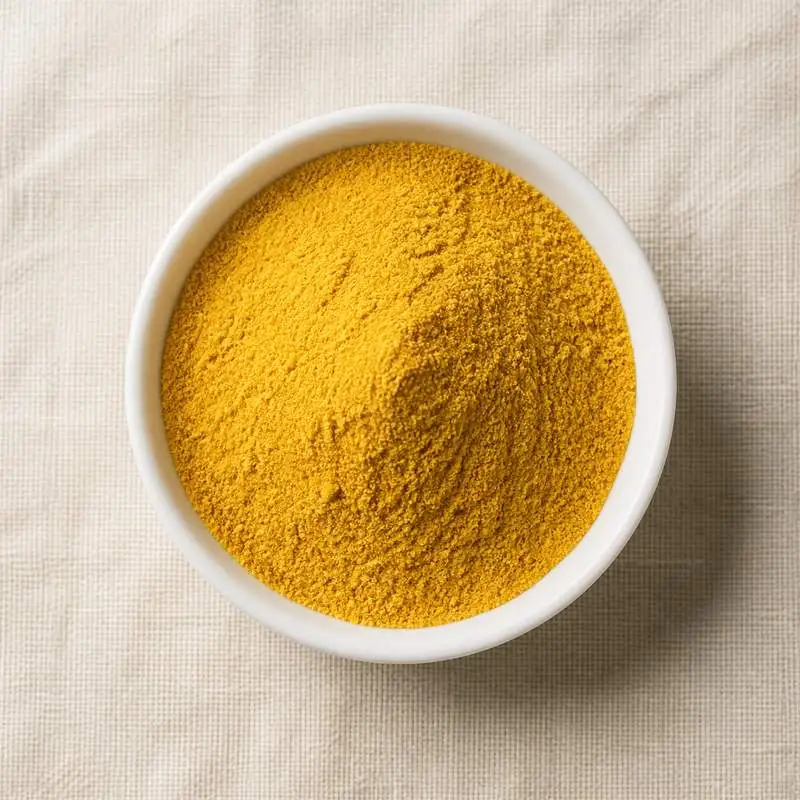
Two commercial forms exist. The free base is a colourless to pale yellow viscous liquid, strongly alkaline, hygroscopic, with an amine odour, and it absorbs carbon dioxide from the air, so it is handled under inert gas. The salt forms, principally spermidine trihydrochloride and the phosphate, are white crystalline solids that are stable, freely soluble in water and far easier to formulate. Most of the food and supplement trade is not in the isolated molecule at all, but in wheat germ extract standardised on its natural spermidine content, a pale brown free flowing powder in which the polyamine sits in a food matrix.
We source bulk Spermidine from top China manufacturers for our partners. The manufacturer is in Guangdong. A smaller requirement can ship in a combined container with other ingredients.
Please send the grade you need, the volume and your destination port, and we will come back with a solution and a price.
or call +86-21-6858 0751
- Function
- Nutraceutical
Specifications
| Item | Specification |
|---|---|
| Appearance | Free flowing powder, pale brown, wheat germ extract grade |
| Identification | Spermidine confirmed by HPLC against reference standard |
| Spermidine content | 1.0 mg/g minimum |
| Spermine | Declared per lot |
| Putrescine | Declared per lot |
| Crude protein | 20.0 percent minimum |
| Loss on drying | 6.0 percent maximum |
| Total ash | 10.0 percent maximum |
| Particle size | 95 percent through 80 mesh |
| Lead | 1.0 mg/kg maximum |
| Arsenic | 1.0 mg/kg maximum |
| Cadmium | 0.5 mg/kg maximum |
| Deoxynivalenol | 500 ug/kg maximum |
| Residual ethanol | 0.5 percent maximum |
| Total plate count | 10,000 cfu/g maximum |
| Yeast and mould | 500 cfu/g maximum |
| Escherichia coli | Absent in 1 g |
| Salmonella | Absent in 25 g |
Common Markets Grades
The category splits into three grades that are regulated and priced very differently. Standardised wheat germ extract is the volume food grade, specified on spermidine content, commonly 0.5 to 1.5 milligrams per gram in the concentrated forms, and described by the extraction process and the residual protein, starch and gluten content. It is a food ingredient with a defined matrix rather than a purified chemical.
Spermidine salts are the second grade, sold as trihydrochloride or phosphate at 98 percent minimum assay, with the related polyamines putrescine and spermine controlled as impurities because they are the closest structural relatives and the most likely process contaminants. They come as crystalline powders for research and for markets where the isolated compound is permitted.
Free base spermidine at 98 percent or above is the third, a laboratory and manufacturing intermediate sold in sealed ampoules or nitrogen blanketed bottles because of its reactivity with air.
Buyers also encounter other natural matrix ingredients specified on spermidine, including soy germ, chlorella and fermentation derived preparations. Across all forms the specification attributes that matter commercially are the spermidine assay and its method, the polyamine impurity profile, gluten status for the wheat derived grades, and documentation of the regulatory basis for the intended market, since that basis differs sharply between the matrix extract and the isolated salt.
Applications
- Longevity and cellular health supplements, the principal outlet, dosed on a declared spermidine content in milligrams
- Capsules and tablets built on standardised wheat germ extract, which is the form most food supplement markets accept
- Cognitive and memory support formulations, where spermidine is combined with B vitamins, omega-3 fatty acids or nootropic actives
- Sleep and recovery products, drawing on the autophagy and cellular renewal positioning
- Combination anti-ageing blends with nicotinamide riboside, resveratrol or coenzyme Q10
- Functional beverages and stick packs, where the salt forms dissolve readily and the extract disperses
- Cosmetic formulation, where spermidine and polyamine rich extracts are used in skin and hair products
- Cell culture media and biotechnology reagents, where spermidine is a standard component in nucleic acid work
- Analytical reference use, where high purity salts serve as standards in polyamine assays
Brands Using Spermidine
Widely-distributed consumer products that list Spermidine on the ingredient label.
- Double Wood SupplementsSpermidine Capsules ↗A standalone spermidine supplement, the polyamine otherwise found in small amounts in wheat germ, soybeans, aged cheese and mushrooms.Label verified 2026-08-31
- CodeageAmen Spermidine ↗One capsule supplies 10 mg of spermidine as spermidine trihydrochloride together with vitamin C.Label verified 2026-08-31
- CodeageLiposomal Spermidine NAD+ ↗Combines 500 mg of NAD+ with spermidine and vitamin C in a liposomal delivery format.Label verified 2026-08-31
- NutricostSpermidine Wheat Germ Capsules ↗Each three-capsule serving supplies 1,500 mg of wheat germ extract standardised to 15% spermidine, plus thiamin and zinc.Label verified 2026-08-31
Brand names, product names and logos are the property of their owners. They appear here as published evidence that the ingredient is used, taken from the brand's own label or website. Their appearance is not an endorsement, and it does not mean the brand buys from us or from any manufacturer listed on this site.
China Manufacturers of Spermidine
Top Spermidine manufacturers in China.

Company names and logos are the property of the manufacturers themselves. They are listed here because our own directory records them as producing this ingredient. A listing is not an endorsement by them, and we do not represent them or speak on their behalf.
Regulatory Status
In the United States spermidine reaches the market almost entirely as a constituent of a food derived extract rather than as an isolated chemical. Wheat germ extract standardised on spermidine is marketed as a dietary ingredient under the Dietary Supplement Health and Education Act, with current good manufacturing practice at 21 CFR Part 111, and a new dietary ingredient notification is expected where a pre-1994 marketing history cannot be shown. Isolated spermidine salts are not established dietary ingredients and have no food additive regulation or published GRAS listing, so their use in food or supplements would require a specific regulatory basis. Wheat derived material must carry the wheat allergen declaration required by the Food Allergen Labelling and Consumer Protection Act. Claims are limited to structure and function statements, and marketing that presents the ingredient as treating age related disease would make the product an unapproved drug.
In the European Union the distinction is sharper still. Wheat germ extract with a high spermidine content has been authorised as a novel food and is entered in the Union list of novel foods established by Commission Implementing Regulation (EU) 2017/2470, with the specification, the permitted food categories and the maximum use levels set out there, and with labelling conditions attached. Isolated spermidine and its salts are not authorised, so they may not be placed on the market as food or food supplement ingredients without their own authorisation under Regulation (EU) 2015/2283. Cereals containing gluten must be declared under the Food Information to Consumers Regulation, and supplements fall additionally under Directive 2002/46/EC. No health claim relating to spermidine appears on the authorised list under Regulation (EC) No 1924/2006. Codex Alimentarius has no standard covering the substance and JECFA has not evaluated it.
Manufacturing Process
Two routes reach the market and they produce different articles. The food route concentrates spermidine from a natural source. Wheat germ, a by product of flour milling that is naturally rich in polyamines, is stabilised by heat treatment to inactivate lipase, then extracted with water or dilute aqueous ethanol at controlled temperature and pH. The extract is clarified by centrifugation and filtration, and the polyamine fraction is concentrated by adsorption on ion exchange resin, which captures the positively charged spermidine while sugars and neutral components pass through, followed by elution with a salt or acid solution. The eluate is desalted by nanofiltration or diafiltration, concentrated under vacuum, standardised against a carrier such as maltodextrin to the declared spermidine content, and spray dried. The result is a food extract with the polyamine enriched but the matrix retained.
The chemical route makes the isolated compound. Industrially, spermidine is prepared by cyanoethylation, in which putrescine, 1,4-diaminobutane, is reacted with acrylonitrile so that a cyanoethyl group adds to one of the primary amines, and the resulting nitrile is then reduced to a primary amine by catalytic hydrogenation over Raney nickel or cobalt under pressure. Selectivity is the difficulty: over-reaction gives spermine, which carries an additional aminopropyl arm, so the stoichiometry and the addition rate are controlled to favour the mono adduct, and the mixture of putrescine, spermidine and spermine is separated by distillation under reduced pressure or by ion exchange chromatography.
The purified free base is then converted to a salt by treatment with hydrochloric or phosphoric acid, and the salt is crystallised from an alcohol and water mixture, centrifuged, washed, vacuum dried, milled and packed with desiccant. A fermentation route, using microorganisms engineered to overproduce polyamines, is also used, with the same downstream capture and purification train as the extraction route.