Wampee Extract
Wampee extract is prepared from Clausena lansium, a small rutaceous tree of southern China and Southeast Asia whose grape sized fruit is eaten fresh and whose leaves and seeds are used in traditional preparations. Depending on the plant part, the extract carries quite different chemistry: the fruit contributes sugars, organic acids and vitamin C, while the leaf and seed carry the carbazole alkaloids and amide compounds characteristic of the genus, including clausenamide and clausenacoumarine, together with coumarins and a volatile oil.
The material is traded as a standardised botanical rather than as a technological food ingredient. Fruit derived juice powder is used as a fruit ingredient in beverages and confectionery, while leaf and seed extracts are sold on their alkaloid and coumarin content for supplement and traditional herbal use, most often on a liver comfort and digestive positioning.
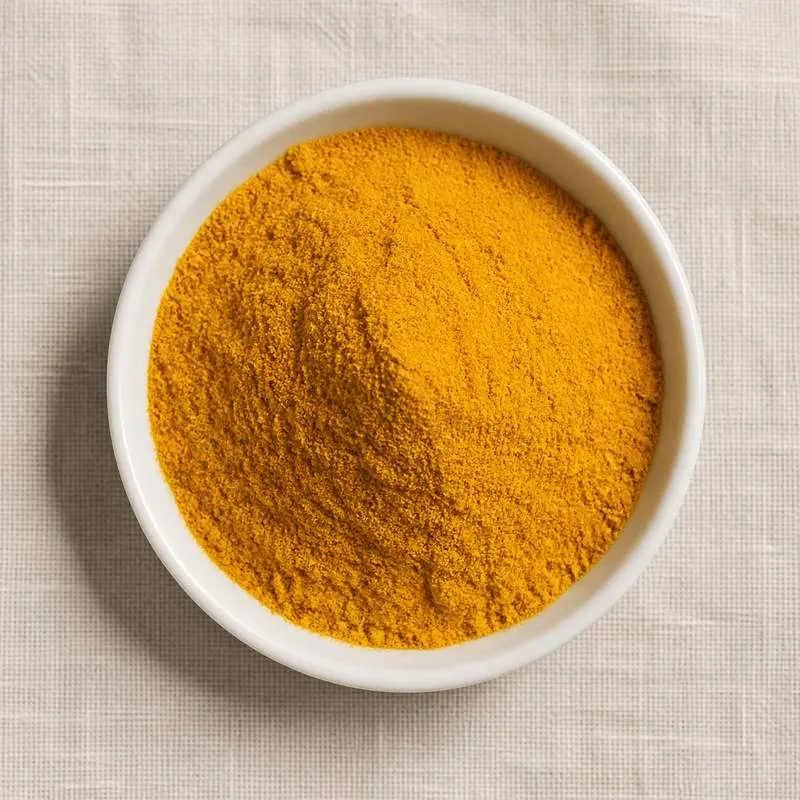
Fruit powder is a light yellow to pale brown hygroscopic material that dissolves readily in water to a tart, faintly aromatic solution. Leaf and seed extracts are darker brown powders, soluble in aqueous ethanol and only partly soluble in water, with a bitter aromatic character. The volatile fraction of the leaf is lost under prolonged heat, so drying is run at moderate temperature and the powder is packed under a moisture barrier.
We source bulk Wampee Extract from top China manufacturers for our partners. The manufacturer is in Guangdong. A smaller requirement can ship in a combined container with other ingredients.
Please send the grade you need, the volume and your destination port, and we will come back with a solution and a price.
or call +86-21-6858 0751
- Function
- Plant extract
Specifications
| Item | Specification |
|---|---|
| Appearance | Light brown fine powder |
| Odour and Taste | Characteristic aromatic, tart to bitter |
| Extraction Ratio | 10:1 native extract |
| Total Coumarins (HPLC) | ≥ 2.0% |
| Identification | Conforms by HPLC fingerprint against reference plant material |
| Loss on Drying | ≤ 5.0% |
| Total Ash | ≤ 8.0% |
| Acid Insoluble Ash | ≤ 2.0% |
| Particle Size | 100% through 80 mesh |
| Residual Ethanol | ≤ 0.5% |
| Lead | ≤ 2.0 mg/kg |
| Arsenic | ≤ 1.0 mg/kg |
| Cadmium | ≤ 1.0 mg/kg |
| Total Plate Count | ≤ 10,000 cfu/g |
| Yeast and Mould | ≤ 100 cfu/g |
| E. coli | Negative |
| Salmonella | Absent in 25 g |
Common Markets Grades
The plant part is the first thing a specification states, because fruit, leaf and seed extracts have almost nothing in common analytically. Fruit grades are quoted as juice concentrate at 60 to 65 degrees Brix or as spray dried juice powder on a maltodextrin carrier, with total acidity and vitamin C content stated. Leaf and seed grades are sold as ratio extracts at 4:1 and 10:1, or standardised on total alkaloids or on total coumarins by HPLC at a few percent, since these compounds occur at modest natural levels.
Physical forms are spray dried powder at 80 mesh, granulated material for capsule filling, and liquid concentrate for beverage manufacture. Because the species is not widely traded outside its growing region, botanical identity is a real specification point, and buyers ask for an HPLC or DNA identification against a reference rather than accepting the common name alone, since several Clausena species and several unrelated fruits are sold under similar local names.
Applications
- Fruit juices and blended beverages in Chinese and Southeast Asian markets, using the juice concentrate for tartness and aroma
- Confectionery, preserved fruit and candied products, a traditional outlet for the whole fruit
- Herbal teas and instant granule preparations made from the dried leaf
- Traditional Chinese herbal preparations, where the leaf and seed are classical materials
- Dietary supplements standardised on total alkaloid or coumarin content
- Digestive comfort formulations, the main supplement positioning for the leaf extract
- Functional beverages in the botanical wellness category
- Skin care preparations, where the fruit and leaf extracts are used for their antioxidant content
China Manufacturers of Wampee Extract
Top Wampee Extract manufacturers in China.

Company names and logos are the property of the manufacturers themselves. They are listed here because our own directory records them as producing this ingredient. A listing is not an endorsement by them, and we do not represent them or speak on their behalf.
Regulatory Status
In the United States wampee fruit is a food, and fruit derived juice and powder are handled as conventional food ingredients under the general provisions of the Federal Food, Drug, and Cosmetic Act. Leaf and seed extracts have no food additive regulation, no colour additive listing and no entry among substances generally recognised as safe, so they are sold as dietary ingredients under the Dietary Supplement Health and Education Act, and use in conventional food would require a GRAS conclusion for the specific preparation. Claims are confined to structure and function statements.
In the European Union the extract carries no E number because it is not an additive. Clausena lansium has no established record of significant consumption in the Union before May 1997, so both the fruit preparation and the leaf and seed extracts fall within the scope of Regulation 2015/2283 on novel foods, and marketing as a food or supplement ingredient depends on an authorisation covering the specific preparation and conditions of use. Coumarin content is a further consideration, since maximum levels for coumarin in certain foods are set under Regulation 1334/2008. Regulation 1223/2009 governs cosmetic use. Codex has no standard for the material and the Joint FAO WHO Expert Committee has not evaluated it.
Manufacturing Process
For fruit derived material the harvested fruit is washed, sorted and destoned, then pulped and treated with pectinase to break the cell wall and release the juice. The pulp is pressed, the juice separated on a decanter centrifuge and clarified by fine filtration, then concentrated in a falling film vacuum evaporator at low temperature to protect the aroma and the ascorbic acid. Concentrate is either filled as a liquid or blended with maltodextrin and spray dried.
For leaf and seed extracts the plant material is dried in warm air in the shade, milled to a coarse powder and extracted counter currently with aqueous ethanol at 60 to 80 degrees Celsius, since the alkaloids and coumarins are poorly soluble in water alone. The liquor is filtered and the ethanol recovered under vacuum and returned to the process. The aqueous concentrate is loaded onto a macroporous adsorption resin that binds the alkaloid and coumarin fraction while sugars and salts pass to waste, and the fraction is eluted with aqueous ethanol. The eluate is concentrated in a vacuum evaporator, standardised against an assayed reference batch, blended with maltodextrin where a carrier is used, and spray dried, then sieved, assayed by HPLC and packed under a moisture barrier.