Wheat Dietary Fibre
Wheat dietary fibre is a concentrated fibre ingredient prepared from wheat bran, the outer layers of the wheat kernel separated during flour milling. It carries the full mixture of cell wall polysaccharides present in that tissue, chiefly arabinoxylan and cellulose with a lignin fraction, and retains a small soluble portion that purely cellulosic fibres lack.
Total dietary fibre in commercial grades generally runs 70 to 90 percent on a dry basis after starch and most of the protein have been removed, with the soluble arabinoxylan accounting for a few percentage points of that figure. The fibre is insoluble in bulk, contributes no significant viscosity, and functions as a bulking and water binding agent, typically holding four to eight times its own weight in water depending on particle size.
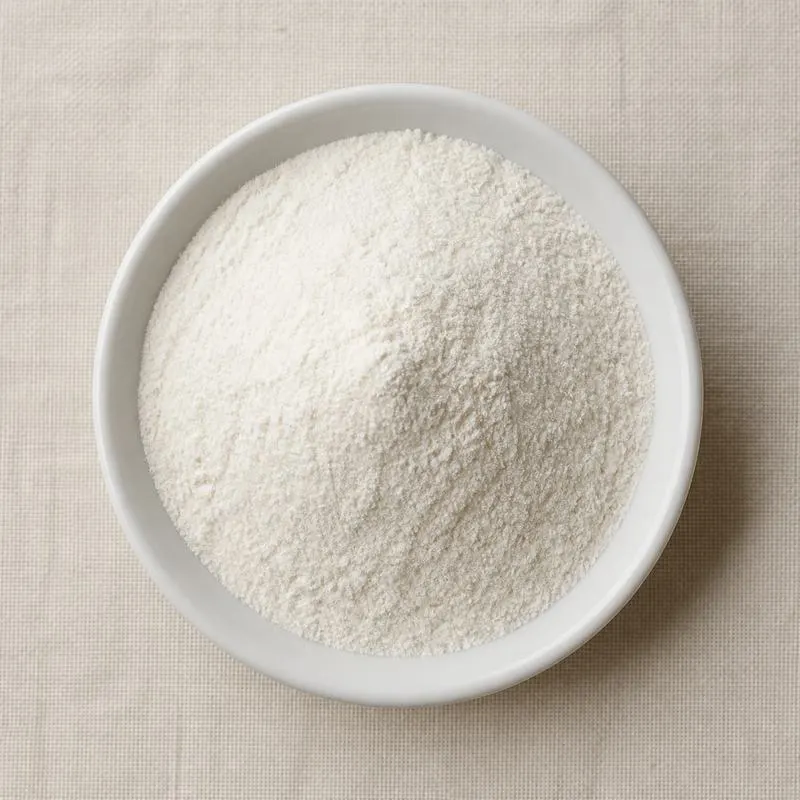
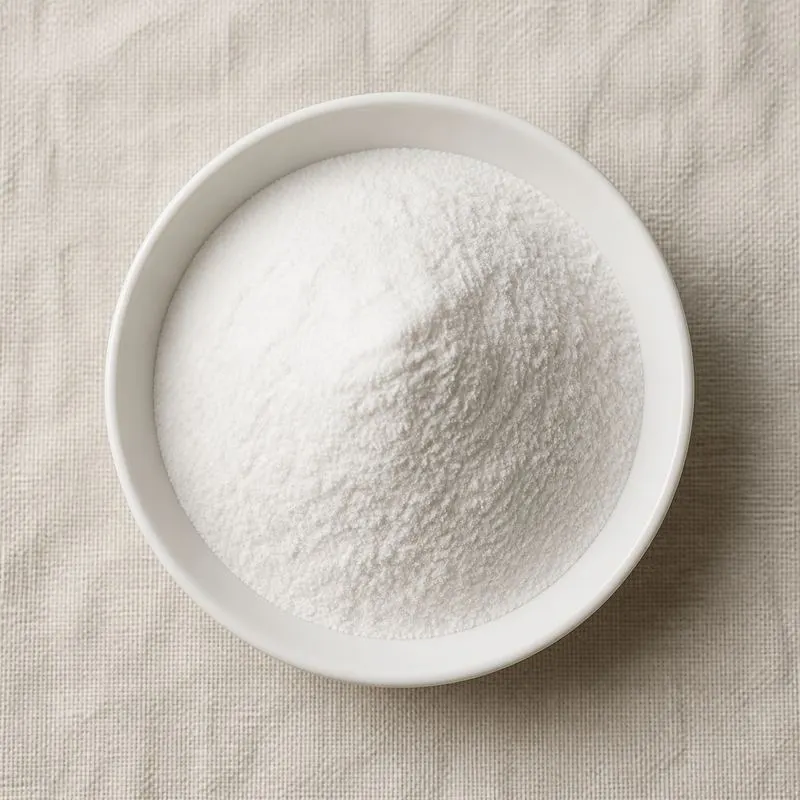
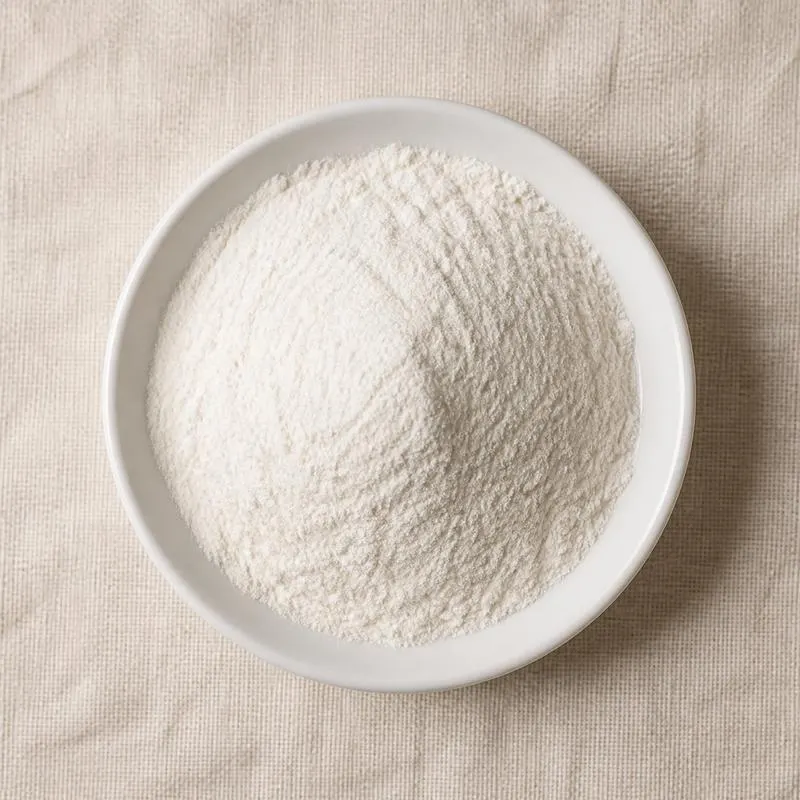
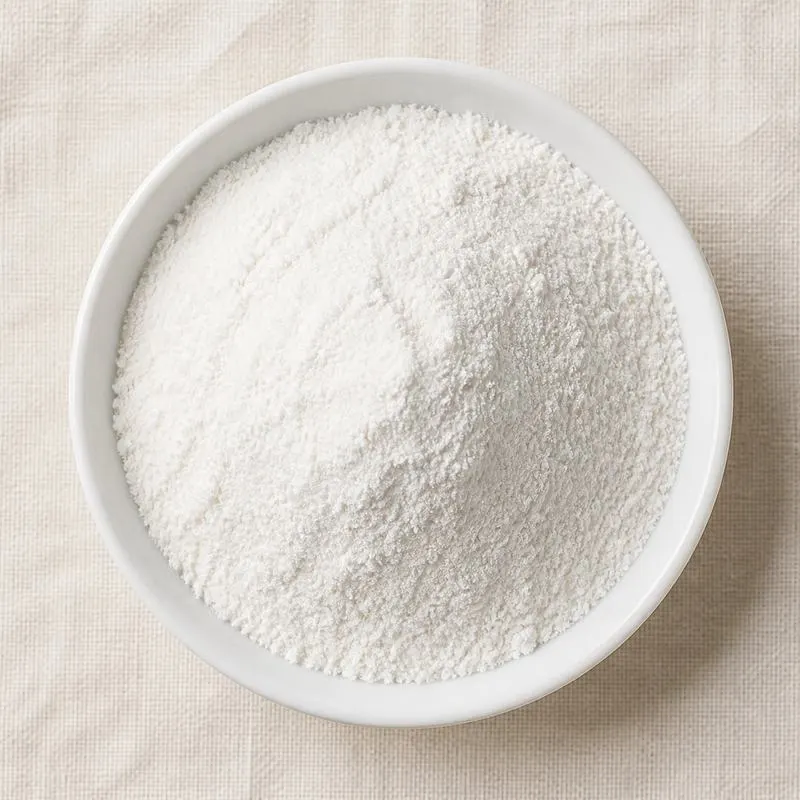
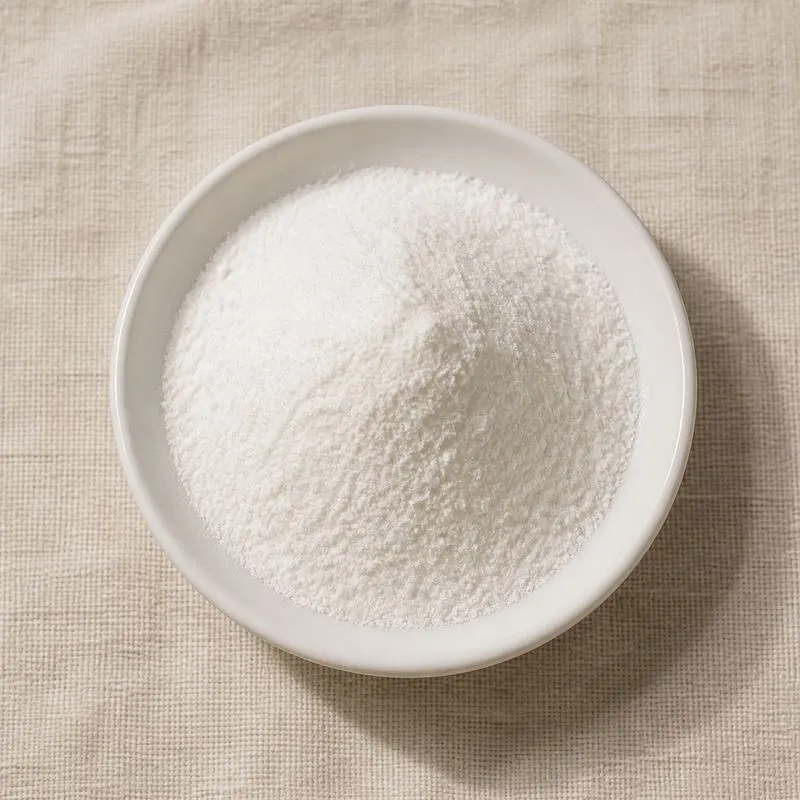
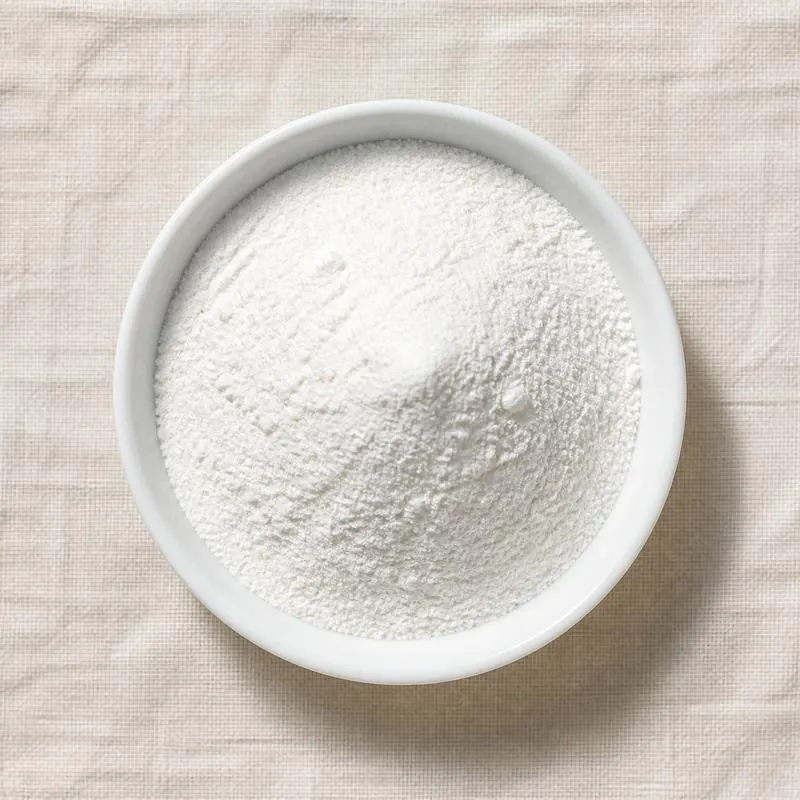
It is a light tan to pale brown free flowing powder, milled to a specified fineness. The material is thermally stable through baking, extrusion, frying and retort, is unaffected by the pH range of ordinary foods, and carries a mild cereal flavour that reads as wholegrain rather than as an additive. Because it derives from wheat, it is a cereals containing gluten allergen and must be declared even when residual gluten is low.
We source bulk Wheat Dietary Fibre from top China manufacturers for our partners. The manufacturer is in Henan. A smaller requirement can ship in a combined container with other ingredients.
Please send the grade you need, the volume and your destination port, and we will come back with a solution and a price.
or call +86-21-6858 0751
- Function
- Dietary Fibres
Specifications
| Item | Specification |
|---|---|
| Appearance | Light tan to pale brown free flowing powder |
| Odour and taste | Mild cereal note, free from burnt or musty character |
| Total dietary fibre, dry basis | 75.0% minimum |
| Identification | Conforms by microscopy, wheat bran cell wall structure |
| Residual starch | 5.0% maximum |
| Protein, dry basis | 10.0% maximum |
| Loss on drying | 9.0% maximum |
| Ash | 6.0% maximum |
| Water holding capacity | 4 to 8 g water per g |
| pH, 5% suspension | 5.0 to 7.0 |
| Lead | 0.5 mg/kg maximum |
| Arsenic | 0.5 mg/kg maximum |
| Total plate count | 10,000 cfu/g maximum |
| Yeast and mould, E. coli, Salmonella | Yeast and mould 500 cfu/g maximum; E. coli and Salmonella absent in 25 g |
Common Markets Grades
The trading grades are set by total dietary fibre assay and by particle size. Standard grades sit at 70 percent minimum fibre and retain more of the bran protein and residual starch; higher purity grades at 85 to 90 percent are produced with additional washing or enzymatic starch removal and are paler in colour. A separate low gluten grade is produced where the wash train has been extended specifically to reduce residual gluten, though it does not reach a gluten free declaration.
Particle size is offered from coarse bran cuts near 500 micrometres for visible wholegrain texture down to milled powders of 50 to 100 micrometres for smooth bakery and beverage work, with micronised grades below 40 micrometres for coatings and fillings. Unbleached material is the norm for wholegrain positioning, while a bleached grade is produced for white crumb and pale applications. Food grade is standard, with lower assay fractions passing to feed, and organic certified lines run on certified bran.
Applications
- Bread and rolls, where the fibre raises dough water absorption and yield while giving a wholegrain character
- Breakfast cereals and extruded shapes, where fibre content is raised without a large change in expansion
- Biscuits, crackers and crispbread, where coarse grades give a visible bran speckle and a firmer bite
- Pasta and noodles, where fibre is added with limited loss of cooking tolerance
- Meat products and burgers, where the fibre binds water and fat and reduces cook loss
- Batters and breadcrumb coatings, where water retention limits oil pickup during frying
- Cereal and snack bars, as a fibre carrier that also provides structure
- Tortillas and flatbreads, where moisture retention keeps the product pliable through shelf life
- Soups, sauces and ready meals, as a bulking agent that resists syneresis on chilling
- Pet food and livestock feed, as a digestible bulk fibre from lower assay fractions
China Manufacturers of Wheat Dietary Fibre
Top Wheat Dietary Fibre manufacturers in China.
Company names and logos are the property of the manufacturers themselves. They are listed here because our own directory records them as producing this ingredient. A listing is not an endorsement by them, and we do not represent them or speak on their behalf.
Regulatory Status
In the United States wheat bran fibre is a food ingredient derived from a conventional food rather than a food additive, and commercial concentrates are marketed on the basis of GRAS conclusions covering the process and intended uses. For nutrition labelling the intrinsic and intact fibre of the bran counts as dietary fibre directly, while isolated fibre fractions must appear on the Food and Drug Administration list of non digestible carbohydrates recognised for that declaration. Wheat is a major food allergen under US labelling law and must be declared on the finished product.
In the European Union wheat fibre is a food ingredient governed by general food law together with the hygiene and contaminants legislation applying to milled cereal fractions, and it carries no E number. It counts as dietary fibre for the nutrition declaration under the food information Regulation, which also requires cereals containing gluten to be emphasised in the ingredient list. Products using the gluten free claim must satisfy the implementing Regulation on that claim, which conventional wheat fibre does not meet. Codex Alimentarius covers the material through its general definition of dietary fibre and its standard for wheat.
Manufacturing Process
Wheat bran from the flour mill is the starting material. It is first screened and aspirated to remove flour dust and residual endosperm, then washed to strip free starch and soluble sugars. Because untreated bran carries active lipase and a substantial starch load, a thermal step is applied to inactivate the enzymes, followed by enzymatic treatment with alpha amylase and amyloglucosidase that hydrolyses the remaining starch to soluble sugars, which are washed out with the process water. Protein is reduced in the same wash train, and a mild alkaline stage may be used where a higher assay is required.
The washed fibre is neutralised, dewatered on decanter centrifuges and screw presses, and dried in a flash or ring dryer under conditions that avoid scorching, since bran browns readily and a burnt note carries through into the finished food. The dried fibre is milled to the ordered particle size on impact or jet mills, air classified so the size distribution stays inside tolerance, sifted, passed over magnets and metal detection, and packed in lined paper sacks or bulk bags.