Xylitol
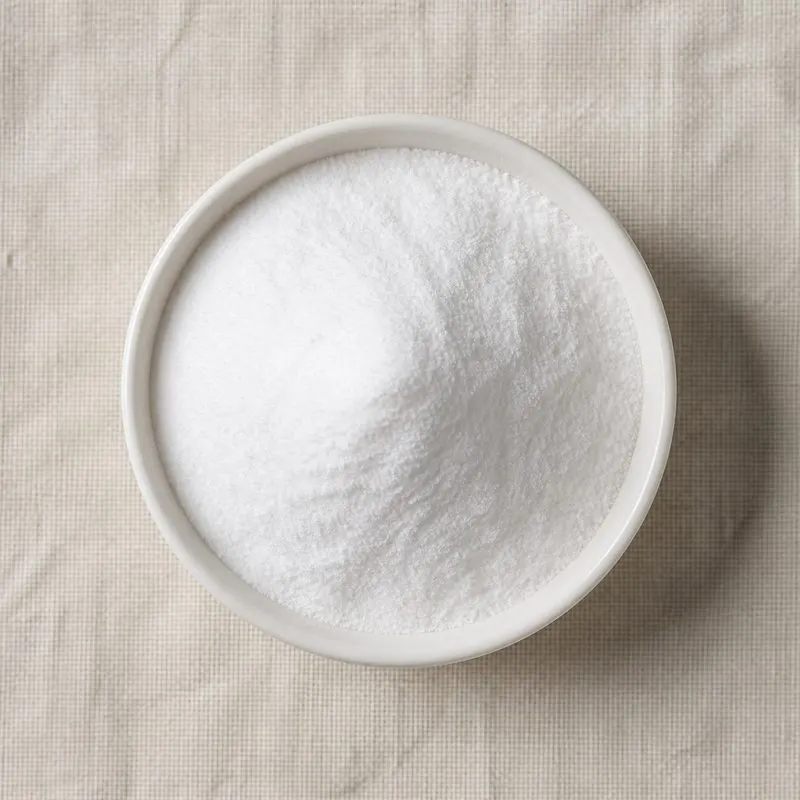
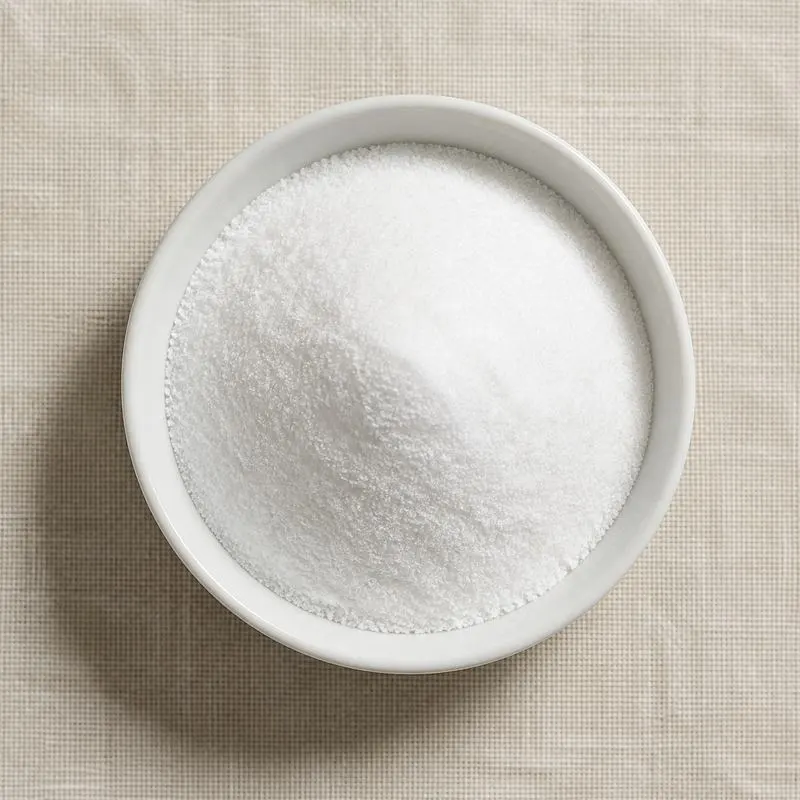
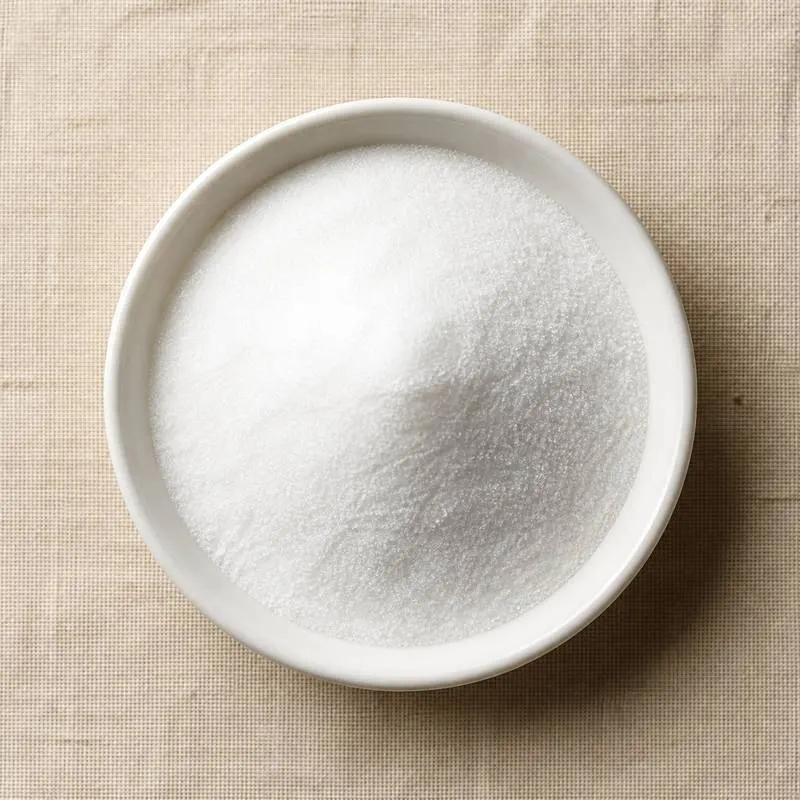
Xylitol is a five-carbon sugar alcohol (pentitol) used as a tooth-friendly sweetener in chewing gum, oral-care products, pharmaceuticals, and reduced-calorie food.
The molecule has formula C₅H₁₂O₅ and CAS 87-99-0. It matches sucrose in sweetness intensity on a weight basis, contributes about 2.4 kcal per gram, and produces a strong cooling sensation on dissolution.
We source bulk Xylitol from top China manufacturers for our partners, working with several of them. The manufacturers are in Shandong, Henan and Zhejiang. For this ingredient the minimum order is 1,000 kg and a 20-foot container takes 18 MT, and a smaller requirement can ship in a combined container with other ingredients.
Please send the grade you need, the volume and your destination port, and we will come back with a solution and a price.
or call +86-21-6858 0751
- Minimum order
- 1,000 kg
- Qty in 20' FCL
- 18 MT
- Packaging
- 25 kg kraft paper bag with PE inner liner
- ISO 9001
- HACCP
- Halal
- Kosher
Specifications
| Item | Specification |
|---|---|
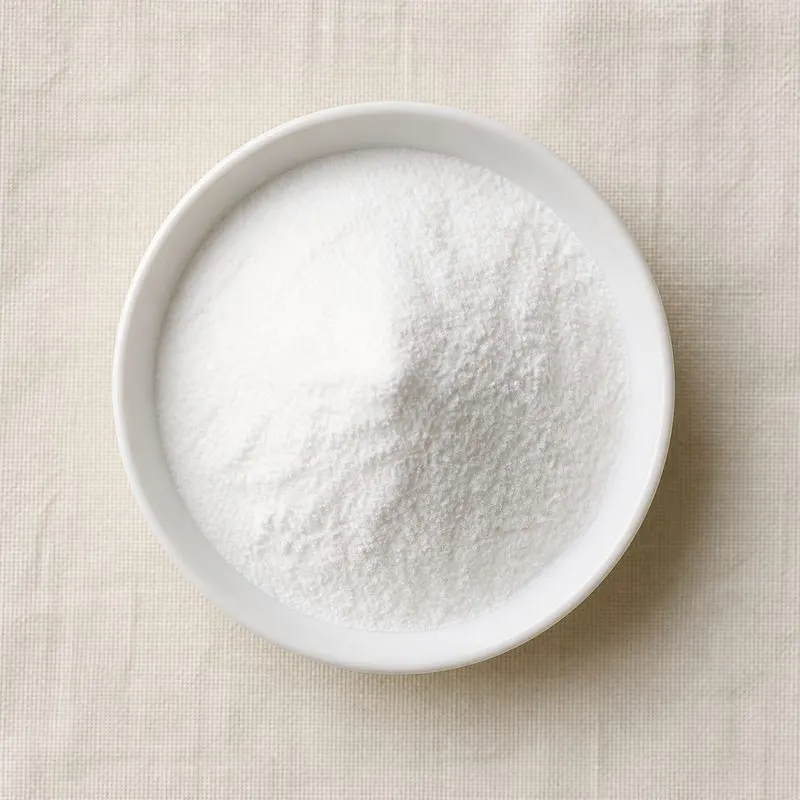
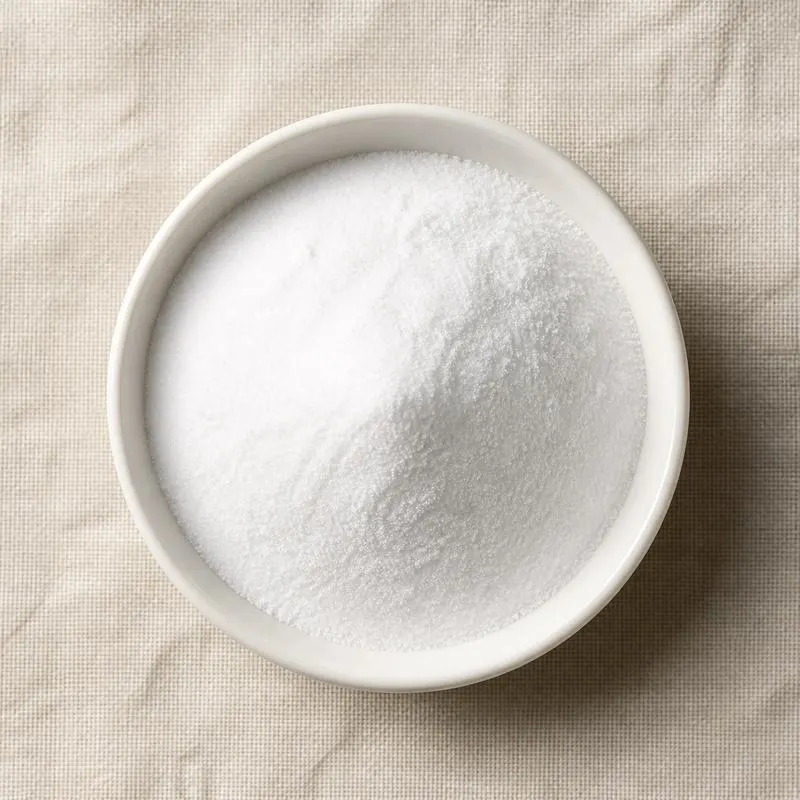
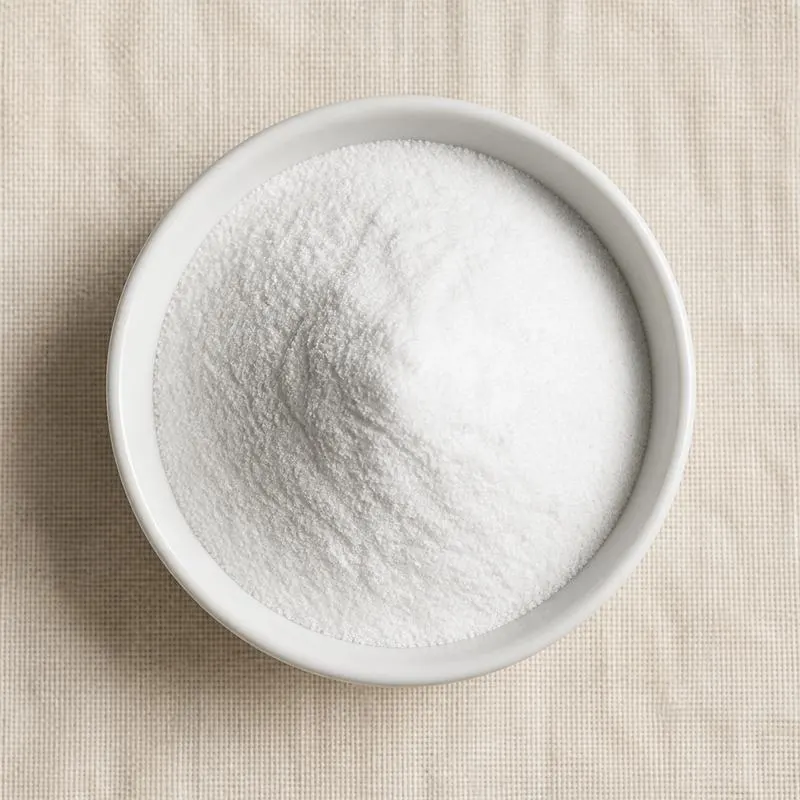
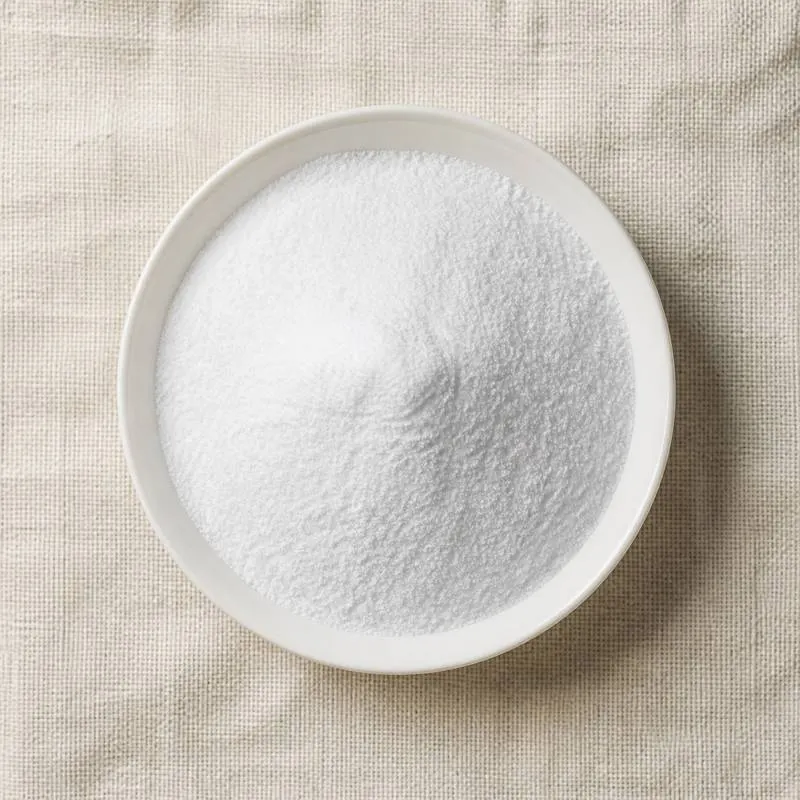
| Appearance | White crystalline powder or granules |
| Assay (dry basis) | ≥ 99.0% |
| Loss on drying | ≤ 0.5% |
| pH (10% solution) | 5.0 to 7.0 |
| Melting point | 92 °C to 96 °C |
| Heavy metals (as Pb) | ≤ 5 mg/kg |
| Arsenic | ≤ 1 mg/kg |
| Reducing sugars | ≤ 0.2% |
| Other polyols | ≤ 1.0% |
| Particle size | 30 to 80 mesh standard, or per customer specification |
Common Markets Grades
Two grades of Xylitol reach the market, food and pharmaceutical, both a free-flowing crystalline powder at 99 percent minimum assay.
Standard granulations include regular crystal for chewing gum and tabletting, fine and extra-fine for confectionery and chocolate, and powdered milled material for dry beverage mixes and sachets.
Pharmaceutical-grade material complies with USP-NF, Ph. Eur., JP, and BP monographs. Food-grade material meets FCC and JECFA specifications.
Applications
- Sugar-free chewing gum and mints as the sweetener and active anticariogenic ingredient
- Toothpaste, mouthwash, and dental rinses for plaque control and remineralization
- Pediatric and adult chewable vitamins, lozenges, and effervescent tablets
- Pharmaceutical syrups including cough preparations and nasal sprays
- Sugar-free chocolate, hard candies, and pastilles
- Reduced-calorie baked goods, jams, and jellies
- Tabletop sweetener for diabetic households as a one-to-one sucrose replacement
- Functional foods marketed for dental-health positioning
- Sugar-free dairy desserts including yogurt and ice cream
- Nutrition bars and meal-replacement products
- Pet-safe products excluding any dog-accessible application
Brands Using Xylitol
Widely-distributed consumer products that list Xylitol on the ingredient label.
- PUR (The PUR Company)PUR Peppermint Gum, 55pc Bag ↗Ingredients: xylitol, gum base, gum arabic, glycerol, natural flavours, carnauba wax, tocopherols. Sweetened with 100% xylitol from birch/beechLabel verified 2026-05-24
- PUR (The PUR Company)PUR Cinnamon Gum, 55pc Bag ↗Ingredient panel: 'xylitol, gum base, gum arabic, glycerol, natural flavors, carnauba wax, tocopherols'Label verified 2026-05-24
- Spry (Xlear)Spry Peppermint Xylitol Gum ↗Ingredient panel: 'Xylitol, Gum Base, Natural Flavors, Calcium Carbonate, Gum Arabic, Vegetable Glycerin, Sunflower Lecithin, Carnauba Wax'Label verified 2026-05-24
- Spry (Xlear)Spry Fluoride-Free Xylitol Toothpaste ↗Xylitol listed as primary active sweetener on official Xlear product pageLabel verified 2026-05-24
- Trident (Mondelez)Trident Original Flavor Sugar Free Gum ↗Ingredient panel lists Xylitol after Sorbitol and Gum Base as primary sweetenerLabel verified 2026-05-24
- Mentos (Perfetti Van Melle)Mentos Pure Fresh Sugar-Free Chewing Gum with Xylitol (Spearmint) ↗Ingredient panel lists xylitol as primary sweetener: 'xylitol, chewing gum base, sorbitol, maltitol syrup, mannitol...'Label verified 2026-05-24
- Ice Breakers (Hershey)Ice Breakers Ice Cubes Sugar Free Gum (Raspberry Sorbet) ↗Xylitol listed in ingredient panel of Ice Cubes sugar-free gum lineLabel verified 2026-05-24
- Orbit (Wrigley/Mars)ORBIT Spearmint Sugarfree Chewing Gum ↗Xylitol listed under 'Less than 2% of' in ingredient panelLabel verified 2026-05-24
Brand names, product names and logos are the property of their owners. They appear here as published evidence that the ingredient is used, taken from the brand's own label or website. Their appearance is not an endorsement, and it does not mean the brand buys from us or from any manufacturer listed on this site.
China Manufacturers of Xylitol
Top Xylitol manufacturers in China.
 Futaste Pharmaceutical Co., Ltd.7 ingredients in the directory
 Healtang Biotech Co., Ltd.3 ingredients in the directory
 Henan More Energy Co., Ltd.7 ingredients in the directory
- Shandong Jianyihong Biopharmaceutical Co., Ltd.9 ingredients in the directory
- Shandong Jintian Biotechnology Co., Ltd.5 ingredients in the directory
- Shandong Lujian Life Technology Co., Ltd.9 ingredients in the directory
 Yusweet Co., Ltd.5 ingredients in the directory
- Zhejiang Huakang Pharmaceutical Co., Ltd.11 ingredients in the directory
Company names and logos are the property of the manufacturers themselves. They are listed here because our own directory records them as producing this ingredient. A listing is not an endorsement by them, and we do not represent them or speak on their behalf.
How We Help Source Xylitol
Direct Factory Sourcing
We run the whole process: selecting the manufacturer from the top Chinese food ingredient producers, negotiating the price, verifying quality, and coordinating the logistics. You deal with us instead of with several factories at once.
Original Packaging and Documents from the Manufacturer
The manufacturer sends your Xylitol out of its own factory in the original packing, through to your destination port. The COA, COO, MSDS, TDS and any certifications reach you from the manufacturer as well.
Free Samples and Lead Time
We send 100 to 500 g free for your own laboratory to test and you cover only the courier, usually within 2 to 3 working days. ETD is usually within 7 to 15 days once the order is confirmed, and we check that date against the factory's own manufacturing schedule before we give it to you.
Combined Shipment
We can load Xylitol together with other ingredients such as Stevia, Erythritol and Maltitol into one 20' FCL. If your quantity is small, we can also ship LCL.
Regulatory Status
Xylitol is approved as a food additive in most major regulated markets.
In the European Union it carries E number E967 and is permitted in many food categories. EU labelling requires the statement excessive consumption may produce laxative effects when a serving delivers more than 10 grams of polyol.
The U.S. Food and Drug Administration approved xylitol as a food additive in 1963. The agency permits health claims linking xylitol-sweetened chewing gum and confectionery to reduced risk of dental caries.
Pharmacopoeial monographs appear in USP-NF, Ph. Eur., JP, and BP. The substance is Halal and Kosher certifiable.
Xylitol is acutely toxic to dogs at oral doses as low as 50 to 100 milligrams per kilogram of body weight. Ingestion can cause rapid hypoglycemia and at higher doses acute hepatic necrosis. Consumer products, particularly chewing gum, peanut butter, and baked goods, are required by veterinary best practice to display clear warnings to keep them away from pets. The toxicity is specific to dogs and certain other species and does not occur in humans.
Manufacturing Process
Xylitol is manufactured by the catalytic hydrogenation of D-xylose.
Traditional production starts from hemicellulose-rich biomass such as birch wood, corn cobs, sugarcane bagasse, or almond hulls. The biomass is hydrolysed with dilute mineral acid to release xylose from the xylan fraction, then purified through ion exchange and chromatographic separation.
The purified xylose solution is reacted with hydrogen at 80 to 140 degrees Celsius and 40 to 70 bar over a Raney nickel catalyst. The aldehyde group of xylose is reduced to a primary alcohol, yielding xylitol.
The hydrogenated solution is filtered, demineralized, decolorised on activated carbon, and concentrated under vacuum. Controlled cooling crystallisation with seeding produces the crystalline product, which is then centrifuged, dried, and milled.
A growing share of supply now uses microbial fermentation routes with engineered yeast strains converting glucose or xylose to xylitol directly.