Yeast Extract Fermentation
Yeast extract for fermentation is the grade of yeast extract produced as a nitrogen and growth factor source for microbial culture media rather than as a savoury food ingredient. It is the soluble fraction of autolysed or enzymatically hydrolysed Saccharomyces cerevisiae or Candida utilis, containing free amino acids, peptides, nucleotides, B group vitamins, trace minerals and carbohydrate, with the insoluble cell wall removed.
What distinguishes this grade from the savoury one is what is optimised. A food grade extract is developed for umami intensity, so its manufacture concentrates on glutamate and nucleotide content. A fermentation grade is developed for growth promotion, so it is specified on total nitrogen, amino nitrogen, the free amino acid profile, vitamin content and, critically, on low and consistent levels of the metals and inhibitory substances that would depress a sensitive production culture.
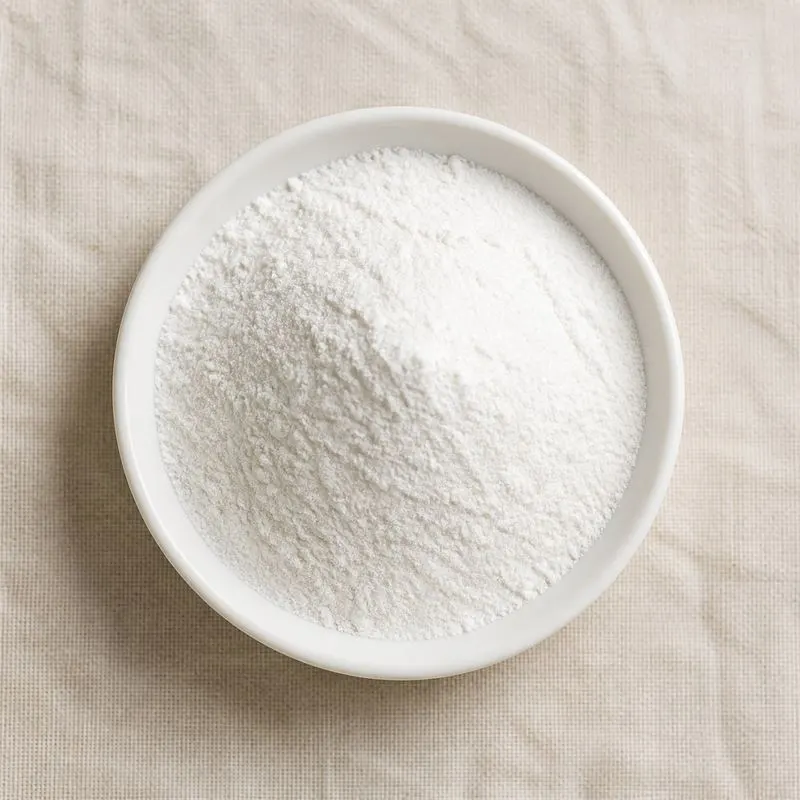
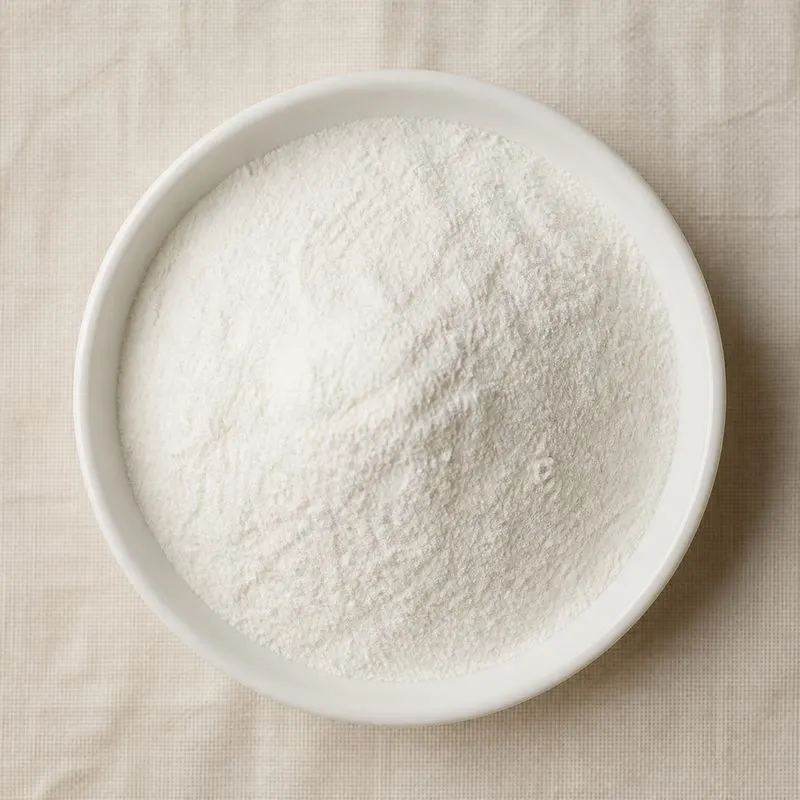
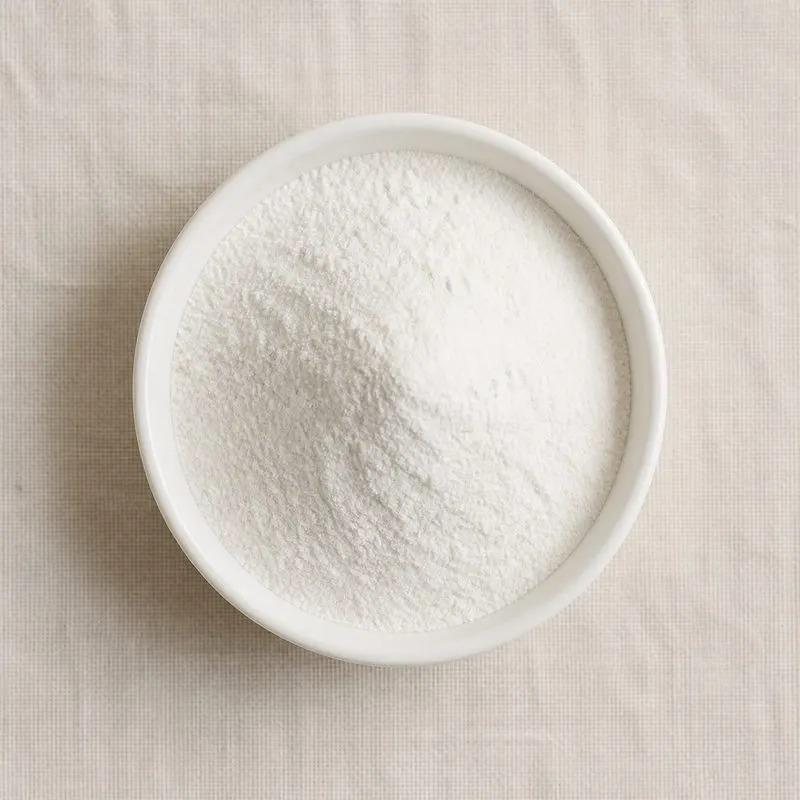
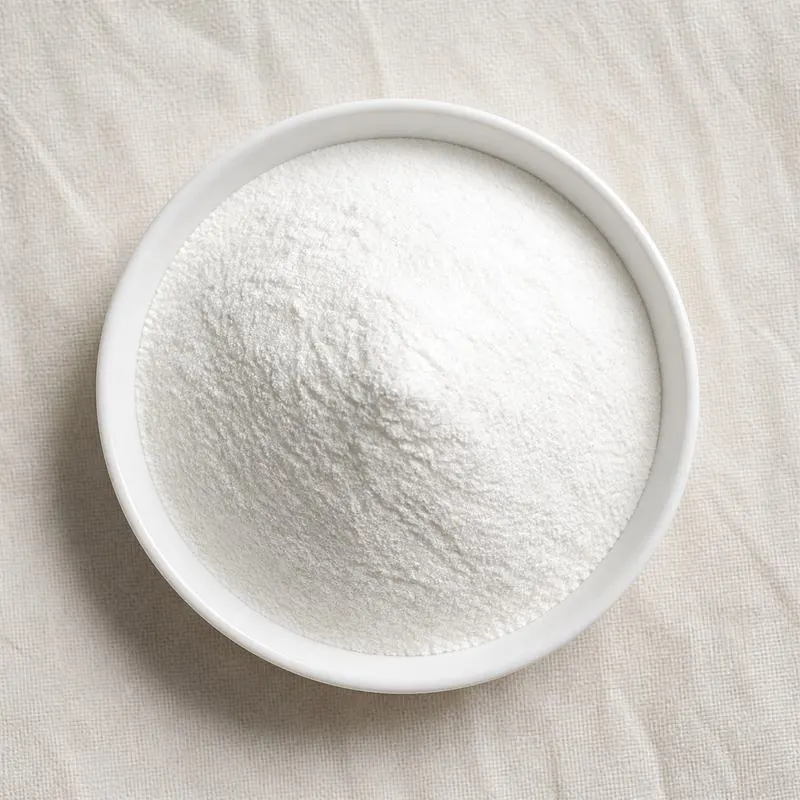
It comes as a light yellow to tan free flowing powder or as a paste at around 60 to 70 percent solids, and a granulated version is produced for easier dissolution in large media tanks. The powder is freely soluble in water, giving a clear to slightly hazy amber solution, and it is hygroscopic enough to cake if it takes up moisture, so it is packed in barrier lined bags. Solutions are stable to the heat of media sterilisation, though prolonged autoclaving with sugars causes Maillard browning.
We source bulk Yeast Extract Fermentation from top China manufacturers for our partners. The manufacturer is in Guangdong. A smaller requirement can ship in a combined container with other ingredients.
Please send the grade you need, the volume and your destination port, and we will come back with a solution and a price.
or call +86-21-6858 0751
- Function
- Probiotic
Specifications
| Item | Specification |
|---|---|
| Appearance | Light yellow to tan free flowing powder or granules |
| Odour | Characteristic yeasty, free from putrid or burnt notes |
| Solution Appearance, 5% | Clear to slightly hazy amber |
| Total Nitrogen, dry basis | 9.0% to 11.0% |
| Amino Nitrogen, dry basis | 4.0% to 6.0% |
| Sodium Chloride | ≤ 3.0% |
| Loss on Drying | ≤ 6.0% |
| Ash | ≤ 15.0% |
| pH, 2% solution | 5.5 to 7.0 |
| Growth Promotion | Reference culture meets specified growth on standard medium |
| Lead | ≤ 2.0 mg/kg |
| Arsenic | ≤ 2.0 mg/kg |
| Total Plate Count | ≤ 10,000 CFU/g |
| Yeast and Mould | ≤ 100 CFU/g |
| E. coli | Absent in 1 g |
| Salmonella | Absent in 25 g |
Common Markets Grades
The grade is defined by its assay rather than by taste. Total nitrogen, typically 9 to 11 percent, and amino nitrogen, typically 4 to 6 percent, are the two headline figures, with the ratio between them indicating how far the protein has been broken down toward free amino acids. Sodium chloride content is separately declared and is normally held low, since salt from the hydrolysis step is unwanted ballast in a fermentation medium.
Beyond the general purpose grade, specialised versions are produced for particular fermentations. Low salt and low sodium grades serve processes sensitive to ionic strength, animal free and non-GMO certified grades serve biopharmaceutical and vaccine production where the absence of animal derived raw material is a regulatory requirement, and ultrafiltered grades with a defined peptide molecular weight distribution are used where consistency of the peptide fraction matters. A pharmaceutical or cell culture grade carries the tightest specification, with declared endotoxin limits and full batch traceability. Physical grades run from fine powder through spray dried granules to paste.
Applications
- Bacterial fermentation media in antibiotic, enzyme and organic acid production, as the principal organic nitrogen source
- Amino acid fermentation, notably lysine, threonine and glutamate production
- Probiotic culture propagation, where the extract supplies the peptides and vitamins lactic acid bacteria cannot synthesise
- Yeast and fungal fermentations for enzymes, citric acid and biopolymers
- Biopharmaceutical and vaccine manufacture, using animal free grades in place of animal derived peptones
- Laboratory microbiological media, as a component of standard formulations for plate counts and identification
- Cell culture media supplements, where the peptide and vitamin fraction supports growth
- Biofuel and industrial ethanol fermentation, as a yeast nutrient supplement
- Starter culture propagation in dairy and meat fermentation plants
China Manufacturers of Yeast Extract Fermentation
Top Yeast Extract Fermentation manufacturers in China.
Company names and logos are the property of the manufacturers themselves. They are listed here because our own directory records them as producing this ingredient. A listing is not an endorsement by them, and we do not represent them or speak on their behalf.
Regulatory Status
In the United States dried yeast and yeast extract are affirmed as generally recognised as safe, and yeast extract used as a component of fermentation media for food, enzyme and supplement production is handled as a processing input rather than as a food additive in the finished product. Material intended for biopharmaceutical manufacture is additionally subject to the current good manufacturing practice expectations for raw materials, including supplier qualification and traceability, and animal free status is documented where the process requires freedom from animal derived components.
In the European Union yeast extract is a food ingredient rather than a food additive, so it carries no E number, and its use in fermentation media falls outside the additive framework entirely. Where the extract is a raw material in medicinal product manufacture, the relevant good manufacturing practice guidance and the requirements on materials of biological origin apply, and transmissible spongiform encephalopathy freedom is documented for animal free grades. Codex has no commodity standard for yeast extract, and JECFA has evaluated yeast extract preparations in the course of its work on flavour ingredients.
Manufacturing Process
The starting material is a yeast cream, either grown deliberately by fed batch aerobic fermentation on molasses or glucose or recovered as surplus biomass from brewing or ethanol production. The cream is washed to remove residual medium and, where it comes from brewing, debittered to strip hop resins. It is then held at roughly 45 to 55 degrees Celsius at a controlled pH so that the cell's own proteases and nucleases digest the intracellular protein and nucleic acid, with added food grade proteases used to drive the hydrolysis further and faster than autolysis alone would reach.
When the target degree of hydrolysis is reached, judged on amino nitrogen, the slurry is heated to inactivate the enzymes and then separated by centrifugation or membrane filtration into the soluble extract and the insoluble cell wall, which goes to a separate product line. The extract is clarified, sometimes ultrafiltered to control the peptide molecular weight distribution, and concentrated under vacuum to paste solids. It is then either sold as paste or spray dried to powder, with granulation applied where dissolution speed matters. Each lot is assayed for total and amino nitrogen, salt, ash and the growth promotion performance of a reference culture on a standard medium, which is the release test that matters most to this grade.