Yeast Hydrolysate
Yeast hydrolysate is the product of breaking down whole yeast cells with added proteolytic enzymes, giving a soluble mixture of peptides, free amino acids, nucleotides, B group vitamins and carbohydrate. It differs from a yeast extract in emphasis rather than in kind: an extract is defined by separating the soluble fraction from the insoluble cell wall, while a hydrolysate is defined by the enzymatic degradation itself, and some hydrolysates are dried whole, cell wall included.
The source organism is normally Saccharomyces cerevisiae, sometimes Candida utilis, grown for the purpose or recovered as surplus biomass from brewing or ethanol production. Typical composition runs 45 to 60 percent protein equivalent on the dry basis, of which a large and specified proportion is present as free amino acids and short peptides rather than as intact protein, which is what makes the material quick to absorb.
Two properties drive its use. Nutritionally, the free amino acid and peptide fraction is absorbed faster than intact protein and carries the growth factors that fastidious organisms need. In flavour terms, the glutamate and nucleotide content gives a savoury, brothy character, though a hydrolysate is generally milder than a purpose built savoury extract.
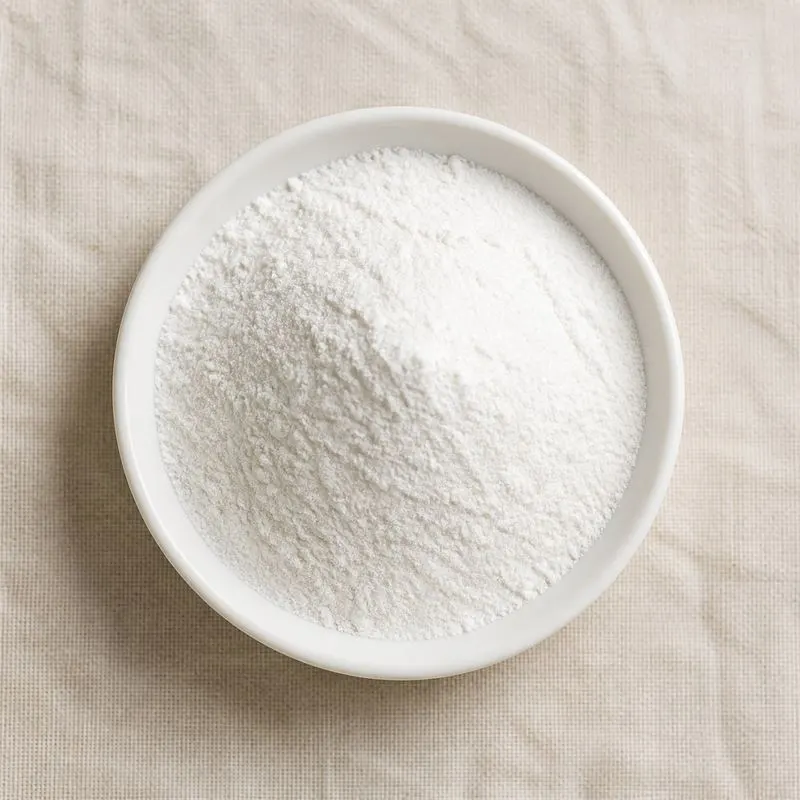
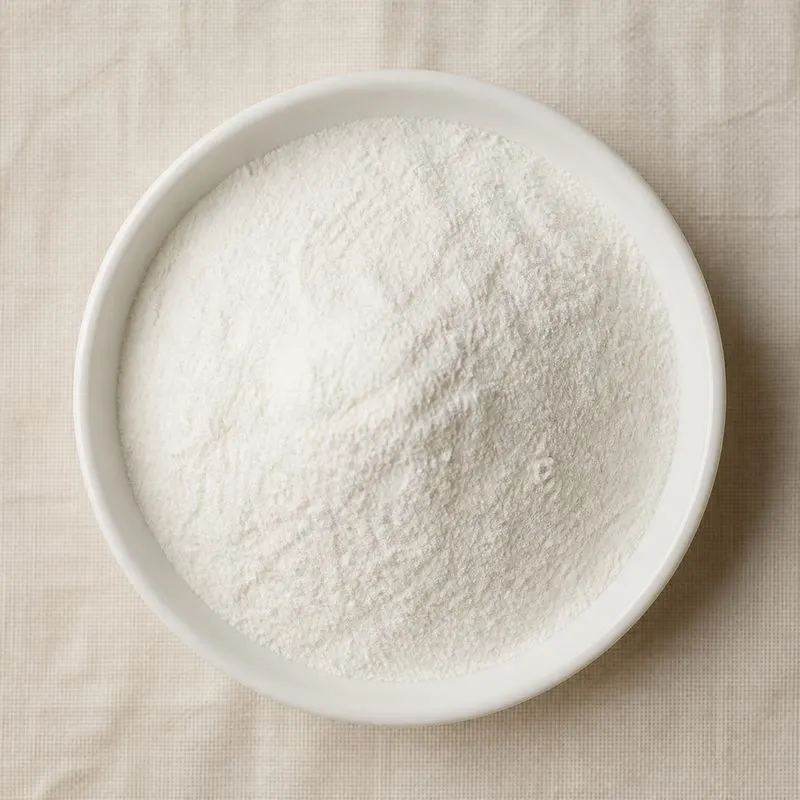
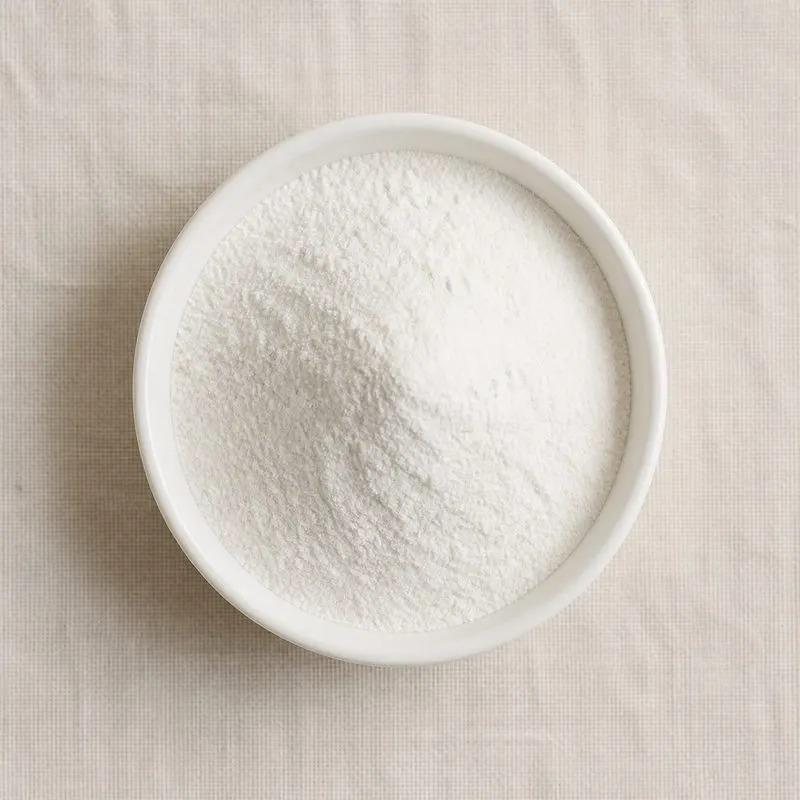
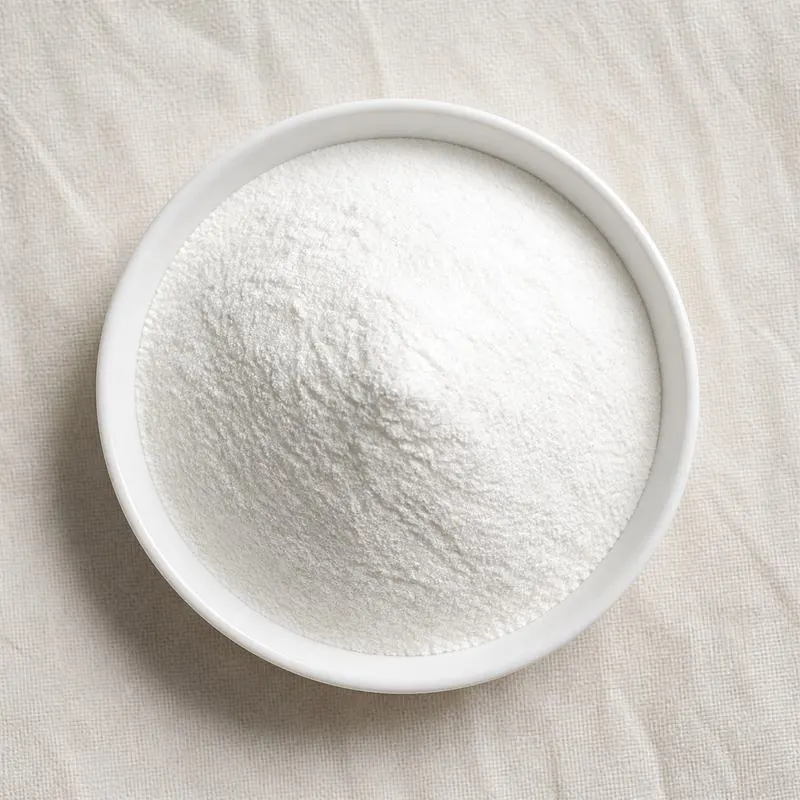
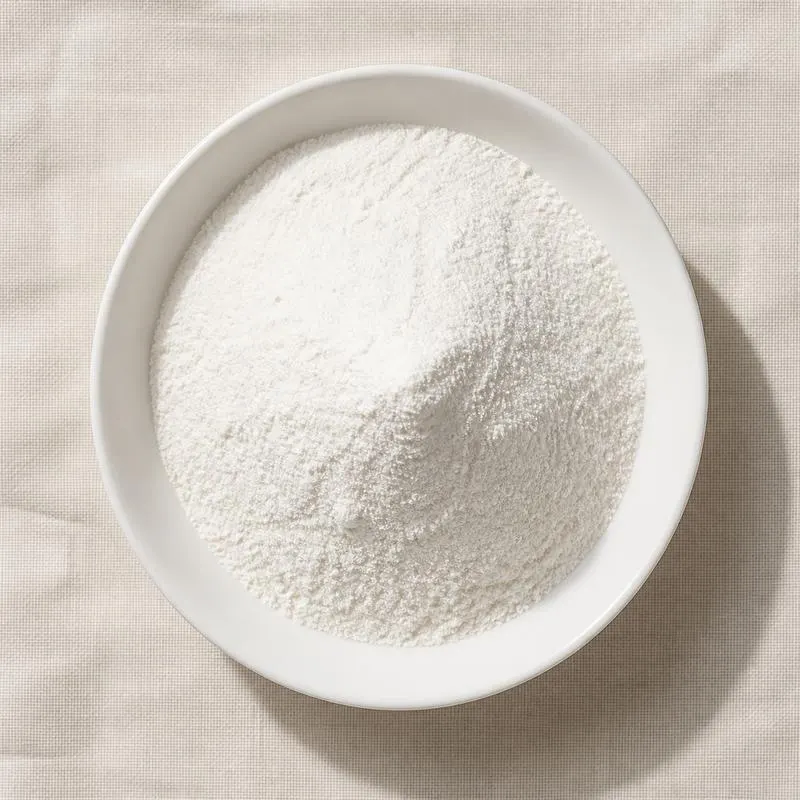
It is a light yellow to tan free flowing powder or a paste at 60 to 70 percent solids. Powdered material is freely to largely soluble in water depending on whether the cell wall was removed, and it is hygroscopic, so it is packed in barrier lined bags.
We source bulk Yeast Hydrolysate from top China manufacturers for our partners. The manufacturer is in Zhejiang. A smaller requirement can ship in a combined container with other ingredients.
Please send the grade you need, the volume and your destination port, and we will come back with a solution and a price.
or call +86-21-6858 0751
- Function
- Probiotic
Specifications
| Item | Specification |
|---|---|
| Appearance | Light yellow to tan free flowing powder or paste |
| Odour and Taste | Characteristic yeasty and savoury, free from putrid notes |
| Protein, N x 6.25, dry basis | ≥ 50.0% |
| Total Nitrogen, dry basis | 8.0% to 11.0% |
| Amino Nitrogen, dry basis | 3.0% to 6.0% |
| Degree of Hydrolysis | Per declared grade, as amino to total nitrogen ratio |
| Loss on Drying | ≤ 6.0% |
| Ash | ≤ 15.0% |
| Sodium Chloride | Per declared grade |
| pH, 2% solution | 5.0 to 7.0 |
| Lead | ≤ 2.0 mg/kg |
| Arsenic | ≤ 2.0 mg/kg |
| Total Plate Count | ≤ 10,000 CFU/g |
| Yeast and Mould | ≤ 100 CFU/g |
| E. coli | Absent in 1 g |
| Salmonella | Absent in 25 g |
Common Markets Grades
The primary specification is degree of hydrolysis, expressed as the ratio of amino nitrogen to total nitrogen, which states how far the protein has been cut down. A lightly hydrolysed material retains longer peptides and a milder taste, while an extensively hydrolysed one is richer in free amino acids, more bitter and absorbed faster. Total nitrogen at 8 to 11 percent and amino nitrogen at 3 to 6 percent are the usual declared figures.
The second division is whether the cell wall has been removed. Clarified hydrolysates are fully soluble and are used where a clear solution is required, while whole cell hydrolysates retain the beta-glucan and mannan of the wall and are cheaper, used in feed and fermentation media where insolubles are tolerated. Beyond that, low salt grades, animal free and non-GMO certified grades for biopharmaceutical media, and ultrafiltered grades with a defined peptide molecular weight distribution are all traded. Physical forms are fine powder, spray dried granules and paste.
Applications
- Microbial fermentation media, as an organic nitrogen and growth factor source for bacteria, yeasts and fungi
- Cell culture and biopharmaceutical media, where animal free grades replace animal derived peptones
- Probiotic culture propagation, supplying the peptides and vitamins lactic acid bacteria cannot make themselves
- Aquaculture feed for shrimp and fish larvae, where quickly absorbed peptides suit an immature digestive system
- Piglet and calf starter feeds, dosed at weaning as a palatable and digestible protein source
- Pet food, functioning both as a protein source and as a palatant
- Savoury seasonings, soups and sauces, contributing a mild brothy note
- Sports and clinical nutrition, where free amino acid content is the specified property
- Plant biostimulants and fertiliser formulations, as an amino acid source applied to crops
China Manufacturers of Yeast Hydrolysate
Top Yeast Hydrolysate manufacturers in China.

Company names and logos are the property of the manufacturers themselves. They are listed here because our own directory records them as producing this ingredient. A listing is not an endorsement by them, and we do not represent them or speak on their behalf.
Regulatory Status
In the United States dried yeast and yeast derived products including hydrolysates are affirmed as generally recognised as safe for food use, and material used in animal feed falls under the animal food framework, where the Association of American Feed Control Officials ingredient definitions determine how it may be named on a label. Hydrolysates sold as raw materials for biopharmaceutical manufacture are additionally subject to the current good manufacturing practice expectations for raw materials, covering supplier qualification, traceability and, where claimed, freedom from animal derived components.
In the European Union yeast hydrolysate is a food ingredient rather than a food additive, so no E number applies, and it is declared in an ingredient list by name. Used in animal nutrition it is a feed material listed in the catalogue of feed materials. Where it serves as a raw material in medicinal product manufacture the relevant good manufacturing practice guidance for biological starting materials applies, and transmissible spongiform encephalopathy freedom is documented for animal free grades. Codex has no commodity standard for yeast hydrolysate, so the general standards for hygiene, contaminants and labelling apply, and JECFA has evaluated yeast derived preparations in the course of its flavour ingredient work.
Manufacturing Process
The starting material is a yeast cream, either grown by fed batch aerobic fermentation on molasses or a glucose substrate or recovered as spent biomass from brewing or ethanol manufacture. The cream is washed to remove residual medium and, where it comes from brewing, debittered to strip hop resins that would otherwise carry a bitter note through the whole process.
The washed cream is adjusted to the pH and temperature at which the chosen enzymes work, generally 45 to 60 degrees Celsius, and dosed with food grade proteases, typically an endopeptidase to cut the protein chains followed by an exopeptidase to release free amino acids from the resulting fragments. The cell's own enzymes contribute during the early part of the hold, but the added proteases are what carry the hydrolysis to its target and shorten a process that would take far longer by autolysis alone. Where a nucleotide rich profile is wanted, a 5'-phosphodiesterase and a deaminase are dosed as well. Progress is tracked by amino nitrogen, and when the target degree of hydrolysis is reached the slurry is heated to inactivate the enzymes. Clarified grades are then centrifuged and filtered to remove the cell wall, while whole cell grades skip that step. The liquor is concentrated under vacuum and either sold as paste or spray dried, milled and packed.