Zanthoxylum Anthoxylum Essential Oil
Zanthoxylum essential oil is the volatile oil distilled from the fruit husk of trees and shrubs of the genus Zanthoxylum, the rutaceous group that supplies Sichuan pepper, prickly ash and the Japanese spice sansho. The listing name repeats the genus name twice, and material offered under it is the standard genus oil rather than a distinct botanical species.
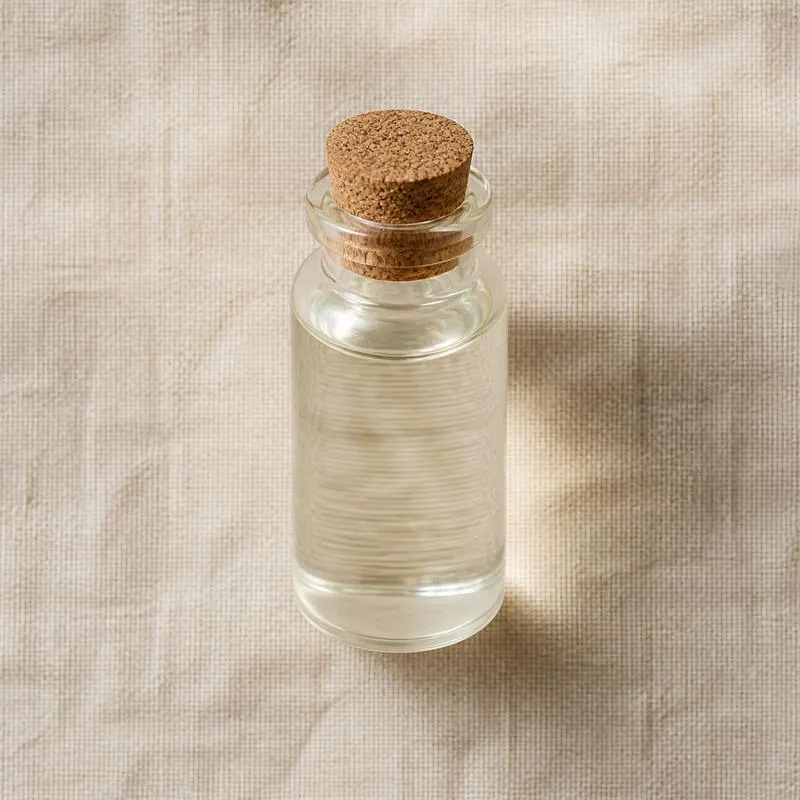
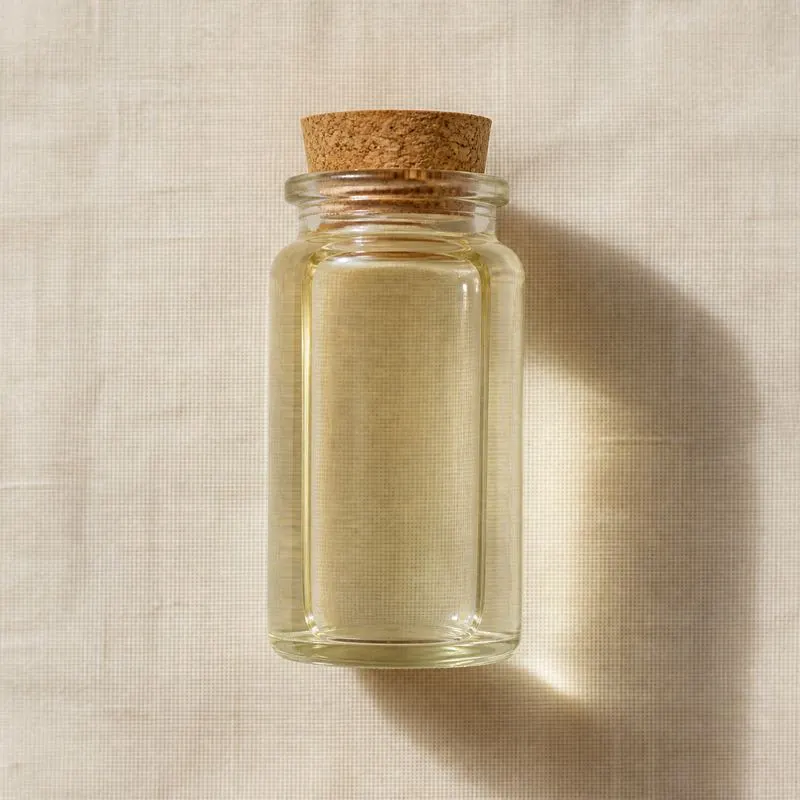
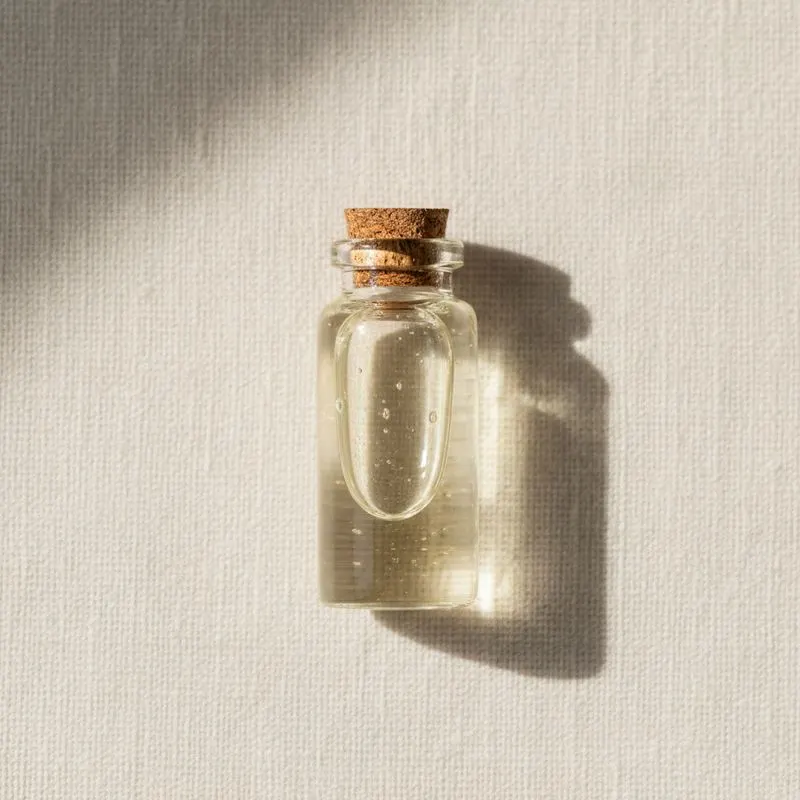
The oil is a pale yellow to greenish yellow mobile liquid with a citrus and coniferous top note over a warm resinous base. Because the genus sits in the citrus family, the profile is built on monoterpenes and monoterpene alcohols rather than on the phenylpropanoids typical of other culinary spice oils. Linalool, limonene, beta-myrcene, sabinene, terpinen-4-ol, geraniol and beta-phellandrene account for most of the chromatogram, in proportions that vary with species and origin.
The alkylamides responsible for the numbing sensation of the whole spice, principally hydroxy-alpha-sanshool, are non-volatile and do not distil over, so the oil delivers aroma without tingle. It dissolves in ethanol and edible oils, is insoluble in water, and darkens on air exposure.
We source bulk Zanthoxylum Anthoxylum Essential Oil from top China manufacturers for our partners. The manufacturer is in Sichuan. A smaller requirement can ship in a combined container with other ingredients.
Please send the grade you need, the volume and your destination port, and we will come back with a solution and a price.
or call +86-21-6858 0751
- Function
- Essential oil
Specifications
| Item | Specification |
|---|---|
| Appearance | Clear pale yellow to greenish yellow mobile liquid |
| Odour | Citrus and coniferous over warm resinous spice, characteristic |
| Botanical Source | Zanthoxylum species declared on the certificate |
| Relative Density (20°C) | 0.855 to 0.890 |
| Refractive Index (20°C) | 1.466 to 1.482 |
| Optical Rotation (20°C) | -15° to +10° |
| Linalool | 20.0 to 55.0 percent by GC |
| Limonene | 5.0 to 25.0 percent by GC |
| Solubility | Soluble in 95 percent ethanol and edible oils, insoluble in water |
| Acid Value | Not more than 2.0 mg KOH/g |
| Moisture | Not more than 0.5 percent |
| Heavy Metals (as Pb) | Not more than 10 mg/kg |
| Lead | Not more than 2 mg/kg |
| Arsenic | Not more than 1 mg/kg |
Common Markets Grades
Material is graded by source species and by extraction route. Zanthoxylum bungeanum gives the red pepper oil, warmer and rounder in character. Zanthoxylum armatum and Zanthoxylum schinifolium give the green types, sharper and higher in linalool. Zanthoxylum piperitum, the Japanese sansho, is distilled in smaller volume and reads greener and more citral-like. Each is bought against a gas chromatography window rather than a single assay figure.
Steam-distilled oil is the aroma grade. Supercritical carbon dioxide extracts and solvent oleoresins from the same husk carry the sanshool fraction as well and are specified on numbing intensity in addition to aroma, so the two should not be substituted for one another. Terpeneless and folded fractions are produced by vacuum rectification where a more concentrated or more water-tolerant material is needed, and standardised dilutions at 1 to 10 percent in propylene glycol or triethyl citrate are used for flavour dosing.
Applications
- Hotpot, ma la and spicy braise bases, restoring aroma lost during extended boiling
- Seasoning oil sachets for instant noodles and convenience meals
- Compound seasoning powders for dry-pot, roast and braised applications
- Marinades and brines for poultry, duck and pork
- Prepared chilli oils and cold dressing oils, used with chilli oleoresin for aroma balance
- Snack and nut seasoning applied through an oil slurry during tumbling
- Sausage and cured meat production at low dosage
- Savoury flavour compounding as a citrus-spice top note
- Fragrance and household products in the spicy citrus accord
China Manufacturers of Zanthoxylum Anthoxylum Essential Oil
Top Zanthoxylum Anthoxylum Essential Oil manufacturers in China.
Company names and logos are the property of the manufacturers themselves. They are listed here because our own directory records them as producing this ingredient. A listing is not an endorsement by them, and we do not represent them or speak on their behalf.
Regulatory Status
In the United States prickly ash and Sichuan pepper are used as culinary spices, and oils of the genus are handled as natural flavouring substances with FEMA GRAS listings for the individual flavour materials rather than under a dedicated food additive regulation. Use levels in food are self-limiting because of the intensity of the aroma.
In the European Union the oil is a natural flavouring preparation under Regulation (EC) No 1334/2008, so it has no E number and does not appear in the food additive lists. Fragrance and personal care applications fall under the IFRA standards and under the allergen declaration requirements of the EU Cosmetics Regulation for constituents such as limonene, linalool and geraniol. Codex addresses the raw spice through its general provisions and code of hygienic practice for spices and dried aromatic herbs rather than through a standard for the distilled oil, and commercial quality is normally referenced to an ISO or in-house chromatographic profile.
Manufacturing Process
Fruit is harvested when the husks colour and begin to split, dried in sun or hot air, then screened to separate seed, stalk and leaf from the pericarp, which holds essentially all of the oil. The dried husk is coarsely milled shortly before charging and is often steeped briefly in water so that steam penetrates the woody tissue evenly.
Distillation is carried out with low pressure steam in stainless steel vessels over four to eight hours. The condensed vapour separates in a Florentine flask with the oil floating above the aqueous layer, and the distillation water is returned through the still to recover dissolved linalool and other oxygenated components. Crude oil is dried over anhydrous sodium sulphate, settled and polish filtered, then profiled by gas chromatography and blended across lots to a fixed specification before packing under nitrogen in filled containers. Yield on dried husk generally runs between one and four percent.