Zinc Acetate
Zinc acetate is the zinc salt of acetic acid, Zn(CH3COO)2, traded as the anhydrous salt and, more commonly, as the dihydrate. It is one of the organic zinc salts used to supply zinc as a nutrient, alongside zinc gluconate, zinc citrate and zinc picolinate, and it is distinguished from the inorganic zinc oxide and zinc sulphate by its higher water solubility and its lower astringency in the mouth.
Zinc content is roughly 30 percent in the anhydrous salt and 29.8 percent in the dihydrate on a theoretical basis, which is lower than zinc oxide but is offset in supplement use by solubility and by the release of free zinc ion in the mouth, the property behind its use in cold lozenges. Beyond nutrition it has a pharmaceutical role as maintenance therapy in Wilson disease, where oral zinc blocks intestinal copper absorption by inducing metallothionein.
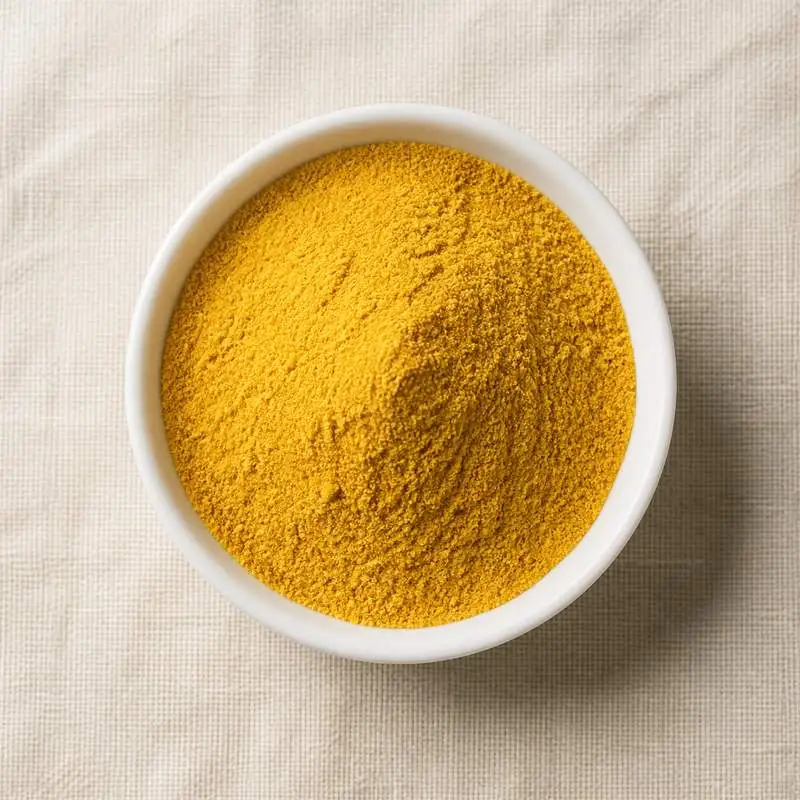
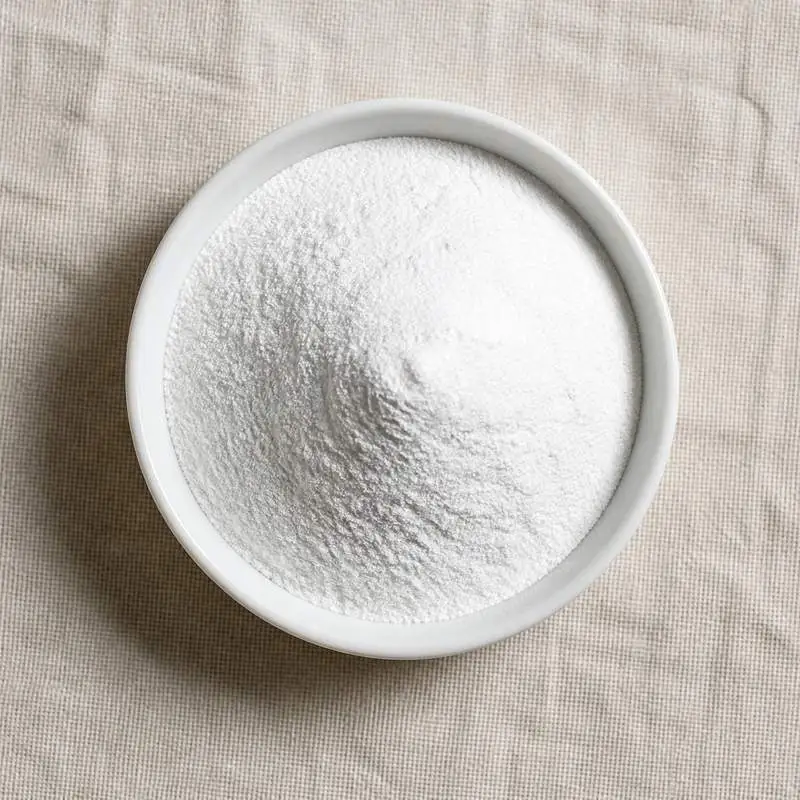
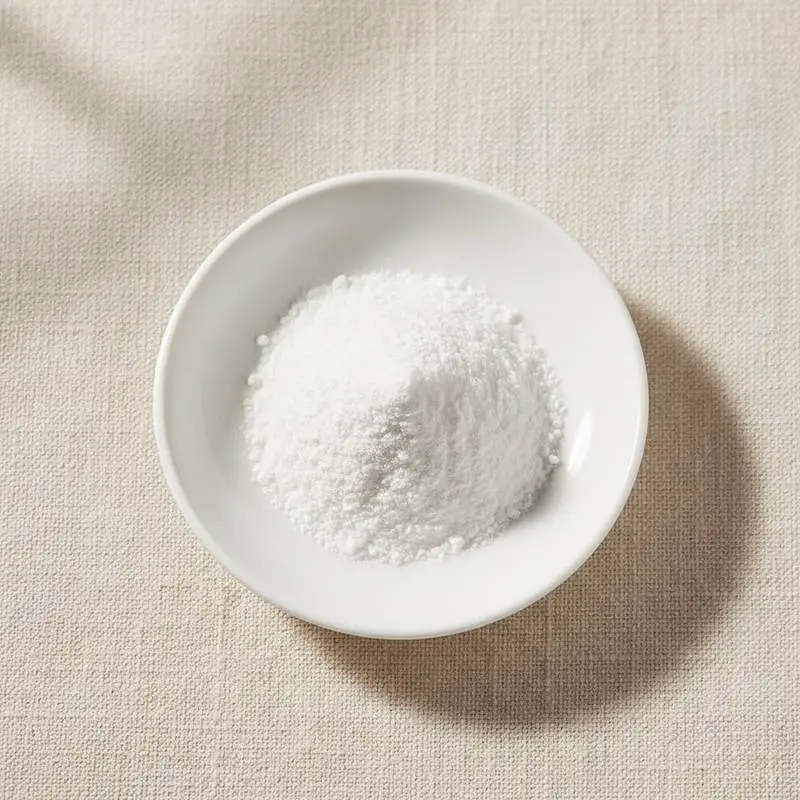
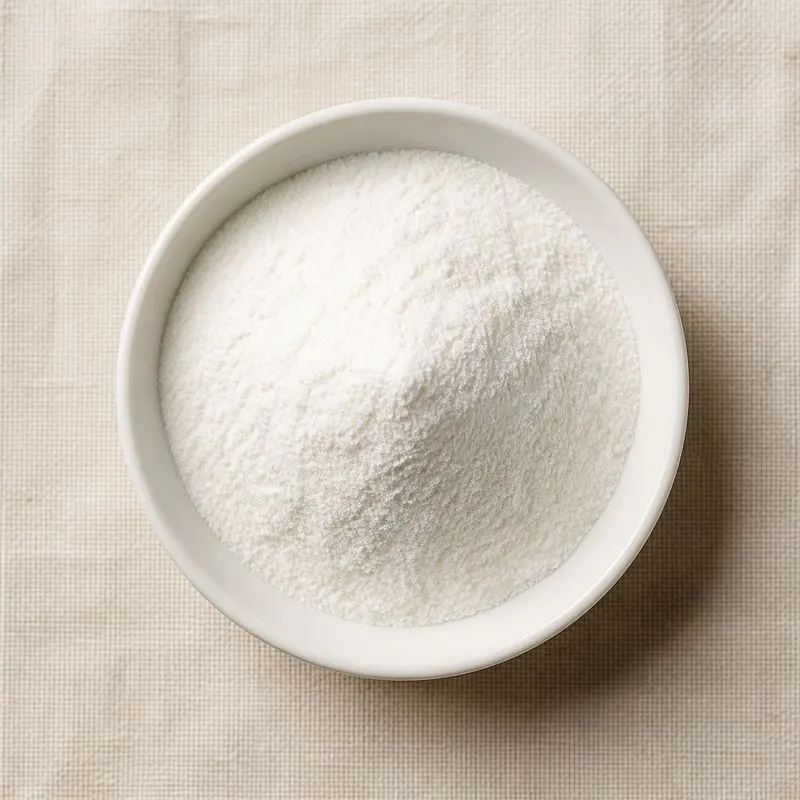
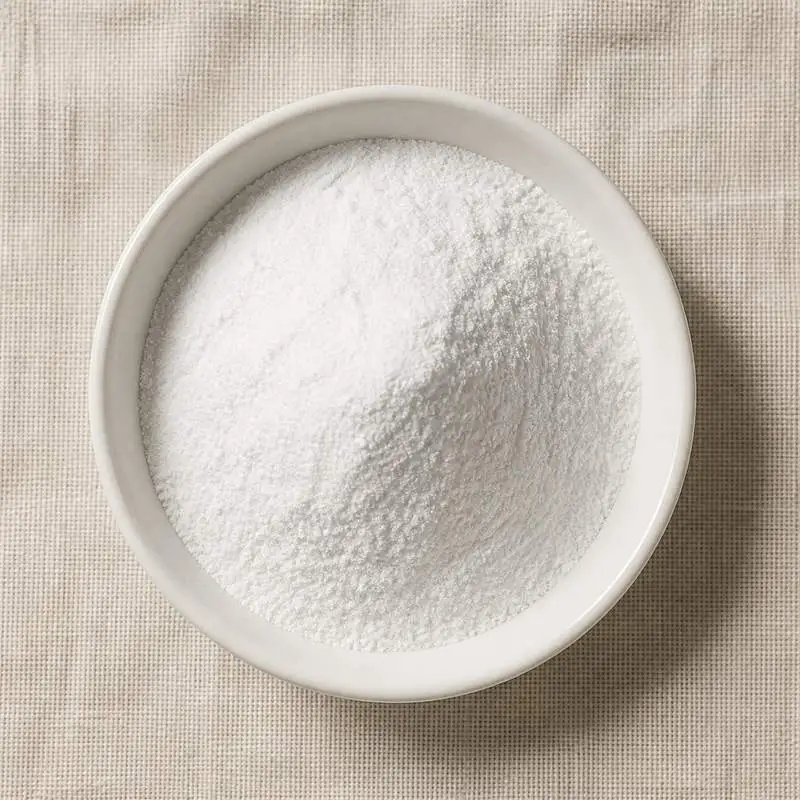
Commercial material is a white crystalline powder or flaky crystal with a faint acetic odour, freely soluble in water where it gives a mildly acidic solution around pH 6 to 7, and soluble in ethanol. The dihydrate effloresces slowly in dry air, losing water of crystallisation, and both forms take up moisture in humid conditions, so the salt is packed in sealed lined bags and handled in controlled humidity. In solution it precipitates as the hydroxide above about pH 7.5, which is the practical limit on formulating in neutral and alkaline systems.
We source bulk Zinc Acetate from top China manufacturers for our partners. The manufacturer is in Jiangsu. A smaller requirement can ship in a combined container with other ingredients.
Please send the grade you need, the volume and your destination port, and we will come back with a solution and a price.
or call +86-21-6858 0751
- Function
- Nutraceutical
Specifications
| Item | Specification |
|---|---|
| Appearance | White crystalline powder or flaky crystals |
| Odour | Faint acetic |
| Assay (as dihydrate, dried basis) | 98.0 to 102.0 percent |
| Identification | Positive for zinc and for acetate |
| Elemental Zinc | 29.0 to 30.5 percent |
| pH (5 percent solution) | 6.0 to 7.0 |
| Loss on Drying | Not more than 1.0 percent, anhydrous grade |
| Water Insoluble Matter | Not more than 0.05 percent |
| Chloride | Not more than 0.05 percent |
| Sulphate | Not more than 0.1 percent |
| Alkalinity or Free Acid | Conforms to monograph limit |
| Lead | Not more than 2 mg/kg |
| Cadmium | Not more than 1 mg/kg |
| Arsenic | Not more than 3 mg/kg |
| Iron | Not more than 50 mg/kg |
| Heavy Metals (as Pb) | Not more than 10 mg/kg |
Common Markets Grades
Three grades move commercially. Food and supplement grade conforms to the Food Chemicals Codex monograph for zinc acetate, assaying 98 to 102 percent as the dihydrate with limits on lead, cadmium and insoluble matter. Pharmaceutical grade conforms to the United States Pharmacopeia and European Pharmacopoeia monographs and carries tighter limits on related metals, chloride, sulphate and related substances, and is the grade used for capsules registered as medicines. Technical grade serves wood preservation, textile mordanting and catalyst applications and is not suitable for food use.
Within food grade, hydration state is the main selection point. The dihydrate is the standard traded form and is preferred where dissolution behaviour is the priority; the anhydrous salt is chosen for dry blends where water of crystallisation would cause caking or would react with a moisture sensitive co ingredient. Particle size runs from fine powder for capsule and sachet filling to granular grades that flow better on tabletting lines. Zinc content is normally declared on the certificate as elemental zinc alongside the salt assay, since formulators dose on the element rather than on the salt.
Applications
- Zinc lozenges for the common cold, where the salt dissolves in the mouth and releases free zinc ion in the throat
- Multivitamin and mineral supplements, supplying zinc in a soluble organic salt form
- Immune support formulations, since zinc is required for many immune cell functions
- Oral rehydration solutions for paediatric diarrhoea, where zinc supplementation is part of the standard protocol
- Clinical and enteral nutrition products requiring a defined zinc contribution
- Pharmaceutical preparations for maintenance therapy in Wilson disease, where oral zinc limits intestinal copper uptake
- Fortified beverages and powders, where solubility avoids the sediment produced by zinc oxide
- Oral care products such as mouthwashes and toothpastes, where zinc reduces volatile sulphur compounds
- Topical preparations for skin conditions, using the astringent and antimicrobial properties of the zinc ion
- Animal feed premixes, where organic zinc salts are used as trace mineral sources
Brands Using Zinc Acetate
Widely-distributed consumer products that list Zinc Acetate on the ingredient label.
Brand names, product names and logos are the property of their owners. They appear here as published evidence that the ingredient is used, taken from the brand's own label or website. Their appearance is not an endorsement, and it does not mean the brand buys from us or from any manufacturer listed on this site.
China Manufacturers of Zinc Acetate
Top Zinc Acetate manufacturers in China.

Company names and logos are the property of the manufacturers themselves. They are listed here because our own directory records them as producing this ingredient. A listing is not an endorsement by them, and we do not represent them or speak on their behalf.
Regulatory Status
In the United States zinc acetate is generally recognised as safe for use in food as a nutrient supplement and as a flavouring agent, and it is a permitted source of zinc for nutrient addition. It is also a pharmaceutical active with United States Pharmacopeia monographs, and zinc acetate capsules are an approved prescription treatment for Wilson disease, so the same salt sits in both the food and drug frameworks depending on presentation and claim.
In the European Union zinc acetate is listed among the permitted sources of zinc for use in food supplements and in the addition of vitamins and minerals to foods, and it is also authorised as a nutritional feed additive for animal nutrition. As a food additive it holds no E number in its own right; its permitted role is as a nutrient source rather than as a technological additive. A European Pharmacopoeia monograph exists for zinc acetate dihydrate. JECFA has evaluated zinc salts and Codex addresses zinc among the nutrients that may be added to foods, with national fortification rules and upper intake guidance setting the practical dose limits. Health claims relating zinc to normal immune function, cognitive function and other endpoints have been authorised in the European Union under the health claims regulation, subject to the conditions of use attached to each claim.
Manufacturing Process
The standard industrial route is direct neutralisation of acetic acid with a zinc source. Zinc oxide, zinc carbonate or high purity zinc metal is charged into a stirred glass lined or stainless reactor and acetic acid is metered in; the reaction is exothermic and is controlled by addition rate and jacket cooling. The endpoint is held slightly on the acid side, since an excess of zinc oxide leaves undissolved solids and an excess of acid raises the free acidity of the finished salt. Where zinc metal is used as the feedstock the reaction is slower and often assisted by a small amount of oxidant, but it gives a liquor low in the iron, lead and cadmium that accompany mineral derived zinc oxide.
The hot liquor is clarified by settling and filtration to remove unreacted solids, then treated to drop out heavy metals, commonly by raising pH slightly with a zinc source and by sulphide or activated carbon treatment, followed by polish filtration. Purified liquor is concentrated by vacuum evaporation and cooled under controlled agitation, so that zinc acetate dihydrate crystallises in the desired habit and size. Crystals are separated by centrifuge, washed with a small volume of chilled mother liquor or water, and dried at low temperature in a vacuum or fluid bed drier; the temperature is held low because heating the dihydrate too hard drives off water of crystallisation and can begin to decompose the acetate. Where anhydrous material is required, the dihydrate is dried further under vacuum. Dried product is milled or granulated, screened, passed over a magnet and safety sieve, and packed into lined bags in a humidity controlled room.