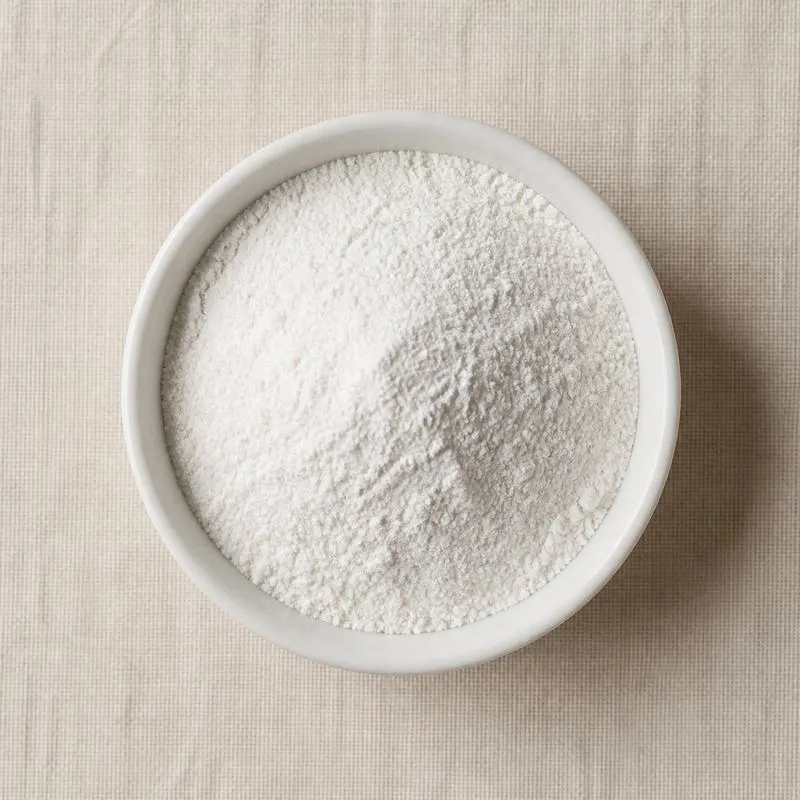
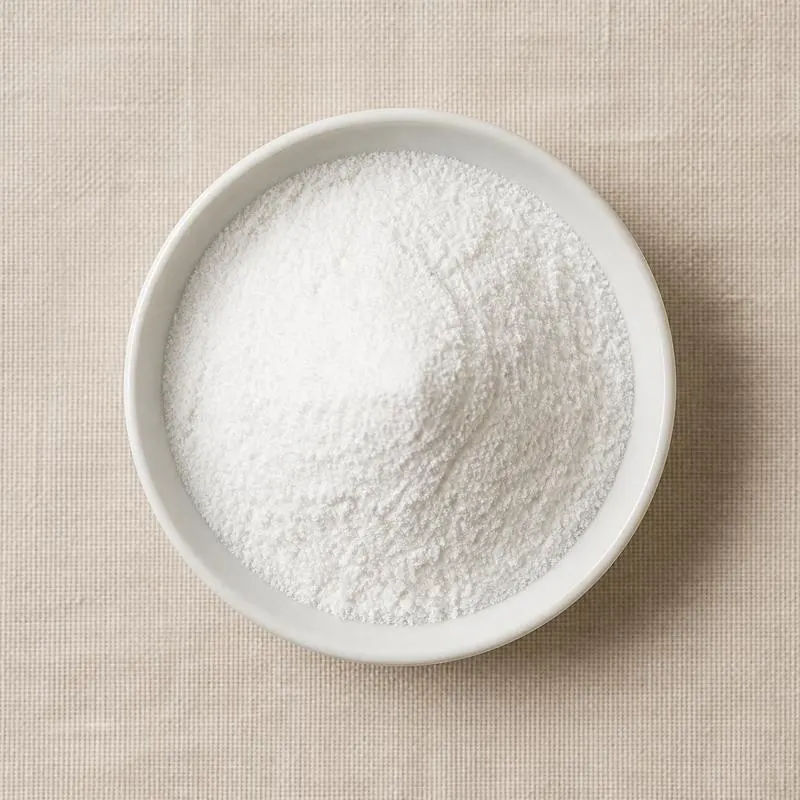
Zinc Citrate
Zinc Citrate is the zinc salt of citric acid, with the formula Zn3(C6H5O7)2 and CAS number 546-46-3. The anhydrous compound contains approximately 31 percent elemental zinc, sitting between zinc oxide and zinc gluconate on the mass-loading scale.
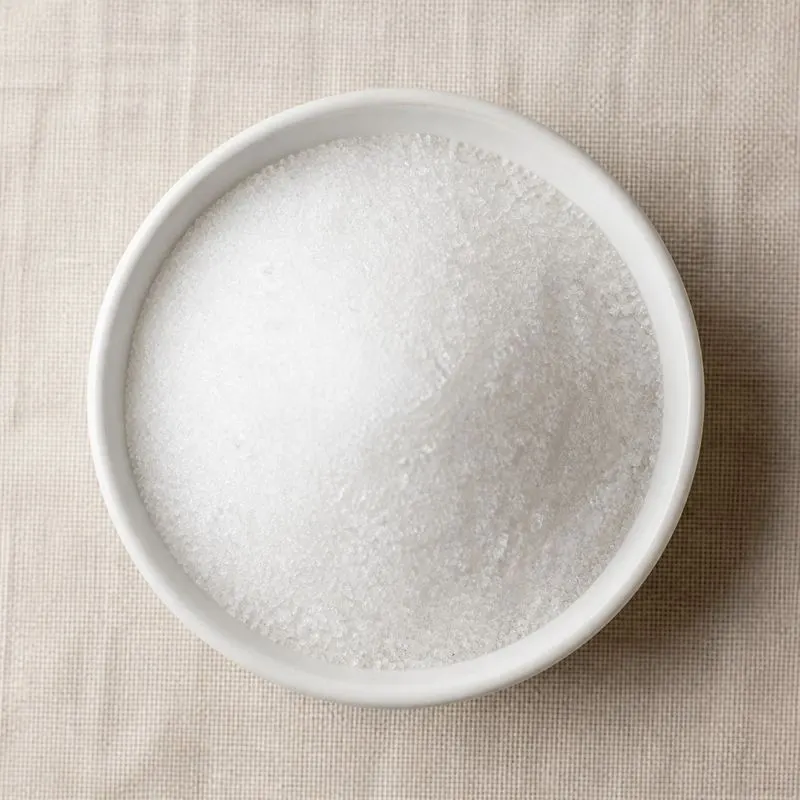
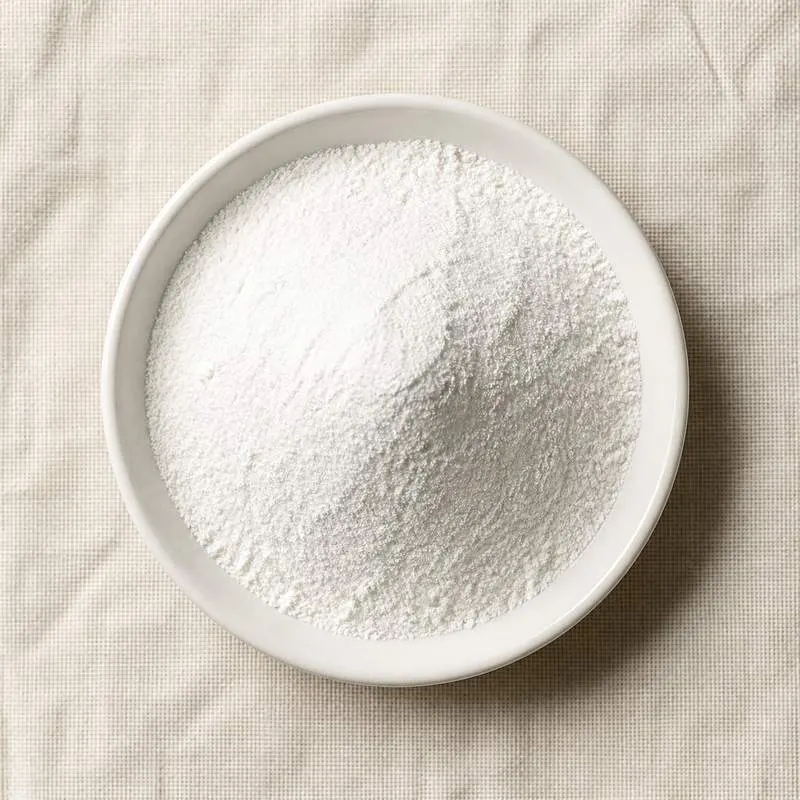
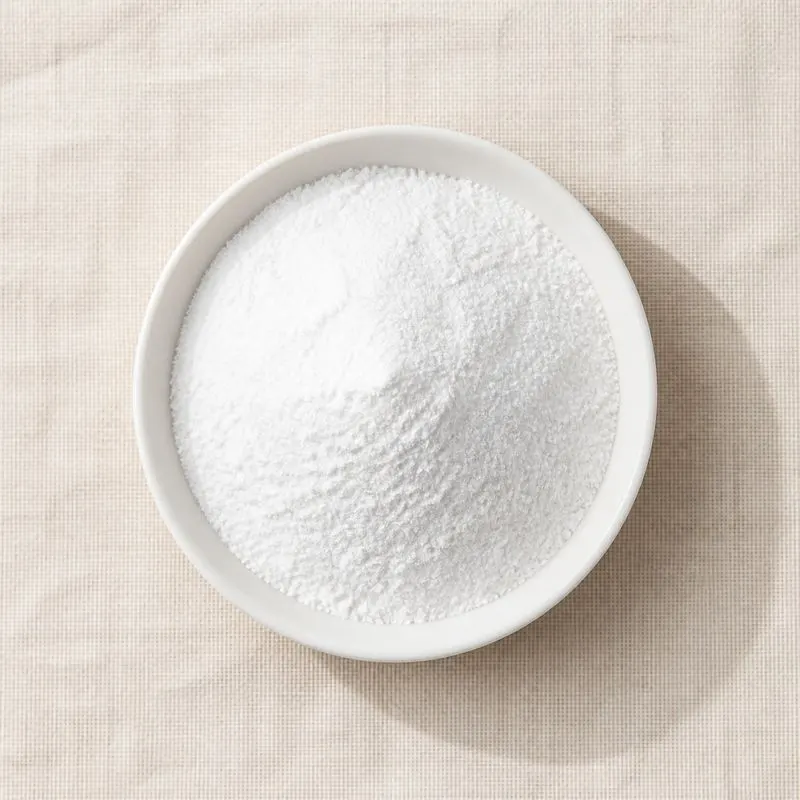
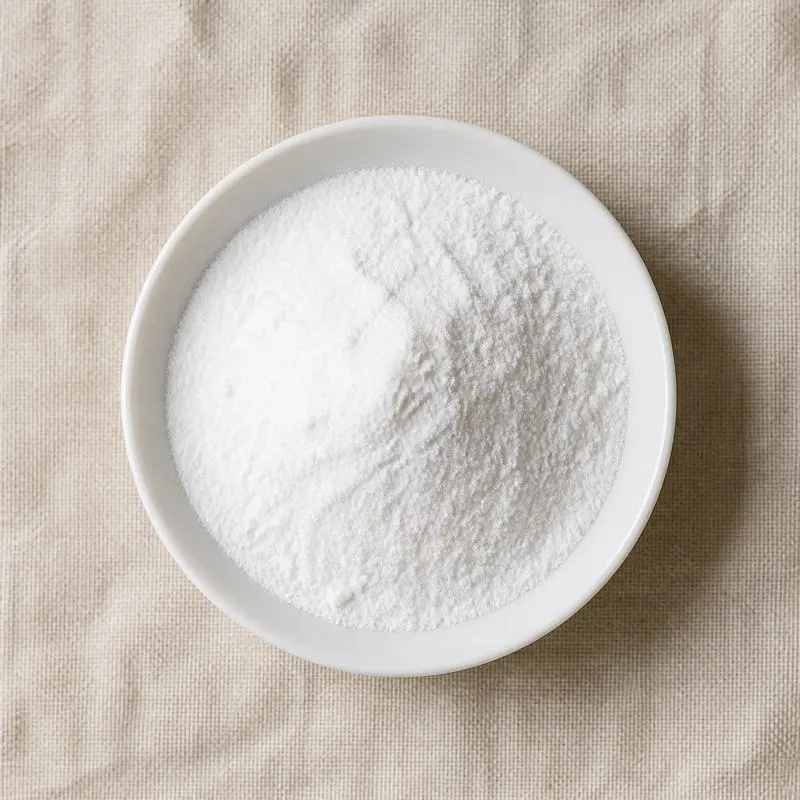
It is a white, almost odourless, crystalline powder with low solubility in pure water but ready solubility in mildly acidic solutions. The salt is widely used where moderate bioavailability, a clean taste, and compatibility with toothpaste matrices are needed at the same time.
We source bulk Zinc Citrate from top China manufacturers for our partners, working with several of them. The manufacturers are in Shandong, Jiangsu and Henan. A smaller requirement can ship in a combined container with other ingredients.
Please send the grade you need, the volume and your destination port, and we will come back with a solution and a price.
or call +86-21-6858 0751
- Packaging
- 25 kg kraft paper bag with PE inner liner
- ISO 9001
- HACCP
- Halal
- Kosher
Specifications
| Item | Specification |
|---|---|
| Appearance | White to off-white odorless fine powder |
| Assay (dry basis) | 97.0% to 102.0% |
| Zinc content | 30.0% to 34.0% (form-dependent) |
| Loss on drying (dihydrate) | 5.0% to 9.0% |
| pH (saturated solution) | 5.0 to 7.0 |
| Chloride | ≤ 0.05% |
| Sulfate | ≤ 0.1% |
| Cadmium | ≤ 1 mg/kg |
| Lead | ≤ 2 mg/kg |
| Arsenic | ≤ 2 mg/kg |
| Total plate count | ≤ 1000 CFU/g |
| Particle size | Per customer specification |
Common Markets Grades
Zinc Citrate exists in anhydrous, dihydrate, and trihydrate forms; this entry covers the general anhydrous specification.
USP and Ph. Eur. pharmaceutical grade runs at 97.0 to 102.0 percent assay, with controls on cadmium, lead, arsenic, and mercury that meet ICH Q3D elemental impurity limits for oral medicines.
Food and supplement grade conforms to FCC and is the dominant commercial spec for tablets, capsules, and gummies.
Oral-care grade is produced with tight particle-size distribution (typically D50 of 3 to 5 microns) to disperse evenly in toothpaste, give low abrasivity, and minimise grittiness during brushing.
Micronized and dust-suppressed variants exist for high-speed tablet compression lines.
Applications
- Oral zinc supplement tablets and capsules
- Pediatric and adult multivitamins, often paired with vitamin C and vitamin D
- Gummy supplements and chewable tablets
- Toothpaste as an anti-plaque, anti-calculus, and anti-malodor active
- Mouthwash and breath strips for volatile sulphur compound neutralisation
- Effervescent immune-support tablets
- Functional beverages and powdered drink mixes with mineral fortification
- Nutrition bars and meal replacement products
- Infant and toddler nutrition products (within permitted forms)
- Animal feed premixes for companion animals
- Topical cosmetic formulations for sebum control
Brands Using Zinc Citrate
Widely-distributed consumer products that list Zinc Citrate on the ingredient label.
- SolgarZinc Citrate 30 mg Vegetable Capsules ↗Solgar Zinc Citrate 30 mg supplies 30 mg elemental zinc per vegetable capsule from the citrate form for optimal absorption, supporting immune, skin and eye health.Label verified 2026-05-24
- Pure EncapsulationsZinc (citrate) 30 mg Capsules ↗Pure Encapsulations Zinc (citrate) provides 30 mg of highly absorbable elemental zinc as zinc citrate per vegetarian capsule for immune, collagen and tissue support.Label verified 2026-05-24
- Sensodyne (Haleon)Sensodyne Essential / Sensitivity & Gum Toothpaste ↗Sensodyne toothpastes (e.g. Essential, Sensitivity & Gum, Whitening) include zinc citrate as an anti-microbial ingredient that helps protect against plaque and tartar formation.Label verified 2026-05-24
- Colgate (Colgate-Palmolive)Colgate Total Advanced Health Toothpaste ↗Colgate Total Advanced Health toothpaste lists Zinc Citrate (alongside Zinc Oxide) in its formulation for whole-mouth bacterial control and gum protection.Label verified 2026-05-24
Brand names, product names and logos are the property of their owners. They appear here as published evidence that the ingredient is used, taken from the brand's own label or website. Their appearance is not an endorsement, and it does not mean the brand buys from us or from any manufacturer listed on this site.
China Manufacturers of Zinc Citrate
Top Zinc Citrate manufacturers in China.
 Jiangsu Weizhisheng Food Technology Co., Ltd.6 ingredients in the directory
- Natural Biological Group Co., Ltd.9 ingredients in the directory
 Nature Food Technology Co.;Ltd.12 ingredients in the directory
 Penglai Marine (Shandong) Co., Ltd.10 ingredients in the directory
 RZBC Group Co., Ltd.13 ingredients in the directory
 Zhengzhou Ruipu Biological Engineering Co., Ltd.7 ingredients in the directory
Company names and logos are the property of the manufacturers themselves. They are listed here because our own directory records them as producing this ingredient. A listing is not an endorsement by them, and we do not represent them or speak on their behalf.
How We Help Source Zinc Citrate
Direct Factory Sourcing
We run the whole process: selecting the manufacturer from the top Chinese food ingredient producers, negotiating the price, verifying quality, and coordinating the logistics. You deal with us instead of with several factories at once.
Original Packaging and Documents from the Manufacturer
The manufacturer sends your Zinc Citrate out of its own factory in the original packing, through to your destination port. The COA, COO, MSDS, TDS and any certifications reach you from the manufacturer as well.
Free Samples and Lead Time
We send 100 to 500 g free for your own laboratory to test and you cover only the courier, usually within 2 to 3 working days. ETD is usually within 7 to 15 days once the order is confirmed, and we check that date against the factory's own manufacturing schedule before we give it to you.
Combined Shipment
We can load Zinc Citrate together with other ingredients such as Sodium Acetate, Calcium Citrate and Sodium Lactate into one 20' FCL. If your quantity is small, we can also ship LCL.
Regulatory Status
Zinc Citrate is approved as a nutrient source across all major food regulatory frameworks.
The U.S. Food and Drug Administration recognises Zinc Citrate as GRAS for use as a nutrient. It also meets the requirements of 21 CFR 184.1033 for citrates as a generally permitted food ingredient.
The European Union authorises Zinc Citrate as a source of zinc for food supplements under Annex II of Directive 2002/46/EC and for fortified foods under Regulation (EC) No 1925/2006. It is also permitted in infant formula and follow-on formula under Regulation (EU) 2016/127.
JECFA has reviewed zinc citrate under its broader zinc compounds evaluation and considers it acceptable as a nutrient source.
Pharmacopoeial monographs appear in the United States Pharmacopeia (USP) and the European Pharmacopoeia (Ph. Eur.). Halal and Kosher certificates are routinely available because the production chain is non-animal-derived.
Manufacturing Process
Zinc Citrate is produced industrially by the controlled neutralisation of citric acid with a zinc source.
Citric acid (manufactured by submerged fermentation of glucose or sucrose with Aspergillus niger) is dissolved in deionized water to form a 20 to 30 percent solution. The solution is heated to 60 to 90 degrees Celsius.
High-purity zinc oxide or zinc carbonate is added slowly under agitation. Carbon dioxide evolves freely when zinc carbonate is used, supporting visual end-point control. The reaction is held until the slurry reaches the stoichiometric three-to-two molar ratio and the pH stabilises around 5.5 to 6.0.
The Zinc Citrate slurry is filtered, washed with deionized water, and dried under vacuum or in a fluidized bed. Drying temperature determines the final hydration state: above 130 degrees Celsius gives anhydrous material, mild drying yields the dihydrate, and ambient air drying retains the trihydrate.
The dried cake is milled, sieved, and blended to meet customer particle-size specifications.