Zinc Citrate Dihydrate
Zinc Citrate Dihydrate is the two-water hydrate of zinc citrate, with the formula Zn3(C6H5O7)2 2H2O. It carries the same CAS number as the parent compound (546-46-3) and contains approximately 30 percent elemental zinc.
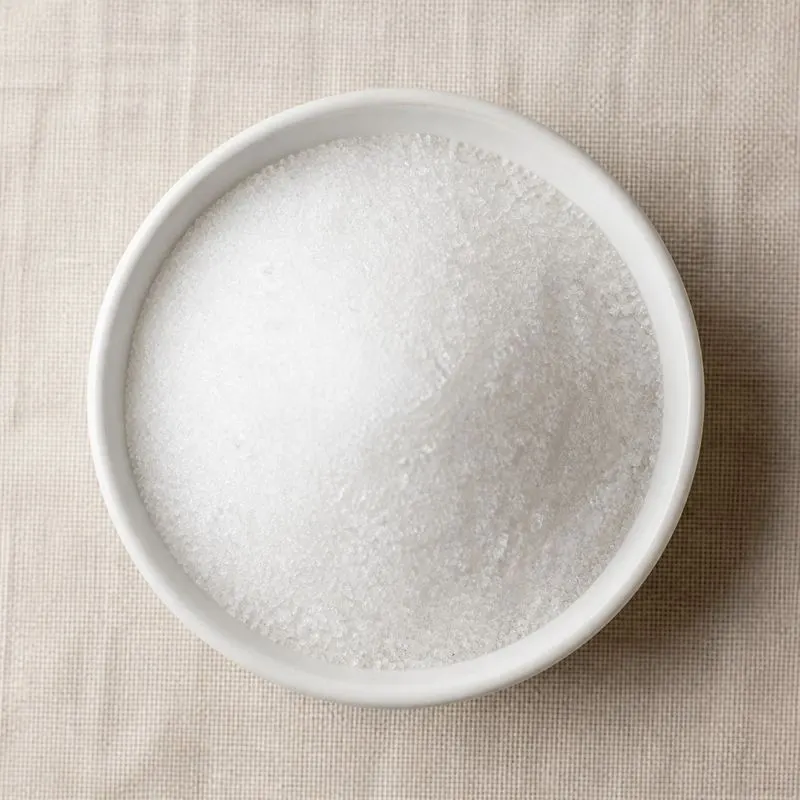
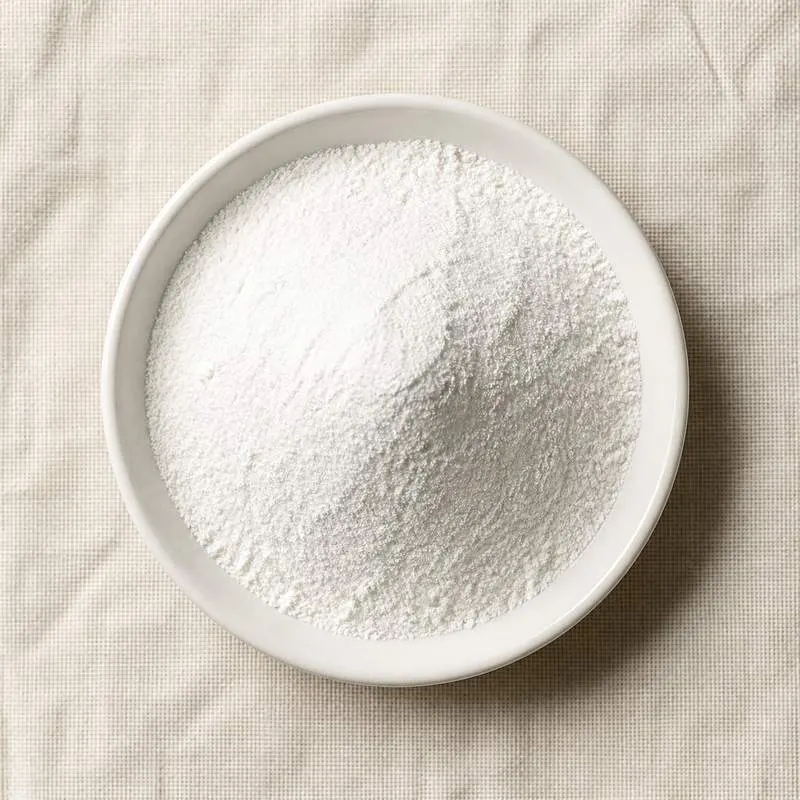
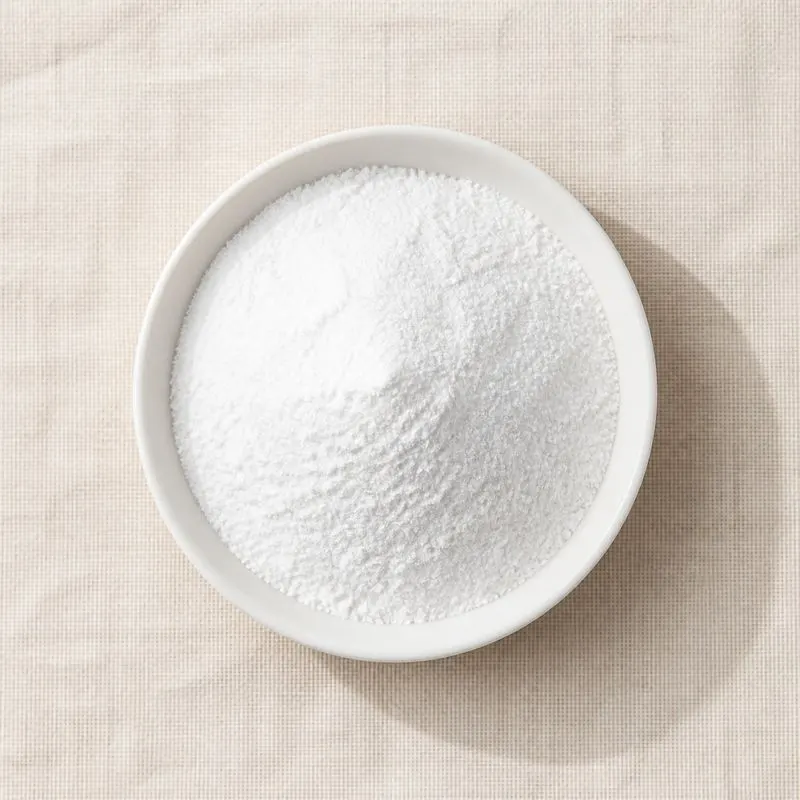
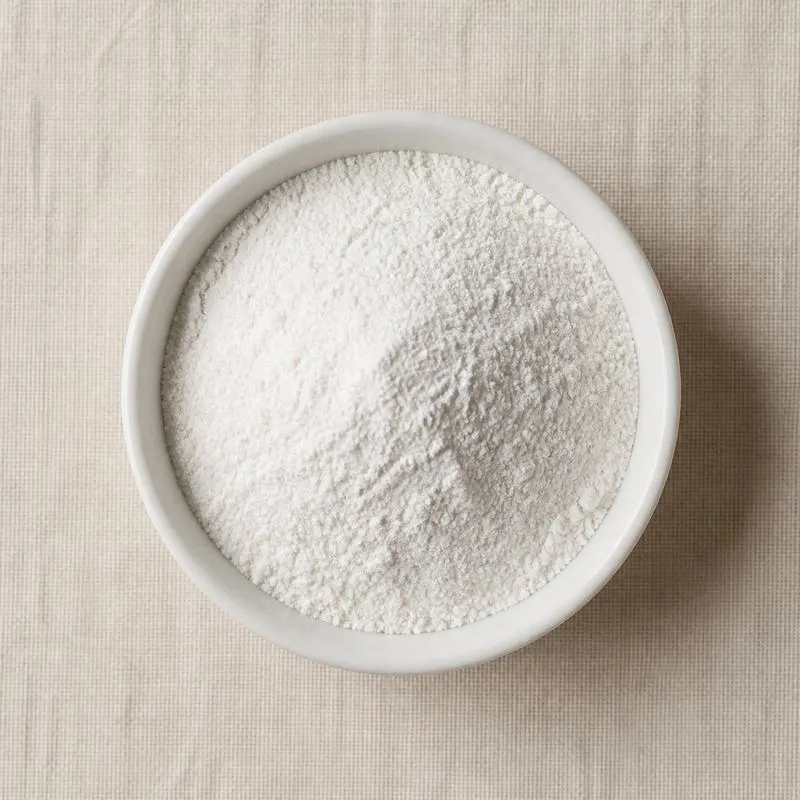
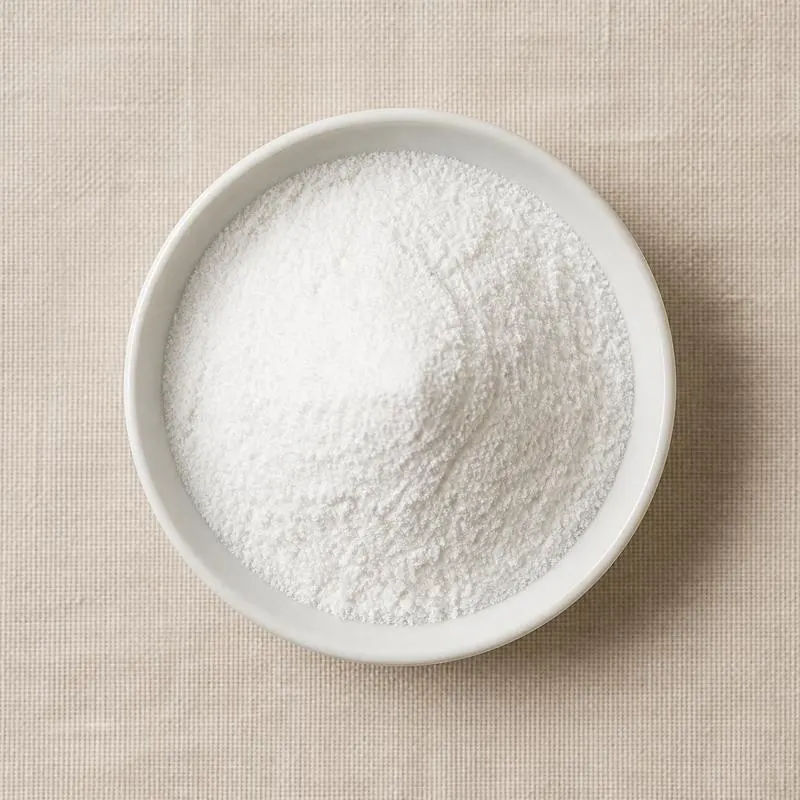
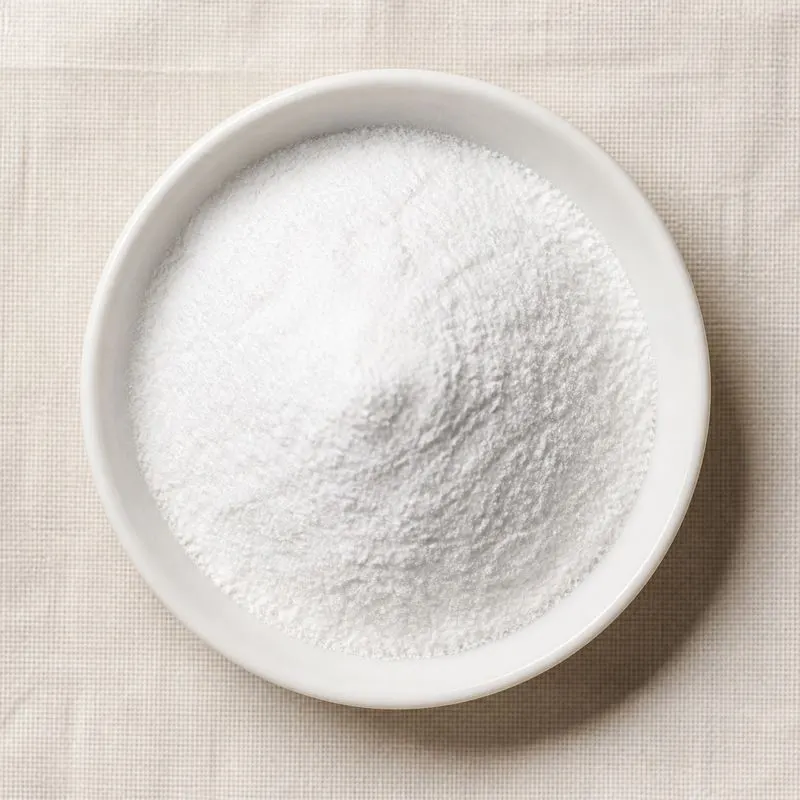
The dihydrate is the predominant pharmacopoeial reference form under the European Pharmacopoeia monograph for zinc citrate. It is a white crystalline powder, almost odourless, with a clean, slightly metallic taste profile.
We source bulk Zinc Citrate Dihydrate from top China manufacturers for our partners. The manufacturer is in Shandong. A smaller requirement can ship in a combined container with other ingredients.
Please send the grade you need, the volume and your destination port, and we will come back with a solution and a price.
or call +86-21-6858 0751
- Packaging
- 25 kg kraft paper bag with PE inner liner
- ISO 9001
- HACCP
- Halal
- Kosher
Specifications
| Item | Specification |
|---|---|
| Appearance | White to off-white crystalline powder, almost odourless |
| Identification | Conforms (zinc and citrate positive) |
| Assay (dried basis) | 97.0-100.5% |
| Zinc (Zn, as is) | 30.0-32.0% |
| Loss on Drying (150 °C) | 5.0-8.0% (two molecules of water) |
| Citrate (as citric acid, dried basis) | 63.0-68.0% |
| pH (5% aqueous suspension) | 4.0-6.0 |
| Chloride | ≤ 0.05% |
| Sulfate | ≤ 0.10% |
| Particle Size | 100% through 100 mesh; fine grades D50 3-5 microns |
| Heavy Metals (as Pb) | ≤ 10 mg/kg |
| Lead (Pb) | ≤ 2 mg/kg |
| Cadmium (Cd) | ≤ 1 mg/kg |
| Arsenic (As) | ≤ 3 mg/kg |
| Total Plate Count | ≤ 1,000 cfu/g |
Common Markets Grades
Zinc Citrate Dihydrate is differentiated primarily by particle size and downstream application.
Ph. Eur. pharmaceutical grade assays at 97.0 to 100.5 percent on the dried basis, with strict ICH Q3D limits for cadmium, lead, arsenic, and mercury. This grade is the standard for solid dosage manufacturing under European GMP.
Supplement grade conforms to FCC and comes in standard, fine, and ultra-fine particle distributions for tablets, capsules, and gummies.
Toothpaste grade is produced with controlled D50 in the 3 to 5 micron range to ensure smooth mouthfeel.
Direct-compression grade is roller-compacted or pre-granulated to provide consistent flow and tablet hardness on high-speed presses, important for high-Zn dose tablets.
The dihydrate is preferred over the trihydrate where lower water content is required for moisture-sensitive formulations such as effervescent tablets and chewing gums.
Applications
- Pharmaceutical zinc supplement tablets manufactured to Ph. Eur. specification
- Adult and pediatric multivitamin and multimineral tablets
- Effervescent immune-support tablets where low water content matters
- Chewing gums and lozenges for breath freshening
- Toothpaste anti-plaque and anti-malodor active
- Mouthwash and oral rinses
- Gummy supplements with controlled moisture release
- Functional food premixes for nutrition bars
- Infant and follow-on formula (within permitted forms)
- Clinical nutrition powders for wound healing and recovery
- Direct-compression mineral premixes
Brands Using Zinc Citrate Dihydrate
Widely-distributed consumer products that list Zinc Citrate Dihydrate on the ingredient label.
- ColgateTotal Advanced Health Toothpaste ↗Listed (inactive ingredients): 'Glycerin, Water, Hydrated Silica, Sodium Lauryl Sulfate, Arginine, Flavor, Zinc Oxide, Cellulose Gum, Titanium Dioxide, Poloxamer 407, Zinc Citrate, Tetrasodium Pyrophosphate, ...' Consumer labels list 'zinc citrate' without specifying hydrate form.Label verified 2026-05-25
- CrestPro-Health Gum Recession Toothpaste ↗Crest Pro-Health toothpastes list zinc citrate as an inactive ingredient on the official P&G SmartLabel page; functions as anti-calculus/antibacterial agent.Label verified 2026-05-25
Brand names, product names and logos are the property of their owners. They appear here as published evidence that the ingredient is used, taken from the brand's own label or website. Their appearance is not an endorsement, and it does not mean the brand buys from us or from any manufacturer listed on this site.
China Manufacturers of Zinc Citrate Dihydrate
Top Zinc Citrate Dihydrate manufacturers in China.

Company names and logos are the property of the manufacturers themselves. They are listed here because our own directory records them as producing this ingredient. A listing is not an endorsement by them, and we do not represent them or speak on their behalf.
How We Help Source Zinc Citrate Dihydrate
Direct Factory Sourcing
We run the whole process: selecting the manufacturer from the top Chinese food ingredient producers, negotiating the price, verifying quality, and coordinating the logistics. You deal with us instead of with several factories at once.
Original Packaging and Documents from the Manufacturer
The manufacturer sends your Zinc Citrate Dihydrate out of its own factory in the original packing, through to your destination port. The COA, COO, MSDS, TDS and any certifications reach you from the manufacturer as well.
Free Samples and Lead Time
We send 100 to 500 g free for your own laboratory to test and you cover only the courier, usually within 2 to 3 working days. ETD is usually within 7 to 15 days once the order is confirmed, and we check that date against the factory's own manufacturing schedule before we give it to you.
Combined Shipment
We can load Zinc Citrate Dihydrate together with other ingredients such as Sodium Acetate, Calcium Citrate and Sodium Lactate into one 20' FCL. If your quantity is small, we can also ship LCL.
Regulatory Status
Zinc Citrate Dihydrate falls within the same regulatory authorisations as the parent salt.
The European Pharmacopoeia (Ph. Eur.) monograph for Zinc Citrate explicitly covers the dihydrate, requiring loss-on-drying of 6.0 to 8.0 percent that corresponds to two molecules of water.
In the European Union Annex II of Directive 2002/46/EC permits the dihydrate as a source of zinc for food supplements, Regulation (EC) No 1925/2006 permits it in fortified foods, and Regulation (EU) 2016/127 permits it in infant nutrition.
The U.S. Food and Drug Administration recognises Zinc Citrate as GRAS for use as a nutrient.
JECFA has reviewed zinc citrate within its group evaluation of zinc compounds and considers it acceptable as a nutrient source.
Halal and Kosher certifications are routinely available. The production chain uses only mineral and fermentation-derived inputs.
Manufacturing Process
Zinc Citrate Dihydrate is produced by the same neutralisation chemistry as the parent salt, with drying conditions chosen to lock in the two-water hydration state.
Citric acid solution at 25 to 30 percent concentration is heated to 70 to 85 degrees Celsius. High-purity zinc oxide is added at the stoichiometric three-to-two molar ratio. The reaction is held with agitation until the slurry pH stabilises near 5.8 and visible zinc oxide is consumed.
The slurry is filtered hot, washed with deionized water, and dried under controlled conditions. The dihydrate is obtained by drying at 105 to 125 degrees Celsius until two equivalents of water remain bound. Thermogravimetric analysis is used to confirm the hydration state.
The dried material is milled to the customer particle size and quality-tested against Ph. Eur. or USP limits for cadmium, lead, mercury, arsenic, and residual nitrate.
The dihydrate is more compact than the trihydrate, supporting better tablet density and lower transportation cost per kilogram of zinc.