Acid Calcium Pyrophosphate
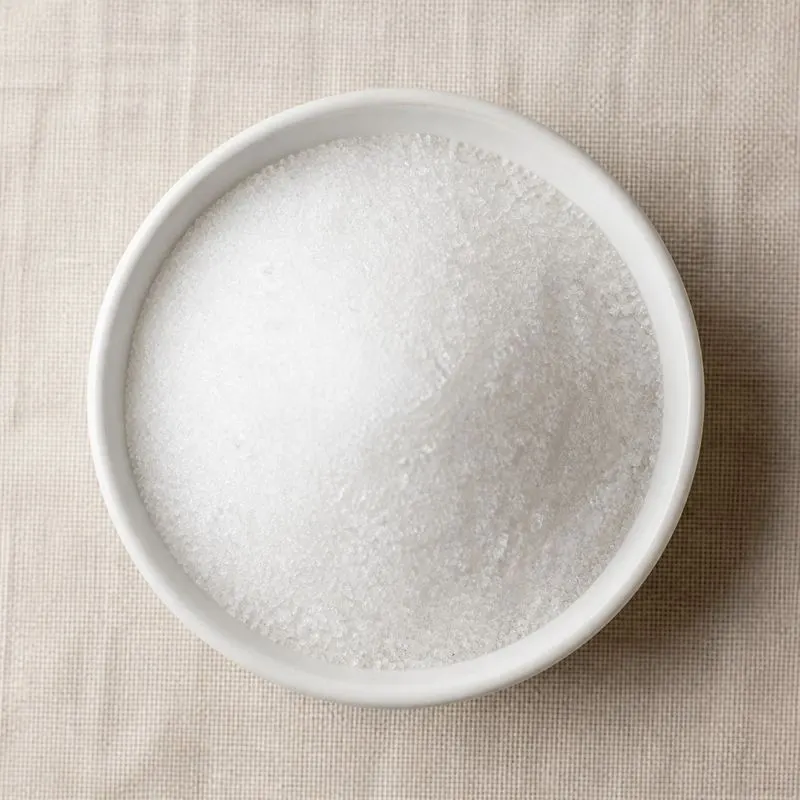
Acid Calcium Pyrophosphate is a calcium salt of pyrophosphoric acid that functions as a slow-acting leavening acid in specialized bakery applications.
The compound is a member of the broader pyrophosphate family, distinct from the more common sodium acid pyrophosphate (SAPP). It carries acidic protons on the pyrophosphate group while contributing calcium rather than sodium to the finished food.
We source bulk Acid Calcium Pyrophosphate from top China manufacturers for our partners. The manufacturers are in Jiangsu. A smaller requirement can ship in a combined container with other ingredients.
Please send the grade you need, the volume and your destination port, and we will come back with a solution and a price.
or call +86-21-6858 0751
- Packaging
- 25 kg kraft paper bag with PE inner liner
- ISO 9001
- HACCP
- Halal
- Kosher
Specifications
| Item | Specification |
|---|---|
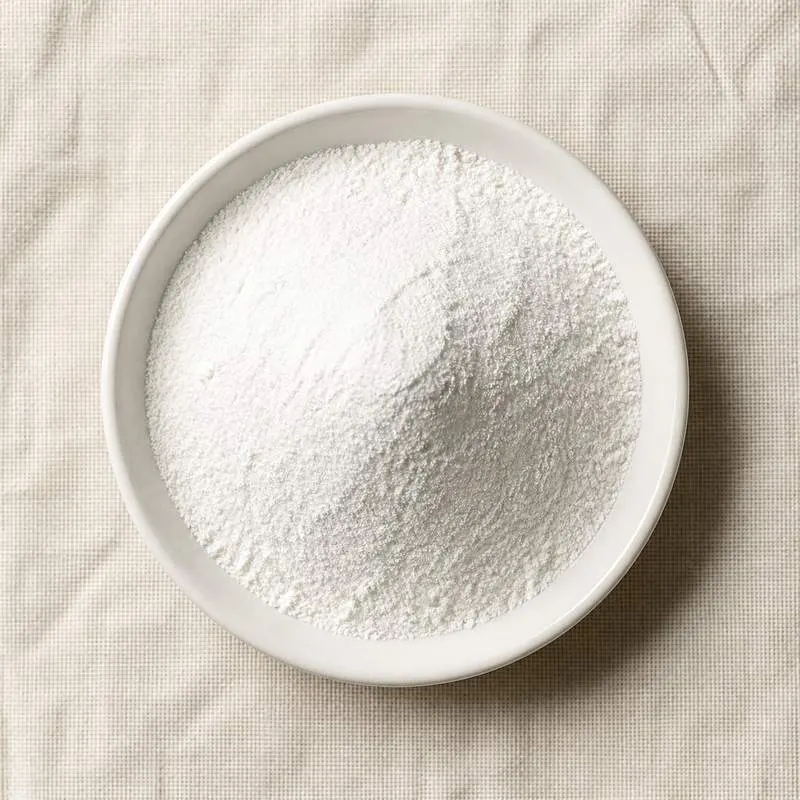
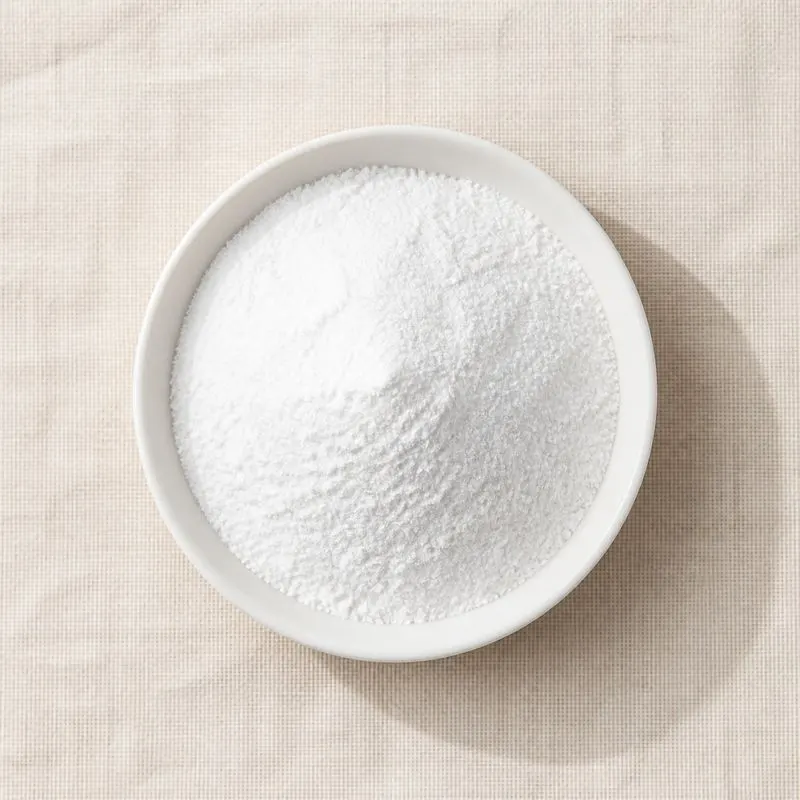
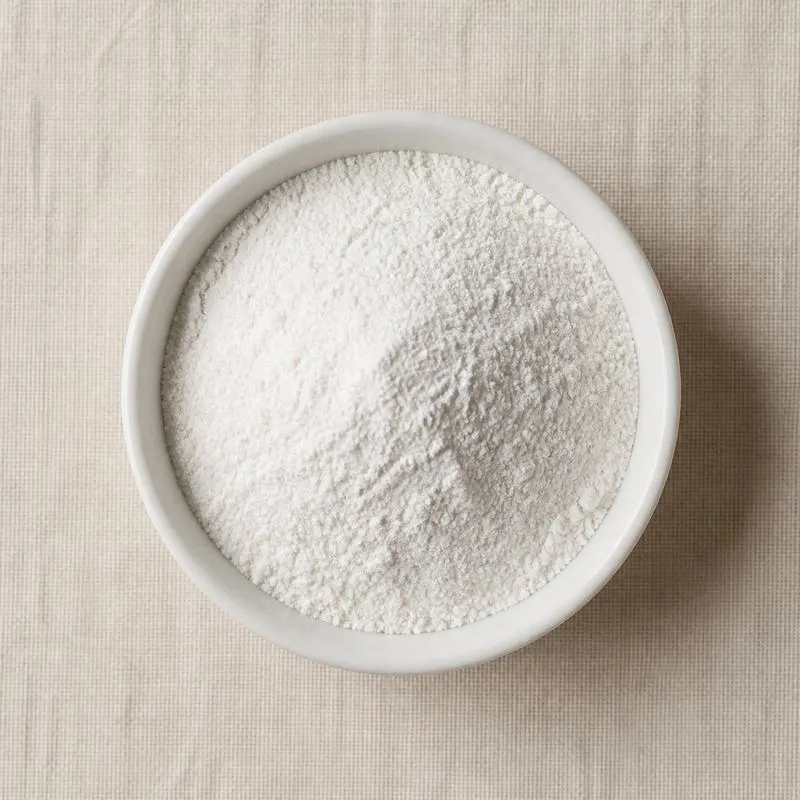
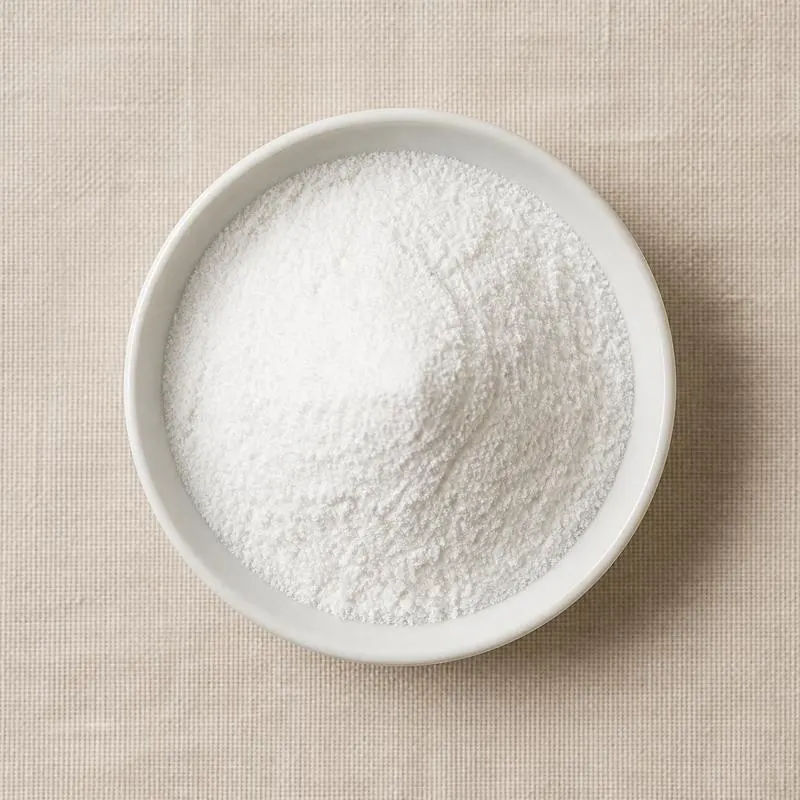
| Appearance | White fine free-flowing powder |
| Assay (as CaH₂P₂O₇) | ≥ 95.0% |
| Phosphorus (as P₂O₅) | 63.0-67.0% |
| Calcium (as CaO) | 24.0-27.0% |
| pH (1% aqueous slurry, 25 °C) | 3.0-4.5 |
| Neutralising Value | 95-105 |
| Dough Rate of Reaction (CO₂ released in 8 min at 27 °C) | ≤ 30% |
| Loss on Drying (105 °C, 4 h) | ≤ 1.0% |
| Water-Insoluble Matter | ≤ 0.5% |
| Particle Size (through 75 μm sieve) | ≥ 95% |
| Fluoride (as F) | ≤ 50 mg/kg |
| Heavy Metals (as Pb) | ≤ 10 mg/kg |
| Lead | ≤ 2 mg/kg |
| Arsenic | ≤ 3 mg/kg |
| Shelf Life | 24 months in unopened original packaging |
Common Markets Grades
Acid Calcium Pyrophosphate is a small-volume specialty ingredient with fewer grades than its sodium analogue.
The standard bakery grade is a fine, free-flowing white powder with a controlled reaction rate. Reaction profile is the key technical specification, expressed as the percent of carbon dioxide released at room temperature versus at oven temperature.
A low-sodium positioning grade is targeted at sodium-reduction bakery programs, where it can replace part or all of the SAPP normally used in cake doughnuts, refrigerated biscuit dough, and pancake mixes.
Particle size is engineered to match the dissolution requirement of the application. Coarser grades give slower release and are preferred where extended bench tolerance is needed; finer grades react more rapidly.
Food-grade material meets FCC and JECFA purity specifications, with controlled limits on fluorine, arsenic, lead, and other heavy metals.
Applications
- Slow-acting leavening acid in cake doughnuts and yeast-raised doughnut systems
- Refrigerated biscuit and roll dough where extended bench time before baking is required
- Pancake and waffle mixes with delayed gas release until the griddle
- Sodium-reduction reformulations replacing sodium acid pyrophosphate
- Frozen batter products where stable gas retention through the freeze-thaw cycle is needed
- Specialty cake mixes positioned on calcium fortification or low-sodium claims
- Self-rising flour blends targeting reduced-sodium bakery
- Industrial bakery premixes for muffins and quick breads
- Pizza dough and flatbread formulations with extended hold time
- Cookie and cracker doughs requiring controlled spread and rise
China Manufacturers of Acid Calcium Pyrophosphate
Top Acid Calcium Pyrophosphate manufacturers in China.
 Jiangsu Hens Food Technology Co., Ltd.11 ingredients in the directory
- Xuzhou Hens Phosphate Co., Ltd.11 ingredients in the directory
Company names and logos are the property of the manufacturers themselves. They are listed here because our own directory records them as producing this ingredient. A listing is not an endorsement by them, and we do not represent them or speak on their behalf.
How We Help Source Acid Calcium Pyrophosphate
Direct Factory Sourcing
We run the whole process: selecting the manufacturer from the top Chinese food ingredient producers, negotiating the price, verifying quality, and coordinating the logistics. You deal with us instead of with several factories at once.
Original Packaging and Documents from the Manufacturer
The manufacturer sends your Acid Calcium Pyrophosphate out of its own factory in the original packing, through to your destination port. The COA, COO, MSDS, TDS and any certifications reach you from the manufacturer as well.
Free Samples and Lead Time
We send 100 to 500 g free for your own laboratory to test and you cover only the courier, usually within 2 to 3 working days. ETD is usually within 7 to 15 days once the order is confirmed, and we check that date against the factory's own manufacturing schedule before we give it to you.
Combined Shipment
We can load Acid Calcium Pyrophosphate together with other ingredients such as Sodium Acetate, Calcium Citrate and Sodium Lactate into one 20' FCL. If your quantity is small, we can also ship LCL.
Regulatory Status
Acid Calcium Pyrophosphate falls within the broader pyrophosphate group of food additives.
In the European Union, calcium pyrophosphate salts are listed within the diphosphates group under E number E450, alongside the more common sodium and potassium variants. Sub-numbering identifies the specific salt; calcium diphosphates appear as E450(vi) and E450(vii).
The U.S. Food and Drug Administration permits calcium pyrophosphate as a leavening agent under 21 CFR food-additive listings, with GRAS recognition for use in bakery products at levels consistent with good manufacturing practice.
JECFA has evaluated calcium diphosphates within the group MTDI established for phosphate additives.
Pharmacopoeial monographs do not typically cover this material because its use is essentially confined to food. Halal and Kosher certifications exist for mineral-source product.
Manufacturing Process
Acid Calcium Pyrophosphate is produced by controlled thermal condensation of an acidic calcium orthophosphate.
The starting material is typically monocalcium phosphate monohydrate. The crystal is heated under carefully managed conditions to drive off the water of crystallisation and to dehydrate two orthophosphate groups into a single pyrophosphate linkage. Reaction temperature, residence time, and atmosphere all influence the final pyrophosphate-to-orthophosphate ratio and the acid reaction profile.
The condensed product is cooled, milled to the target particle size, and screened. Surface treatment with a thin coating of a slowly soluble agent is sometimes applied to delay reaction in cold dough.
An alternative route precipitates the salt directly from pyrophosphoric acid and a calcium hydroxide slurry under controlled pH. This wet-chemical route gives tighter control over the pyrophosphate purity but at higher cost.
Final material is packaged in moisture-barrier bags to preserve the engineered reaction rate, which can drift if the powder absorbs water during storage.