Amla Extract
Amla extract is a botanical concentrate prepared from the fruit of Phyllanthus emblica, the Indian gooseberry, a deciduous tree of the Phyllanthaceae family cultivated across India, Southeast Asia and southern China. The fruit is one of the richest plant sources of ascorbic acid and of low molecular weight hydrolysable tannins, and the extract is valued for both.
The characteristic markers are emblicanin A and emblicanin B, together with punigluconin, pedunculagin, gallic acid and ellagic acid, all gallotannin or ellagitannin structures that account for the extract's strong radical scavenging behaviour. Ascorbic acid is present in the fruit but is largely degraded by conventional hot processing, so most commercial extracts are standardised on tannins rather than on vitamin C unless the process has been designed to protect it.
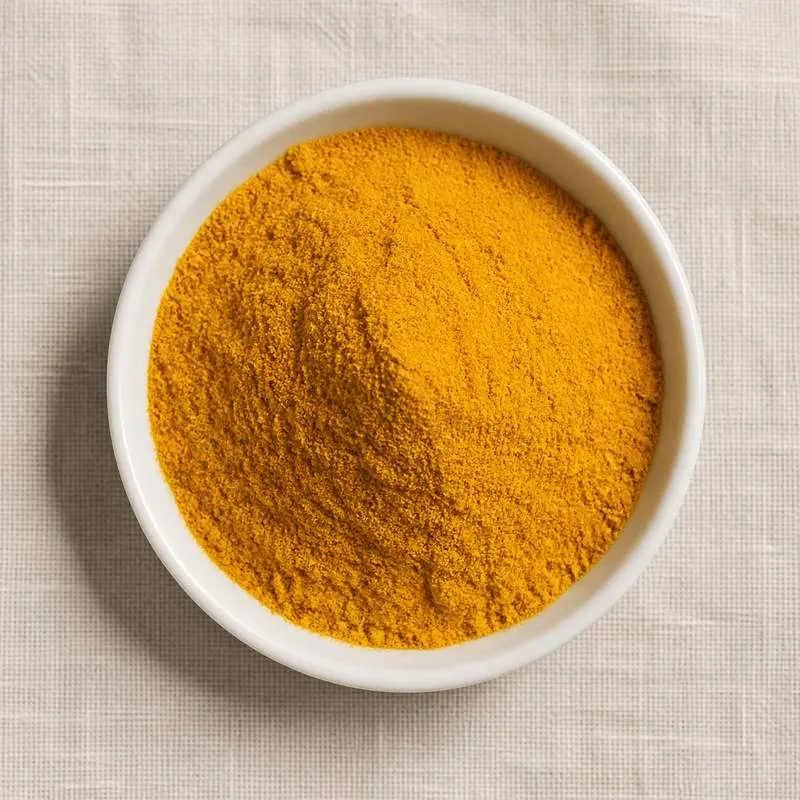
The material is a fine, free flowing powder ranging from light tan to reddish brown depending on tannin load and drying route. It is freely soluble in water and in dilute ethanol, gives an acidic solution, and darkens on exposure to alkali, heat or iron. That behaviour decides both the equipment used to handle it and the pH window of the products it is formulated into.
or call +86-21-6858 0751
- Function
- Plant extract
Specifications
| Item | Specification |
|---|---|
| Appearance | Light tan to reddish brown fine powder |
| Odour and Taste | Characteristic fruity, sour and astringent |
| Identification | HPLC and TLC conforming to Phyllanthus emblica reference |
| Total Tannins | ≥ 40.0% (UV, expressed as tannic acid) |
| Gallic Acid | ≥ 5.0% (HPLC) |
| Particle Size | ≥ 95% through 80 mesh |
| Loss on Drying | ≤ 5.0% |
| Total Ash | ≤ 5.0% |
| pH (1% solution) | 3.0 to 4.5 |
| Residual Ethanol | ≤ 0.5% |
| Heavy Metals (as Pb) | ≤ 10 mg/kg |
| Lead | ≤ 2.0 mg/kg |
| Arsenic | ≤ 1.0 mg/kg |
| Total Plate Count | ≤ 10,000 cfu/g |
| Yeast and Mould | ≤ 500 cfu/g |
| Escherichia coli | Negative in 1 g |
| Salmonella | Negative in 25 g |
Common Markets Grades
The reference specifications are water extracts standardised to total tannins by titration or spectrophotometry, most commonly at 30, 40 and 50 percent. A gallic acid standardised grade, typically declared at 5 to 10 percent by HPLC, is traded alongside these where a defined single marker is required. Ratio extracts of 4:1 and 10:1 without a tannin claim occupy the lower end of the market and are used where the fruit itself, rather than a standardised active, is the point.
Beyond assay, grades are separated by carrier and by particle size. Carrier free extracts and maltodextrin carried spray dried powders both trade, along with 80 mesh and 100 mesh material and a granulated version for direct compression. Organic certified lots are widely available, since much of the fruit supply is from managed orchards that are straightforward to certify. A dried whole fruit powder is also sold under the same commercial heading, and it should not be confused with a standardised extract, since its tannin content is a fraction of the extract's.
Applications
- Capsule and tablet supplements, where the standardised tannin grade is dosed as a plant antioxidant and the acidic powder compresses well
- Ayurvedic formulations such as triphala and chyawanprash, in which amla is the principal fruit component
- Functional beverages and shots, where the extract dissolves without haze but must be held below neutral pH to prevent browning
- Herbal infusion and instant tea blends, contributing a tart astringency alongside the botanical claim
- Hair care preparations, both oil infusions and rinse off systems, where amla has a long established position
- Skin care serums and creams, used for its polyphenol content and typically added to the cool down phase
- Oral care products including toothpastes and mouth rinses, where the tannins contribute an astringent mouthfeel
- Fruit powder blends and greens formulas, where amla raises the total polyphenol figure of the mix
- Animal feed premixes, used in poultry and aquaculture as a plant derived antioxidant
Brands Using Amla Extract
Widely-distributed consumer products that list Amla Extract on the ingredient label.
- CodeageMulti Collagen+ ↗A collagen capsule whose formula includes organic amla berry extract (Phyllanthus emblica) alongside hyaluronic acid and BioPerine black pepper extract.Label verified 2026-08-31
- Moon JuiceBeauty Dust ↗A powdered adaptogen blend whose ingredient list names organic amla berry extract along with goji, schisandra, rehmannia and ashwagandha.Label verified 2026-08-31
Brand names, product names and logos are the property of their owners. They appear here as published evidence that the ingredient is used, taken from the brand's own label or website. Their appearance is not an endorsement, and it does not mean the brand buys from us or from any manufacturer listed on this site.
Regulatory Status
In the United States, Phyllanthus emblica fruit and its preparations are used as dietary ingredients under the Dietary Supplement Health and Education Act, with finished products manufactured under 21 CFR Part 111. Amla is also used as a food flavouring, and fruit extracts of this type are covered by the flavouring provisions rather than by a specific food additive listing. Several commercial amla extract preparations have been the subject of self affirmed generally recognised as safe determinations for defined food uses.
In the European Union the extract is regulated as a food or food supplement ingredient. Amla fruit has a history of consumption in the Union sufficient that standard water and ethanol extracts are not generally treated as novel foods, though a preparation made by an unusual process or concentrated to an atypical composition can fall within the novel food regulation and requires assessment. No E number applies, since the material is not authorised as a food additive. Codex has no commodity standard for amla extract and JECFA has not issued an additive specification for it.
Manufacturing Process
Fresh fruit is washed, destoned and either pulped for immediate processing or dried to a stable intermediate. The pulp or dried fruit is extracted with water, or with ethanol at low concentration where a broader polyphenol profile is wanted, in a counter current or multi stage batch system. Extraction temperature is held moderate, since the ellagitannins hydrolyse and the residual ascorbic acid degrades under prolonged heat.
The extract liquor is separated from the marc by decanting and filtration, then clarified through a plate filter or a ceramic membrane to remove pectin and fine solids. Where a defined tannin figure is required, the clarified liquor is passed over a macroporous adsorption resin, washed to remove sugars and organic acids, and eluted with aqueous ethanol. The eluate is concentrated under vacuum at low temperature, the solvent is recovered, and the concentrate is spray dried, with or without maltodextrin, into a free flowing powder. The dried powder is sieved, blended to a uniform assay and packed in food grade liners inside fibre drums.