Apple Polyphenol Extract
Apple polyphenol extract is a concentrated preparation of the phenolic fraction of Malus domestica fruit, produced mainly from unripe apples and from the pomace left after juicing. The phenolic fraction is dominated by oligomeric procyanidins built from catechin and epicatechin units, alongside chlorogenic acid, phloridzin and its aglycone phloretin, and small quantities of quercetin glycosides.
Functionally the extract acts as a plant antioxidant and as a colour and flavour modifier. Procyanidins bind proteins, which gives the material a distinctly astringent mouthfeel and makes it useful where a drying sensation is wanted, and they scavenge radicals, which is the basis of its use in oxidation sensitive systems. Phloridzin is the marker most often used to confirm apple origin, since it occurs in few other food plants.
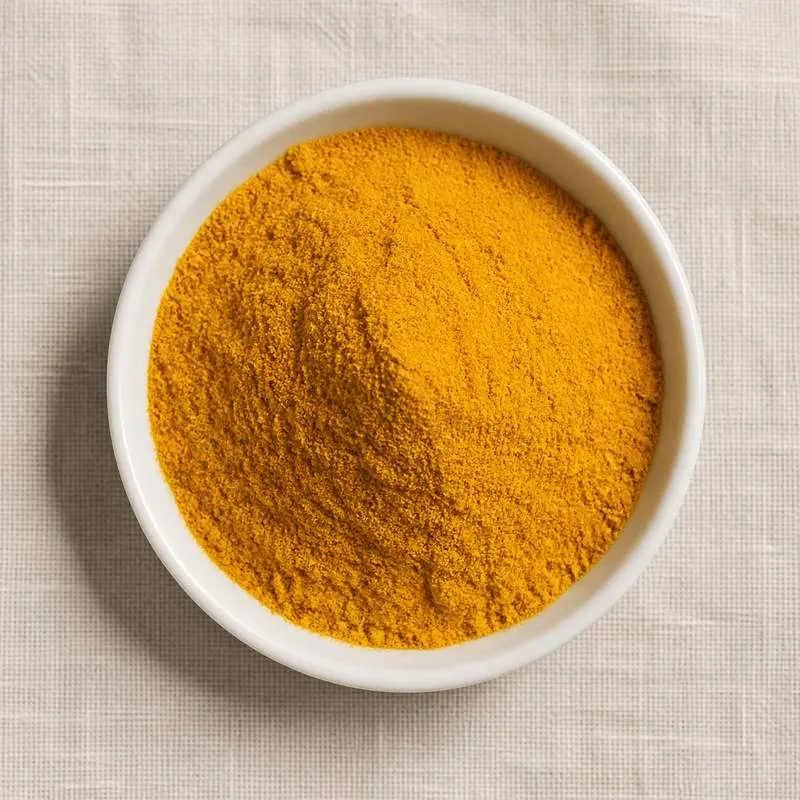
The commercial form is a fine powder ranging from off white through pale tan to light brown, with darker material indicating either higher procyanidin loading or more oxidation during processing. It is soluble in water and in aqueous ethanol, stable in acid, and progressively degraded above neutral pH and at sustained high temperature, so it is added late in a process and held on the acid side.
We source bulk Apple Polyphenol Extract from top China manufacturers for our partners. The manufacturer is in Beijing. A smaller requirement can ship in a combined container with other ingredients.
Please send the grade you need, the volume and your destination port, and we will come back with a solution and a price.
or call +86-21-6858 0751
- Function
- Plant extract
Specifications
| Item | Specification |
|---|---|
| Appearance | Off white to light brown fine powder |
| Odour and Taste | Faint fruity odour, astringent taste |
| Identification | HPLC profile showing phloridzin and procyanidin B2 |
| Total Polyphenols | ≥ 70.0% (UV, Folin, as catechin) |
| Procyanidins | ≥ 40.0% (HPLC) |
| Phloridzin | ≥ 2.0% (HPLC) |
| Particle Size | ≥ 95% through 80 mesh |
| Loss on Drying | ≤ 5.0% |
| Sulphated Ash | ≤ 3.0% |
| pH (1% solution) | 3.5 to 5.5 |
| Residual Ethanol | ≤ 0.5% |
| Lead | ≤ 2.0 mg/kg |
| Arsenic | ≤ 1.0 mg/kg |
| Total Plate Count | ≤ 5,000 cfu/g |
| Yeast and Mould | ≤ 100 cfu/g |
| Escherichia coli | Negative in 1 g |
| Salmonella | Negative in 25 g |
Common Markets Grades
Grades are defined by total polyphenol content measured by the Folin method and by the procyanidin figure. Common specifications are 40, 50, 70, 80 and 98 percent total polyphenols, with the higher figures produced by resin purification and the lower ones by simple concentration on a carrier. Within a given total polyphenol figure, the procyanidin content is quoted separately, typically 40 to 70 percent of the total, because it drives both the astringency and the antioxidant performance.
A phloridzin standardised grade at 5, 10 or 90 percent is traded for applications where that single compound is the point rather than the whole phenolic profile. Carrier free spray dried powder and maltodextrin carried powder are both offered, in 80 and 100 mesh cuts, and a decolourised grade produced with additional adsorption and washing is available where the light brown cast of the standard material would be visible in the finished product. Organic certified lots are made from certified pomace and unripe fruit.
Applications
- Capsule and tablet supplements, where the standardised procyanidin grade is dosed as a fruit derived antioxidant
- Functional beverages and sports drinks held below pH 4, where the extract dissolves cleanly and contributes a light astringency
- Oil and fat containing foods such as fried snacks and baked goods, used as a plant antioxidant to slow the development of rancid notes
- Meat and fish products, where the phenolics slow lipid oxidation and the associated warmed over flavour in cooked and chilled items
- Fruit preparations and juices, where added procyanidins reinforce the natural astringency lost in clarification
- Chewing gum and confectionery, using the extract for a dry, clean finish and for breath related claims
- Skin care emulsions and serums, added to the cool down phase for its polyphenol content
- Oral care formulations, where procyanidins bind salivary proteins and contribute an astringent mouthfeel
- Animal feed and pet food premixes, applied as a natural antioxidant in fat coated products
China Manufacturers of Apple Polyphenol Extract
Top Apple Polyphenol Extract manufacturers in China.

Company names and logos are the property of the manufacturers themselves. They are listed here because our own directory records them as producing this ingredient. A listing is not an endorsement by them, and we do not represent them or speak on their behalf.
Regulatory Status
In the United States, apple polyphenol preparations are used as dietary ingredients under the Dietary Supplement Health and Education Act, and finished supplements are made under 21 CFR Part 111. Specific apple polyphenol extracts have been the subject of generally recognised as safe notifications to the Food and Drug Administration for defined food and beverage uses, and the agency responded without objection to those notifications. Apple extracts also fall within the flavouring provisions where they are used at flavour level.
In the European Union the extract is a food or food supplement ingredient rather than an authorised food additive, so it carries no E number. Preparations made by conventional aqueous or ethanolic extraction from apple fruit or pomace draw on a history of consumption in the Union, while extracts concentrated to an unusual composition or made by an unusual process fall within the scope of the novel food regulation and require assessment before marketing. Codex has no commodity standard for apple polyphenol extract and JECFA has issued no additive specification for it.
Manufacturing Process
The starting material is unripe apple, thinned from orchards before the fruit sets sugar, or wet pomace from a juice plant, which retains most of the fruit's phenolics in the skin and seed fraction. The raw material is milled and extracted with hot water or with aqueous ethanol, ethanol giving a higher recovery of the larger procyanidins. Extraction is run under conditions that limit contact with air and with polyphenol oxidase from the fruit, since enzymatic browning at this stage darkens the finished powder and lowers the assay.
The liquor is separated from the spent solids, clarified by centrifugation and membrane filtration, and loaded onto a macroporous adsorption resin. Sugars, organic acids and pectin pass through in the water wash, and the phenolics are recovered with aqueous ethanol. The eluate is concentrated under vacuum with solvent recovery, then spray dried, alone for a carrier free powder or with maltodextrin where a lower assay and better flow are wanted. The powder is sieved, blended to a uniform assay and packed in food grade liners inside fibre drums.