Apple Polyphenols
Apple polyphenols are the family of phenolic compounds that occur naturally in the fruit of Malus domestica and are recovered from it as a food ingredient. The group covers four structural classes: flavan 3 ols, meaning catechin, epicatechin and the procyanidin oligomers they form; hydroxycinnamic acids, chiefly chlorogenic acid; dihydrochalcones, of which phloridzin and phloretin are effectively unique to apple; and flavonol glycosides based on quercetin, concentrated almost entirely in the peel.
Their function in food is twofold. As electron donors they interrupt lipid oxidation chains, which is why they are dosed into fat containing products as a plant derived antioxidant. As protein binding agents they produce the puckering astringency of unripe fruit, a mouthfeel effect that beverages and confectionery use deliberately.
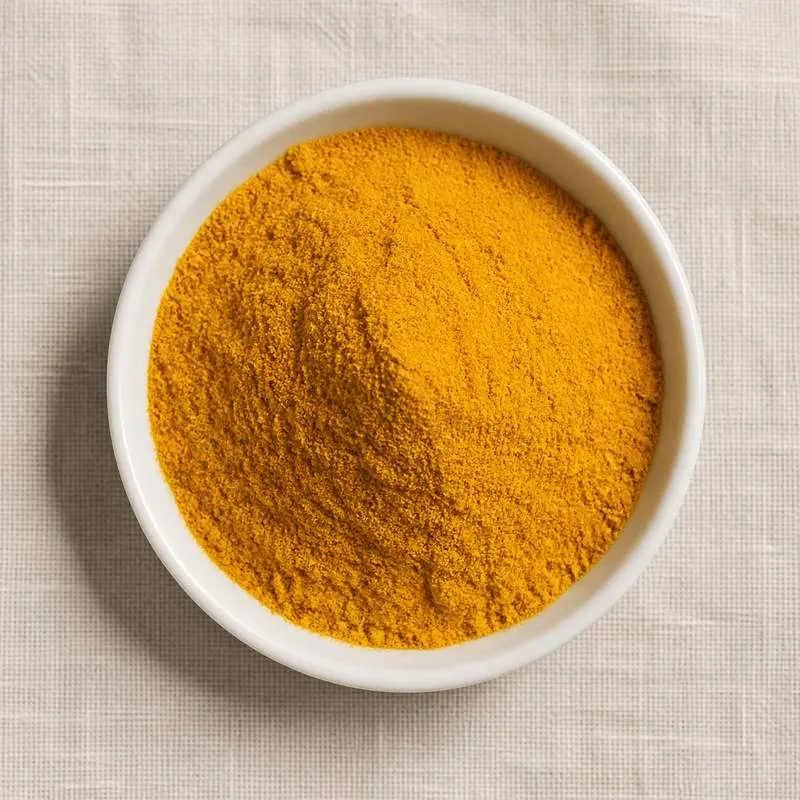
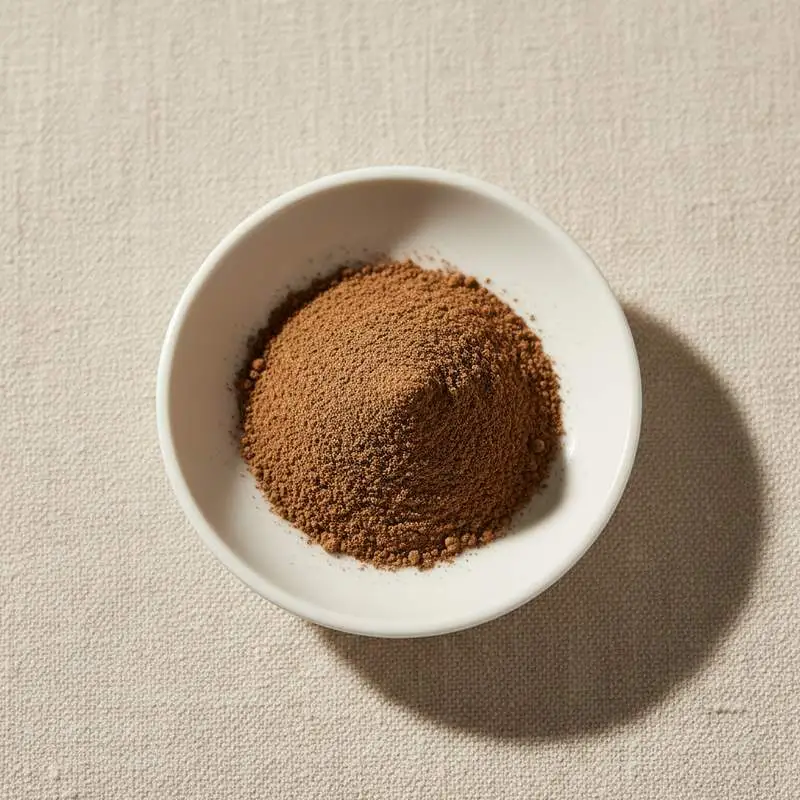
The ingredient is a spray dried powder, off white where the material is highly purified and light to mid brown where procyanidin content is higher or the fruit oxidised during processing. It dissolves readily in water and in aqueous ethanol, remains stable in acid, and loses assay steadily above neutral pH, on prolonged heating and in the presence of iron or copper, which turns solutions grey to green.
We source bulk Apple Polyphenols from top China manufacturers for our partners. The manufacturer is in Beijing. A smaller requirement can ship in a combined container with other ingredients.
Please send the grade you need, the volume and your destination port, and we will come back with a solution and a price.
or call +86-21-6858 0751
- Function
- Plant extract
Specifications
| Item | Specification |
|---|---|
| Appearance | Off white to light brown free flowing powder |
| Odour and Taste | Slight apple odour, astringent |
| Identification | HPLC retention matching phloridzin, chlorogenic acid and procyanidin B2 |
| Total Polyphenols | ≥ 80.0% (UV, Folin, as catechin) |
| Procyanidins | ≥ 50.0% (HPLC) |
| Phloridzin | 2.0% to 8.0% (HPLC) |
| Particle Size | ≥ 95% through 80 mesh |
| Loss on Drying | ≤ 5.0% |
| Sulphated Ash | ≤ 2.0% |
| pH (1% solution) | 3.5 to 5.5 |
| Residual Ethanol | ≤ 0.5% |
| Lead | ≤ 2.0 mg/kg |
| Arsenic | ≤ 1.0 mg/kg |
| Total Plate Count | ≤ 5,000 cfu/g |
| Yeast and Mould | ≤ 100 cfu/g |
| Escherichia coli | Negative in 1 g |
| Salmonella | Negative in 25 g |
Common Markets Grades
The trade quotes two figures side by side: total polyphenols by the Folin colourimetric method and procyanidins by HPLC. Standard offers run from 40 percent total polyphenols, which is essentially a concentrated apple extract on a carrier, up to 98 percent, which requires resin purification and repeated washing. Procyanidin content within those grades ranges from about 40 to 80 percent of the total and is specified separately because it drives astringency.
Single compound grades exist alongside the mixed preparations. Phloridzin is offered at 10, 90 and 98 percent, chlorogenic acid from apple at 50 percent and above, and purified procyanidin B2 in small volumes for analytical and research use. Powders are sold carrier free or on maltodextrin, in 80 and 100 mesh cuts, with a lower colour decolourised grade for clear beverages. Organic certified material is produced from certified orchards and juice plants.
Applications
- Edible oil and fried snack systems, where the phenolics act as a plant antioxidant against rancidity and extend fry life
- Processed meat and seafood, retarding lipid oxidation and the warmed over flavour that develops in cooked chilled products
- Bakery fillings and fat based creams, dosed to protect the lipid phase without the labelling of a synthetic antioxidant
- Clear beverages and functional waters held below pH 4, using the decolourised grade so no brown cast appears
- Sports and recovery drinks, where the fruit origin of the antioxidant is the formulation point
- Chewing gum and mints, where procyanidins give a dry clean finish and support breath claims
- Tablets and capsules in the supplement trade, dosed on the declared procyanidin figure
- Skin care emulsions and serums, added after the cool down step to limit thermal loss
- Pet food and aquaculture feed, applied as a natural antioxidant on fat coated kibble and pellets
China Manufacturers of Apple Polyphenols
Top Apple Polyphenols manufacturers in China.

Company names and logos are the property of the manufacturers themselves. They are listed here because our own directory records them as producing this ingredient. A listing is not an endorsement by them, and we do not represent them or speak on their behalf.
Regulatory Status
In the United States, apple polyphenol preparations are marketed as dietary ingredients under the Dietary Supplement Health and Education Act, with finished products made under 21 CFR Part 111. Individual apple polyphenol ingredients have been notified to the Food and Drug Administration as generally recognised as safe for specified food and beverage applications, and the agency responded to those notifications without objection. Where the material is used at flavour level, the apple extract flavouring provisions apply.
In the European Union apple polyphenols are handled as a food or food supplement ingredient and not as an authorised food additive, so no E number is assigned and antioxidant function cannot be declared in the additive sense on the ingredient list. Conventional water and ethanol extracts of apple fruit or pomace rely on a history of consumption in the Union, while highly purified single compound preparations and extracts of atypical composition fall within the novel food regulation and need authorisation before use. Codex has no commodity standard covering the ingredient and JECFA has issued no additive specification for it.
Manufacturing Process
Recovery starts from either thinned unripe apples, which carry the highest phenolic concentration, or from wet pomace, the peel, core and seed residue that leaves a juice press still holding most of the fruit's phenolics. The material is milled and extracted with hot water or aqueous ethanol, with the pulp handled quickly and with limited air contact so that the fruit's own polyphenol oxidase does not brown the phenolics before they are recovered.
Solids are removed by decanting and centrifugation and the liquor is polished on a membrane. The clarified liquor is passed over a macroporous adsorption resin that retains the phenolics while sugars, malic acid and pectin pass to waste in the water wash. Elution with aqueous ethanol releases the polyphenol fraction, which is concentrated under vacuum at low temperature with solvent recovery. Where a single compound grade is required, the concentrate is taken through a further chromatographic step and crystallised. Otherwise it is spray dried directly, sieved, blended to a uniform assay and packed under a food grade liner.