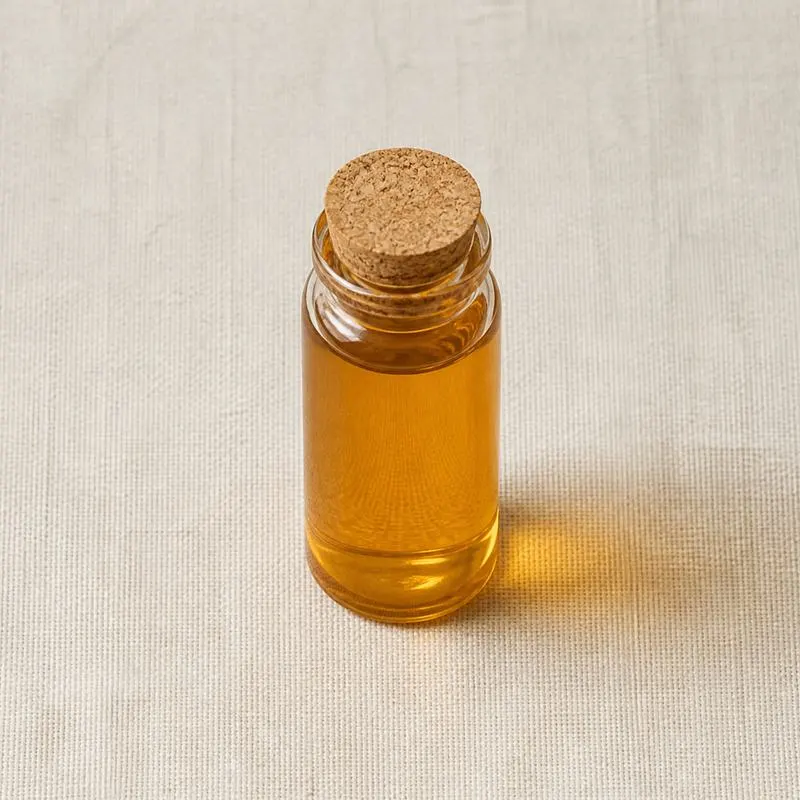
Aroma Ginger Oil
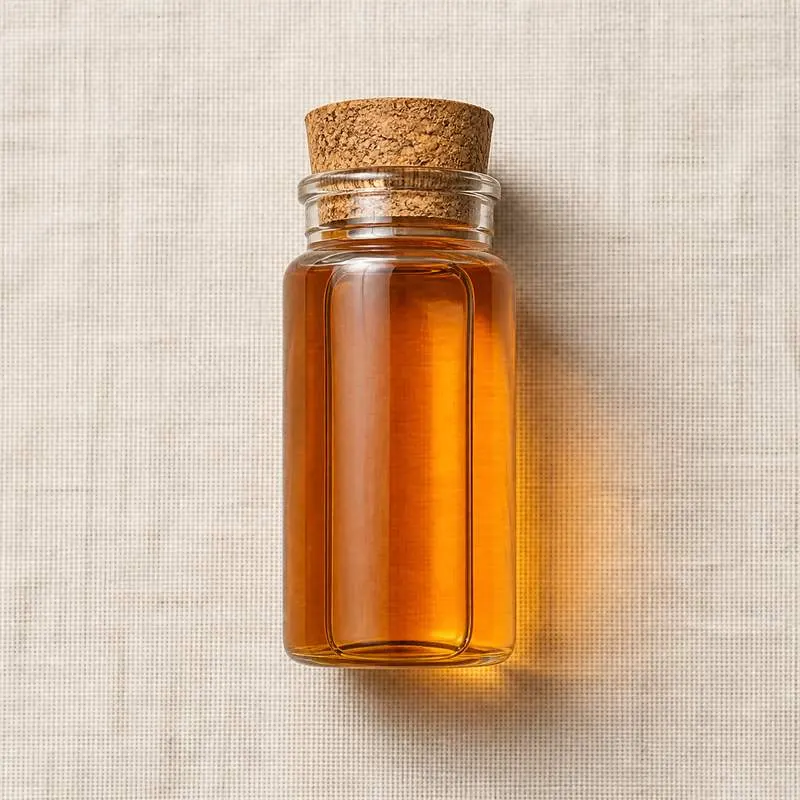
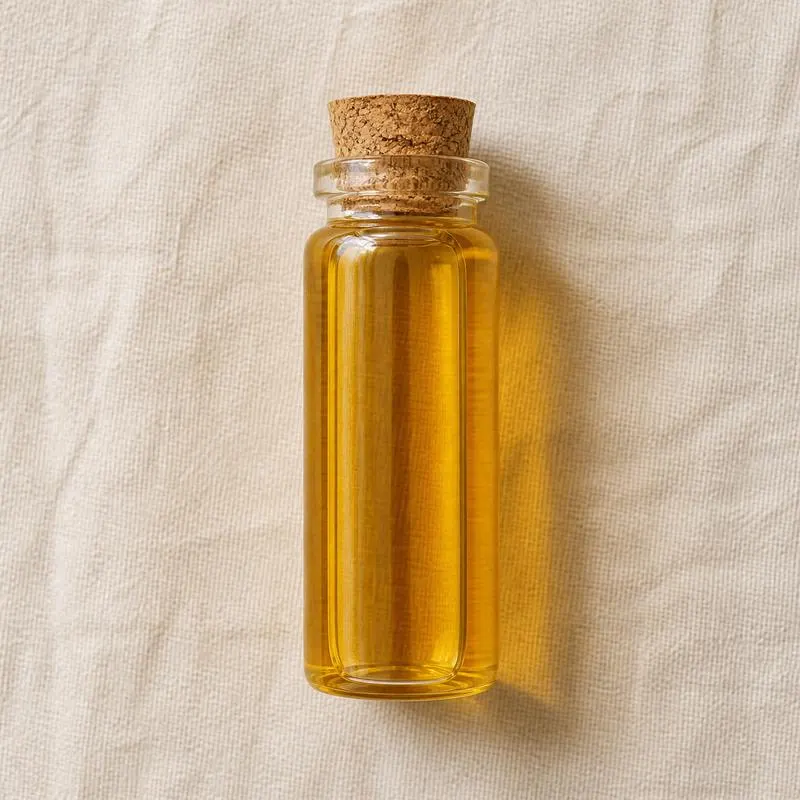
Aroma Ginger Oil is a pale yellow to light amber mobile liquid steam-distilled from the dried rhizome of Zingiber officinale, prepared specifically for flavour applications rather than the broader cosmetic and aromatherapy oil category.
The flavour-grade oil is selected for a clean, warm, spicy-fresh character with bright lemony-citral top notes and a soft sweet root background, free of the resinous and pungent gingerol fraction that gives the raw rhizome its bite.
We source bulk Aroma Ginger Oil from top China manufacturers for our partners. The manufacturer is in Hunan. A smaller requirement can ship in a combined container with other ingredients.
Please send the grade you need, the volume and your destination port, and we will come back with a solution and a price.
or call +86-21-6858 0751
- Packaging
- 25 kg galvanised drum, nitrogen blanketed
- ISO 9001
- HACCP
- Halal
- Kosher
Specifications
| Item | Specification |
|---|---|
| Appearance | Pale yellow to light amber clear liquid |
| Odor | Warm, spicy, woody, characteristic of fresh ginger |
| Relative Density (20°C) | 0.870–0.885 |
| Refractive Index (20°C) | 1.488–1.498 |
| Optical Rotation (20°C) | -28° to -45° |
| Solubility | Soluble in ethanol (≥ 90%) and fixed oils; insoluble in water |
| Acid Value | ≤ 2.0 mg KOH/g |
| Zingiberene Content | ≥ 20% |
| Heavy Metals (as Pb) | ≤ 10 mg/kg |
| Lead (as Pb) | ≤ 2 mg/kg |
| Microbiology | Conforms to food-grade essential oil standards |
| Purity/Assay | ≥ 95% |
| Moisture/Loss on Drying | ≤ 0.5% |
| pH | 5.0 - 6.0 |
| Arsenic | ≤ 0.5 ppm |
| Total Plate Count | ≤ 1000 cfu/g |
| Yeast & Mold | ≤ 100 cfu/g |
Common Markets Grades
Aroma Ginger Oil for flavour use is graded by origin, processing, and end-application requirements.
Standard flavour grade is steam-distilled from dried Chinese, Indian, or Nigerian rhizomes and sold at full strength. It carries a sesquiterpene-rich profile dominated by zingiberene, alpha-curcumene, beta-sesquiphellandrene, and ar-curcumene, with citral providing the lemony top.
A fresh-rhizome grade is distilled from fresh rather than dried ginger and presents a brighter, more lemony, and less woody profile. It is the preferred grade for beverage and confectionery flavour work.
Decolorised and rectified flavour grade is produced for clear beverage applications where colour contribution must be minimised. Light fractional distillation removes the heavier resinous fraction.
Food-grade material differs from cosmetic-grade ginger oil principally in selection of the rhizome lot, in tighter peroxide value and free-acid specifications, and in compliance with FCC and FEMA documentation. Cosmetic grade may carry higher pungent residues that are unsuitable for direct food flavour use.
Applications
- Ginger flavour compounding for soft drinks, ginger ale, ginger beer, and energy beverages
- Bakery flavouring for ginger biscuits, gingerbread, cake mixes, and sweet pastries
- Confectionery applications including hard candies, gummies, and chocolate fillings
- Dairy flavours for ice cream, yogurt, and flavoured milk
- Savory flavour systems for Asian-style sauces, marinades, and dressings
- Tea blends and instant tea flavourings
- Alcoholic beverage formulations including bitters, liqueurs, and craft cocktail mixers
- Nutraceutical and dietary supplement flavouring
- Functional food and wellness beverage formulations
- Seasoning blends and ready-meal flavour systems
- Encapsulated flavour systems for dry mixes and instant beverages
Brands Using Aroma Ginger Oil
Widely-distributed consumer products that list Aroma Ginger Oil on the ingredient label.
- Aura CaciaFresh Ginger Essential Oil 0.5 fl. oz. ↗Ingredients: 'Zingiber officinale (fresh ginger) essential oil', 100% ginger oilLabel verified 2026-05-24
- Aura CaciaGinger Essential Oil 0.5 fl. oz. ↗Ingredients: 'Zingiber Officinale (Ginger) Oil', single-ingredient ginger oilLabel verified 2026-05-24
- NOW Foods100% Pure Ginger Oil (1 fl oz) ↗Ingredient: 'Zingiber Officinale (Ginger) Root Oil', steam distilled from dried rhizomeLabel verified 2026-05-24
- PukkaThree Ginger Organic Herbal Tea ↗Ingredients: Ginger Root (51%), Galangal Root, Licorice Root, Turmeric Root, 'Ginger Essential Oil Flavour (1%)'Label verified 2026-05-24
Brand names, product names and logos are the property of their owners. They appear here as published evidence that the ingredient is used, taken from the brand's own label or website. Their appearance is not an endorsement, and it does not mean the brand buys from us or from any manufacturer listed on this site.
China Manufacturers of Aroma Ginger Oil
Top Aroma Ginger Oil manufacturers in China.

Company names and logos are the property of the manufacturers themselves. They are listed here because our own directory records them as producing this ingredient. A listing is not an endorsement by them, and we do not represent them or speak on their behalf.
How We Help Source Aroma Ginger Oil
Direct Factory Sourcing
We run the whole process: selecting the manufacturer from the top Chinese food ingredient producers, negotiating the price, verifying quality, and coordinating the logistics. You deal with us instead of with several factories at once.
Original Packaging and Documents from the Manufacturer
The manufacturer sends your Aroma Ginger Oil out of its own factory in the original packing, through to your destination port. The COA, COO, MSDS, TDS and any certifications reach you from the manufacturer as well.
Free Samples and Lead Time
We send 100 to 500 g free for your own laboratory to test and you cover only the courier, usually within 2 to 3 working days. ETD is usually within 7 to 15 days once the order is confirmed, and we check that date against the factory's own manufacturing schedule before we give it to you.
Combined Shipment
We can load Aroma Ginger Oil together with other ingredients such as Capsicum Oleoresin, Ethyl Maltol and White Pepper into one 20' FCL. If your quantity is small, we can also ship LCL.
Regulatory Status
Aroma Ginger Oil holds FEMA GRAS status under FEMA 2522 for use as a flavouring substance in food and beverage applications.
The U.S. FDA recognises ginger and its essential oil as GRAS under 21 CFR 182.10 (spices and other natural seasonings) and 21 CFR 182.20 (essential oils). JECFA has reviewed ginger oil and found it safe at normal use levels.
The European Union recognises ginger essential oil as a natural flavouring under Regulation (EC) No 1334/2008. It is listed under FL 21.005.
The material is REACH-registered as a natural complex substance and is listed on TSCA, DSL, AICS, IECSC, KECL, and PICCS chemical inventories. Organic certification (USDA NOP, EU Organic) is available when the oil is made from certified-organic rhizome supply.
Kosher and halal certifications are routinely available since the production process uses only water, steam, and food-contact stainless steel.
Manufacturing Process
Flavour-grade ginger oil is produced by steam distillation of milled ginger rhizome. The rhizomes are first cleaned, dried (or used fresh for the fresh-rhizome grade), and ground to a coarse powder that exposes the volatile oil cells.
The ground material is loaded into stainless steel stills and treated with low-pressure saturated steam for 6 to 12 hours. The volatile oil distills with the steam, condenses, and is separated from the aqueous phase in a Florentine flask. Typical yield is 1.5 to 3.0 percent of the dry rhizome weight.
Crude oil is then dried over anhydrous sodium sulphate, clarified by filtration, and standardised to meet the flavour specification. Fresh-rhizome grades undergo a light vacuum rectification to remove the heaviest resinous fraction and any solvent residues, while preserving the citral top note that defines a fresh-ginger flavour impression.
The non-volatile gingerols and shogaols, which carry the pungent bite of fresh ginger, do not co-distill with steam and remain in the spent rhizome. This is the principal reason ginger oil tastes warm and spicy but lacks the sharp pungency of the raw root. For applications that require the pungent bite, a ginger oleoresin (solvent extraction) is used instead.