Ascorbate Oxidase
Ascorbate oxidase is a copper-containing oxidoreductase that catalyses the oxidation of L-ascorbic acid to dehydroascorbic acid, using molecular oxygen as the electron acceptor and releasing water. Each enzyme molecule carries several copper atoms at the active site, which give the purified protein a faint blue colour in concentrated solution.
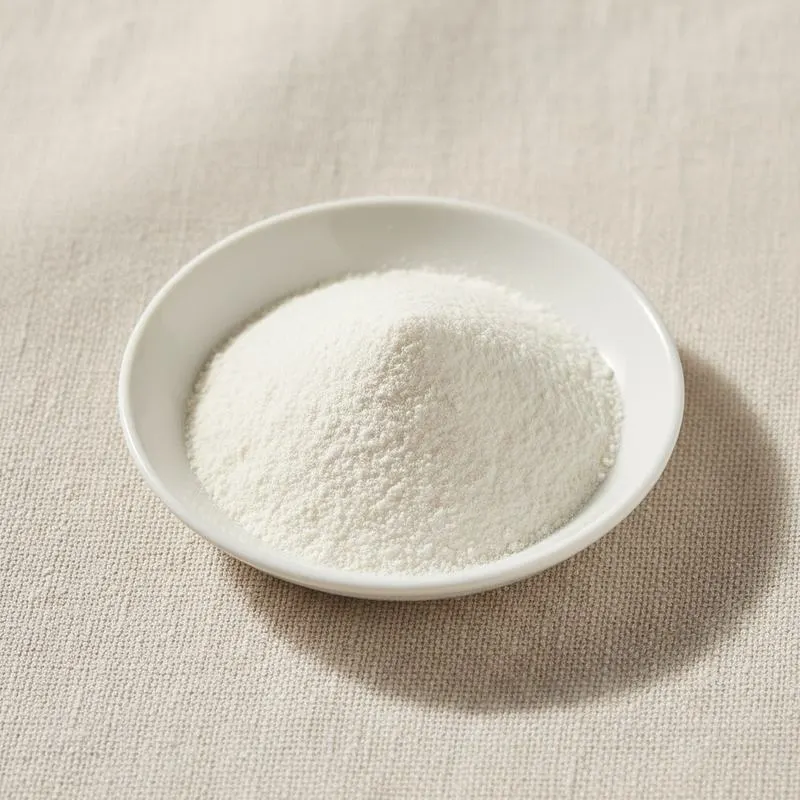
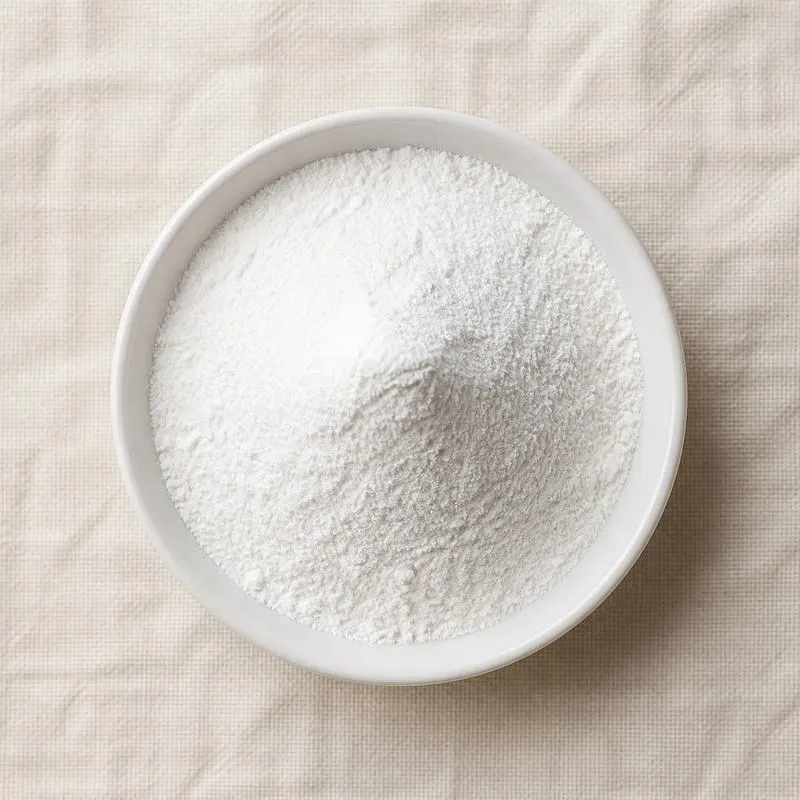
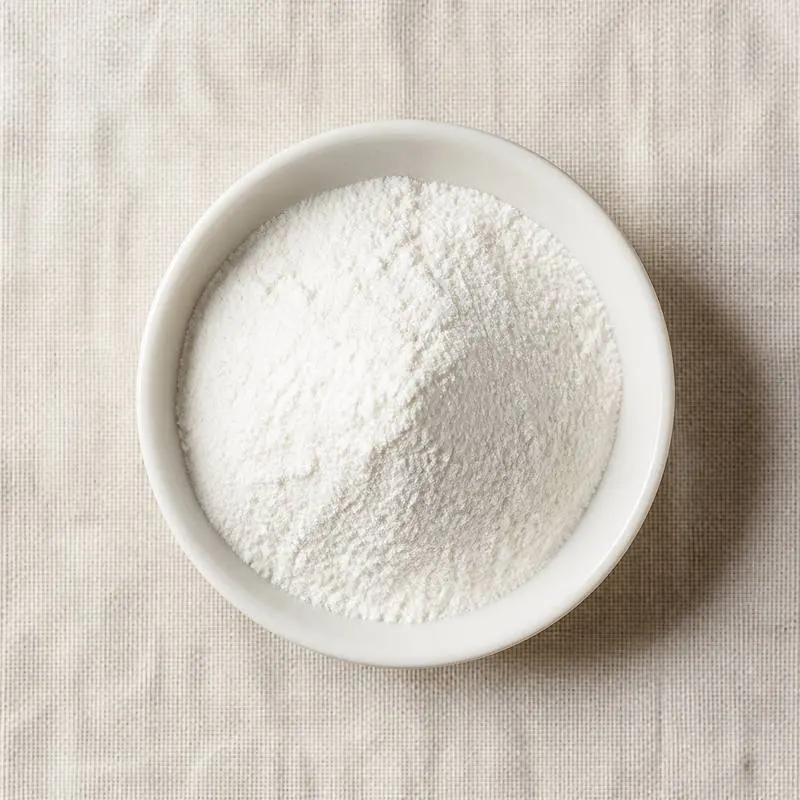
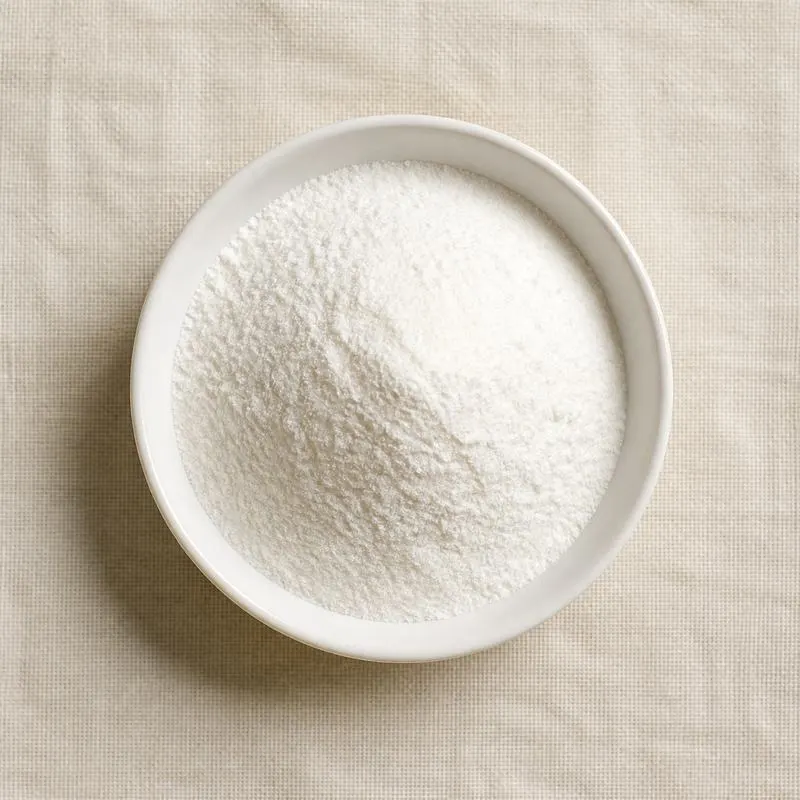
The enzyme is obtained from the peel and rind of cucurbits, principally squash and pumpkin, and from fungal fermentation. It is a lyophilised white to pale blue powder, often mixed with a stabiliser such as bovine serum albumin, mannitol or a buffer salt, and standardised to units of activity rather than protein content. Solutions are prepared fresh in phosphate buffer.
Activity is highest between pH 5.5 and pH 7 at moderate temperature, and the enzyme is inhibited by copper chelators and by thiol compounds that reduce the active site metal. Because ascorbic acid is a strong reducing agent that interferes with many colourimetric and electrochemical measurements, most of the demand for this enzyme is analytical rather than as a processing aid: it is used to destroy ascorbate in a sample before the real measurement is taken.
We source bulk Ascorbate Oxidase from top China manufacturers for our partners. The manufacturer is in Guangxi. A smaller requirement can ship in a combined container with other ingredients.
Please send the grade you need, the volume and your destination port, and we will come back with a solution and a price.
or call +86-21-6858 0751
- Function
- Enzyme
Specifications
| Item | Specification |
|---|---|
| Appearance | White to pale blue lyophilised powder |
| Source | Cucurbita species peel or fungal fermentation |
| Specific Activity | ≥ 150 U/mg protein |
| Identification | Oxidation of L-ascorbic acid measured at 245 nm |
| Optimum pH | 5.5 to 7.0 |
| Loss on Drying | ≤ 6.0% |
| Residue on Ignition | ≤ 8.0% |
| Contaminating Catalase | ≤ 0.1% of stated activity |
| Contaminating Protease | Not detected |
| Heavy Metals (as Pb) | ≤ 10 mg/kg |
| Lead | ≤ 2 mg/kg |
| Arsenic | ≤ 2 mg/kg |
| Total Plate Count | ≤ 1,000 cfu/g |
| Salmonella | Absent in 25 g |
Common Markets Grades
Ascorbate oxidase is traded almost entirely as a diagnostic and laboratory reagent, so grades are set by specific activity in units per milligram of protein and by the level of contaminating activities. Purified grades from cucurbit peel reach high specific activity and are used in clinical chemistry reagent kits, while cruder extracts serve teaching and research work. Recombinant fungal material is offered where a non-plant, allergen-free source is preferred.
Presentation is lyophilised powder in small vials, ranging from a few units to several hundred units per vial, and immobilised preparations on membranes or beads for reusable sample pretreatment cartridges. There is no bulk food grade in the sense that other food enzymes are traded, and the product is not sold in drum quantities.
Applications
- Clinical chemistry reagents, removing ascorbate interference from serum and urine assays for glucose, cholesterol, uric acid and creatinine
- Urine dipstick and test strip layers, where an ascorbate oxidase pad neutralises vitamin C before the reagent pad reads the target analyte
- Biosensor electrodes, stripping ascorbate as an electroactive interferent from amperometric glucose and lactate measurement
- Food and beverage laboratory analysis, quantifying vitamin C by measuring the difference before and after enzymatic destruction
- Enzymatic assay kits for total and reduced ascorbic acid in juice, fruit and supplement matrices
- Research on ascorbate metabolism and plant cell wall growth, where the enzyme is a standard tool
- Sample pretreatment cartridges in automated analysers, in immobilised form
- Oxygen scavenging model systems, coupling ascorbate consumption to oxygen depletion in packaging studies
China Manufacturers of Ascorbate Oxidase
Top Ascorbate Oxidase manufacturers in China.

Company names and logos are the property of the manufacturers themselves. They are listed here because our own directory records them as producing this ingredient. A listing is not an endorsement by them, and we do not represent them or speak on their behalf.
Regulatory Status
Ascorbate oxidase is sold predominantly as a laboratory and in vitro diagnostic reagent rather than as a food ingredient, so its main regulatory framework is the one covering diagnostic reagents rather than food additive law. Material sold for clinical use is controlled through the in vitro diagnostic device rules of the destination market, and material for research carries a not-for-diagnostic-use statement.
Where the enzyme is used in the analysis of food it acts on the sample in the laboratory and never enters the food chain, so no food additive clearance is needed. If it were used as a processing aid in food manufacture it would fall under the general food enzyme frameworks: a generally recognised as safe determination or food additive listing in the United States, and Regulation (EC) No 1332/2008 on food enzymes in the European Union. No E number applies.
Manufacturing Process
Plant sourced material starts from cucurbit peel, usually squash or pumpkin rind, which is a rich natural source. The tissue is chilled, macerated and extracted into a cold buffer, and the extract is clarified by centrifugation and filtration. Nucleic acid and bulk plant protein are removed by fractional precipitation with ammonium sulphate, and the redissolved fraction is desalted before chromatographic purification, typically ion exchange followed by a polishing step. The purified fraction is concentrated by ultrafiltration, formulated with a stabiliser and lyophilised.
Fungal and recombinant routes replace the field crop with submerged fermentation of a production strain that secretes the enzyme into the broth. The broth is clarified by centrifugation and microfiltration, concentrated by ultrafiltration, and taken through the same chromatographic purification and freeze drying train. Copper goes into the medium or into the formulation buffer, since the enzyme is inactive without its metal centre.