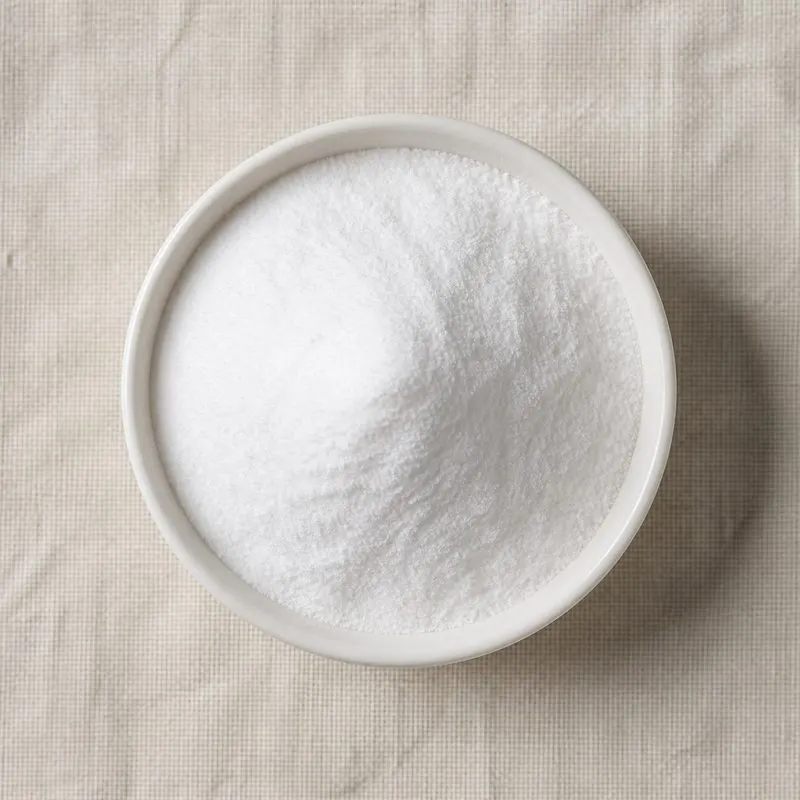
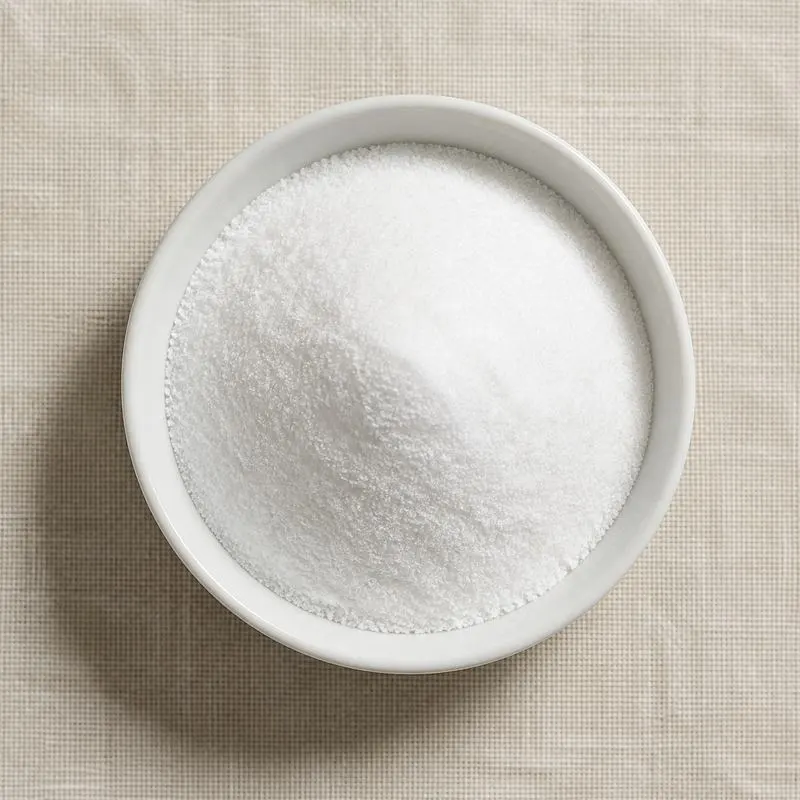
Mannitol
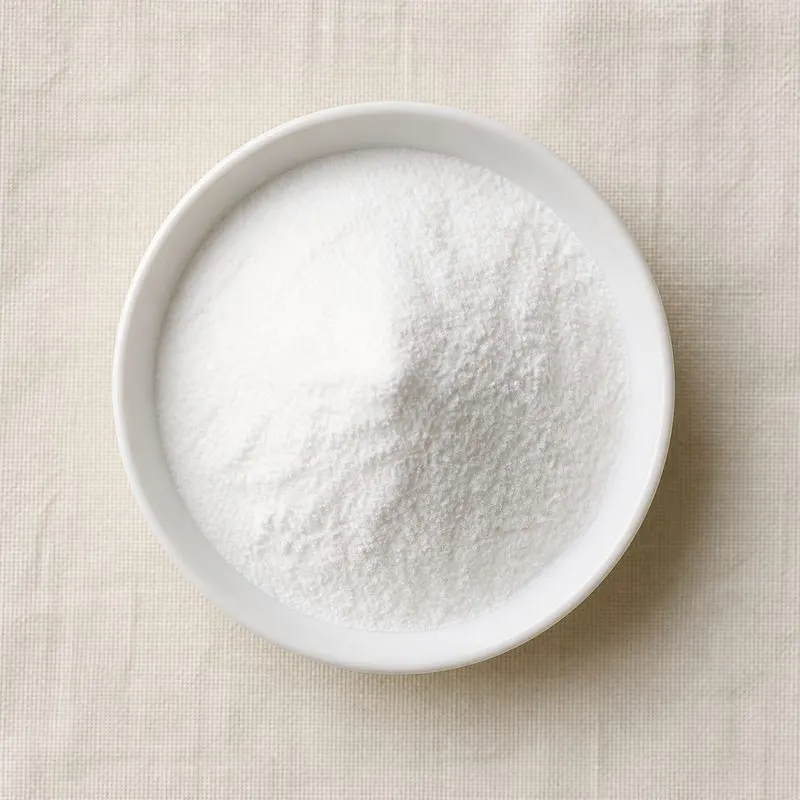
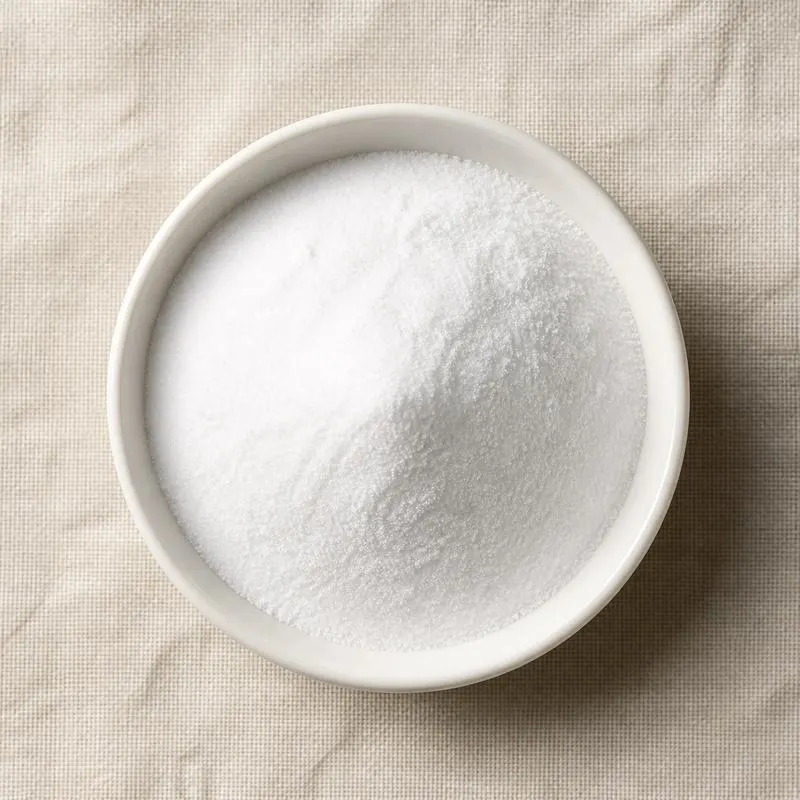
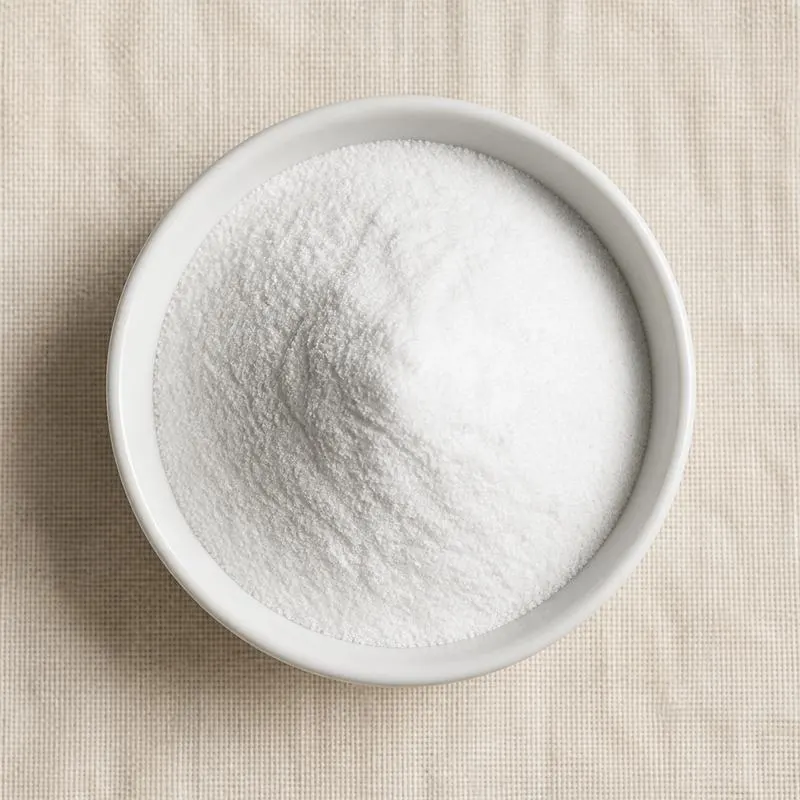
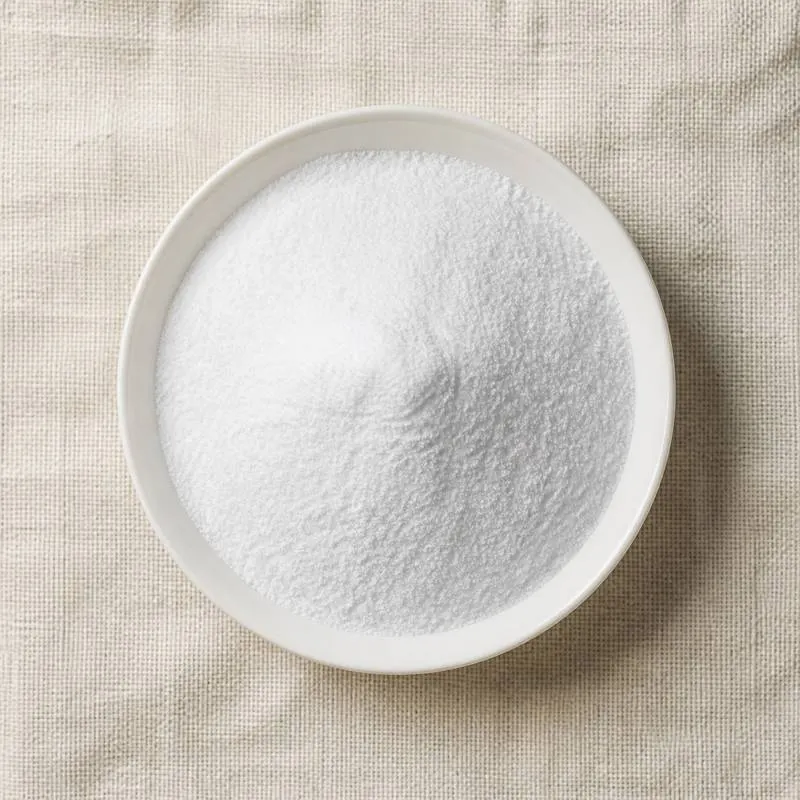
Mannitol is a six-carbon sugar alcohol (hexitol) that serves as a low-calorie sweetener, anti-caking agent, and pharmaceutical diluent in tablets and parenteral solutions.
The molecule is D-mannitol, the C-2 epimer of sorbitol, with formula C₆H₁₄O₆ and CAS 69-65-8. It carries roughly 50 to 60 percent of the sweetness of sucrose with a clean profile and contributes about 1.6 kcal per gram in food labelling.
We source bulk Mannitol from top China manufacturers for our partners, working with several of them. The manufacturers are in Shandong, Guangdong and Zhejiang. A smaller requirement can ship in a combined container with other ingredients.
Please send the grade you need, the volume and your destination port, and we will come back with a solution and a price.
or call +86-21-6858 0751
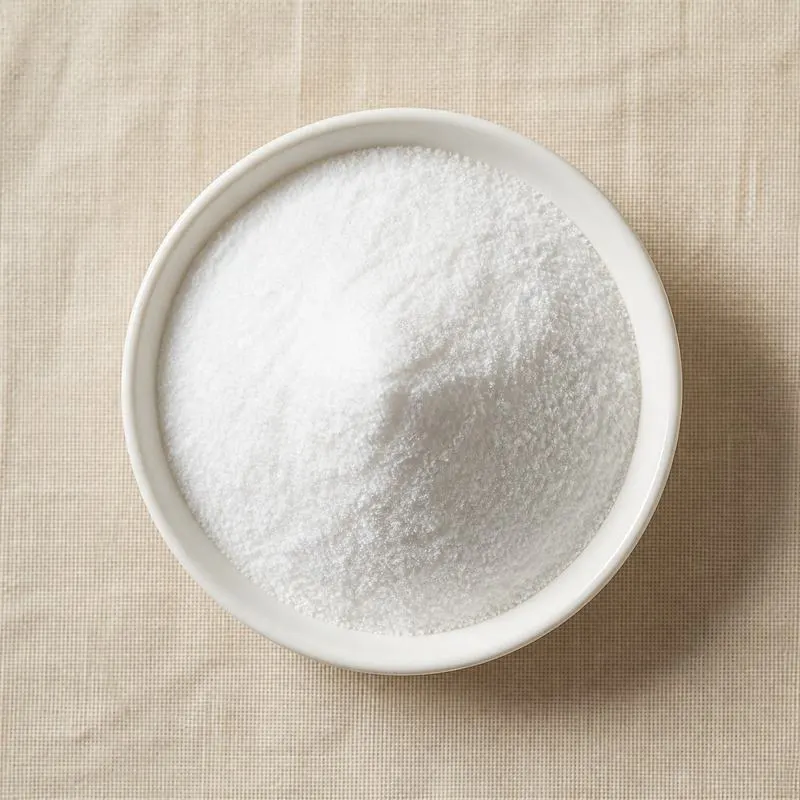
- Packaging
- 25 kg kraft paper bag with PE inner liner
- ISO 9001
- HACCP
- Halal
- Kosher
Specifications
| Item | Specification |
|---|---|
| Appearance | White crystalline powder, odourless, sweet taste |
| Assay (as C₆H₁₄O₆, dried basis) | 96.0-101.5% |
| Melting Range | 165-170°C |
| Loss on Drying (105°C, 4 h) | ≤ 0.3% |
| Residue on Ignition | ≤ 0.1% |
| pH (10% w/v aqueous solution) | 5.0-8.0 |
| Reducing Sugars (as glucose) | ≤ 0.3% |
| Sorbitol | ≤ 2.0% |
| Maltitol | ≤ 0.1% |
| Chloride (as Cl) | ≤ 70 mg/kg |
| Sulfate (as SO₄) | ≤ 100 mg/kg |
| Nickel (as Ni) | ≤ 1 mg/kg |
| Heavy Metals (as Pb) | ≤ 10 mg/kg |
| Total Plate Count | ≤ 1,000 cfu/g |
| Escherichia coli | Negative/25g |
Common Markets Grades
Mannitol is a free-flowing white crystalline powder at 99 percent minimum assay.
Standard granulations include regular and fine crystal for chewing gum dusting, lozenges, and tablet diluent applications. Granular and spray-dried direct-compression grades are produced for high-speed pharmaceutical tabletting, where the spherical particles offer improved flow and compressibility.
Parenteral-grade mannitol meets USP-NF and Ph. Eur. specifications for endotoxin, particulate, and heavy-metal limits, supporting intravenous infusion solutions.
Food-grade material meets FCC and JECFA specifications.
Applications
- Sugar-free chewing gum as a non-hygroscopic dusting powder that prevents pellets from sticking
- Chewable tablets, lozenges, and pediatric formulations as a sweet diluent
- Direct-compression pharmaceutical tablets, including spray-dried mannitol grades
- Intravenous osmotic diuretic solutions for reduction of intracranial and intraocular pressure
- Freeze-drying lyoprotectant for biologic drug substances and vaccine cakes
- Effervescent tablet formulations where low moisture sensitivity is required
- Sugar-free confectionery and chocolate as a bulk sweetener
- Coating layer for sugar-free panned candies and gum centres
- Granulation aid for poorly compressible active pharmaceutical ingredients
- Anti-caking ingredient in powdered food blends
- Reagent and bulking agent in clinical diagnostic kits
Brands Using Mannitol
Widely-distributed consumer products that list Mannitol on the ingredient label.
- Trident (Mondelez)Trident Original Flavor Sugar Free Gum ↗Ingredient panel lists Mannitol under 'Less than 2% of': 'Acesulfame Potassium, Aspartame, BHT, Mannitol, Soy Lecithin, Sucralose'Label verified 2026-05-24
- Extra (Wrigley/Mars)Extra Spearmint Sugar Free Chewing Gum ↗Ingredient panel: '...Less than 2% of: Hydrogenated Starch Hydrolysate, Aspartame, Mannitol, Acesulfame K...'Label verified 2026-05-24
- Extra (Wrigley/Mars)Extra Peppermint Sugar Free Chewing Gum ↗Mannitol listed under '<2%' on official Extra product pageLabel verified 2026-05-24
- Mentos (Perfetti Van Melle)Mentos Pure Fresh Sugar-Free Chewing Gum (Spearmint) ↗Ingredient panel: 'xylitol, chewing gum base, sorbitol, maltitol syrup, mannitol, maltodextrin...'Label verified 2026-05-24
Brand names, product names and logos are the property of their owners. They appear here as published evidence that the ingredient is used, taken from the brand's own label or website. Their appearance is not an endorsement, and it does not mean the brand buys from us or from any manufacturer listed on this site.
China Manufacturers of Mannitol
Top Mannitol manufacturers in China.
 Qingdao Bright Moon Seaweed Group Co., Ltd.7 ingredients in the directory
 Shandong Lianmeng International Trade Co., Ltd.10 ingredients in the directory
 Shandong Tianli Pharmaceutical Co., Ltd.5 ingredients in the directory
 Zhaoqing Huanfa Biotechnology Co., Ltd.10 ingredients in the directory
- Zhejiang Huakang Pharmaceutical Co., Ltd.11 ingredients in the directory
Company names and logos are the property of the manufacturers themselves. They are listed here because our own directory records them as producing this ingredient. A listing is not an endorsement by them, and we do not represent them or speak on their behalf.
How We Help Source Mannitol
Direct Factory Sourcing
We run the whole process: selecting the manufacturer from the top Chinese food ingredient producers, negotiating the price, verifying quality, and coordinating the logistics. You deal with us instead of with several factories at once.
Original Packaging and Documents from the Manufacturer
The manufacturer sends your Mannitol out of its own factory in the original packing, through to your destination port. The COA, COO, MSDS, TDS and any certifications reach you from the manufacturer as well.
Free Samples and Lead Time
We send 100 to 500 g free for your own laboratory to test and you cover only the courier, usually within 2 to 3 working days. ETD is usually within 7 to 15 days once the order is confirmed, and we check that date against the factory's own manufacturing schedule before we give it to you.
Combined Shipment
We can load Mannitol together with other ingredients such as Stevia, Erythritol and Maltitol into one 20' FCL. If your quantity is small, we can also ship LCL.
Regulatory Status
Mannitol holds broad regulatory approval as a food additive and pharmaceutical excipient.
In the European Union it carries E number E421 and is permitted across many food categories. EU labelling requires the statement excessive consumption may produce laxative effects when a serving delivers more than 10 grams of polyol.
The U.S. Food and Drug Administration affirms mannitol as GRAS as a nutritive sweetener and bulking agent under 21 CFR 184.1. It is also approved as a parenteral active pharmaceutical ingredient with established dosing for diuresis and intracranial pressure reduction.
JECFA has evaluated mannitol as safe for food use. Pharmacopoeial monographs appear in USP-NF, Ph. Eur., JP, and BP, with separate monographs for the parenteral and oral grades.
The substance is Halal and Kosher certifiable and is not a recognised food allergen.
Manufacturing Process
Most industrial mannitol comes from catalytic hydrogenation of fructose-containing sugar streams.
The feed is typically a high-fructose syrup or an invert sugar syrup with roughly equal glucose and fructose. Under hydrogenation at 120 to 150 degrees Celsius and 40 to 150 bar over a Raney nickel catalyst, fructose reduces to a mixture of mannitol and sorbitol while glucose reduces to sorbitol.
The resulting solution contains 25 to 30 percent mannitol on a dry-solids basis. The cooler the crystallisation and the higher the mannitol fraction, the more selectively mannitol crystallises out because of its lower solubility relative to sorbitol.
The crystals are recovered by centrifugation, washed, dried, and milled. The mannitol-depleted mother liquor is recycled into sorbitol production or processed into mixed-polyol syrups.
A smaller share of supply is produced by microbial fermentation of glucose or sucrose using lactic acid bacteria or yeasts that yield mannitol with high selectivity, offering a single-product route that avoids the sorbitol coupling.