Ashwagandha P.E.Withanolide
Ashwagandha extract standardised to withanolides is a botanical concentrate prepared from the root, and in some grades the root and leaf, of Withania somnifera, a small shrub of the Solanaceae family cultivated mainly in India. The abbreviation P.E. in the trade name stands for plant extract, and withanolide is the marker class on which the material is sold.
Withanolides are steroidal lactones built on an ergostane skeleton. The principal members quantified in commerce are withaferin A, withanolide A, withanolide B, withanoside IV and withanoside VI, with the total figure reported by HPLC or, in older specifications, by gravimetric methods that return a higher number. Root extracts carry a low withaferin A content, while leaf material is markedly richer in it, which is why the plant part is stated on the specification rather than left implied.
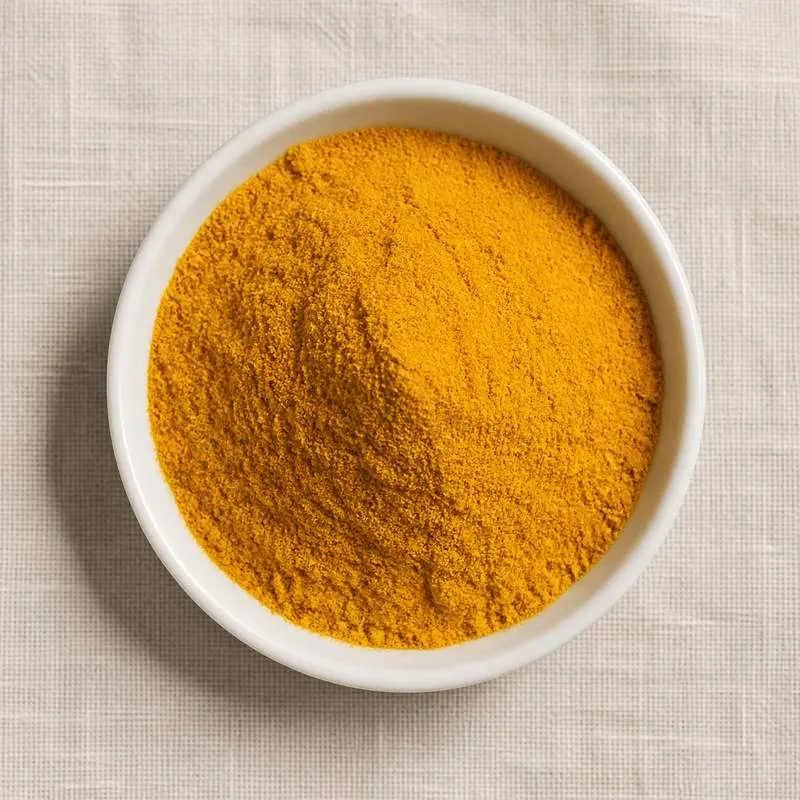
The extract is a fine powder ranging from light brown to a darker reddish brown, with a bitter taste and a distinctly horse like odour that follows through into finished products and often has to be masked. It disperses in water to a cloudy suspension, dissolves more completely in dilute ethanol, and is stable to normal processing heat and to the acid conditions of a beverage, though extended exposure to alkali degrades the lactone ring.
We source bulk Ashwagandha P.E.Withanolide from top China manufacturers for our partners. The manufacturer is in Shaanxi. A smaller requirement can ship in a combined container with other ingredients.
Please send the grade you need, the volume and your destination port, and we will come back with a solution and a price.
or call +86-21-6858 0751
- Function
- Plant extract
Specifications
| Item | Specification |
|---|---|
| Appearance | Light to reddish brown fine powder |
| Odour and Taste | Characteristic, faintly animalic, bitter |
| Plant Part | Withania somnifera root |
| Identification | HPLC profile conforming to withanolide reference standard |
| Total Withanolides | ≥ 2.5% (HPLC) |
| Withaferin A | ≤ 0.1% |
| Particle Size | ≥ 95% through 80 mesh |
| Loss on Drying | ≤ 5.0% |
| Total Ash | ≤ 8.0% |
| Residual Ethanol | ≤ 0.5% |
| Lead | ≤ 2.0 mg/kg |
| Arsenic | ≤ 1.0 mg/kg |
| Cadmium | ≤ 1.0 mg/kg |
| Mercury | ≤ 0.1 mg/kg |
| Total Plate Count | ≤ 10,000 cfu/g |
| Yeast and Mould | ≤ 500 cfu/g |
| Escherichia coli | Negative in 1 g |
| Salmonella | Negative in 25 g |
Common Markets Grades
The reference specifications are root extracts at 1.5, 2.5 and 5 percent total withanolides by HPLC, produced by aqueous or hydroalcoholic extraction. Grades quoted at 5 percent and above by gravimetric or ultraviolet methods are also in the market and are not directly comparable with the HPLC figures, so the method is stated alongside the number. Higher purity fractions reaching 10 percent and above are traded in smaller volumes and typically involve resin purification.
Beyond assay, lots divide on plant part and process. Root only extract is the mainstream food supplement grade. Root and leaf extract gives a higher withanolide figure at lower cost but carries more withaferin A, and buyers targeting markets that restrict leaf material specify root only with a supporting chromatographic profile. Full spectrum extracts made without a purification step, standardised branded preparations, and water only extracts for products avoiding solvent declarations all trade separately. Powders are offered carrier free or on maltodextrin, in 80 and 100 mesh cuts, with organic certified material widely available.
Applications
- Capsule and tablet supplements, the dominant outlet, dosed on the declared withanolide percentage
- Powdered drink mixes and stick packs, where the bitter and animalic notes are covered with cocoa, spice or a sweetener system
- Functional beverages and shots, using a water dispersible grade and a stabiliser to prevent settling
- Sleep and relaxation formulations, blended with magnesium salts, glycine or melatonin depending on the market
- Sports and recovery products, combined with creatine or protein where the botanical is the differentiating claim
- Gummies and soft chews, added after the cook so the withanolides are not held at temperature
- Traditional Ayurvedic preparations, in which the root has a long established position
- Herbal tea and instant infusion blends, using a water soluble grade dosed at low inclusion
- Pet supplements, particularly calming products for dogs
Brands Using Ashwagandha P.E.Withanolide
Widely-distributed consumer products that list Ashwagandha P.E.Withanolide on the ingredient label.
- SolarayAshwagandha Root Extract 470 mg ↗Capsule of ashwagandha root extract whose supplement facts state it supplies 7 mg of withanolides, 1.5 percent of the extract.Label verified 2026-08-31
- SolarayProSorb Ashwagandha 18x 240 mg ↗Uses Shoden ashwagandha root and leaf extract at 240 mg, listed on the panel as supplying 84 mg of withanolide glycosides at 35 percent.Label verified 2026-08-31
Brand names, product names and logos are the property of their owners. They appear here as published evidence that the ingredient is used, taken from the brand's own label or website. Their appearance is not an endorsement, and it does not mean the brand buys from us or from any manufacturer listed on this site.
China Manufacturers of Ashwagandha P.E.Withanolide
Top Ashwagandha P.E.Withanolide manufacturers in China.
Company names and logos are the property of the manufacturers themselves. They are listed here because our own directory records them as producing this ingredient. A listing is not an endorsement by them, and we do not represent them or speak on their behalf.
Regulatory Status
In the United States, Withania somnifera root and its extracts are marketed as dietary ingredients under the Dietary Supplement Health and Education Act, with finished products manufactured under 21 CFR Part 111. The root has a documented history of use in the United States food supply predating the 1994 cut off, so mainstream root extracts are not treated as new dietary ingredients, while preparations made from leaf or by unusual processes may require a new dietary ingredient notification.
In the European Union the position differs by member state. Ashwagandha is not an authorised food additive, so no E number applies, and its status as a food supplement ingredient is decided nationally, with several member states restricting or prohibiting its use in food supplements following national risk assessments. Health claims for the species are unauthorised. Codex has no commodity standard for ashwagandha extract and JECFA has issued no additive specification. Because the plant is a solanaceous species, buyers commonly require a tropane alkaloid screen alongside the standard contaminant panel.
Manufacturing Process
Cultivated roots are lifted at the end of the season, washed, cut and dried, then milled to a coarse powder. Extraction is by percolation or counter current contact with water or with ethanol at 30 to 60 percent. Water extraction yields a milder, more polar profile dominated by the withanosides, while ethanol recovers more of the less polar withanolides and gives a higher assay for the same input.
The extract liquor is separated from the marc, clarified by centrifugation and filtration, and where a defined assay is required passed over a macroporous adsorption resin, washed to remove sugars and free amino acids, and eluted with aqueous ethanol. The eluate is concentrated under vacuum at low temperature with solvent recovery, then spray dried, alone or onto maltodextrin. Some producers use vacuum belt drying instead, which gives a denser flake that is milled afterwards. The dried powder is sieved, assayed by HPLC, blended across sub lots to a uniform withanolide figure, and packed in double food grade liners inside fibre drums.