Astazine
Astazine is the registered trade name for natural astaxanthin sourced from the freshwater microalga Haematococcus pluvialis, marketed by BGG (Beijing Gingko Group) and its U.S. arm Nutra Green Biotechnology.
The product line covers high-purity oleoresins concentrated to 5 to 10 percent astaxanthin in vegetable oil, as well as beadlet and emulsion formats engineered for cold-water dispersion in beverages and supplement bases.
It carries Self-Affirmed GRAS status in the United States and Novel Food authorisation in the European Union, and is commonly cited in clinical trials on skin, eye, and cardiovascular endpoints.
We source bulk Astazine from top China manufacturers for our partners. The manufacturer is in Beijing. A smaller requirement can ship in a combined container with other ingredients.
Please send the grade you need, the volume and your destination port, and we will come back with a solution and a price.
or call +86-21-6858 0751
- Packaging
- 25 kg kraft paper bag with PE inner liner
- ISO 9001
- HACCP
- Halal
- Kosher
Specifications
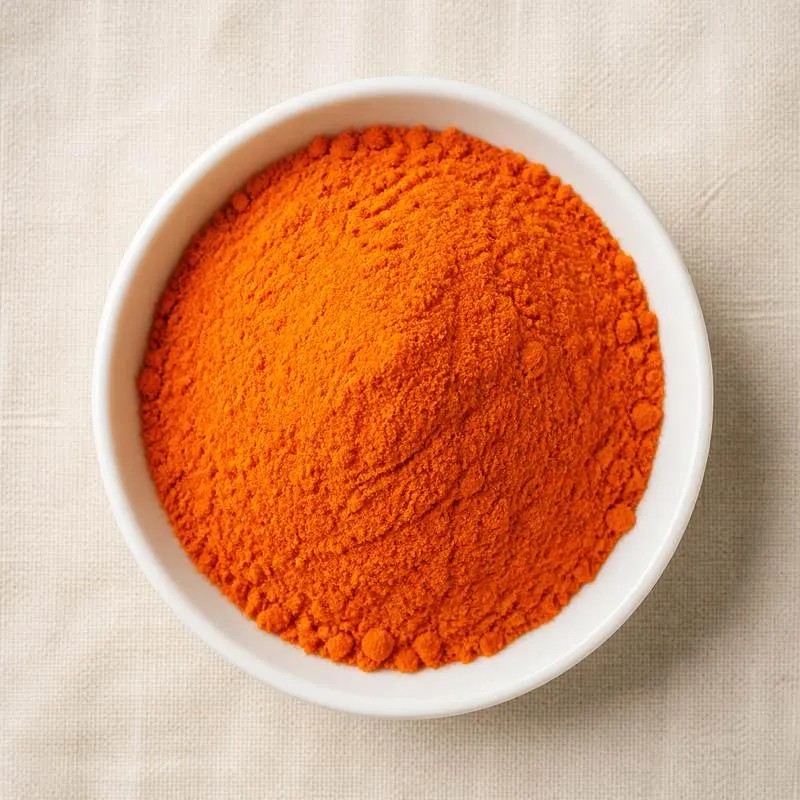
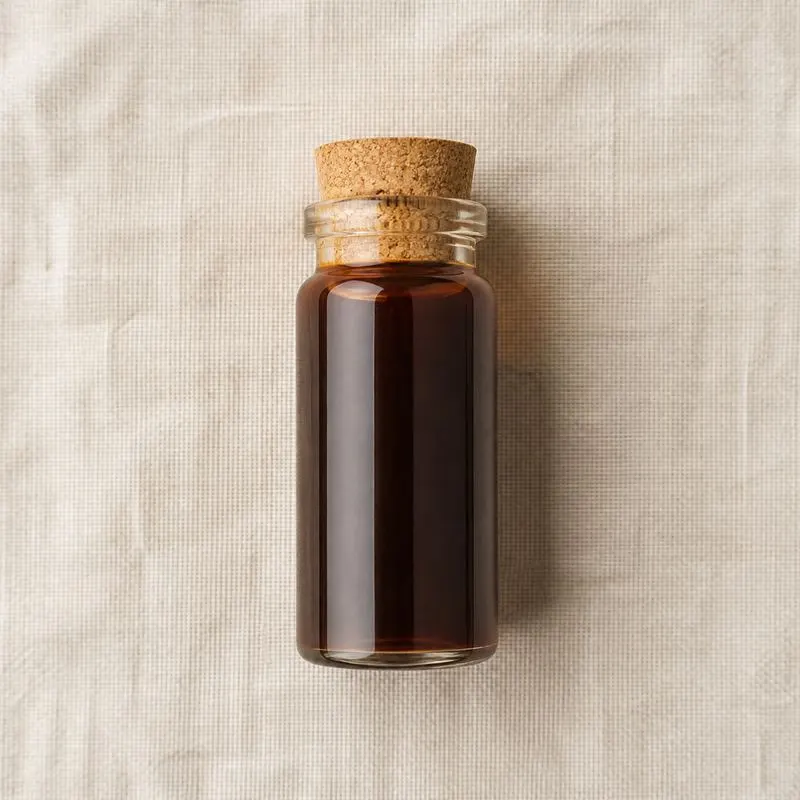
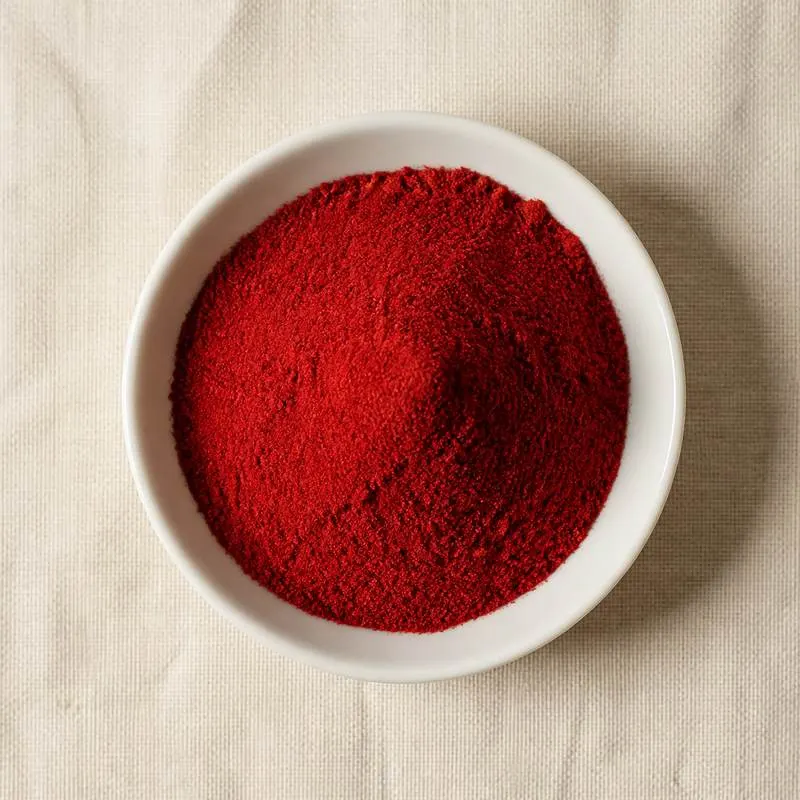
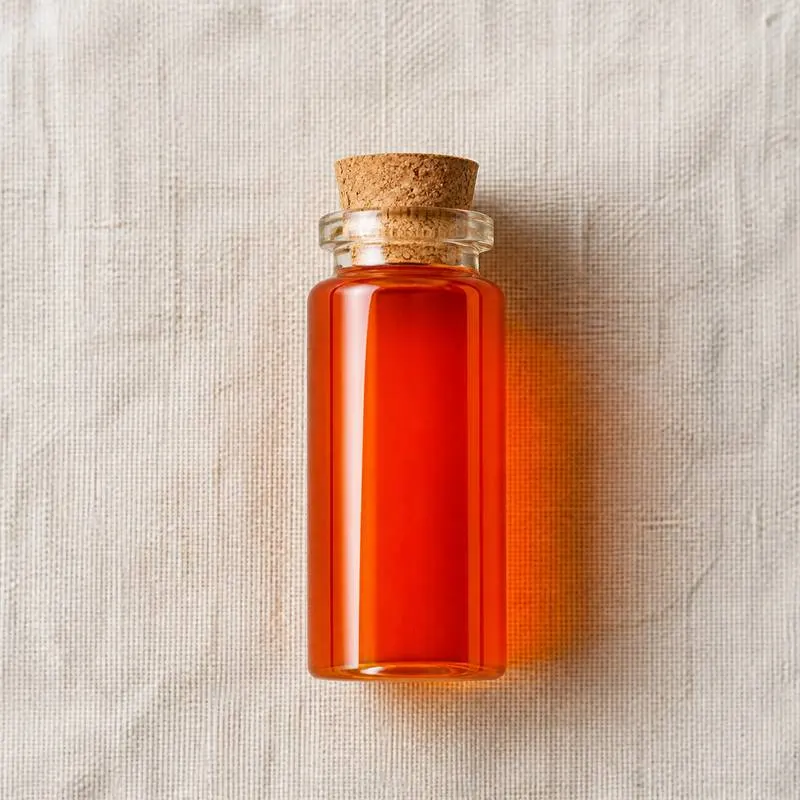
Grades / Types Available: 2%, 4% water-dispersible powder; 5%, 10%, 20% oleoresin; 2.5% beadlets
| Item | Specification |
|---|---|
| Appearance | Dark red oleoresin or powder |
| Astaxanthin Content | ≥ 5% (oleoresin) / ≥ 2% (powder) |
| Source | Haematococcus pluvialis |
| Moisture | ≤ 5.0% |
| Peroxide Value | ≤ 10 meq/kg |
| Heavy Metals (as Pb) | ≤ 3 ppm |
| Total Plate Count | ≤ 1000 CFU/g |
| Assay/Purity | 97% pure astaxanthin |
| Lead | < 0.1 ppm |
| Arsenic | < 0.1 ppm |
| Yeast & Mold | < 100 cfu/g |
| E.Coli | Negative |
| Salmonella | Negative |
Common Markets Grades
Astazine falls into three families of product, matched to end use.
The oleoresin grades sit at 5 percent and 10 percent astaxanthin by weight, dispersed in high-oleic sunflower or olive oil with mixed tocopherols for oxidative protection. These are the standard softgel fills.
The cold-water-dispersible beadlets are produced by spray-drying or matrix-encapsulation of the oleoresin with modified starch, gum acacia, and antioxidants to give 1.5 percent, 2.5 percent, and 5 percent loadings suitable for tablets, sachets, and clear beverages.
Powder concentrate grades push the assay up to 20 percent for nutricosmetic blends and animal-feed premixes, while a separate water-dispersible 10 percent emulsion targets ready-to-drink applications where the drink must clear quickly.
Applications
- Softgel and two-piece capsule supplements positioned for skin elasticity and UV defense
- Eye-health formulations combined with lutein and zeaxanthin
- Joint-support and post-exercise recovery products
- Cardiovascular and lipid-management supplement stacks
- Sports-nutrition gels, shots, and isotonic beverages
- Functional ready-to-drink teas, juices, and dairy-alternative drinks
- Nutricosmetic beauty-from-within powders and sachets
- Topical creams, serums, and lip balms targeting photoaging
- Pet supplements for senior dogs and performance horses
- Aquaculture feed premixes for salmon, trout, and shrimp pigmentation
- Infant and adult medical-nutrition emulsions where carotenoid fortification is specified
Brands Using Astazine
Widely-distributed consumer products that list Astazine on the ingredient label.
- Allergy Research GroupAstaxanthin 12 mg ↗Product page identifies the active as 'AstaZine astaxanthin... derived from the organic microalgae Haematococcus pluvialis' (AstaZine is a registered trademark of BGG)Label verified 2026-05-24
- Health Thru NutritionAstaxanthin 12 mg (as Natural Algae AstaZine) ↗Supplement Facts list 'Astaxanthin (as AstaZine) from organic Haematococcus pluvialis micro algae 12 mg'Label verified 2026-05-24
- NutriCologyAstaxanthin 12 mg 60 Softgels ↗Product page states 'AstaZine astaxanthin is derived from the organic microalgae Haematococcus pluvialis'; AstaZine is a registered trademark of BGGLabel verified 2026-05-24
Brand names, product names and logos are the property of their owners. They appear here as published evidence that the ingredient is used, taken from the brand's own label or website. Their appearance is not an endorsement, and it does not mean the brand buys from us or from any manufacturer listed on this site.
China Manufacturers of Astazine
Top Astazine manufacturers in China.

Company names and logos are the property of the manufacturers themselves. They are listed here because our own directory records them as producing this ingredient. A listing is not an endorsement by them, and we do not represent them or speak on their behalf.
How We Help Source Astazine
Direct Factory Sourcing
We run the whole process: selecting the manufacturer from the top Chinese food ingredient producers, negotiating the price, verifying quality, and coordinating the logistics. You deal with us instead of with several factories at once.
Original Packaging and Documents from the Manufacturer
The manufacturer sends your Astazine out of its own factory in the original packing, through to your destination port. The COA, COO, MSDS, TDS and any certifications reach you from the manufacturer as well.
Free Samples and Lead Time
We send 100 to 500 g free for your own laboratory to test and you cover only the courier, usually within 2 to 3 working days. ETD is usually within 7 to 15 days once the order is confirmed, and we check that date against the factory's own manufacturing schedule before we give it to you.
Combined Shipment
We can load Astazine together with other ingredients such as Beta Carotene, Caramel Colour and Lycopene into one 20' FCL. If your quantity is small, we can also ship LCL.
Regulatory Status
Astazine holds Self-Affirmed GRAS status in the United States for use as a dietary ingredient in conventional foods and beverages at defined intake levels.
In the European Union, astaxanthin from Haematococcus pluvialis is authorised as a Novel Food under Commission Implementing Regulation (EU) 2017/2470. Maximum permitted levels are set for food supplement use, and the product appears in the Union list of novel foods.
It is approved for food and supplement use in Japan, South Korea, Australia and New Zealand (FSANZ), Brazil (ANVISA), and Canada (Natural Health Product number assigned).
Halal, Kosher, non-GMO, organic, and vegan certifications exist depending on the carrier matrix selected. The product is also covered by U.S. and Chinese patents on the photobioreactor cultivation and supercritical extraction methodology.
Manufacturing Process
Astazine production starts with the closed-system cultivation of Haematococcus pluvialis in glass photobioreactor arrays at BGG's facility in Yunnan and at its Hawaii Kona Coast farm.
The algae are grown in a green vegetative phase under nitrogen-replete conditions, then shifted into a red encystment phase by light stress and nutrient limitation. This triggers astaxanthin accumulation inside the thick aplanospore cell wall.
Harvested biomass is mechanically cracked to expose the intracellular oil, then extracted with supercritical CO2 to give a solvent-free oleoresin. The crude oleoresin is standardised for astaxanthin content, ester profile, and minor carotenoids before being formulated into oils, beadlets, or emulsions.
The astaxanthin in Astazine is present mainly as mono- and diesters of fatty acids, with a small free-alcohol fraction. The natural isomer distribution is dominated by the 3S,3'S configuration, which is the same stereochemistry produced by salmon and trout that have consumed the algae.