Bee Propolis
Bee Propolis is the resinous material that honeybees produce by mixing plant resins gathered from tree buds and exudates with their own beeswax and enzymes. The bees use it to seal cracks, smooth interior surfaces, and varnish the inside of the hive.
For human use, propolis is harvested from the hive, processed into a raw resin, and most often sold as an extract standardised to flavonoid content.
We source bulk Bee Propolis from top China manufacturers for our partners. The manufacturer is in Henan. A smaller requirement can ship in a combined container with other ingredients.
Please send the grade you need, the volume and your destination port, and we will come back with a solution and a price.
or call +86-21-6858 0751
- Packaging
- 250 kg plastic drum or 1,000 kg IBC tote
- ISO 9001
- HACCP
- Halal
- Kosher
Specifications
Grades / Types Available: Food Grade, Pharmaceutical Grade
| Item | Specification |
|---|---|
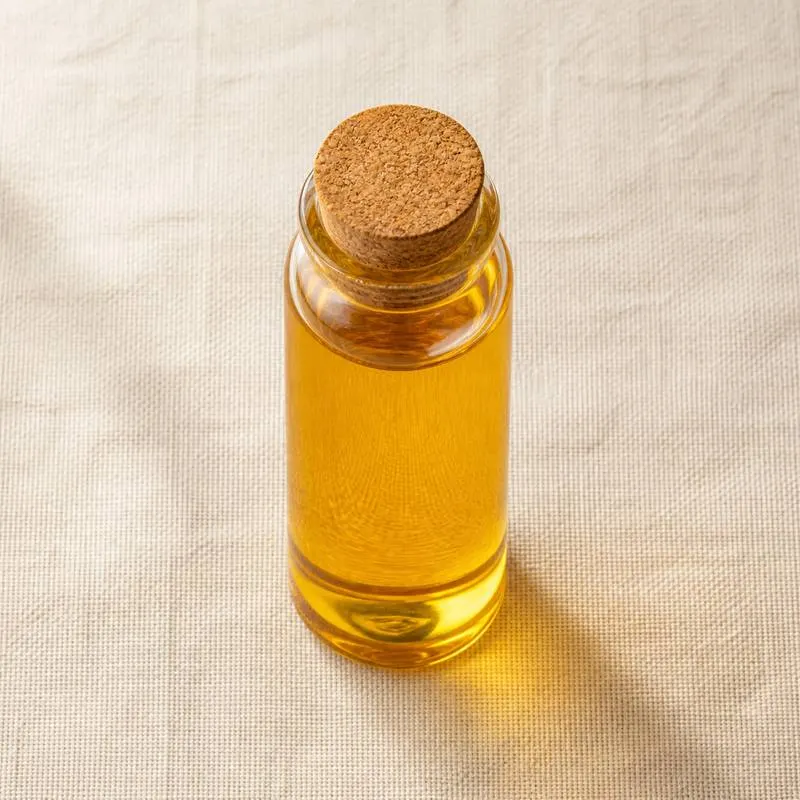
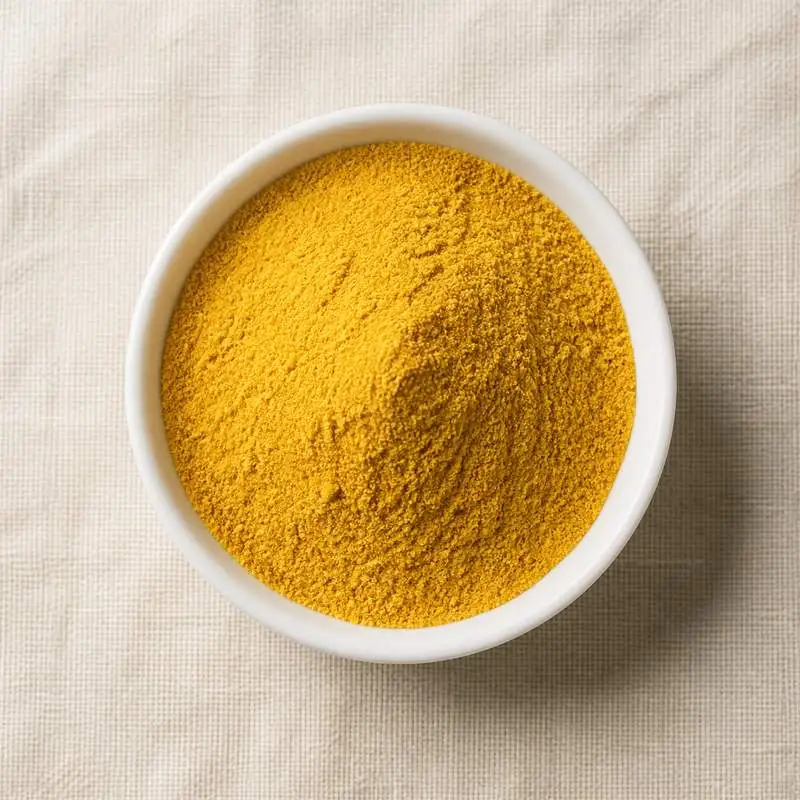
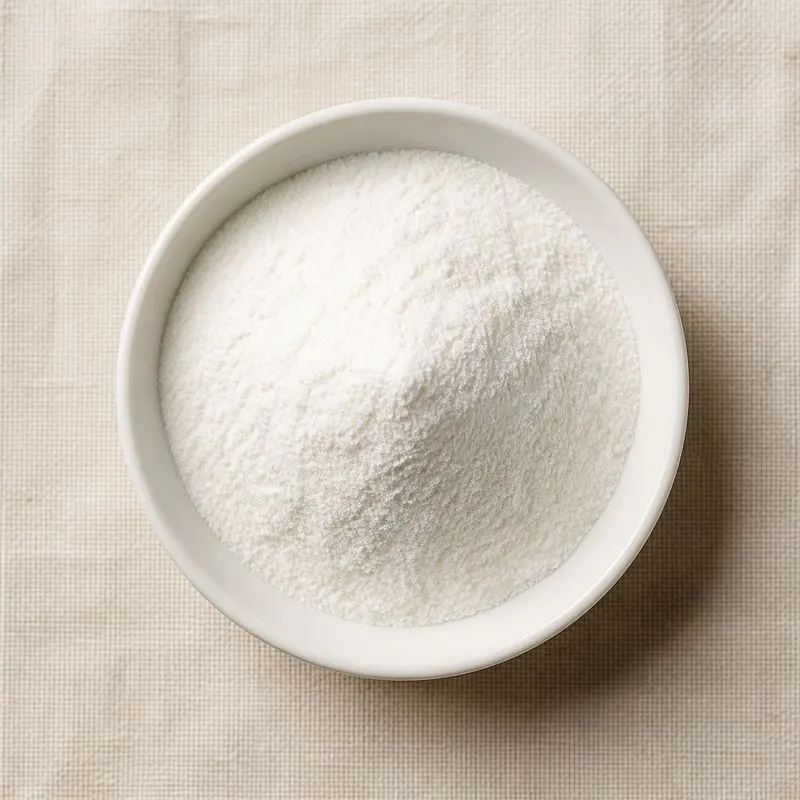
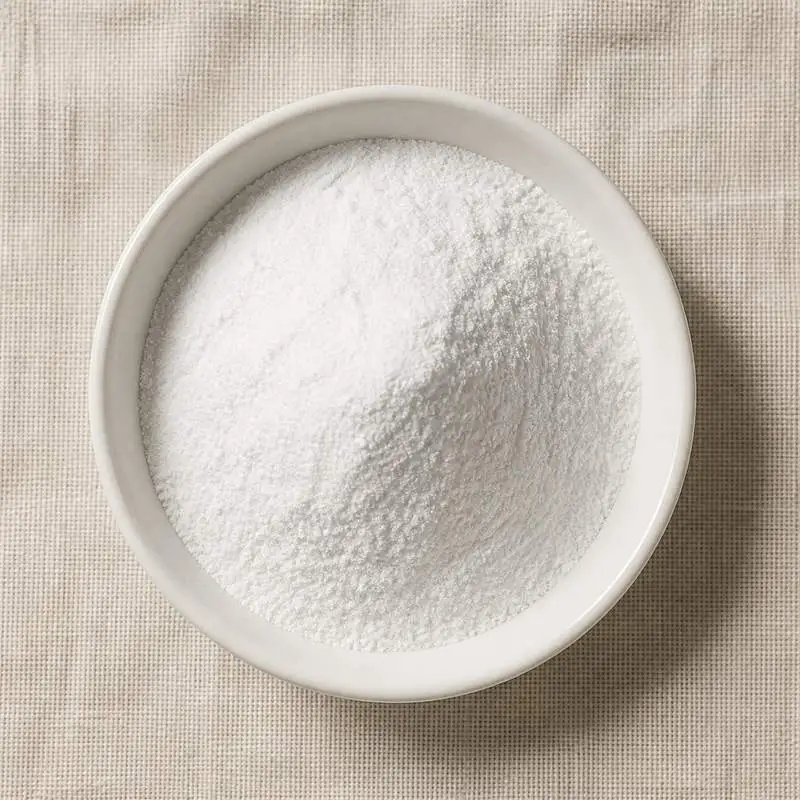
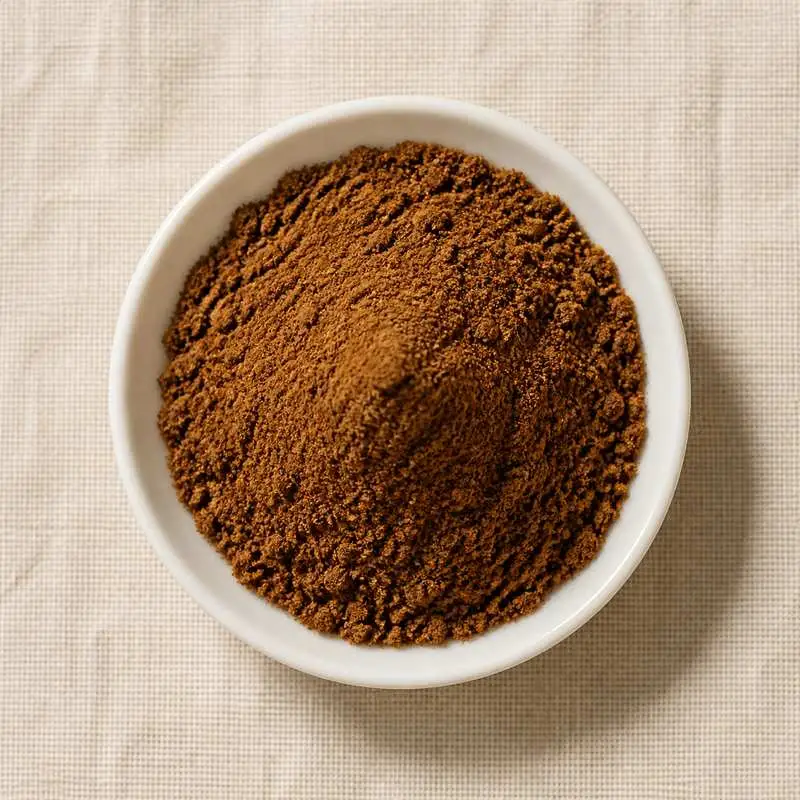
| Appearance | Brown resin / brown fine powder / liquid extract |
| Total Flavonoids | ≥10% (powder), ≥3% (tincture) |
| Total Polyphenols | ≥20% |
| Moisture | ≤5.0% |
| Ash | ≤5.0% |
| Wax Content | ≤10% |
| Extraction Solvent | Ethanol / water |
| Particle Size (80 mesh) | ≥95% |
| Heavy Metals (as Pb) | ≤2 mg/kg |
| Total Plate Count | ≤10,000 cfu/g |
| Salmonella | Absent in 25g |
| Purity (Food Grade) | ≥ 90% |
| Moisture/Loss on Drying | ≤ 5% |
| pH | 4.0 - 6.0 |
| Lead | ≤ 1 ppm |
| Arsenic | ≤ 0.5 ppm |
| Yeast & Mold | ≤ 100 cfu/g |
Common Markets Grades
Propolis is graded by raw resin origin and by extract specification.
Raw propolis is graded by botanical origin. Poplar-type propolis from temperate Europe, North America, and China is rich in flavanones and flavones such as pinocembrin, chrysin, and galangin. Brazilian green propolis from Baccharis dracunculifolia carries a distinctive profile dominated by artepillin C. Red propolis from northeastern Brazil is rich in isoflavones from Dalbergia resin sources.
Extract grades are normally standardised to total flavonoid content. A 70 percent ethanolic extract concentrated to 10 percent or 15 percent total flavonoids is the most common nutraceutical specification.
Water-soluble propolis grades use propylene glycol or a maltodextrin spray-dried carrier to give a clear or dispersible product for beverage and lozenge use.
An alcohol-free liquid format is produced for mouth spray and oral care use.
Applications
- Throat sprays and lozenges positioned around oral and throat comfort
- Mouthwashes and toothpastes for oral hygiene and gum support
- Immune-support supplements in capsule, tablet, and tincture form
- Functional honey and propolis-honey blends
- Herbal cough syrups and seasonal wellness syrups
- Cosmetic formulations for acne-prone, blemish-prone, and sensitive skin
- Hair and scalp care products positioned around natural ingredients
- Wound-care and aftercare topical products
- Pet care products including ear cleansers and skin sprays
- Apitherapy product lines combined with royal jelly and pollen
Brands Using Bee Propolis
Widely-distributed consumer products that list Bee Propolis on the ingredient label.
- NOW FoodsPropolis 1500 Capsules (5:1 Concentrate) ↗NOW Foods Propolis 1500 supplies 300 mg of 5:1 propolis concentrate (equivalent to 1,500 mg raw propolis) per capsule, sourced from active healthy hives and naturally rich in bioflavonoids.Label verified 2026-05-24
- Beekeeper's NaturalsB.Immune Propolis Throat Spray ↗Beekeeper's Naturals B.Immune Propolis Throat Spray contains 85 mg of concentrated bee propolis extract per serving in a base of wildflower honey and vegetable glycerin for immune and throat support.Label verified 2026-05-24
- Source NaturalsPropolis Extract ↗A standardised supplement supplying bee-collected propolis resin.Label verified 2026-05-24
- Y.S. Eco Bee FarmsPropolis 1000 Capsules (90 ct) ↗Y.S. Eco Bee Farms Propolis 1000 capsules contain raw, unprocessed bee propolis as one of nature's richest sources of bioflavonoids.Label verified 2026-05-24
Brand names, product names and logos are the property of their owners. They appear here as published evidence that the ingredient is used, taken from the brand's own label or website. Their appearance is not an endorsement, and it does not mean the brand buys from us or from any manufacturer listed on this site.
China Manufacturers of Bee Propolis
Top Bee Propolis manufacturers in China.

Company names and logos are the property of the manufacturers themselves. They are listed here because our own directory records them as producing this ingredient. A listing is not an endorsement by them, and we do not represent them or speak on their behalf.
How We Help Source Bee Propolis
Direct Factory Sourcing
We run the whole process: selecting the manufacturer from the top Chinese food ingredient producers, negotiating the price, verifying quality, and coordinating the logistics. You deal with us instead of with several factories at once.
Original Packaging and Documents from the Manufacturer
The manufacturer sends your Bee Propolis out of its own factory in the original packing, through to your destination port. The COA, COO, MSDS, TDS and any certifications reach you from the manufacturer as well.
Free Samples and Lead Time
We send 100 to 500 g free for your own laboratory to test and you cover only the courier, usually within 2 to 3 working days. ETD is usually within 7 to 15 days once the order is confirmed, and we check that date against the factory's own manufacturing schedule before we give it to you.
Combined Shipment
We can load Bee Propolis together with other ingredients such as Arachidonic Acid, Coenzyme Q10 and Chondroitin Sulphate Sodium into one 20' FCL. If your quantity is small, we can also ship LCL.
Regulatory Status
Propolis is sold as a food supplement, herbal product, or cosmetic ingredient in most major markets, with classification depending on the claims and the delivery format.
In the European Union it is regulated as a food supplement under national rules, with cosmetic use covered by the Cosmetic Products Regulation. Several member states have published guidance on permitted health-related communications.
In the United States it is sold as a dietary ingredient under DSHEA, with manufacturers responsible for safety and labelling substantiation.
Brazil has a formal regulation for propolis as a food product, with specifications by source type that include green, brown, and red propolis categories.
Labels typically carry an allergen warning, since propolis is a recognised cause of contact sensitization in some users and can also trigger reactions in people with severe bee-product allergies.
Manufacturing Process
Beekeepers harvest propolis using a propolis trap, a slatted plastic mat placed at the top of the hive that the bees fill with resin. Once filled, the mat is removed and chilled in a freezer, at which point the propolis becomes brittle and can be cracked off in clean flakes.
Raw propolis is cleaned of wax, wood, and dead bee fragments by a combination of sieving and density separation. The cleaned resin is then milled into chips or a coarse powder for extraction.
Extraction is most often performed with ethanol at 70 percent or higher concentration. The resin is steeped with stirring at controlled temperature, typically over several days, then filtered to remove insoluble waxes.
The clear ethanolic extract is concentrated under vacuum to the target solids and flavonoid content. For powdered grades, the concentrate is mixed with a carrier such as maltodextrin or beta-cyclodextrin and spray-dried.
Each batch is tested by HPLC for the marker flavonoids relevant to the source type and for solvent residue, heavy metals, and microbial counts.