Benzalacetone
Benzalacetone, also called benzylideneacetone or 4-phenyl-3-buten-2-one, is an unsaturated aromatic ketone with the formula C10H10O and CAS number 122-57-6. It is the simplest member of the arylidene ketone family, formed by joining a benzaldehyde ring to an acetone fragment through a carbon to carbon double bond.
In flavour work the material carries a sweet, warm, slightly pungent odour with balsamic and floral facets and a distinct sweet cherry to strawberry undertone. It is powerful, so it is dosed at parts per million in finished goods and functions as a top note modifier rather than a character impact compound. In perfumery it contributes a honeyed, almost cinnamic sweetness.
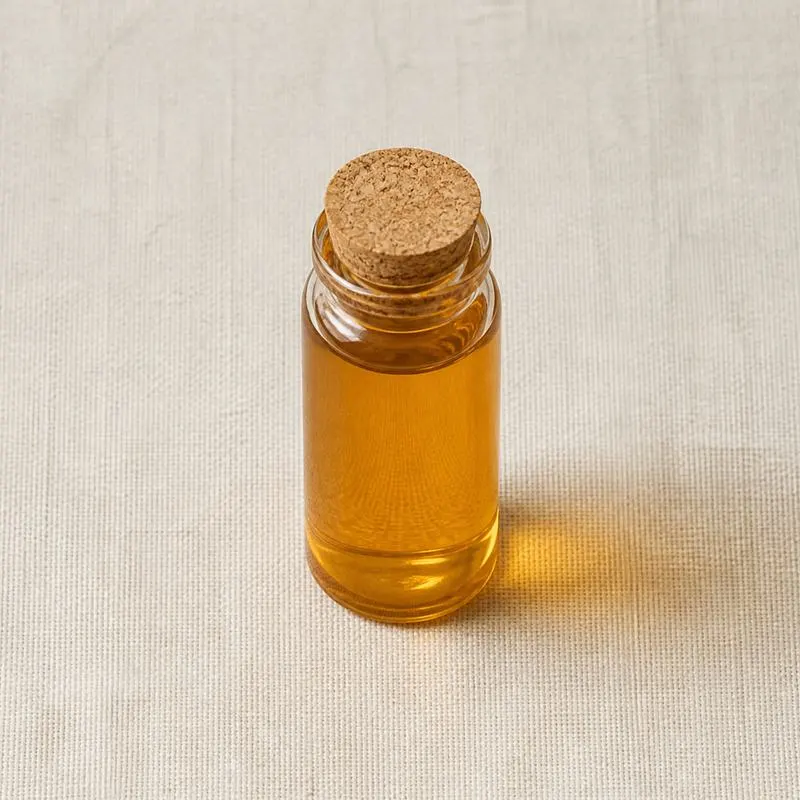
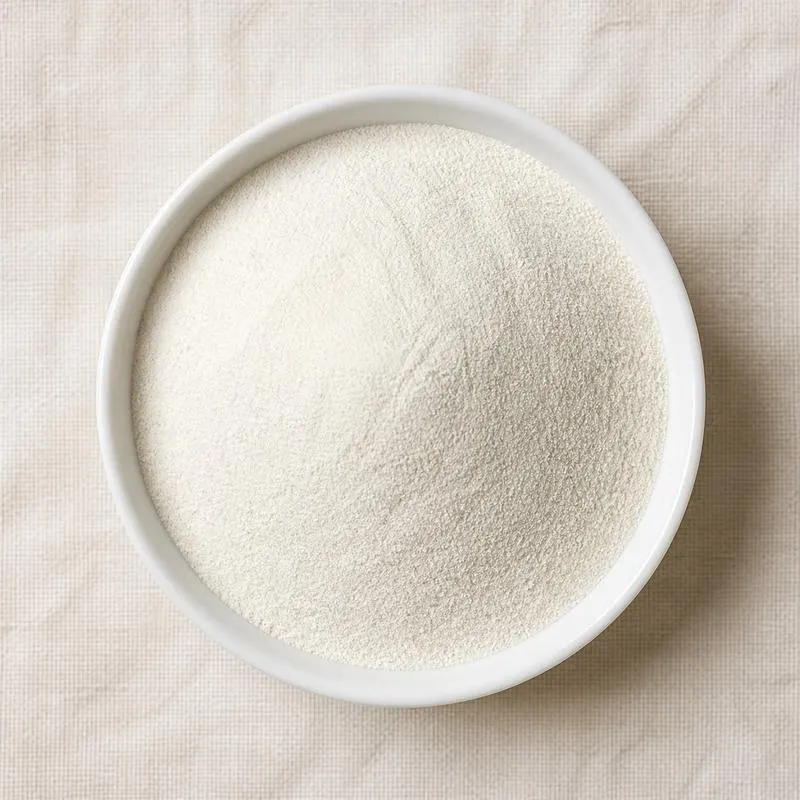
The commercial article is a pale yellow to off white crystalline solid melting near 40 degrees Celsius, which means it softens or partly liquefies in warm storage. It is practically insoluble in water and freely soluble in ethanol, propylene glycol, triacetin and most flavour oils. The conjugated enone group makes it sensitive to prolonged light exposure and to strong alkali, so it is packed in lined drums away from heat.
We source bulk Benzalacetone from top China manufacturers for our partners. The manufacturer is in Hubei. A smaller requirement can ship in a combined container with other ingredients.
Please send the grade you need, the volume and your destination port, and we will come back with a solution and a price.
or call +86-21-6858 0751
- Function
- Flavours and Aromas
Specifications
| Item | Specification |
|---|---|
| Appearance | Pale yellow to off white crystalline solid or flake |
| Odour | Sweet, balsamic, floral, cherry like |
| Assay by GC | 98.0 percent minimum |
| Identification | Infrared spectrum conforms to reference |
| Melting range | 39 to 42 degrees Celsius |
| Free benzaldehyde | 0.5 percent maximum |
| Dibenzalacetone | 1.0 percent maximum |
| Loss on drying | 0.5 percent maximum |
| Residue on ignition | 0.1 percent maximum |
| Solubility in ethanol | Clear solution, 1 gram in 3 mL of 95 percent ethanol |
| Heavy metals as lead | 10 mg per kg maximum |
| Lead | 2 mg per kg maximum |
| Arsenic | 1 mg per kg maximum |
Common Markets Grades
Benzalacetone is traded almost entirely as a single food and fragrance grade at 98 percent minimum assay, sold as crystals or fused flakes. Higher purity lots at 99 percent minimum are offered for fine fragrance work where residual benzaldehyde would shift the odour toward bitter almond.
Because the melting point sits close to warehouse temperature, part of the trade moves in liquid solution form: 10 percent or 20 percent dilutions in propylene glycol, triacetin or ethanol are stocked for liquid flavour compounding, and these avoid handling a solid that cakes and re-fuses. A technical grade at 97 percent is sold into polymer and photoinitiator intermediate use and is not appropriate for food.
Applications
- Cherry and berry flavour compounds, where it supplies the sweet jammy lift behind benzaldehyde and the ester top notes
- Strawberry and raspberry reconstitutions in confectionery, contributing a cooked fruit character that fresh esters alone do not give
- Nut flavours, particularly almond and marzipan, where it rounds the harsh edge of pure benzaldehyde
- Caramel, toffee and butterscotch systems, adding a warm balsamic sweetness to the burnt sugar base
- Honey and vanilla accords, where trace levels extend the sweet impression without adding vanillin
- Chewing gum and hard candy flavours that need a note stable to the high temperatures of cooking and extrusion
- Fine fragrance and soap perfumery for cinnamic, honey and heliotrope accords
- Tobacco casings, where it carries a sweet floral top over the leaf character
- Reference standard in gas chromatography method development for arylidene ketones in flavour analysis
China Manufacturers of Benzalacetone
Top Benzalacetone manufacturers in China.
Company names and logos are the property of the manufacturers themselves. They are listed here because our own directory records them as producing this ingredient. A listing is not an endorsement by them, and we do not represent them or speak on their behalf.
Regulatory Status
In the United States benzalacetone is recognised as a flavouring substance by the Flavour and Extract Manufacturers Association, which assigned it FEMA GRAS number 3329. The Food and Drug Administration permits synthetic flavouring substances of this class in food, and material intended for food use is expected to conform to Food Chemicals Codex identity and purity criteria.
In the European Union the substance is listed in the Union list of flavourings maintained under Regulation 1334/2008, where it is permitted for general flavour use in accordance with good manufacturing practice. It has no E number, since flavourings are regulated separately from food additives. The Joint FAO and WHO Expert Committee on Food Additives has evaluated benzalacetone within the flavouring group of aliphatic and aromatic unsaturated ketones and raised no safety concern at the levels at which it is used. The standards of the International Fragrance Association additionally govern fragrance use and restrict its concentration in leave on skin products.
Manufacturing Process
Industrial benzalacetone is made by the Claisen Schmidt condensation of benzaldehyde with acetone. The two feedstocks are charged to a stirred reactor with a large excess of acetone, which suppresses the double condensation that would otherwise give dibenzalacetone. A dilute aqueous alkali catalyst, usually sodium hydroxide, is metered in while the temperature is held in the region of 20 to 30 degrees Celsius, since the reaction is exothermic and higher temperatures favour the by-product.
Once conversion is complete the batch is neutralised with dilute acid and allowed to separate. The organic layer is washed to remove salts and residual base, and unreacted acetone is stripped under reduced pressure and recycled to the next batch. The crude ketone is then purified by fractional vacuum distillation, which removes unconverted benzaldehyde overhead and leaves dibenzalacetone and resinous matter in the still bottoms. The distilled cut is crystallised on a cooled belt or in a flaker, and the flakes are screened and packed under nitrogen in lined fibre drums.