BHA
BHA, butylated hydroxyanisole, is a synthetic phenolic antioxidant used to delay oxidative rancidity in fats, oils and fat-containing foods. Commercial material is a mixture of two isomers, 3-tert-butyl-4-hydroxyanisole and 2-tert-butyl-4-hydroxyanisole, with the 3-isomer predominating.
Functionally it acts as a chain-breaking antioxidant, donating a hydrogen atom to lipid peroxyl radicals and interrupting the autoxidation cascade that produces the aldehydes and ketones responsible for rancid odour. It is frequently combined with BHT for an additive effect and with citric acid, which sequesters the trace copper and iron that catalyse oxidation.
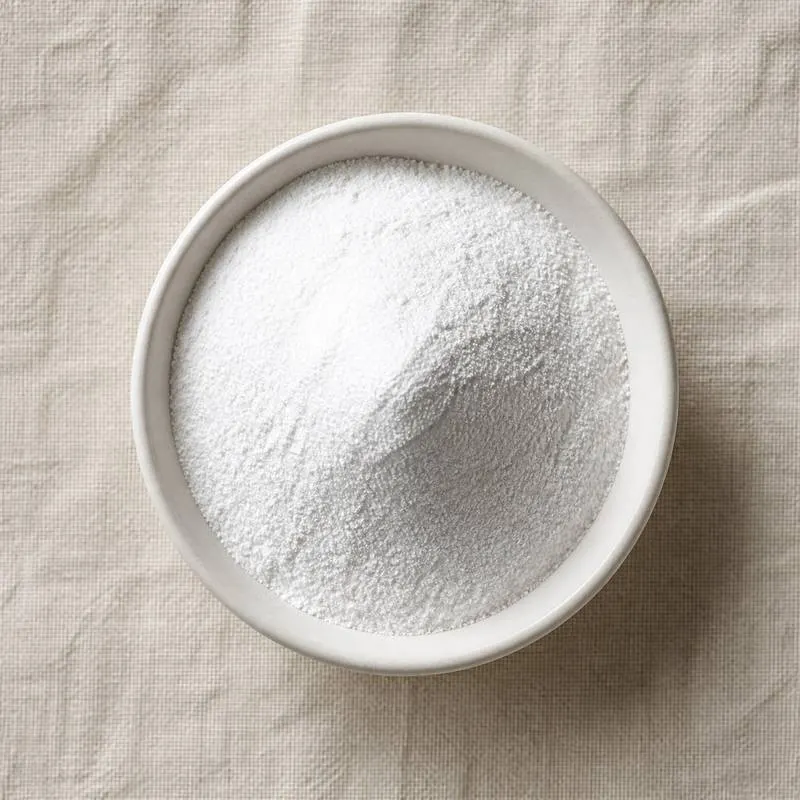
The substance is white to slightly yellow waxy flakes or crystals with a faint phenolic odour, softening in the region of 48 to 63 degrees Celsius. It is practically insoluble in water and freely soluble in edible oils, propylene glycol and ethanol, so it is dosed as a solution or an oil premix rather than dry blended. BHA is notable for carry-through, meaning it survives frying and baking temperatures in the oil phase and continues to protect the finished food.
We source bulk BHA from top China manufacturers for our partners. The manufacturer is in Guangdong. A smaller requirement can ship in a combined container with other ingredients.
Please send the grade you need, the volume and your destination port, and we will come back with a solution and a price.
or call +86-21-6858 0751
- Function
- Antioxidant
Specifications
| Item | Specification |
|---|---|
| Appearance | White to slightly yellowish waxy flakes or crystalline solid |
| Odour | Faint characteristic phenolic |
| Assay (total isomers) | 98.5% min |
| Identification | Infrared spectrum conforms to reference standard |
| Melting range | 48 to 63 degrees Celsius |
| Loss on drying | 0.5% max |
| Residue on ignition | 0.05% max |
| Free 4-methoxyphenol | 0.1% max |
| Heavy metals as Pb | 10 mg/kg max |
| Lead | 2 mg/kg max |
| Arsenic | 3 mg/kg max |
| Solubility | Freely soluble in ethanol and propylene glycol, insoluble in water |
Common Markets Grades
Neat food grade BHA is the base product, typically 98.5 percent minimum assay, sold as flakes, pastilles or crystalline powder. Feed grade material of the same chemistry is traded at slightly wider impurity limits and is often adsorbed onto a silica or vegetable carrier so it can be dry dosed into meal.
Most industrial use is of diluted preparations rather than the neat solid. Solutions of 10 to 20 percent BHA in propylene glycol, refined vegetable oil or glyceryl monooleate are standard, as are ternary blends of BHA, BHT and citric acid in a glycol or oil carrier, which give a single-addition antioxidant system. Mesh size is not a meaningful specification for the neat flake because it is dissolved before use.
Applications
- Frying oils and shortenings, where carry-through means the antioxidant continues to protect the fried product after it leaves the fryer
- Potato crisps and extruded snacks, applied through the seasoning oil to protect the surface lipid
- Breakfast cereals, sprayed onto flakes or incorporated into the packaging liner so it migrates to the product
- Dehydrated potato flakes and granules, which oxidise rapidly because of their high surface area
- Nuts, nut pastes and roasted nut coatings
- Chewing gum base, stabilising the elastomer and wax fraction
- Citrus and spice essential oils, protecting terpene and terpenoid constituents from autoxidation
- Rendered animal fats, fishmeal and pet food, where lipid oxidation drives both rancidity and vitamin loss
- Carotenoid and vitamin A preparations, protecting the polyene chain during storage
- Waxes and emulsifiers used in food contact coatings
China Manufacturers of BHA
Top BHA manufacturers in China.
Company names and logos are the property of the manufacturers themselves. They are listed here because our own directory records them as producing this ingredient. A listing is not an endorsement by them, and we do not represent them or speak on their behalf.
Regulatory Status
In the United States 21 CFR 172.110 regulates BHA as a direct food additive, sets out the foods in which it may be used and the limits expressed against the fat or oil content of the food, and BHA also appears among the chemical preservatives affirmed as generally recognised as safe under 21 CFR 182.3169. Its use in food contact packaging is covered separately under the indirect additive regulations.
In the European Union Regulation (EC) No 1333/2008 authorises BHA as E 320 and restricts it to defined categories such as fats and oils for frying, dehydrated products, seasonings and chewing gum, with purity criteria laid down in the accompanying specifications regulation. JECFA has evaluated the substance and it appears in the Codex General Standard for Food Additives as INS 320. Labelling as an antioxidant with the specific name or E number is required wherever it is present in the finished food.
Manufacturing Process
BHA is manufactured by Friedel-Crafts alkylation of 4-methoxyphenol, also known as hydroquinone monomethyl ether, with isobutylene. The reaction runs in the liquid phase over an acid catalyst, commonly sulphuric or phosphoric acid or a macroporous acidic ion exchange resin, at moderate temperature and pressure sufficient to keep the isobutylene in solution. Conditions are controlled to favour mono-alkylation, since di-tert-butyl material is an unwanted by-product.
The crude reaction mass is neutralised and water washed to remove catalyst, then fractionated under vacuum to separate unreacted 4-methoxyphenol and the di-tert-butyl fraction from the target isomer mixture. The distillate is recrystallised from a hydrocarbon solvent to raise the assay and lighten the colour, and the crystals are centrifuged, dried under vacuum and flaked or pastillated for packing.